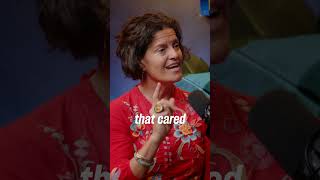
Vishen Lakhiani explores the grandmother hypothesis: after menopause, women in hunter-gatherer societies shifted to caregiving and cultural roles. Hormonal changes rewired their brains, reducing concern for social approval and increasing empathy, which made them better at maintaining culture and supporting families.
Chapters
What's the grandmother hypothesis? If you go back into the hunter and gatherer days, the men typically went out and hunted. Staying at home around the cave was the mom who was burying children. So it was the grandmother that took care of the culture of the cave, made sure that the kids were taken care of, the mom was fed. What had to happen for the grandmother to be able to have this insight, to be able to see how to take care of the cave culture, is her brain had to change when her hormones went away because she was no longer in a reproductive cycle, her brain reconfigured it itself. The part of the brain that cared what other people think of her went away. Her sense of, like, oh, I gotta fig, make sure that everybody's okay with me. That goes away. Ask any menopausal woman. Her amygdala that was working to keep her safe no longer is keeping her safe anymore. It moves more towards empathy, and now it's in a place where it can look and see what the cave culture needs so everybody can stay alive.