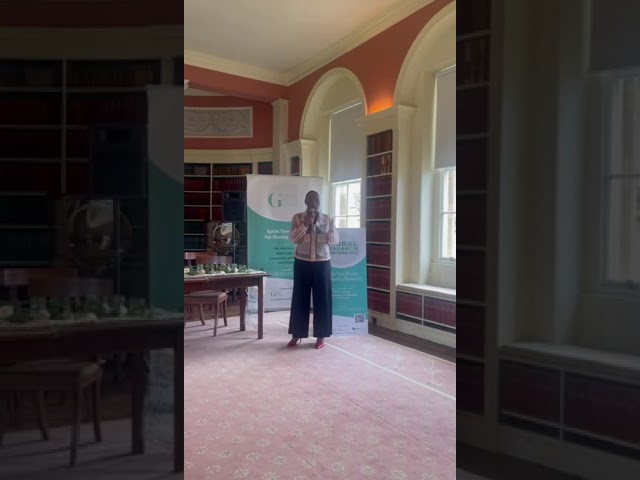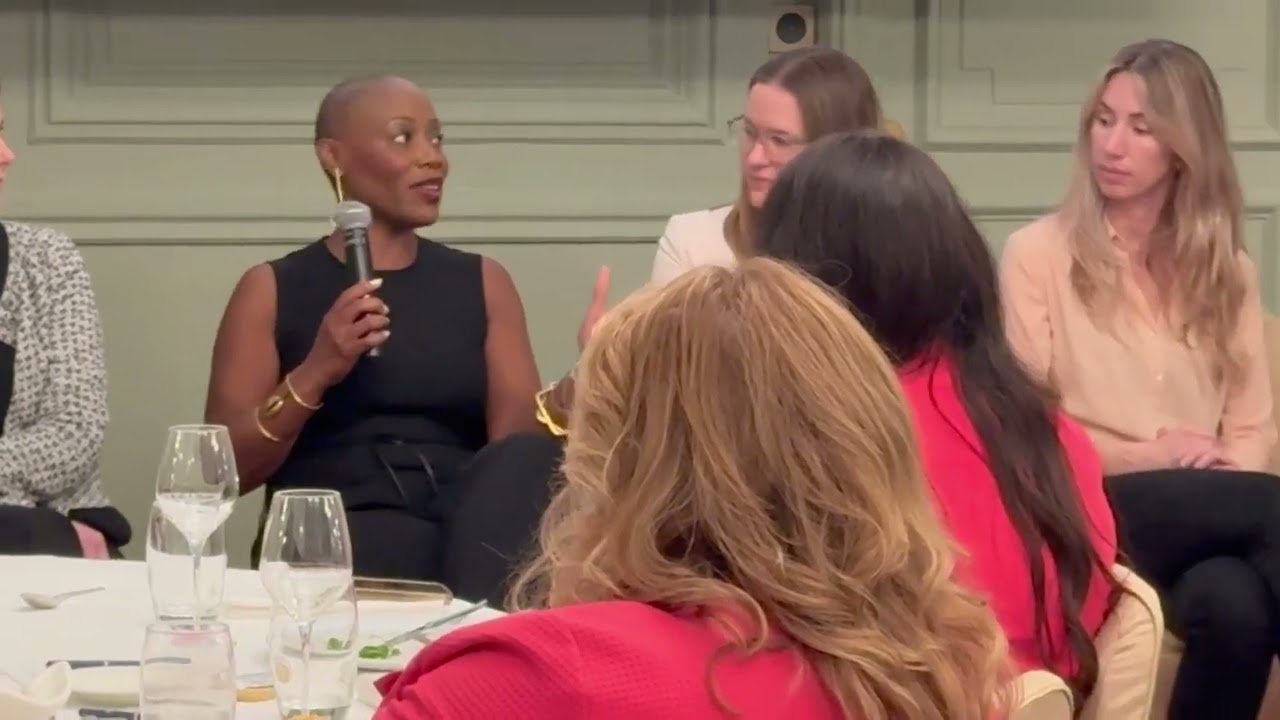
In this talk, the speaker—an American soft‑skills workshop facilitator at ESSEC Business School—argues that soft skills such as empathy, active listening, and compassionate leadership have become essential for business success, a trend highlighted by the World Economic Forum. She contrasts the traditional American work‑aholic culture, which often suppresses emotions, with the post‑COVID reality where a “silent pandemic” of mental‑health issues and employee disengagement has emerged. Citing that 63% of employees leave due to toxic environments or poor leadership, she emphasizes the high cost of turnover and the growing adoption of wellness programs by companies seeking to retain talent. The speaker also notes global disparities in resource availability, stressing that relationships—whether in corporations or personal life—are the foundation of effective organizations worldwide.
Chapters
We really appreciate it. Soft skills, leadership skills, skills of the future— what do you know, Simeon, about the most successful businesses that you work with from an international perspective? Well, in my perspective, what I am seeing, because I actually do workshops on soft skills, soft skills here at ESSEC University, which is the number 2 business school here in France, and so, you know, I believe the world's Economic Forum has actually made like soft skills to be like one of the top skills that's actually needed because, you know, everyone that's coming out of school really knows all hard stuff. It's really skills that you want to really invest in all the competencies, right? When it comes to really having empathy, when it comes to really knowing how to listen to people, you know, because when you think about the workforce, you know, I'm an American from Miami, you know, and Americans are just known for the workaholics, right? And we're taught to leave your emotions at the door, you know, to not When I was working for the law firm I was working at, I was told, "Shelter the ship." Like, you know, "When you come here, it's just like, we don't want to hear it," right? But what we're just finding, I think, in the last 4 years with COVID where we all went through this global experience where we all can relate that it has actually changed so much of how we do business. And it's like, we're not okay. You know, I sometimes speak of mental health and what's coming forth from the last pandemic is this silent pandemic of, you know, where there's so many people that are just so disengaged. And so the skills of just saying, you know, I'm not okay, and just like expressing the feelings, it's just so prevalent. And we're finding out that, you know, in the workforce, you know, there's more companies that are actually investing in wellness programs because we're finding out that, you know, that's what's much more needed. You know, when you look at the reasons why actually people quit employers, right, 63%, It's either for a toxic work environment or it's because of the leadership. And it's very expensive actually to keep actually to hire, you know, hire and fire people. And so it's very prevalent now. And I love the fact that it's just such a common knowledge when we're talking about empathy, we're talking about compassion, we're talking about skills in this office, active listening, we're talking about mental health. Like, these are not actually taboo anymore, but I still think more of these things we actually need to talk about because No matter where you are in the world, it's like resources go to more developed countries. You know, like the woman was saying with her— when she was having a baby, what have you, that's actually worldwide. And so it just needs to be developed because, you know, life is really all about relationships, whether you are a corporation, whether you're in a marriage. And it's like if there isn't— if there's not any cohesive, you know, connectedness to anything, it's just not going to work. Thank you.