William Davis argues that leadership failures come from character flaws, not missing skills. Ego-driven confidence, fear-based control, avoiding hard conversations, and dismissing feedback destroy trust faster than any skill gap. Great leadership is built on integrity, especially when no one is watching.
Chapters
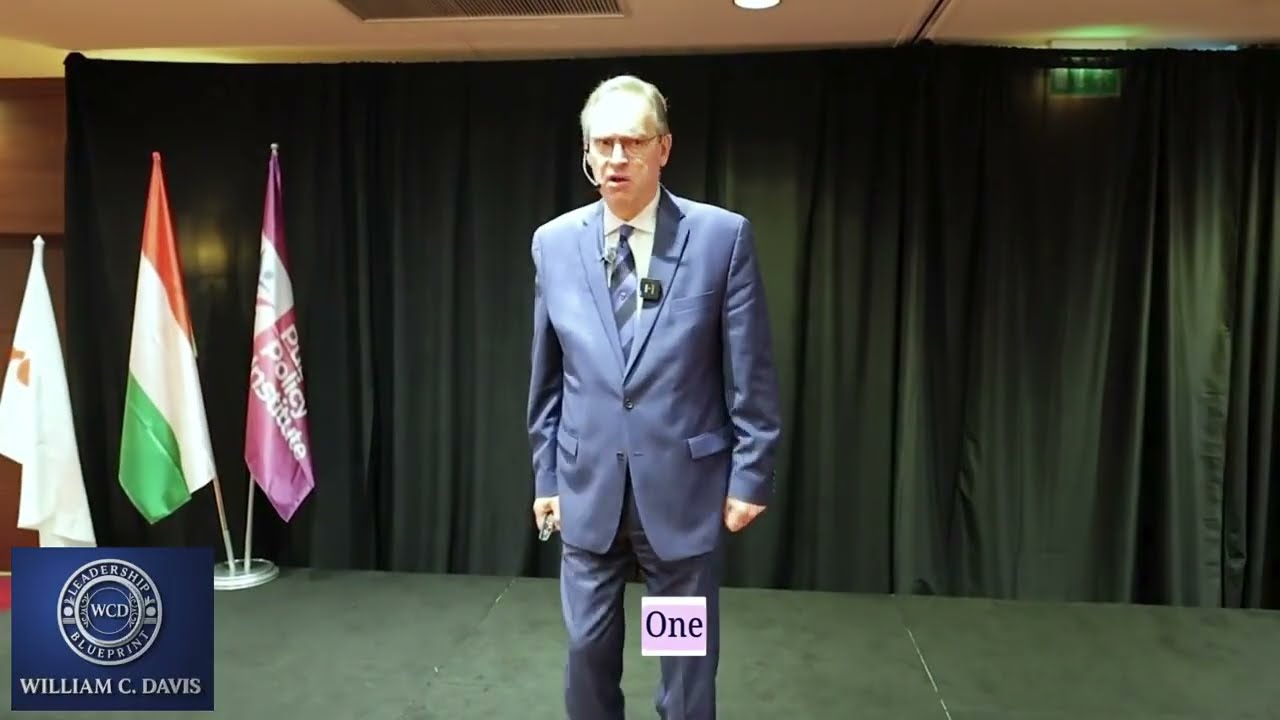
Hi everyone, this is William Davis and this is today's Leadership Minute. I want to take a few minutes and discuss the truth about leadership challenges. See, they're rarely what we know. They're about who we are. When leadership struggles and when leaders struggle, it's usually not a technical gap. It's something much deeper, oftentimes coming from confidence that's crossed into ego. Control that stems from our own fears. How about those difficult conversations we keep postponing? Feedback we dismiss instead of embracing and making changes? How we show up when the pressure's on? And perhaps the most costly pattern of all is seeing people as resources rather than human beings. So here's what I've learned. You can compensate for skill gaps temporarily. People are remarkably patient with leaders who are still learning. But gaps in character? Those have a way of revealing themselves, often when it matters most. And the impact goes far beyond quarterly results. When character falters, trust fractures, relationships suffer, And the way people experience leadership in those moments, well, it stays with them, shaping their view of what leadership means long after they've moved on. The foundation of truly great leadership isn't found in competence or intelligence alone. It's built on character, the kind that shows up consistently, especially when no one's watching. This is William Davis, and that's been today's Leadership Minute.