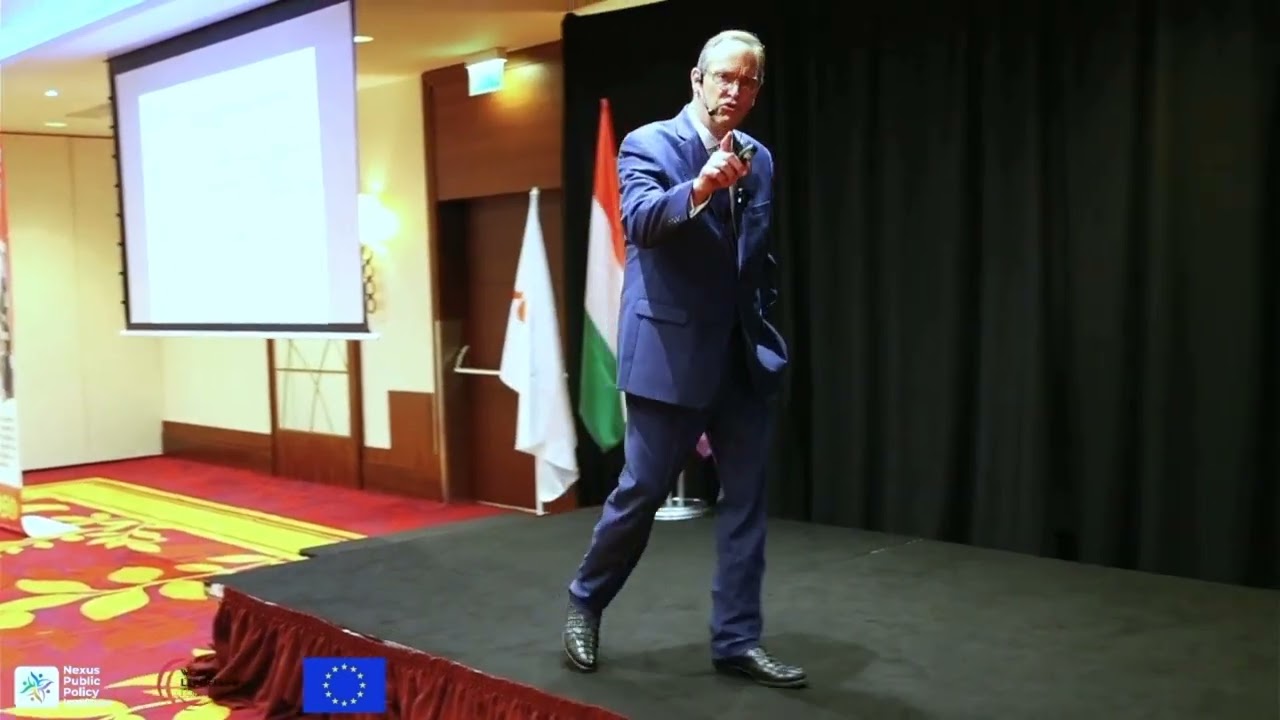
William Davis identifies five practices that separate effective leaders in crisis: transparency about the stress, checking on people before performance, removing obstacles, protecting and appreciating your team, and strengthening connections instead of tightening control. Pressure reveals character, and the best leaders use it to deepen trust.
Chapters
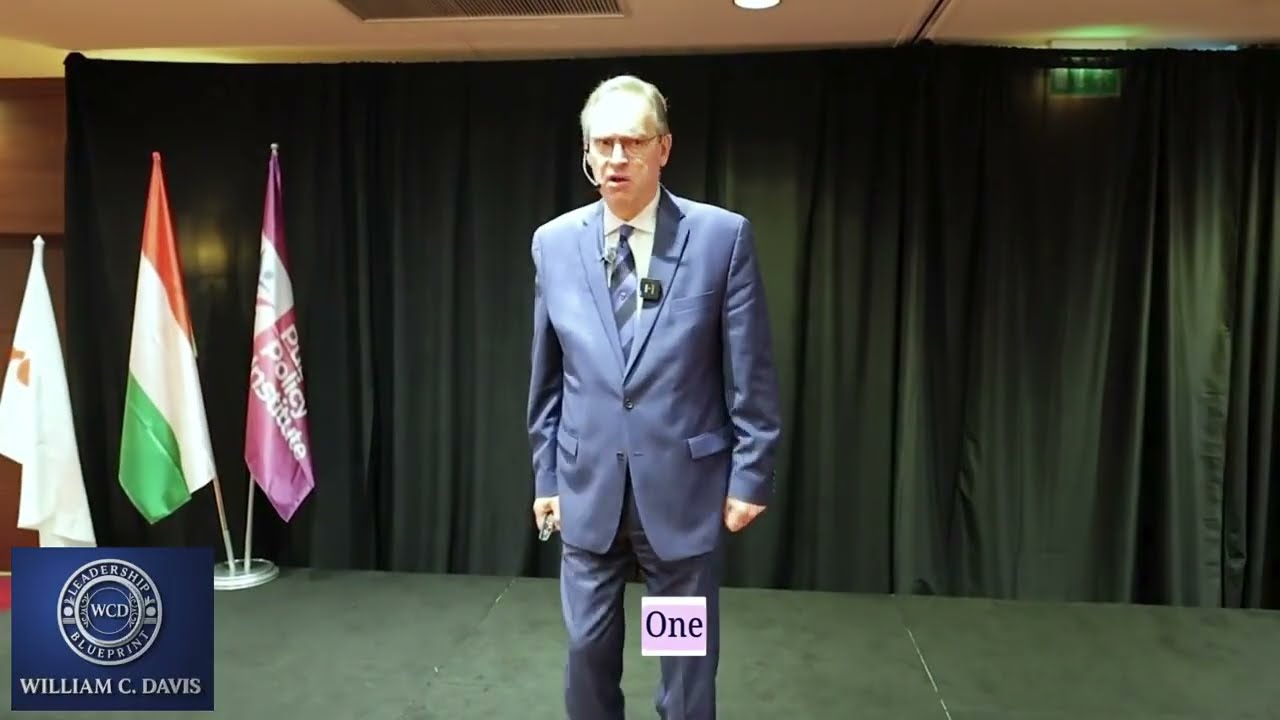
Hi everyone, this is William Davis, and this is today's Leadership Minute. I want you to consider for just a second that high-pressure environments don't and can't eliminate the need for your building of human relationships. They actually should intensify it. You see, in stressful seasons and stressful situations, great leaders do a few key things. First, they're transparent about what's happening and why. You see, they acknowledge the stress that's involved in the situation and the stress that it puts on their people instead of pretending it doesn't exist. They check in on their people, check in on their people before checking up on performance. They remove obstacles and they protect their team. As well as advocate for their team. And even in urgency, they still show appreciation. You see, pressure doesn't change leadership, nor should it. It really reveals who you are as a leader. Some leaders tighten control, but the best leaders strengthen connection, and that connection is what helps teams hold together when the pressure rises. This has been William Davis, and that's today's Leadership Minute.