This YouTube case study (Costain A12) documents how Costain and delivery partners use the Gather platform on the A12 project to move site cost data from paper into a real-time digital workflow. Speakers describe historical problems with paper timesheets and allocation sheets (errors, delays, difficulty diagnosing issues), and explain that Gather enables uploadable site diaries, accurate timesheets/allocation, clearer compensation-event records, real-time performance vs forecast (spend tracking), better subcontractor data standards, and leading indicators that allow the commercial team to manage risks and opportunities proactively.
Chapters
Today we're with Costain and their delivery partners at the A12 to see exactly how they've been getting on using Gather to bring site data to the front and centre of their commercial management processes. Understanding costs across your supply chain and different contract types can be overwhelming. However, having cost data available in real time can accelerate decision making and boost collaboration right across the supply chain.
Historically, we've had a problem in the industry where we used a lot of paper documents, so we had paper timesheets and paper allocation sheets and it was.
Taking up a lot of time, there was a lot of mistakes and when there was something that was going on on site that needed to be improved, or you were trying to say what's the real problem here? You couldn't get it, it would take you months to try to go back, have a look. So when it comes to the planning cycle, you couldn't have a look to see what needed to be changed, then moved to the A12 where fortunately we've been able to bring the concept with us. And that's where Gather comes on board that are there involved in our planning. We can upload that to IS and understanding what our requirements are as to how we can get site diaries usable to help in the planning and the forecasting.
And Gather gives us the information about how we're performing against the forecast, whether we're on track with our spend or whether there's issues, we're overspending, we're underspending. It gives us the ability to identify that information and be able to act on it.
The beauty of Gather is that it actually allows you to whilst you can descript and provide the information of what is required for the shift with all projects there is something that comes up and you can't manage. So we can manage that within Gather and what that allows our team to do is to actually sign off a record that is accurate. So if someone comes across a piece of hard dig, but we've got to continue, we'll record the hours that it was stopped, inputted hours will be then accepted, rejected and we'll negotiate and understand what the real reason was. And when the compensation event is then eventually put forward, we've got the timesheet and allocation sheet that's recorded. So that makes the compensation event process much easier.
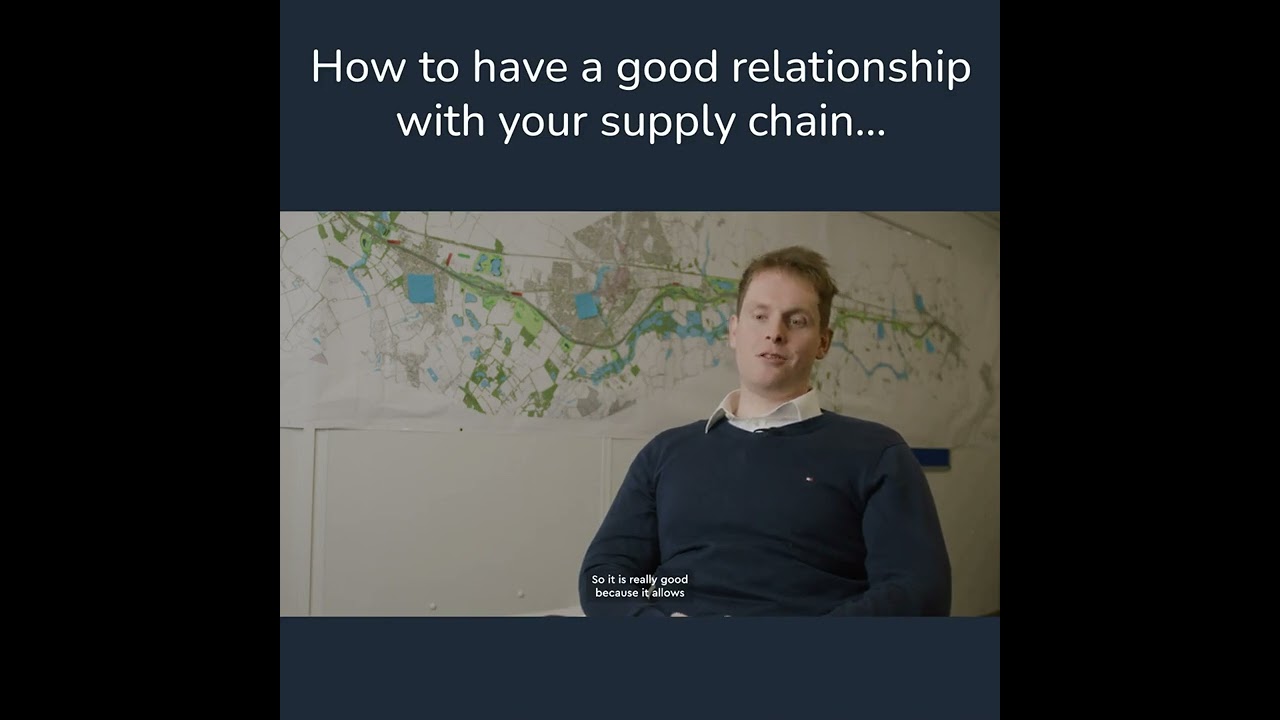
All the major subcontractors are using Gather to populate their allocation sheets as well. So it allows us with their buy in to make sure that their allocation sheets and information that they're filling in is to the required standard that we need it to be. So it's really good because it allows both parties to be sharing information and nothing's hidden away. It allows the agreement and management of change to be a lot more open and honest, which is one of the key things to having a good relationship with our supply chain.
What the data also does as a commercial team is whilst we're saving on the time to input, we're actually the data gives us leading indicators of where potential opportunities may be or risks may lie. So we're looking at the leading indicators that allow us to manage the process and our decision so that we're looking at prevention rather than cure.
So, as you've heard, Gather has had a huge impact across multiple teams at the A12 here in Essex. Ultimately, it's saving them time on site and in the office. It's increasing productivity and it's providing more accurate and reliable commercial assurances for Costain, their supply chain and national highways.