In this concise commentary, William Doyle MRICS explains why the perceived extra administration in NEC contracts is actually appropriate practice management. He argues that the contemporaneous record‑keeping and incremental estimating required by NEC reduce uncertainty, prevent last‑minute panic over delays and disruption claims, and lead to better project outcomes compared with traditional contracts that often result in prolonged disputes and fading knowledge once the project team moves on.
Chapters
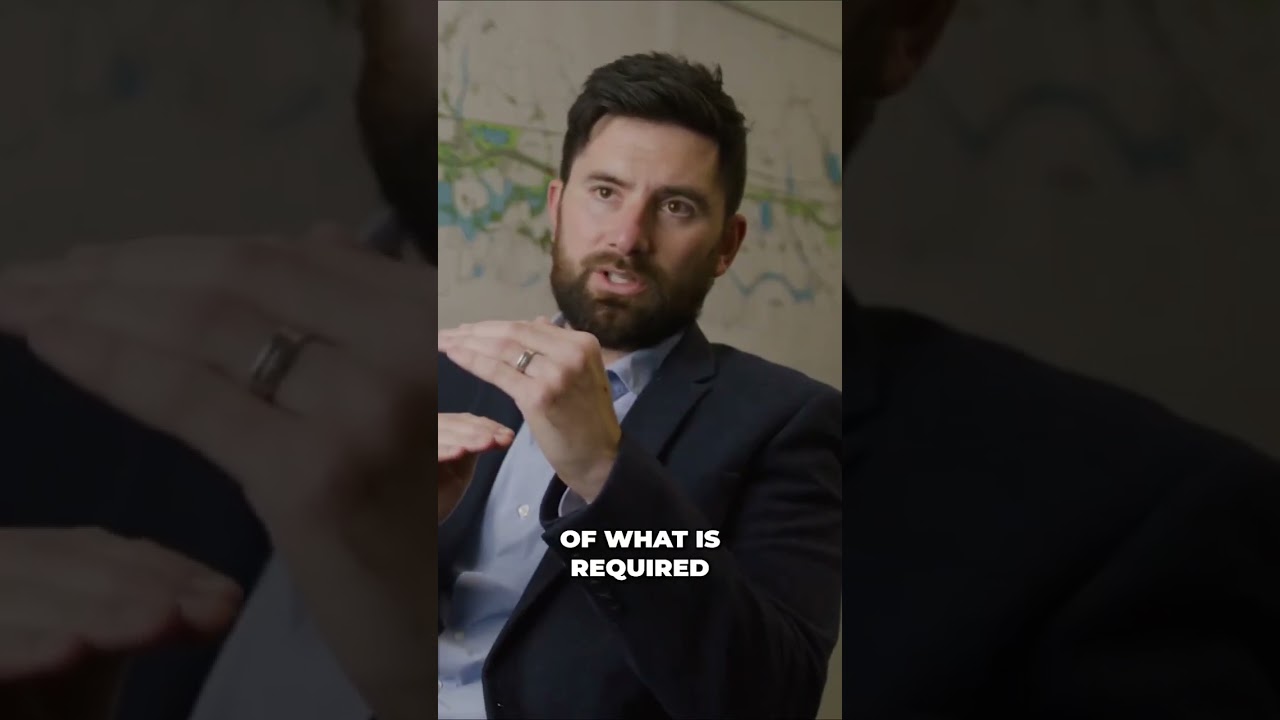
So NEC contracts, yeah, there's a little bit more admin to do as you go. Is it more though? It's probably the right amount, isn't it? It's good practice project management. The payoff is that at the end of the project, you shouldn't have so much uncertainty and, you know, there shouldn't be that last minute panic and realisation, oh no, we're going long. We've got a big delay and disruption claim to wrap up. And when you think about traditional forms of contract, that can quite often go on for years. And meanwhile, the people who have built the project have gone on to other projects. So, you know, facts start to fade, knowledge starts to fade, whereas NEC favors that contemporaneous approach prospectively using the people and the information as it's still fresh. And I think whilst that means a little bit of estimating, we estimated the whole project at the beginning We're just— we're now needing to estimate little bits as we go. I think that's a more satisfactory approach, is going to get us a better project outcome.