How To Train Your New Mowing Employees
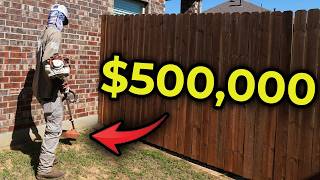
An experienced lawn-care operator coaches a student-crew owner on scaling to $500,000 ARR. Key moves: use a complaints process and post-visit surveys to catch problems early, train new hires on equipment through checklist repetitions with a paired trainer who gets incentives, and hire a sales-focused office manager for spring sign-ups rather than administrative work.
Questions this video answers
$280,000
$500,000
About 120 houses per week
About once or twice a week
About 1,500 square feet
Chapters
We need to know how to change the blade. We need to know what gasoline goes in that piece of equipment. We need to know how to stripe the lawn properly. We need to know how to do exterior passes. These are all like key checklist things that on day one, they must master. Anybody gives you anything but a five star, I would get on the phone with them and just say, hey, like why just really dig a little bit deeper to help build a better process and a better system to deliver a five star service every single time. To get to 500,000, the only thing that matters is sell, sell, sell, sell like crazy. Specific questions do you have on those things help you out with.
Okay, perfect. So yeah, the biggest thing with the churn and the lifetime value, it's kind of just like my second year, like really doing this full time. So I don't really have that much data, but I just want to kind of. So I'm not entirely sure what my numbers are currently, but I want to know kind of what are the biggest things you do to kind of improve stickiness and to like make sure that your churn is as low as possible, Whether it's through things like contracts, through things like communication, like all these touch ins keeping clients in the loops. Like what are your biggest things that you do that you found to really improve lifetime value in churn?
Yeah. Okay, so, so lifetime value is so, so these are kind of two separate things, right? So lifetime value, just to kind of break that down. So that's like how many, how, like how many services are we going to do for this customer? How much money are they going to pay us for those services and can we upsell them to additional services to again increase that lifetime value? As far as churn goes, those, those are the kind of the customers leaving kind of out the back door. So, um, it's kind of a two part question here. So are you asking like how to retain the customers as long as possible or are you trying or asking how to maximize a lifetime value or both?
Okay, so yeah, it would just be more so just like so that they stay for the longest period of time as possible.
Okay, cool. All right, so that's, that's easy enough. All right, so as far as like reducing churn, one of the biggest indicators to reduce the amount of customers that are leaving out of the back door is really monitoring kind of complaints, callbacks, yellow slips. That is the, I believe, number one reason why your churn will be high if, if it is. So I think getting that under control, it took us many years to really dial that in. Are you on the yellow slip process or system?
We don't, but we do take it, like, we do take complaints very seriously. Like, it is something that, like, we address, like, right away. I always tell my guys to, like, really take their time in each property. Leave it absolutely perfect. We don't really get that. That many complaints with the cutting. But one thing I do find is just people don't stay for that long. Like, we don't have a minimum number of cuts you need to. To stay for when you join, and we don't lock them in for a set period of time. So I. I'm not sure if it's just people only join with the intention of only staying for a few cuts or just staying for, like, that one or two cuts if they're on vacation or just they realize it's just a bit too expensive for them. So that's why I'm not too sure, like, if there's, like, how you would approach that if you lock people in for. For the whole season or if you just have a minimum number of cuts or how you approach that.
Yeah, we. We don't do any contracts with our companies, and that's intentional. When I'm selling a customer over the phone or our salespeople, we tell them, like, we do that on purpose because we want our quality to retain our customers, not a written agreement. And so that gives them more reassurance on, like, we are the quality company around. When I first started the yellow slip system process, we would. We would have it where our crews sometimes, like, we would get like. Like in. In a week, sometimes like seven or 10 complaints out of all of our crews, which at the time we had like, maybe four trucks going out, which actually is a lot, by the way. Like, that's. That's a lot. So do you know or have the data on how many, like, callbacks you guys get a month or per week? Like, in the cutting season?
I would say about once or twice a week. And we were cutting over 120 houses a week.
Okay, that's pretty good. That's pretty good. So it doesn't sound like there's a huge quality issue. The next phase of kind of reducing the churn would be setting up some kind of feedback survey to the customer so that way you can get that real valuable information. One of the things we just implemented recently was upon a visit completion, it basically texts the customer and says, hey, can you take 30 seconds to give us a feedback review? And I think there's like, maybe two or three questions on it. And it just says like hey, how rate your service one out of five and ideally anything below like a three, like we definitely need to address and like figure out even, even a four. Like if they give us a four out of five, it's like what could we do better? And then what we do is we have kind of like a cool down thing so it like it doesn't reenter the loop again until like three or four months later. But that. And, and we're already seeing some customers kind of give us some feedback internally to where they're not like expressing it on Google. They're not you know, even like sending us an email about it. But it gives them that opportunity that it's like hey, we value your feedback, we want your feedback. If there's, if, if this wasn't a five star service, please just let us know. We want to use this to train our crews and get better. And I think if you set something up like that in a very kind of casual way where it kind of goes out maybe two or three times a year because it. Cause the seasons will change too. Right. You know, in the spring you have a lot of like tall grass and then in the, in the fall or winter you're going into winter services. So it's a different service. So you do want that feedback on different seasonality services. But building something like that would I think definitely give you that valuable feedback. And then if anybody gives you anything but a five star, I would get on the phone with them and just say hey, like why? You know, and just really dig a little bit deeper to, to help build a better process and a better system to deliver a five star service every single time.
Okay, okay, perfect. And then in terms of like communication like what do you guys do to like really make clients feel in the loop and feel like while this company their communication just on point as far as communication goes.
So we always do a text and email whenever there's a. So for our mowing service we, we're just there on a set day. We give them like hey, you are on our Tuesday mow route. So we don't really tell them because in the summer we're weekly weed control services and landscape projects, Bush and bed services. Those ones we do text and email the customer to let them know that we're coming out. We do on the initial onboarding process which is the very most important thing we do send them a text and says it basically says hey, our goal here is to provide five star quality services. If the service is not satisfactory, please let us know. We can put special notes on the visit tailored to your specific property. So we encourage you guys, let us know if you want us to. We need the stone, you know, walkway or do something special. We can do that. We always send a policy and fee email when, when we onboard a customer and then we also do a watering recommendation. Every customer is like, when should I water? How much should I water? Like just giving them everything that they need to kind of answer all their questions initially up front showcases that you are the quality company that's been doing this for years that know exactly the questions of the customers. Kind of help set you apart for that. So we do like notify them of like when to increase watering as we go into the drought season and stuff like that. I'd say for the most part that's covers probably most of the communication. Okay.
And for the projects, do you give them like a day and time that you'll be there or do you kind of keep it more general?
Yeah, we, we keep it real general. We just say, hey, we're gonna, we have you on the schedule this week. And we do that intentionally because those are kind of the jobs that we float around. So like if our crews, you know, we always tell them, hey, the mows are the priority because we give them a set day. If you can't get to that, you know, one or two landscape job at the end of your route, no big deal. We just tell them we have all week to do it. Now there's maybe like 2 or 3% of customers that, that text us back and they're like, I need a hard date. And then we'll, we'll make sure to kind of give them a hard date and then we'll put it in the title of the job. That way we make sure it gets it done on that day. But honestly, like 95% of customers, they don't really care. They just want that confirmation, hey, you're on the schedule this week and it will be taken care of.
Okay. Okay, perfect. And then in terms of the training, one thing is that we're a student based lawn care company, so everyone on the team are students. So most people who come, they're only really on the team for like one to two, maybe three years at most. Just because they're going on to do something with their degree. So really just want to get your input on how you would structure that training and hiring system. Like obviously I'm going through your, your school and like a big thing you stress is the automation So I spent quite a bit of time trying to set that up. So like the initial stages of the recruitment are really automated, but in terms of like more of the hiring and like how you would structure that to be really intensive right off, right off the bat. Like what would, like how would you kind of approach that situation?
So like, I guess so, if I understand the question correctly. So you're just, you're asking like how to streamline the process as quickly as possible to get that person up to speed and efficiently and quality to your standard as quickly as possible, right?
Yeah.
So what we always do is we start off with the kind of more most basic service which for us it's mowing. And so that is the service that we will train them on first. And so the way that we structure our training so we pair them with a trainer in the company that generally is someone that we want to duplicate or model. So this is going to be your maybe go your right hand man that's been with you for a couple of years, never gets complaints, never has customer problems, always gets his route done in a really efficient manner. Okay, that's going to be our trainer. And so that's because that's what we want to duplicate. And then as far as like the actual training days, I would build some kind of process for that. So like that you can hand off to the trainer and say, okay, on day one, what they're going to do is they're only going to do one piece of equipment because we're not going to move forward until they master that. And so let's say for example, on day one, we're going to put them on the mower. Cool. Okay, we need to know how to change the blade. We need to know what gasoline goes in that piece of equipment. We need to know how to stripe the lawn properly. We need to know how to do exterior passes in the backyard before we start striping to give us enough room to turn. Like these are all like key checklist things that on day one they must master. And so, and then all day, even if they get done early, they're not going to. I mean, maybe they can grab the blower if they wanted to help out with that. Cause that's kind of easy. You just blow. But like, I don't want, you know, I wouldn't put them on a weed eater. I wouldn't put them on the edger and so, and I wouldn't graduate them until the next piece of equipment until we know that they mastered it. So if they came out on day One, and they were kind of struggling a little bit. I'd say, hey, we're gonna, we're gonna do another half day on day two with the mower until you fully master that before we go on to the weed eater. And I think that'll help get you what, what also happens too. Cause, like, this isn't rocket science mowing lawns, obviously, but. But there is techniques and repetitions that is required. So I think they say it takes 21 times to build a habit. And so even though you can tell somebody how to mow a lawn until they have done it, like, you know, a few times, like 7, 10, 12 times till they really master that. And so that's why we do it all day. They're just on the mower getting all those repetitions in. One of the best pieces of advice I ever got from my mentor was this. Only take advice from someone who is already where you want to be. And that changed everything for me because I became very selective on who I took guidance and advice from. Now my business partner and I are coaching and mentoring other home service business owners just like you, who are wanting to grow and scale their business. So if you're wanting to get to where we are at, click the link in the description below and join us.
Okay, perfect. And then so this trainer, like, is, is it typically just like she said, it's someone that would model that for you. If I, if I were to have multiple people that I need to train, like, let's say I have four or five cutters, would you recommend having multiple guys with one trainer, or would it be better to do it individual and just like myself?
How, how big are your property sizes?
They're pretty small. Like, they're typically around 1500 square feet.
Okay. Yeah. At that scale, with it being so small, because it's basically the same model as ours. I would not recommend having three or more people on a truck. It is extremely inefficient. Labor is the number one most expensive line item on a P. L. And the last thing you want is like three guys in a truck mowing a lawn that honestly takes 20 minutes for one guy. Because you're always going to have one or two guys just standing around. I would. In that scenario, you would have multiple trainers. Now, ideally you want your, like, main guy to be the trainer, but sometimes spring rush, you know how it is, you just got to get the people trained up. And so we will have multiple trainers paired with individuals, but I would also incentivize the trainer. So, like, for example, let's say, hey, you're going to be paired with Andrew this week, right? And Andrew, if you're training this person and they get through training and that next week, let's say they go out by themselves for the first week. If they don't get any complaints, I'm going to give you a $50 bonus. Andrew, because you trained him well. You showed him how to go around the irrigation caps, you showed him how to not damage fences. You showed him all the techniques and tips and tricks to be efficient. I would incentivize that for quality and then also, like, efficiency, too. If you're on P4P. If you're not, I would recommend that. But. And then. So you can kind of incentivize a trainer that way as well.
Okay. Okay, perfect. And then kind of the biggest hiring hurdle I think I'm going to have this year is I'm going to be hiring an office manager kind of just to do all the admin work and to pick up all the phone calls. So what would you recommend? Like, how do you think I should approach that? Like, what should I look for in terms of experience? What should I kind of avoid? And also, like, personality.
So before I answer that question, what. What is your. What was your. What's your projected annual revenue this year?
So. So this year, hoping to do 500,000.
Okay, so you do 500,000. So next year.
Oh, no, sorry. Next year I want to do 500,000. This year was about 280.
280. Okay. Okay. So you want to basically double next year, at least as far as an office. What. How are you handling the office this year?
So I did hire or outsource a virtual receptionist company to help me pick up the calls because during the spring rush, like, especially because we're in Canada, it's super, super seasonal. So, like, there's crazy demand during, like, spring rush. And then it really tapers off. So, like, I had to have someone really help me pick up the phones because I was in quotes all day during the spring. So I really just need someone primarily to pick up the phone and to deal with, like, emails, texts, and also Facebook ad leads that are coming in to just call those right away and then also just have them deal with the scheduling. So really just like, put give me more time on my hands.
Are you looking at, like. Like, what. What was your strategy? Or, like, what do you. Are you just looking at, like, hiring someone local for that position or.
I'm not too sure. I honestly was just gonna go outside of the student realm and Just hire someone who is a bit older and can work remote. I was like, I'm willing to pay pretty good salary, like quite above the minimum or what the average is. Sorry for that position based on the market. Just because I feel like it's definitely worth the money that I'd be paying, especially if they're going to be calling my Facebook leads right away. But I just wasn't entirely sure how to approach it.
So there's kind of three different ways, three things that you can kind of tap into. But maybe, maybe for you it'd probably be two if you don't have like. Because you probably don't have like an office or a shop space. Right. So you said it would be kind of like more remote.
Yeah, because we just have a yard.
Okay. So the, so the two to two things that you could kind of tap into is either a, you can hire someone locally, get them trained up maybe in the first 30 days, whether that if they come to your house, get them trained up or you know, what, what, what have you, if that's a possibility. Or you could look at, actually I guess you have three. You can look at like a VA virtual assistant overseas, much, much reduced cost there. Or you can also look at again doing which is kind of the band aid on this. But what you did this year with the virtual receptionist company that answers the phones we just went. Are going through this process of like our admin costs are extremely inflated at a $500,000 business. Just off the top of my head, if you're doing pretty much basic lawn and landscaping services, I think that you'll definitely need somebody for probably maybe six to eight months, may maybe even less if you're up there in Canada. I don't know if that, if, if you. I, I don't think I would recommend that you keep them full time all year otherwise it's going to crush your profits.
Yeah, I was just going to be, it's just going to be six months because we only really do work for six months of the year here. Like the weather doesn't allow for more. So I was going to do like a part time posting 6 month position and then a really nice bonus at the end if you complete the full six months.
Okay, cool. That makes a lot more sense to me that way you cut down on overhead. Okay, so let's talk about hiring. So for sure, right off the top of my head I would find somebody. The fastest way I'm learning this, this is one of the things I'm learning. The fastest way to get to where we want to go is to find somebody who's been there, done that before. So ideally we want to find somebody who has done outbound sales call calls, Especially if you're getting these inbound leads through Facebook ads or whatever and they have to call. Like that kind of individual has a different mindset of like sales. If you can incentivize them based on like the number of reoccurring customers that we sign up, I would heavily do that. Like maybe you give them some kind of base pay and then for every sign up. So like, for us, I just know like we, dude, we sign up. Like me personally, I'll sign up like 8 to 10 people a day in the spring rush when we're, when we're like really in the, in the meat of it, like for like two months, every single day, I'm signing up eight to 10 people over the phone. And so like, if you can give them some kind of incentive, like maybe like 10 bucks per customer, they sign up to get an $80 bonus every single day for like pushing sales. And that's what you want is to grow the location and get all those reoccurring customers in. So maybe kind of build some kind of like base pay of like, hey, if the phone never rings, which won't happen, but if the phone never rings, this is at least you're locked in here, but you have the ability to make way more if you perform well with the job. Yeah, I, I would, I recommend that. And then ideally, like somebody that has the experience before someone that has, has worked in an office that has worked ideally in both inbound and outbound sales, that, that has experience, it's going to take a lot longer. If you find somebody that doesn't have that experience and you have to hold their hand the whole time and kind of train them. It'll go much smoother if you find somebody with, with the experience.
Okay, so you would recommend more sales experience over like customer service experience for sure.
In the spring rush? Absolutely. Okay, absolutely. Because really, like even like when I look at our, our market like for two months, like it's just straight. Actually probably like three. It's straight like sales and then after that 90 day window, then it shifts to more of like kind of customer service. In the meantime, to kind of set you you up for, for that, what I would do is really kind of think through your SOPs or the way that you're really going to hand this off. Right. Like, do you have, and if you don't have this, I would recommend to get it or try to like recordings of you talking to the customer or, or going through your sales pitch of like, you know, clearly defining like the services you offer versus the services that you don't offer. And that way like when the time comes where you do decide to hire this person, you have a clear understanding or they do of like exactly what is required exactly the services you guys offer and like how to really do their job. Like how to add a lead to the CRM, how to send an estimate, how to map out a property. These are all small sops that you would want to kind of build out like half page sop. Make it very simple. If you can have like a loom recording of you like actually doing it with walking through like two, three minute video. So they, that way they have the text and they have a, a reference video so it makes the handoff way easier instead of you having to hold their hand the whole time.
Okay, perfect. That sounds amazing. I'm not sure if I can't remember if this call was 20 minutes or 25 minutes or if you gotta go, but I had one last question. Kind of like knowing what you know, like I know it's pretty limited about like my business so far and like in terms of like growth and scaling and building a business where like you can really call it a business as opposed to a job and like getting yourself off the field. Would you recommend I really focus my attention on over these Next, let's say 12 months. And what would you say yes to? What would you say no to?
So until you get to 500,000, literally the only thing that matters is sales.
Okay.
Next year as you just, you're going to do 280 this year. So next year where I would like for you to be, if I could paint the picture because you're literally in the same spot as my second GM who's building out her second location. This is exactly what I would tell them. Do you do mowing? Like what are your higher level jobs? Is it like do you do sod?
Yes. So I do. This upcoming year I'm just going to do three services. Sod, mowing and weed control Mowing. If it's for the season, it's typically about a thousand to twelve hundred. And then for the sod we have an average ticket of two thousand.
Okay. And then I would imagine the weed control is pretty profitable too.
Yeah, very profitable. But it's typically around 300 bucks a ticket.
Okay. As you transition into the next season, I would identify somebody ideally on the team that can Be maybe your trainer. And so you know, to me mowing is easy. It's very easy to hand off the mowing service. Your time next year will be best spent doing drive by estimates or meeting the people in person. But if you can do more drive by, you'll be able to crank out more estimates. So doing drive by estimates, selling, calling the pending estimates constantly like twice a week. Every single one that's in there in the pending queue that you sent an estimate to needs to be called twice a week. Doing those higher level jobs of like the sod and then the weed control. I would say, personally I wouldn't like like unless you're like training somebody to be the trainer, like I would say. And unless it's like early, early in the spring where you're like really, really getting a couple people in to train up on mow, like you don't really want to be doing the mowing service. Out of those four categories of the mow, weed control, sod and estimates, the mowing is the least lever activity that you get the worst return on. Yeah. So I would delegate that task as quickly as possible and it's okay like early spring rush if you need to like train one or two guys, but then like have those guys that you train be the next trainer so that way you're not having to dip down back into the field and you can really focus yourself on really selling what, what software do you use?
So we use Jobber.
Do you have a text capability through Jobber?
We do, but this year I just set up a whole automation with Calendly and Zapier. So as soon as they sign up for a free quote or we book them in, they'll get a like emails text with dsls. We're also going to call them to qualify them, give them a rough budget. So this way when I actually show up, I'm not wasting my time because this past season I did like 4, 400 quotes in the span of like 2 and a half months and it was just like yeah, it was crazy. But like I only, I only sold for like two and a half months of the year. I was just too burnt out after that. So I really just want to qualify. Like I know the sales portion is not going to be too, too difficult because I have like my marketing. The return that I have on marketing is pretty good. Like right now we're at a 28 to 1. But I just like more so just like worried about managing the operations side and also the admin side.
Yeah. Because that's going to be a lot to you because you're going to have to kind of train. Train the office person too. If you are planning on getting someone in the office, I would normally start that probably a couple weeks before the spring rush to kind of get them in there kind of trained up. So that way you can kind of shift your focus back to the operations. Does Jobber have the capabilities of sending a mass text out?
No, but I can, I can do that through. Through automation. Like I can put all my export all my contacts and then send them like either email or text.
Okay. What I would recommend especially with like the sales process. So what we do is we. We do a monthly upsell every single month. This is part of the driving the sales constantly. So like just be. Be very mindful and careful with your time next year to not get sucked into more of like the operational side of like doing the jobs. I would prefer you to be more on the sales side. And so if you could. If you could do sales like two, maybe three full days a week, and then maybe you're in the field like two days a week like doing weed control or like sod, that would ideally, I think, drive your business the fastest. I don't think there should be any reason why you can't hit 500k with good execution and marketing in the spring rush if you're solely focused eight hours a day on selling, calling, pending estimates, doing estimates, sending out monthly upsells and just like really driving sales constantly, like to get to 500,000. The only thing that matters, which we train our GMs is sell, sell, sell. That's it until you get to 500,000. Then, then we can shift to like, okay, now let's optimize. We need to create maybe sops on like the operational side and, and stuff like that. But yeah, it, it really is like I would drive sales extremely hard and sell, just sell, sell like sell like crazy.
Okay, perfect. Thank you so much. This has been like, incredibly helpful. I really appreciate the, the advice and the insight.
Yeah, absolutely, man. And yeah, I appreciate you joining the community and everything. And like I said, I'm confident being inside will. Will. Will absolutely grow your business. So we, we are definitely glad to have you.
It's helped a ton already. Like, I'm honest. Like anyone I know that like is in any kind of home service, even remote to landscaping, I'm always just telling them like, hey, listen, you got to check out this school group. It's like incredible content. I'm always trying to spread the word. Like you guys have amazing stuff in there.
Yeah, absolutely. And by the way, today, I don't know if you saw on the forums, I just uploaded the applicator training course inside of there, so. Which is cool. I know you're already probably a licensed applicator since you're doing we control. But what's also cool is like we use that training especially early on to like train our new applicators that are kind of coming in that need to understand the basics and stuff. So not only can you tap into that resource, but you can also have your team watch it as well, which is, which is kind of cool to kind of get them trained up as well.
That's true. Yeah.
Cool, man. Awesome.
Appreciate you taking the time and hope you have a great rest of your day.
Absolutely, man. You have a great day.
Thank you. Take care.
I'll see you.








