Why It's BETTER To Hire With LOW Revenue!
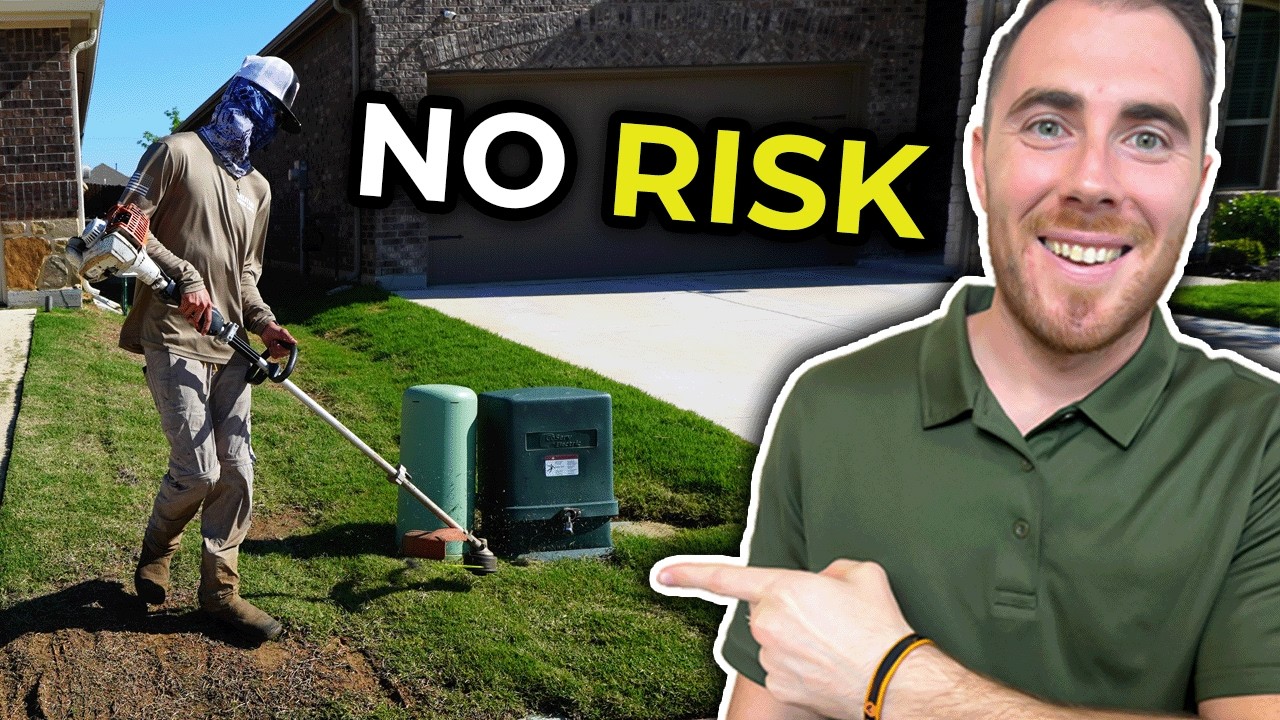
Will Kelly of Military Lawn Cuts walks through a five-step hiring formula that shows why low revenue is actually the right time to hire. The math: define billable hours, set a target per employee (around 30 hours in steady periods, 25 in summer), allocate the owner's hours first, generate upsell work from existing leads when hours drop, and assign new hires basic tasks so you can focus on sales and estimates.
Chapters
Jordan's revenue just fell from $20,000 in May to $24,000 in June, down to $12,000 this month. And he's asking me if now is the time to hire somebody. You see, most owners would freeze right there. Revenue is dropping and you want to add another paycheck to the payroll? That sounds backwards. But I'm about to show you why Jordan's instinct is actually right and why the fear stopping most of you from hiring has nothing to do with the real risk sitting in front of you. I'm Will Kelly. I run Military Lawn Cuts. I'm a co-founder. We have 3 locations across North Dallas-Fort Worth area, and we're closing in on 25 5 team members. We are one of the fastest growing lawn care companies in this region. We are not stopping at 3 locations. We are building towards 10+ locations, all in the local Dallas-Fort Worth area. And I'm about to walk you through how we run this exact math inside of our own company. You see, every single week on our own schedule board. Jordan sent this question through my Google form. That form is completely free. It's linked in the description below, and it's open 24 hours a day, 7 days a week. I read every single one that comes in. If you're building a mowing business right now, side hustle or full-time, and you've got a question sitting in the back of your head, drop it in there. I will answer it, and there's a good chance and may turn it into a video just like this so it helps you and everybody else stuck on the same problem. Here's Jordan's situation. He is currently sitting at $12,500 a month in recurring revenue. He has 40 budgeted hours a week on the schedule, one full-time team member. He just added a second truck and he's weighing whether to bring on a part-timer so his two guys can knock out Mo's three days a week, which realistically would free his full-timer up to help him with projects the other two days. His real question is this: does he hire now to free up his own time for sales and to grow top line, or does he play it safe? By the end of this video, you're going to know exactly how many budgeted hours you need before you bring a new team member onto your team. Who gets first pick of those hours when your schedule gets tight and the very first task you hand off a new hire the day they walk in so you can actually get off the mower, out of the truck, and go make more money. So here's the reality. Jordan thinks that the problem is risk. He thinks hiring at 40 budgeted hours is a gamble, that if he can't land new recurring customers this summer, he wipes out his profit heading into the winter. That is not the real problem. The real problem is Jordan doesn't have a formula yet. Once you have the formula, hiring stops being this gut decision, it starts becoming math, and math doesn't get scared. Early on in my career, I didn't realize how much data mattered in making decisions. My mentor Mike Andes talks a lot about data-driven decisions, and this is realistically exactly what we're talking about. We need the data in order to understand what decision we need to make. So let's build the formula. First, understand what a budgeted hour actually is. It's a billable hour, time on the schedule a customer is paying you for. That number tells you how much work you actually have, not how much work you feel like you have. You see, most owners are running their business off of feeling. Stop doing that. Pull up the schedule and count the real number. Second, know your target person. At Military Lawn Cuts, we run close to 30 budgeted hours per person per week when things are steady. But in the summer, we run leaner on purpose, close to 25 budgeted hours per person. Now, why would we intentionally give our team less hours than they could handle? And the reality is, is because summer is when call-offs happen, heat exhaustion happens, somebody quits without notice in the middle of the busiest month. We build in margin on purpose before we need it, not after. We would rather be slightly overstaffed than get caught short with a stack of mows and nobody to get the routes done. Now put Jordan's numbers into that formula. He's got 40 budgeted hours per week currently. At 25 hours per person in the summer, that's room for 2 full-time team members with margin left over. A part-timer working fewer hours than a full-timer fits into the math even easier than a second full-timer would. Jordan is not over-hiring. He actually has room to spare. The fear he's feeling isn't coming from his numbers. It's coming from never having run this math before. Thirdly, and this is the part almost nobody teaches you, you have to know who gets the priority of the hours when the hours get divided up. You see, the owner or the general manager always gets first pick every single time. Why? Because they're usually on a fixed salary. That means you're paying them whether they run 10 hours that week or 30. They're the most invested person in the business, and they are the most expensive fixed cost that you carry for the business. Their hours get filled first because their paycheck is the one getting covered no matter what happens. Whatever hours are left after that, you disperse to the rest of the team. Fourthly, know exactly what to do when the hours run short. This will happen in the summer. It happens to us too. When it does, you don't panic and you don't sit around waiting for new customers to magically show up. Down here in Texas, and in most markets, by midsummer, brand new recurring mowing customers are not signing up anymore left and right. That well slows way down. So instead of chasing the brand new signups, you go back to the leads and customers you already picked up in the spring, and you start to send mass texts and emails offering bush trimming, bed cleanouts, one-time seasonal work, maybe mulch. That is where your cost to acquire a customer is the lowest because the relationship already exists. Those upsell projects won't fill your schedule for months. They usually run hot for a week or two and then taper off, but they keep your crew full and your revenue moving while you figure out your next play. And if the hours aren't there for everybody that week, you call off the extra person that day. That is not failure. That's just running the math correctly instead of guessing and hoping. Fifthly, which if that's even a word, this is where hiring actually starts paying you back. The moment somebody new joins your team, whether it be full-time or part-time, hand them the most basic tasks in the business immediately. You see, mowing is not rocket science. Weed eating, edging, blowing— that's where a brand new hire starts day one. That's also the most physically demanding work when you're out on the truck, which is exactly why it needs to come off of your plate, not last. Every hour you hand off on the mower is an hour you get back for the work nobody else on your team can do yet. Sales calls, estimates, talking directly with your customers, quality checks that make sure that what's going out the door actually matches what you promised. And once you've got that time back, that's when you start layering higher paying, higher leverage services, landscaping, weed control applications, the work that actually moves your profit margin significantly higher and top line increased instead of just keeping the lights on. That is the whole formula. Know your real budgeted hours or quote unquote billable hours. Know your target person. Give priority hours to your fixed costs first. Generate extra work from leads you already have. Instead of chasing new ones when things slow down. Hand off the basic labor the day someone new walks in the door. I want you to actually run this math on your business right now. Drop it in the comments. How many total budgeted hours do you have on your schedule this week? And be honest with me, who is actually getting first pick of those hours right now? You or whoever happens to be standing closest to the truck. Jordan does not have a risk problem. He's got 40 budgeted hours, room for 2 full-time people by the numbers, and a full-timer already covering 3 days of mowing on his own. Adding a part-timer is not the gamble here. Staying stuck on the mower instead of outselling and writing estimates That's the actual risk to his growth. Run your numbers this week. Find out exactly how much room you have. Then go take that hour back and focus on the highest leverage tasks in your business so you can grow top line and increase that profit. Guys, thank you so much for watching. Jordan, I hope this really helped you establish some kind of formula of when you should and shouldn't hire, as well as help other people. Smash the like button if you guys found value. Make sure you subscribe to the channel because you're not going to want to miss the next video.








