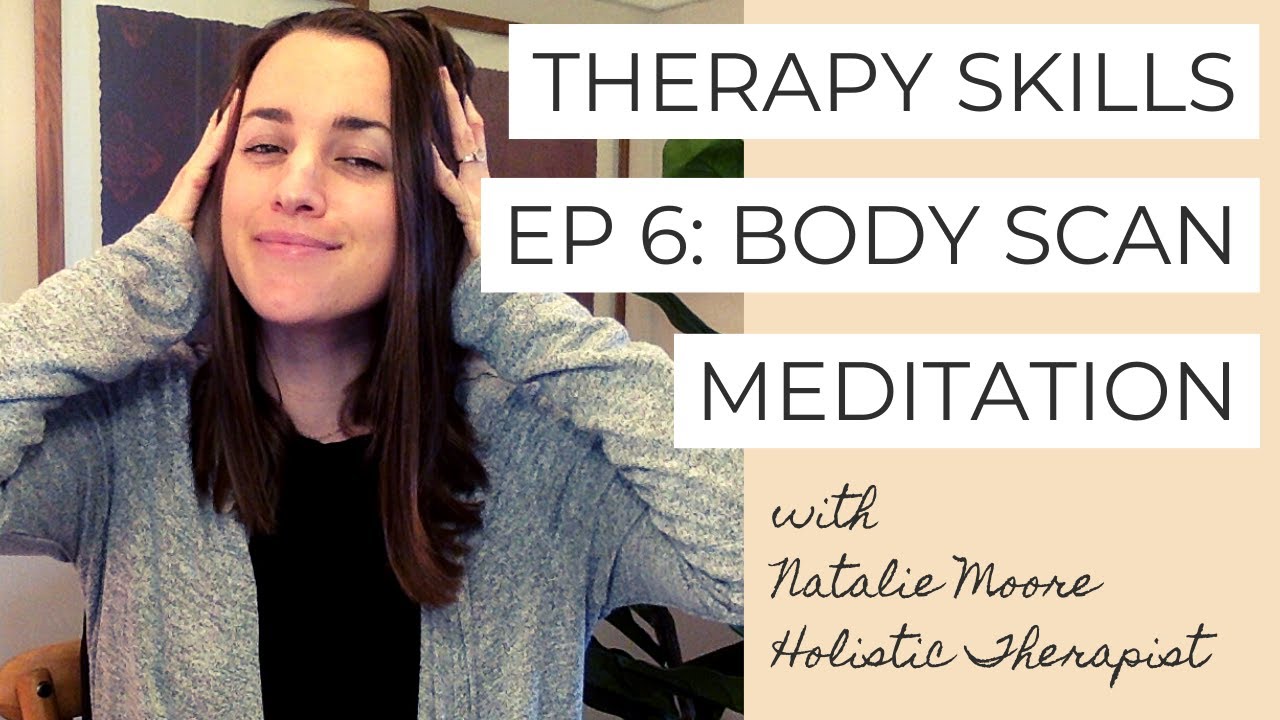
Natalie Moore, LMFT, explains the Buddhist equation pain × resistance = suffering and shows how it works in physical and emotional situations. She teaches mindfulness and acceptance techniques to reduce unnecessary suffering, with practical examples you can apply right away.
Chapters
Pain is inevitable, but suffering is optional. Today I'm going to talk about this concept within Buddhist psychology. Hello there, this is Natalie Moore, Licensed Marriage and Family Therapist. Welcome to day 5 of this series. If you've not checked out days 1 through 4, I highly recommend you go back because I am going through all of the first skills and techniques that I teach clients when I start therapy with them. Today is day 5, and I am going to talk about a Buddhist psychology concept called pain times resistance equals suffering. I got into therapy because there's no math, but this is the one equation that I bring into my work a lot. Sorry, I crack myself up. Let's start with the basics. Pain is inevitable. We're going to experience physical pain and emotional pain as we go through life. There's always going to be those things that happen that are unexpected. One thing that tends to happen with humans is that when we experience any form of physical or emotional pain, we try to push it out of our minds and out of our bodies because it's unpleasant. But there's this tricky thing that happens where when we resist the physical or emotional pain that we're going through, we actually create something else called suffering, which is when we feel so much worse after resisting physical or emotional pain. If you have to go get a shot and you go to the doctor's office and you're resisting it, your whole body is going to be tensing, your heart is going to be racing, and that shot— you're going to experience so much suffering with that experience. Whereas if you had the mindset of, you know what, it's just gonna be a second of discomfort or pain and it's just gonna be a pinch, it's gonna be over in a millisecond, and you're just more calm and relaxed and accepting of that, you still feel the physical pain of that needle going through your skin, but you don't feel all of those added layers of suffering on top of it. So let me give you an emotional example. So one thing that can happen is, let's say we screw up, we make a mistake at work, we accidentally hurt someone by saying something we didn't mean. We feel the initial pain of shame or guilt from messing up or doing something wrong. But then instead of just making space for that emotion and letting it move through us naturally, we resist it because we don't want to feel that discomfort, and we make it so much worse. We add layers of suffering to it. We tell ourselves we never should have, you know, taken that job to begin with, we were never qualified for it, or, oh, I never should have opened myself up emotionally to that person and told them what I really felt, there's something wrong with me, right? We add all these layers of self-criticism, and we think about all the ways we could have avoided the pain to begin with, or all the things that we can do to avoid future pain. But I laugh because that doesn't work. We can't avoid pain. But what we can do— and here's the good news— what we can do is we can eliminate unnecessary suffering from our lives. So how do we do that? In that equation, we can't get rid of the pain, but we can minimize the resistance to minimize the suffering. So how do we minimize resistance? This is where acceptance comes in. This is where mindfulness practice comes in. So mindfulness is bringing a non-judgmental awareness to the present moment. It's observing thoughts as they come in. It's feeling the emotions that we feel. It's noticing the body sensations we experience on a moment-to-moment basis without judgment. So I'll give you an example of how we can do this. So let's say, for example, you make a big mistake at work and you're feeling guilt and shame about it. Instead of piling a bunch of suffering on top of that or resisting it, you can just feel the emotion. You can notice, wow, when I feel guilt or shame, it feels like my chest is caving in, or I feel like I'm getting crushed, or I feel a heaviness or a darkness. Maybe I feel tense in my stomach, or like my stomach is gurgling. You can just feel into that emotion, feel into that body sensation, and remind yourself that this is a temporary emotion. It's going to go away eventually. It doesn't have to mean anything about me. It's just something that I'm feeling right now, and I know that I will be able to move through it because I'm a strong resilient human and I get through everything difficult that I go through. I hope you enjoyed this video. If you have any questions, please leave them in the comment section below. Happy to answer those. If you have any video requests, feel free to leave those there as well. I love making mental health videos and making this information as accessible as possible for people. If you really enjoyed it, please like, subscribe, share on social or with your friends. I appreciate you helping me get the message out. Lastly, I am a licensed therapist in California, and I provide telehealth therapy to the entire state of California. So if you are a Californian and you want therapy, you can request a free 15-minute phone consultation at my website, which you will see on the screen, and I'll provide a link below as well. So I hope to hear from you. Until next time, be well. Bye!