Episode 23 How to Start a Podcast
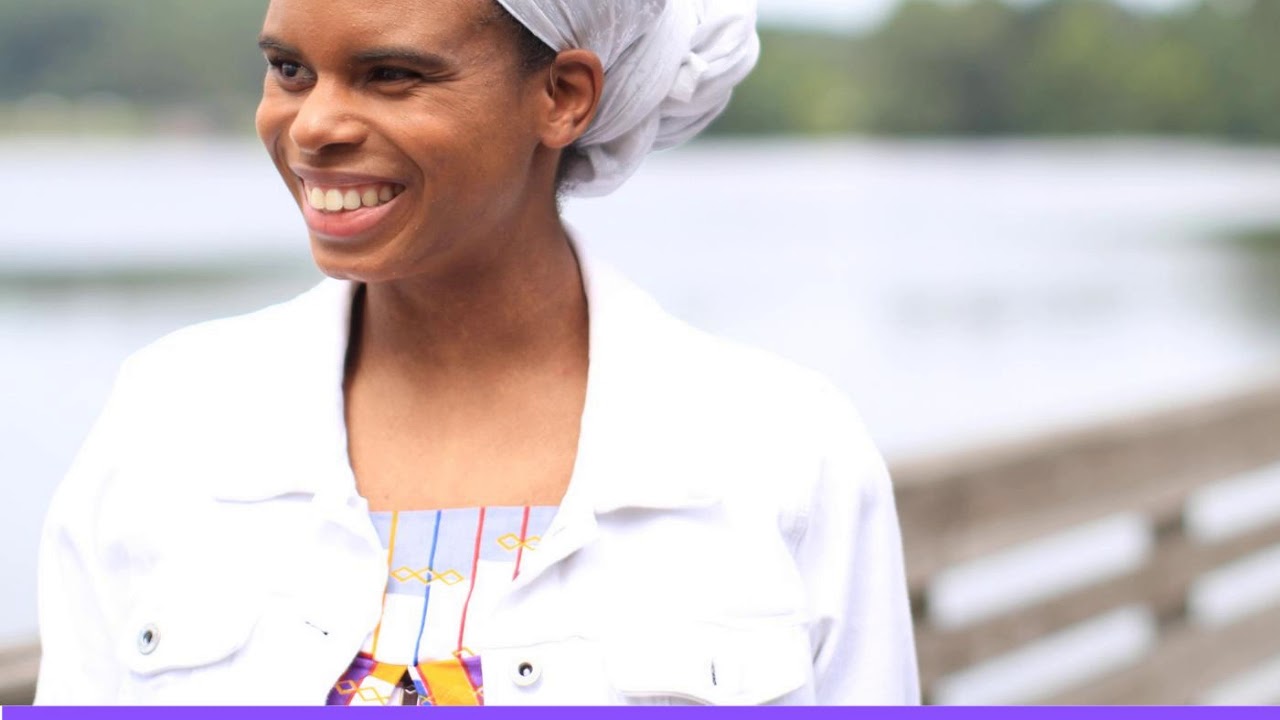
Zaakirah Muhammad walks through launching a podcast, from fighting imposter syndrome to choosing hosting (Libsyn, Anchor, SoundCloud) and recording gear (GarageBand, Zoom H1/H4n/H6). She covers repurposing blog or YouTube content, writing show notes for SEO, and surveying your audience on where they listen.
Chapters
My name is Zaakirah Muhammad, and you are listening to the Living Legacy Podcast. This weekly podcast features women of purpose sharing stories of resilience. They are wives, artists, entrepreneurs, they run businesses, and here they will share their stories of how they overcame obstacles and how they're juggling it all. If you're ready to learn about professionalism, entrepreneurship, business, travel, life, and love, you're in the right place. You will hear real and raw stories of survival. Now it's your turn to be inspired to step outside of your own comfort zone. I am a cancer survivor, brand cultivating strategist, world traveler, and a professional photographer. I'm your host of the Living Legacy Podcast. Let's get into it. In this episode, I figured it was time to talk about how I got started with podcasting.
Maybe this will also be the introduction to podcasting for you. So this episode is for you if you have thought about starting a podcast, but it also answers your questions of why podcasting. So you will hear a previously recorded excerpt of my portion of a podcasting conference. I was able to record it and In it, you'll learn all the tools that I use, why I thought it was important to repurpose my content, and why I thought it was important to tell my own story. So before officially starting podcasting, one of my mentors, Nicole Walters, actually started a podcast at the end of 2018. That's when I officially got over the imposter syndrome because 2 years prior to that, I think I've I had been listening to podcasts by ladies or bloggers that I am already inspired by, such as Happy Black Woman. Side Hustle Pro was a blogger too. And then Gold Digger, Jenna Kutcher, after she was a photographer turned blogger, then she became a successful podcaster. So I was inspired by all of these women. And I said, I too want to start a podcast. But then I just let imposter syndrome get in the way. So that took about 2 years. But it wasn't until I saw, you know, Nicole Walters launch it that I'm like, you know what, it's time. There was a point where I literally, I had time to do nothing but heal, nothing but focus on my own health, mental health, emotional health, and even physical health. That's when I launched my podcast. And by that time, after the first few episodes were released, that's when I realized that podcasting is actually my therapy. So funny enough, I had tried, I tried to go to a therapist and she had a, um, She was still a therapist in training. So by the time I wanted to go back to her, her training was finished and she had moved on from that location. And that's when I had the aha moment of, wait a minute, I've been in therapy already. I've been sharing my own story on my own podcast and that's been my therapy. So after that, I started off with, um, then I not only would I Going back to the podcast that I love by Jenna Kutcher, by Side Hustle Pro, by Happy Black Woman, I realized that they all literally had an episode that is called How to Start a Podcast, How I Started Podcasting. So I listened to literally every one of their episodes before officially launching my own podcast. And at perfect timing, Pat Flynn, who I feel is, you know, the The master of podcasting because he literally began when podcasting first began in 2008, when iTunes was just officially becoming popular. And he had a few YouTube videos, free YouTube videos that are still up there on YouTube that basically tell you how to start podcasting, how to really format your questions, format your podcast, make it, you know, the next big thing. And then it was perfect timing that he had a free masterclass. And I learned so much from that masterclass. And I just, I was so excited to start my podcast after that because he too was encouraging that even though there are a million podcasts out there now, yours is unique because your voice is unique. Your knowledge is unique as well as your story. It's very unique. So then came March 2019 and I officially launched the Living Legacy Podcast, which is apparently also something that I had started but let imposter syndrome get in the way because originally I wanted to shine a positive light on the music industry. So if you visit my YouTube, if you just search for Zaakirah Nyar on YouTube, you'll see a couple of Living Legacy videos. And basically I started off with interviewing those in the entertainment industry such as Spoken Reasons. He was a very popular spoken word poet and then turned actor. And then I also got to interview Shanti Das. She's literally an Atlanta-based hip-hop and R&B, Def Jam, you know, LaFace Records, and all the most popular record labels. So that's what she does. So, but then I just started interviewing, and then I— you'll hear it in 2000— I'm sorry, you'll hear it in episode 6 where I talked to Taisha, and she's a music publicist. So the fact that it was all connected It was like an aha moment. A light went off that I'm finally doing— I finally let imposter syndrome get out of my way, and I finally let procrastination get out of my way. So I finally launched the podcast. And so in here, you will listen, you'll learn some tips. Even if this episode isn't for you, you will learn some tips on how a podcast can be started. You can share this episode. Please do share this episode. with anyone who you think would be interested. If you are interested in starting a podcast, this next few minutes are for you. So feel free to skip if this part is not for you. Now, I currently use Libsyn as my host. Host is the same thing if you were a blogger, 'cause you'll hear in the previous recorded session that I'm talking about how it works for when you are a blogger turning into podcasting. So if you were a blogger, or you already have a website, you know what I mean by hosting. So Libsyn is my host. I also tried to start off with SoundCloud and Anchor. So Libsyn was my host, but Libsyn was the one that helped me to get with my RSS feed. It helped me to get my podcast on Google, Spotify, and Apple Podcasts. But because I wasn't sure where people listen to the most, which I definitely encourage you to have a little survey, ask your audience, those of your friends and family who you want to listen to your episode, Definitely ask them where they listen to podcasts first before doing all of that. I started on SoundCloud and Anchor. I only uploaded about 5 or 6 episodes before, one, I realized nobody listened to it. Only like 1 or 2 people listened to it on there. And 2, it was just too much work. I'm now realizing where most of my people listen to my podcast, which is Spotify and Apple Podcasts. The more I check my stats using a program called Chartable, the more I realize that other people use other programs such as Stitcher, such as Cashbox. So wherever they can search for you, technically, you know, your podcast shows up. That is if you use your default RSS feed. Now, if you have an Apple computer, if you have an Apple computer of any type, whether it's a computer or laptop or MacBook, you already by default have an app on there called GarageBand. That's what I use. And it was easy for me, thank goodness, because I have my videography, video editing background. So the only difference is I'm literally just Editing the audio now instead of audio and video. But I still edit videos because I, when I get the chance, I have the recorded video version of my podcast interviews, especially the ones that were not done in person. The ones that were not done in person, I use an app called Zoom. And funny enough, the microphone that I use too, which is another popular question, it's actually like an H—
H4n1.
Zoom, like that company called Zoom as well, but they're not the same thing. So I have an outdated microphone called H1, but they have, you know, it starts with an H. You see the H1 Zoom, H6 Zoom, it starts with Zoom. So you can look at that as far as how to have great audio, because you'll also learn the importance of having great audio. Um, because a lot of people listen to it in their car, listen to it in their headphones while in the gym, but they need to be able to hear you at a loud enough volume and a consistent enough volume. So unless you give them a heads up beforehand that, um, okay, I am recording live from a conference, so it's going to be noisy, um, most people need just as quiet of an environment as they're gonna listen to it in. You may also use Anchor as a way to get started. It is completely free, but of course the problem with completely free is once they do decide to monetize, there goes your content. Um, but it's very easy to use Anchor if you do not have a laptop or desktop that you can regularly use. But it's an app phone, so easily you can edit different parts of your podcast. You can record and re-record different parts of your podcast. You can interview people through Anchor. And I've had, I've been a guest on a couple of podcasts that use Anchor. The good thing is that I already started using Anchor, so it was easy to Be a guest on the Anchor podcast. I just highly encourage if you already have a laptop or you have access to a computer, for example, you have access to a library. Most libraries, you know, have computers. I'm blessed to live right around the corner from a technology engagement center, which I have used numerous times to not only record but edit because they have a room, a great room with foam board that can block out a lot of sound. So I've been blessed to use their specifically a recording studio for the podcasting. Because I also use Acuity Scheduling to schedule the podcast interviews that are not in person. Those are my technical tips for you. And now here's the prerecorded session.
This is for you if you're already a blogger, writer, or you use YouTube. In this session, you will learn how podcasting is very similar to the other creative mediums. I have 9 years as a professional photographer, 8 years experience as a blogger, and 7 years as a social media marketer. I will share the best tips and tricks for starting off with editing and publishing your podcast on your own before you co-host. That way, before you outsource with your co-host, you'll become familiar with your own podcast brand. I will also share how you can go from writing to speaking as a podcaster to be able to confidently share your story. Because it's very important for your story to be heard. As a brand cultivating strategist, I make sure that you look good on social media. Podcasting to me is basically internet radio. The way that I explain it to my elder supporters is that anyone can create their own NPR nowadays. I basically finally started with podcasting after overcoming 2 years of imposter syndrome. I started with blogging as a travel photographer. So my first time really blogging and photographing was when I went to volunteer to Ghana. And I documented every place that I went, everything that I saw. And then by the time I came back, I started being more involved with professional photography. So then I needed a blog for the press, for all the red carpet and concerts that that I attended and photographed. And then life happened. I got married. Then I ended up having a lifestyle-related blog. And then last but not least, I pivoted one more time in order to have a social media and business-related blog because then I was a certified social media marketer and I was helping to run the social media for small businesses and nonprofits. Funny enough, my most popular blog post also became the first podcast episode where I would share my cancer survivor story. So my first tip for you is basically to read your own blog post in a casual tone, but only in a way that the listener can feel like they're talking to you one-on-one. That's the difference between blogging and podcasting. Podcasting, people can hear your smiles and hear your enthusiasm versus seeing it in a video. So make sure That when you are reading your blog post, make sure you have as much enthusiasm as possible. Try not to be sad, try not to be tired unless that's the whole purpose. So basically, repurpose your content. Any— if you already have great quality content, you're already on the right track. SEO is just as important in podcasting because you still have to include your own show notes. Definitely make sure that if you are on YouTube, you already have content and it's of great sound quality. All you have to do is use many of the programs that are out there to simply export your audio. And there you have one of, one of your first 3 podcast episodes. How I finally got started with podcasting, I actually started listening to other podcasts, podcast episodes that started with, how can I start a podcast? A couple of my favorites are the ones by Side Hustle Pro And Happy Black Woman. I then would watch YouTube videos as far as the technical aspects of how to really organize my podcast and title it properly from the backend, as well as when it's time to upload. I would watch YouTube videos by Pat Flynn, who I consider the king of podcasting because he started podcasting in 2008 when it was really just getting started out. It is so important for you to be able to confidently share your story. Because your story needs to be heard. I know as a creative, it's hard for us to be able to toot our own horn. But how else is anyone else going to know all the amazing things that you do? There is a reason why you had to grow through what you had to go through. That's the only way you can be an inspiration to others and continue to share your story. Because you never know, you may not be the only one going through it. What if I don't like my voice? See, I used to have a problem with that. I wondered, You know, what would people think about my deep voice, right? But then I realized as I was on this journey that most of the things that I care about, people don't really care about or even notice until you point it out. Definitely use the skills that you already have. See me, I'm already in a great environment with a great microphone and great background. This background is actually foam board, and that's a great way to help to reduce the echoes. But also, if you just simply want to use exactly what you have right at home, build yourself a tent full of blankets. Try not to suffocate yourself, of course. But what I sometimes use also is I have a portable partition where I can block off half the room just in case, you know, it's— there are going to be pets and kids or something running around. But of course, no one wants to hear any other noises except for your voice, unless you are a travel-related podcast and you want to have scenic effects with highways and beaches and things of that sort. Continue to use YouTube if you already do use YouTube, because this is a whole other session, but YouTube is great for marketing and getting your podcast out there. But definitely become familiar with your own brand before outsourcing. That way you'll be familiar with your own flow and how you want things to go. And then it makes it more easier before you are ready to add in people to interview. That way you'll know exactly how you want things to be done. So I highly recommend editing your first 3 episodes on your own first. And my biggest tip for you is one of Nike's best, most biggest slogans is just do it. Had I still stayed inside of my head with imposter syndrome, I wouldn't have been successfully within my second season of podcasting celebrating 300+ downloads. So here's a recap for you. Nike, just do it. Just get your podcast out there because you never know who you're going to inspire. You never know who your story is going to inspire someone, so it needs to be heard. Read your own blog post if you're already a blogger. Just simply read it, reword it, edit it, rehearse it if you need it to make sure that you are confidently sharing what you're talking about, confidently sharing your story, but also in a way that the listener feels like you're talking to them one-on-one. Export audio from your already uploaded YouTube video if you are already a YouTuber and a vlogger. Be comfortable with recording and editing and re-editing your own posts before you outsource so that you're more familiar with your brand and it's easier for you before you bring in more technical aspects and bring in more interviews. Use what you have. Use the microphones you already have. If you use an iPhone, those microphones are superb. If you have, you know, headphones, just make sure you're also in a quiet space so that we don't hear too much echo and too much other noises. And don't be afraid to share your story because it does need to be heard. That's all my tips for you.
If you enjoyed this pre-recorded session, I encourage you to watch this video and the videos of 17 other speakers from the Podthon conference. Visit podthon.com/all-access for access to all of the videos to learn how you can become a podcaster. There are lots of tips on how you can manage your scheduling, how you can get started with a co-host, how to best market your podcast. And so much more. So visit podthon.com to get lifetime access to videos of 17 other speakers, amazing women speakers and a couple of men, to learn how you can share your story and become a podcaster for 2020 or 2019 if you're that ambitious.
Thank you for listening to the Living Legacy Podcast. Be sure to subscribe, follow, and download so you don't miss the next episode. If you want to learn more, you can visit zaakirahnayyar.com. That's Z-A-A-K-I-R-A-H-N-A-Y-Y-A-R dot com.
More from Zaakirah

Wealth, Discovery And Alignment through Human Design and Gene Keys with Danielle Eyman



ADHD, AI, Artistry: Amber Andrews on Building a Brand that's Honest, Creative and Converting



Sensory Reset: Soft Stories of Joy, Belonging, and Healing Inner Child Live from Essence Fest


