Healing Your Mental Health and Generational Trauma with Rachel Steinman
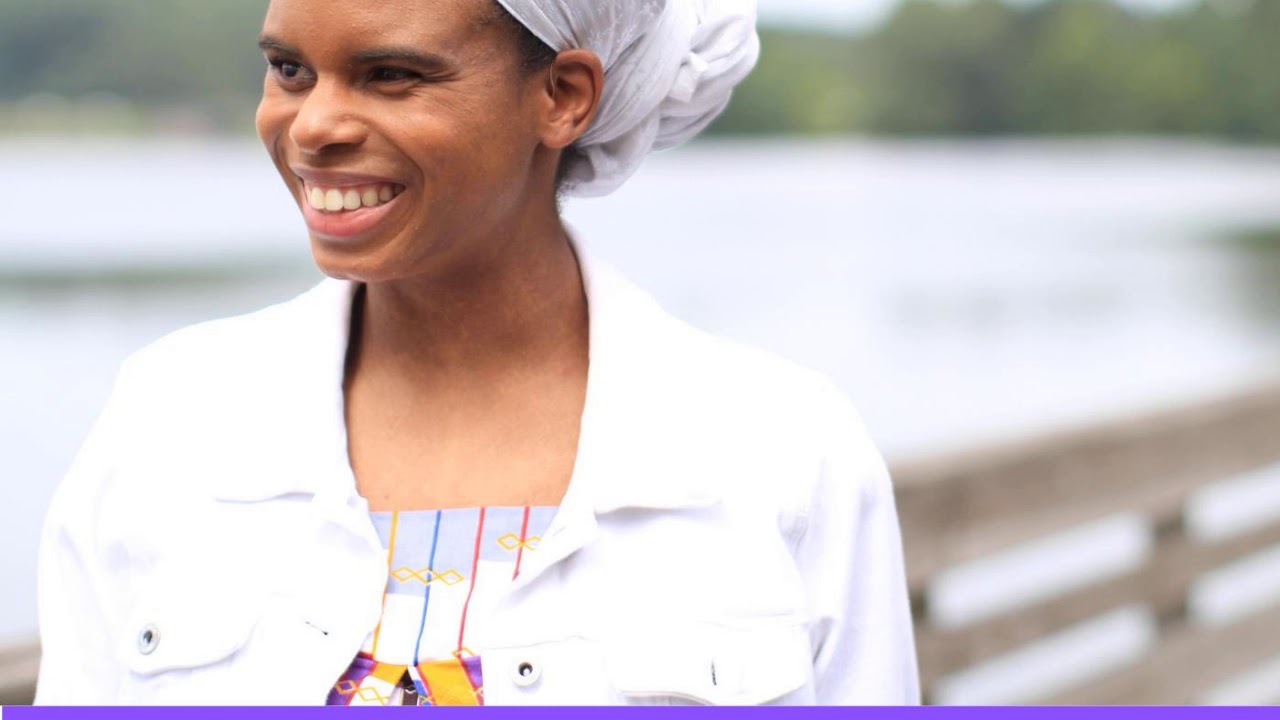
Rachel Steinman discovered her family's four-generation history of suicide and bipolar disorder while ghostwriting her grandfather's manuscript, which led her to become a mental-health advocate and teach NAMI's "Ending the Silence" program. She and host Zaakirah Muhammad discuss writing, meditation, and setting boundaries as healing tools, and both are working on memoirs about family trauma and resilience.
Chapters
This weekly podcast inspires you to step outside of your comfort zone. My name is Zaakirah Muhammad, and I'm your host of the Living Legacy Podcast. I am a cancer survivor, brand cultivating strategist, author, and world traveler. This Living Legacy Podcast features women of purpose sharing stories of resilience. They are single and married. They are artists and entrepreneurs who run businesses and juggle parenthood. If you are ready to hear interviews about professionalism, entrepreneurship, travel, life, and love, you are in the right place. They will share stories of how they overcame adversity while seeing life through a different lens. Let's get into it. I want you to just tell me in your own words also, um, what do you do?
So that's a good question. Um, I started off as an elementary school teacher, so I I've taught kindergarten all the way through 6th grade. I've been a substitute teacher and a full-time teacher. I've even been the school librarian, and I absolutely have always loved early education. When I was 40 years old, my grandfather's 3rd wife passed away, and I was allowed back into his high-rise, and I found a manuscript my grandfather had written. And it just opened my eyes to so many generations of mental health issues. My grandfather jumped from his high-rise when I was just 16 years old. And so for 24 years, I had wondered how could somebody who seemingly had everything, including physical health and family and money in the bank and just surrounded by friends and just, it made no sense to me. So I found this manuscript, and for a few years I just ruminated on it and thought, okay, well, I know there is a story here. There was a lot missing, but what ended up happening is I decided to become my grandfather's ghostwriter, and I ended up rewriting his story and realizing that I had a story as well to tell. And it's a book that I Have not birthed to the world because the time has, has not been right. And I'm still working on it. But it's really been an incredible journey because it helped me understand my generational traumas and 4 suicides in my family. And my mom is bipolar. And so both of my grandparents died by suicide. And I just did not want to pass this on to my daughters. So what I started doing was writing essays And those essays put me in touch with people that asked me to be guests on their podcasts. And I realized what an amazing platform it is, right? I know you would agree. And I decided, you know what, everybody has family secrets and everybody, whether they're dealing with some form of mental health issues or someone else is dealing with some form of mental health issues, We all have it in our family, and by talking about it, we're ridding the stigma and the shame, you know, by of course sharing personal stories, which is exactly what you're doing. It's just been so valuable and helpful to get the message out that there is understanding and hope and compassion for others. And by just again ridding stigma and shame, We can really move forward. So I started my own podcast, which is called Dear Family, and I interview other people, and I also blog and write essays still and intermit my interviews with some short solo podcasts. In addition, I am certified through NAMI, which stands for the National Alliance on Mental Illness, and I've had the honor and pleasure of going into high schools and middle schools and even speaking to families. For this program called Ending the Silence, where we teach students and staff and families to identify warning signs and offer resources. NAMI is amazing. It's a free organization that offers all these services. It started off as grassroots, and now it's across the country, and it's nami.org, and anyone can look at it. But basically, I call myself a mental health advocate now, and it's It's such an amazing journey that I'm now getting to podcast weekly. And for example, meeting people like yourself, it's, it's, it's really been an incredible journey for me.
Thank you so much for being a guest on a Living Legacy podcast today, Rachel. How are you?
I'm really well. Thank you so much for having me. And I would say I'm really well considering, right? We're all dealing with this shelter-at-home situation.
Absolutely. And it's difficult for some. How are you? I'm good. You know, just like, we're definitely going to talk about mental health today because just like many other people, a lot of people will be struggling with mental health. And, but I'm okay. I'm with family. I'm in this small country, so it's sunshine and I can step outside and still self-isolate.
Exactly. Thank goodness for the sunshine.
What was so interesting about us connecting is that we— I have come to find out, I mean, we had connected anyways and naturally just gravitated toward each other. But the more I found out about you and was studying your bio and saw your recent featured press, I was like, wait a minute, we have very similar stories. So of course, I do have my memoir that I just recently released called Seeing Life Through a Different Lens. And even there is a small section in there about mental health. But ironically, my parents also have been married 3 times, and they have also just had stories that I feel are worth sharing. I mean, of course, starting off with whatever platform possible, whether that is blogging or podcasting, but I feel like the longevity of it essentially would be beautiful in a book, I would say. So we have a lot of similarities. And I definitely love the fact that you're open to sharing it.
And I just want to congratulate you on putting out your memoir. That is quite a feat. And I'm so impressed. So congratulations on that.
Thank you.
That's really wonderful. And I love the name of your podcast because what you and I are both doing is we are— this is a legacy that we're sharing that That's one of the great things about podcasting is that it can live forever.
Absolutely. And I feel like it's also been a healing process for me. The book and the podcast and any writing that I do has also been a part of the healing process. Would you say the same for you?
Absolutely. I am nodding my head yes. Absolutely. This has been my own therapy. And as you know, by touching others and helping others, It is one of the best gifts you could give to yourself.
Absolutely. Now, what other things do you feel help you to heal? Because of course, being a mental health advocate, it's almost as if, you know, same thing as being a parent. You give, give, give. But what about giving the same love and care and concern to yourself? So what else helps you along the way?
Well, I want to say Yeah. The other big lesson that I learned has been forgiveness. I think that if you hold on to anger and resentment, it really eats you up. And I've had many family members in the past that I could have held grudges. I'm sure they could say the same thing about me. And by letting go, it allows so much healing. had I not, I would not be in the situation I am right now, which is like this big open heart to just love everyone. And it's not always easy, of course, right? And, and it takes a lot to be sometimes the bigger person. But I think forgiveness is huge. Another healing process for me has been the writing process. And, you know, I think had I not found my grandfather's manuscript, had I not sat down and really like spent I want to say years. I mean, it has been years of just thinking about it and going back and hashing the past out. I don't think I would be where I'm at right now. So writing is a huge form of therapy for me. And of course, I want to say obvious, the obvious things like exercise and meditation and counting your blessings and gratitude. Those things are immensely helpful.
I definitely appreciate you mentioning gratitude and just counting your blessings because I feel like that's all a part of the most important thing, which is a mindset shift, which I feel like is essential for us while we're dealing with something that I feel like no one has really dealt with before. It's requiring you to touch on those unhealed traumas, requiring you to Reevaluate or bring up conversations that you may not want to have, especially with those family members. Roughness, I would say. It's a rough history that may not have started with you, but it's generational. This episode is sponsored by my new book called Seeing Life Through a Different Lens: A Survivor's Memoir on Overcoming Adversity with Resilience. You can visit zaakirahnayar.com.
So how do you feel about Well, God, I mean, there's so much to talk about, but back to one thing you just said is that, like, you know, this is a difficult time. And if you can not only just allow that forgiveness and see your family members, right, because a lot of us are in tight quarters right now, we're living with family members 24 hours, or maybe, maybe we are separated, but we want to stay in touch with our family members. I think that forgiveness is so important. We have to find compassion, not just for ourselves, but for our family members, right? All, as you said, all those past traumas, it's all coming out. And I think that, I mean, I consider myself an eternal optimist. I really do think that we are going to get through this stronger, more compassionate, more understanding. We're going to see what is most valuable. after all this, right? Like right now we realize what's most valuable. Well, it's our family. It's our health. Those are the things that matter most. And so it's kind of this time that we're in right now. And I'm actually working on an essay that I'm going to put out next week. Right. It's— we're approaching Easter. We're approaching Passover. It's like the time of rebirth. And if we can look at this time as like a reset where everything's kind of like maybe opening our eyes to say like, we're a global community, we're in this together, right? We need to work together, right? There's bipartisanship happening in D.C. Maybe this is nature's way of like getting us all collectively to look at things differently. So again, that's my optimism. That's— of course, there's a lot of scary news happening right now. I mean, I'm trying not to go down that rabbit hole. Believe me, I watch the news every single day, probably too much. But I am. I'm looking for those constant silver linings. I'm feeling like I'm connecting in some way to my family members and my friends more than I would have had this not happened, right? We're having group Zoom sessions with family members that would normally never all be together. So I have to believe that this is a reset.
I agree. I agree with this being a reset. Um, I personally know that history does repeat itself, but every time it does, there is something slightly different. And I feel like this time around is definitely a reset. It's definitely a— I've seen the jokes and the memes across the web of this is basically Mother Nature saying, go to your room, stay in there until you figure out what you were doing wrong. So how do you feel about that quote, I would say, but also in regards to Boundaries.
Oh, interesting. Boundaries. Well, I, you know, I think that it's important to know that you can say no, right? It's important to know what works for you. And I think that, that, that classic old airplane saying, you know, like put the oxygen mask on yourself first so that then you can take care of your child. Is, is part of those boundaries. If you are not mentally in a place where you are feeling good, then you cannot give to others. So I— self-care is not selfish. I think we have to take care of ourselves. I think it's, it's not— like I said, it's not selfish to look out for yourself as number one. In fact, it's very generous because then you are able to give more of yourself. So I've never had an issue with boundaries. I'm a very giving person that loves to cook for people and, and, you know, I'm always checking up on everyone. But, you know, as a mom, as a daughter, I, I have to take care of myself first. So what that might look like is exercising or, or making sure to get enough sleep or making sure to, you know, Do things that bring me joy.
Do you have any other— we're coming up on the end of the episode, but do you have any other tips? I would say hands-on tips that people can implement right now while they have time to improve their self-care, their mindset, and their mental health.
Yeah, I mean, there are many, and I understand everyone's probably feeling a little bit stir-crazy and cooped up. But you also have to just be so grateful for technology. There's so many streaming services for whether it's to meditate. And you may need a moving meditation, which means like maybe doing some yoga. Or maybe your moving meditation means going on a walk. And as we now in Los Angeles, we've been told that when we go out, we need to be wearing masks. So starting today, when I go on my walks, I'm going to start wearing a mask. But yeah, there's so many things that you can do to take care of your mental health. And maybe that means setting a schedule, like a week in advance, putting things in the schedule, like, which is what we're starting to do. On Friday nights, we are doing a Shabbat dinner with 4 other families, and we're putting it in the schedule as something to look forward to. Whether that is You know, making sure Monday through Friday that you get up at a certain hour and actually get dressed to be productive. Whether that means eating healthy, and I know it's a little more challenging now, but getting creative. Maybe you start a garden. Maybe there's— I don't, you know, every community is going to be different, but I'm sure there are ways. to make sure that you aren't just eating complex carbohydrates, because we know that our diet and nutrition is really important to our mental health.
Oh, thank you for mentioning that.
Which one?
About the nutrition, because I feel like that's the one thing, at least in my mind, that people are neglecting. They will go to the grocery store, buy so many snacks, but what about the vitamins and the fruits and the veggies?
Right, exactly, exactly. And that may mean, like, you know, like I said, like, this is our victory garden moment. Maybe that means growing some pots on your balcony of tomatoes and getting some of those seed sets. You know, you can order those in. Or maybe, maybe self-care looks like doing a new hobby. Maybe it's, it's deciding, like, okay, I'm gonna learn how to draw and watching one video a day and attempting something, or taking online classes. My dad is 77. He just told me he's about to start taking his first online classes. You know, so it doesn't mean we have to be idle. We can maybe potentially be more productive. You know, and I realize this is a time that is so anxiety-provoking. There's so much uncertainty. But I, again, this is where the eternal optimism comes in. I do believe collectively as humans, we're going to come out this stronger. You know, I obviously, we need a vaccine. I pray that comes sooner than later. But I just, I have to believe, and my heart breaks for anybody who has lost somebody from COVID-19 or, God forbid, is sick with it right now. But I do, I just have to believe that we will get through this.
Yes.
And so remain positive. Look for those silver linings.
Absolutely. I love those tips. Those are very— I feel like even I can implement them right now if I have not. I feel like we are again on the same vibration because I do believe that together we go further. And of course, there's a whole thing on social media about stay home or stay strong and things of that sort. But just allowing technology, because I'm all about supporting science technology, engineering, and math, just technology itself will be more helpful than harmful in a way to bring people together. And it's allowing more people to consider, in my opinion, consider nature a bit more because the parks are being abandoned now. But that means that because the parks are abandoned, the people who don't care for crowds can actually go out and enjoy nature. So it's— there's a few silver linings in this situation that I feel because I too am all about Optimism.
Oh, I love it. We're kindred spirits.
Okay, so where can everyone else find my kindred spirit on the web?
Oh, okay. So my website is Right Now Rachel, and that's right with a W. W-I— sorry, hello, W-R-I-T-E Rachel, R-A-C-H-E-L. So it's rightnowrachel.com, and I'm also rightnowrachel@gmail.com. You can find my website— I'm sorry, you can find my podcast, Dear Family, on every platform. I'm on Facebook and Instagram and LinkedIn and Twitter at Right Now Rachel.
Perfect. I love it. Now I gotta ask you this. Now maybe I'll share a story first. Toward the end of last year, even after my book was released, I ended up doing a podcast episode with my mom. And after that podcast episode, my mom sent me an idea of How about you write your father's story? So then, of course, there's me and my older sister. We are 2 of his daughters from, you know, that came from him genetically. Then, you know, I talked to her about it and she actually studied journalism in school. And at first she was like, okay, why are we doing this? And then I kind of implemented it. I'm like, okay, well, he talks about his story all the time. He has an amazing story. People who know him consider him very amazing. Why not we, you know, help to get it out there? She was like, great, I'm excited about it. And so we're beginning the process slowly but surely, but I already know that it's going to be a healing process for both me and my sister because technically, legally, we are half-sisters, but she's still my sister. I'm like, she's like my only sister on my dad's side. And then of course healing for my dad as well because it's going to require him to do some serious reflecting. So I say that in asking you of when do you think we will be able to live through the life or walk through your father's shoes with his story being finally out there?
So this story is really my grandfather's story.
Yeah, yes, the grandfather. But I mean, it's genetical. Yes.
Yeah, yeah, yeah, my grandfather. You know, I hope soon. I have to say it's been kind of put on the back burner, but it is such a passion for me. And as you know, because you're a writer, writing never completes Completely feels done. Like even though you published your book, I'm sure you could go back and look at it and find other things you would like to add and edit and right. So in a way, kind of this break from it has given me a little time to rethink some of it and and notice maybe what is most important and what needs to be added and what needs to be taken away. And and because it's a memoir, it can keep going on and on and on. So I, I don't have an answer. I, I hope sooner than later. Um, at this point, I, I would say my energies are being put into my podcast and my writing, but that is going— my book, which is going to be called Dear Family— at one point it was going to be called Inherited, but it's going to be called Dear Family, and it's a family memoir and it spans 5 generations—
I know it will come out Well, we look forward to following along this, this journey of life.
Oh, thank you so much. So honored to speak to you today. You are such a lovely young woman and so impressive.
Thank you. I can say the same for you.
Oh, thank you. Okay, well, I wish us all health, and that's both physical and mental health, and happiness. And love.
Thank you for listening to the Living Legacy Podcast. Be sure to subscribe, follow, and download so you don't miss the next episode. If you want to learn more, you can visit zaakirahnayyar.com. That's Z-A-A-K-I-R-A-H-N-A-Y-Y-A-R.com. Do you have any suggestions on a topic you want to be talked about? Send me an email or leave them in a review. If you love this episode, be sure to share it with your friends.
More from Zaakirah

Wealth, Discovery And Alignment through Human Design and Gene Keys with Danielle Eyman



ADHD, AI, Artistry: Amber Andrews on Building a Brand that's Honest, Creative and Converting



Sensory Reset: Soft Stories of Joy, Belonging, and Healing Inner Child Live from Essence Fest


