Part 2 Learning Curves with Mom, Kobe Bryant, and Your Legacy
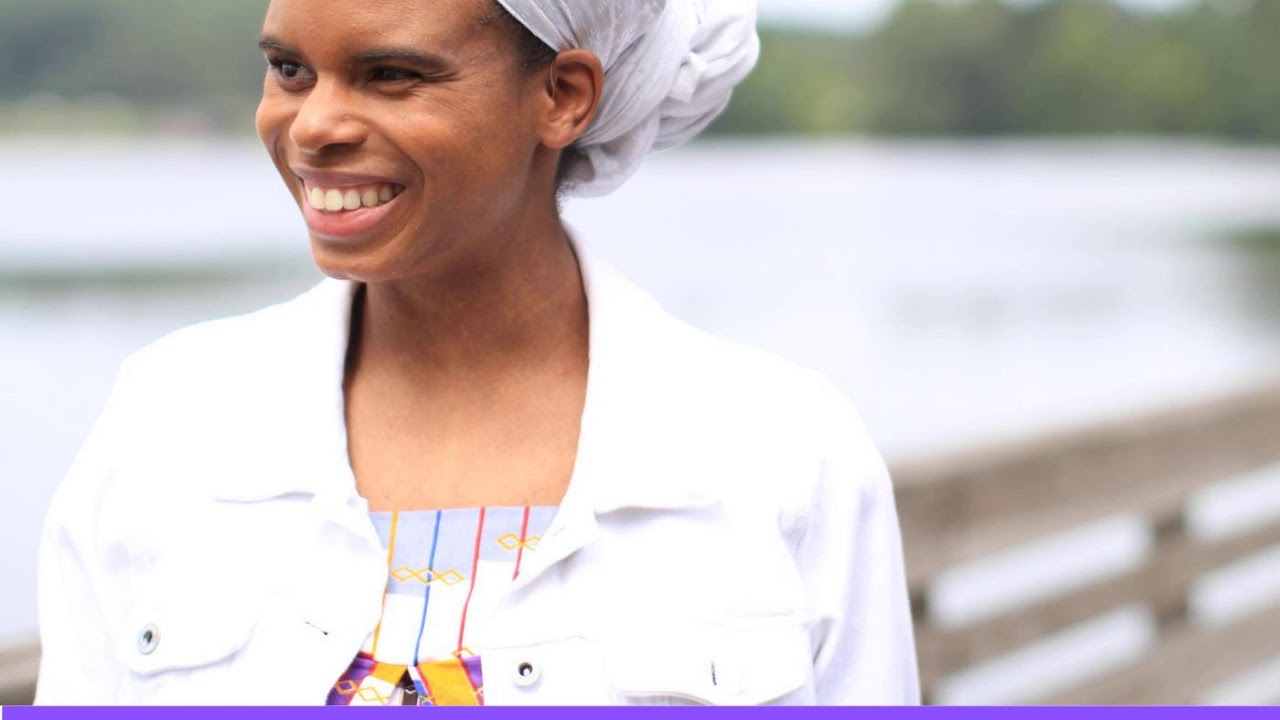
Zaakirah Muhammad and her mother discuss surviving childhood retinoblastoma, living with a prosthetic eye, and how chronic illness shaped their family. They reflect on legacy beyond wealth, the daily adaptations of monocular vision, and Zaakirah's plan to document other people's stories through photography and a forthcoming book.
Chapters
You are listening to the Living Legacy Podcast. This weekly podcast inspires you to step outside of your comfort zone. My name is Zaakirah Muhammad, and I'm your host of the Living Legacy Podcast.
I am a cancer survivor, brand cultivating strategist, author, and world traveler.
This Living Legacy Podcast features women of purpose sharing stories of resilience. They are single and married. They are artists and entrepreneurs who run businesses and juggle parenthood. If you are ready to hear interviews about professionalism, entrepreneurship, travel, life, and love, you are in the right place. They will share stories of how they overcame adversity while seeing life through a different lens. Let's get into it.
So one of the reasons why I started this podcast is because once I got the definition of legacy down pat, not legacy in the money, in the form of money, But legacy in the form of what are you going to pass down to the next generation, whether you have kids or not? What are you passing down for the next generation? When you pass, what will people remember you, right? What will people say about you behind your back? Started this series called Live a Legacy Podcast because I wanted to explore that. I wanted to talk to people who know what their legacy is, who know what their purpose is, and know that this life is very much so temporary. I wanted to do an impromptu podcast because recently, in the recent news of Kobe Bryant, may his soul rest in peace, and as we say in the religion of Islam, from God we come and to God we return. He left a legacy. He has inspired generations. You know, you say what you want about him, say what you want about how he played ball, say what you want about His— how he dealt with his family, okay? No man is perfect. Nobody's perfect, but he loved his family. I want you all to take a moment to— no matter what Kobe Bryant means to you, like for me, hearing the news, seeing the news, I've seen the news of Kobe Bryant passing away.
I didn't believe it at first.
I literally had to double-check. I got the headline news on my phone, and then I had to look on TMZ to double-check to make sure people aren't trying to mess around. You know, I hate when people do that. What's the point of pretending for someone to die? You know, like, I never wish death on anyone because that's God's timing, beyond your control. But once I saw the news, it hurt, you know. I mean, it hurt when Prince passed away, but I know it hurt my mom more because she admired his beauty, his creativity. This hurt because I am a huge basketball fan. If it wasn't for Dwyane Wade, I probably also would not know who Kobe Bryant is, right? I, if I remember correctly, I love basketball so much that almost every birthday game when I lived in Miami, Florida was against the LA Lakers in Miami. So if I remember correctly, I have seen him play live in person. And, and he He's an amazing player, but the most important thing is that he knew this, right? He left basketball to be able to be closer with his family. He left basketball to pursue other ventures, right? So his legacy includes not just basketball, but perseverance, but overcoming adversity, but not putting your eggs all in one basket. You know, so he's— his life is a great example of something you should look up to. You know, obviously the positive sides, not so much the negative sides. He has books out, he's got podcasts, he's been podcast guests, he's done endless interviews. He started an interview series. He's been an investor. You know, just for— if you don't know who he is as a— person, not just a basketball player, because sometimes that's a completely different persona, um, because you got to do what you got to do, right, while you're on the court. That's a competitive sport. But just take a look at who he was outside. And, you know, may his soul rest in peace. And it's so crazy that your life is not worth it than anybody else's. Like, I feel the pain of his wife. And kids. I'm a wife. I'm not a mom yet.
Okay, I'm sorry.
I'll take that back. I am a mom. I will talk more about it. I've talked about it. I was recently a podcast guest where I talked about it publicly for the first time about losing a baby. So if you want to hear that out, listen to that episode. It was Infertility and Me with Monique. So look for that episode where I was a special guest. Infertility and Me. I believe it was episode 14. But take this time. I just wanted to interrupt this podcast session for you to really take the time to either study the greats.
Like, that's what I do.
That's how I'm able to perfect my craft, because I do study the greats. Not just their work, how they live. That's why I— when I choose my favorite artists, music artists, I study their life. Right? Some people may not like the way they live. Some people may not like who they married or who they love or who they date. That's none of your business. But I study who they are as a person, what made them tick, what made them who they are. And I encourage you to do the same. You know, if you're ever losing inspiration, memoirs, audiobooks, podcasts, YouTube, the inspiration is out there. And, you know, nobody can ever be duplicated or replicated. But there are definitely lessons and words to live by and learn by.
Welcome back to the Living Legacy Podcast. This episode is part 2 of the interview or conversation with my mom. So part 1, you learned about my childhood cancer and what it was like growing up and how we dealt with it all and even how we thrived and survived. And you kind of got a little peek into our relationship. So part 2, we're going to dive a little bit deeper and we're going to talk about how cancers of any kind can affect marriages because it's not always easy. And we talk about how we've made it through and we talk about, you know, the book. Of course, we continue to talk about the book, my memoir, which is called Seeing Life Through a Different Lens. My mom and I wrote together and we talked about what it was like to survive retinoblastoma, the rare childhood eye cancer, up to now. Because it is a rare childhood eye cancer. So it's very important to us that we share our story because not many people are still alive to this day to be able to share their story. So I hope you enjoy this part 2 of the interview with my mom and I. And as always, please be sure to let me know what parts you liked, what parts you didn't like, by Leaving a review on Apple Podcasts, Podchaser, or Stitcher, or even tagging us, commenting on the last post on our @livinglegacypodcast on Instagram, or even joining the Living Legacy Podcast Listeners Facebook group. I can't wait to hear from you.
So getting back to your question, When you decided to get married, my first thought was, oh, well, how is he going to deal with, with all of this? And the first thing I said to my dear son-in-law was, well, you've married a princess, and I hope you can provide for all that the princess needs. And that's what I said to him. And I don't think he knew then what he knows now, because I asked him again and I said, well, what do you think about your wife? And he says, I'm still figuring it out. So it takes a lifetime. It takes a lifetime. But it's better for you to be with him. I'll just put it like that. I, you know, I couldn't see, you know, you living alone for a long period of time. I couldn't see you, you know, being out there dating. And, you know, being exposed to God knows what. And, you know, so it was a good decision. You know, I think you made a lot of good life choices. You teach your child everything you want your child to know, and then you step back and you say, well, I've given her all the information she needs. I've given her all the tools, so she has to do it. And when she can't do it, she'll fall on her face, and hopefully she'll be able to pick herself up and dust herself off and keep on going. And so, and if she can't, then she'll sit there and, and cry and scream and have it, you know, have a tantrum and get over it and go on anyway. So, you know, that was it. I mean, I always remember that you're not a crier, you know, you're not the kind of person who feels so bad that you just can't, you become paralyzed and you can't I can't do anything. So, you know, I know that, and that's what gets you through the day. So you can always think of something better, even though it's bad and it could be worse. You have always been able to come up with something better.
I think also— well, thank you for that. But I think also known— learned my limits, I guess. Do you remember that time we had just moved? Well, I think we're still talking about Mary because Because my next question is, how did you and Daddy make it? But remember, there was a point where we just moved to Florida. I just started the school, and Daddy was there but not there because it was the rough patch. And then I just— I feel like I was just completely being a stubborn, disobedient girl. And all you simply asked was, what do you need? And I said, I want to be with my sister. Remember that?
No.
Okay. Well, I do because that's when I knew my limit of like, okay, sure, I'm not a crier. I don't always talk about my feelings. I never always knew how to talk about my feelings. And so now, yeah, I will have a day of crying it out. I will have a day of, I may unintentionally take it out on hubby because there's always at least one day. So of course, you know, even for those who do think they know me and have said that I've never seen you cry, like, oh my goodness. Well, trust me, I do. You're not going to see it, but trust me, I do. Because it's just a matter now of knowing my limits, of not waiting until everything is— not waiting until the water is boiling over now. So, but how did you and Daddy make it through the marriage? Because this is like every marriage go through something, but some go through the death, some just go through serious financial difficulty. But how did you all make it?
Well, you know, the one thing That helps because I'm not a crier to the point where, you know, I become dysfunctional. But he is just the opposite of me. And so when things get out of control, he's able to remain calm and sane. And he allows me to become, you know, the crazy. And then we can flip-flop, we can switch roles and stuff. But he— He's always been able to verbalize what's going on with him. And so when he's up, when his back is up against the wall and he can't do it, he just says that, you know, well, I can't do it. I can't deal with this. I can't do this. And so the pressure on us was getting everything done. And so we had to kind of divide the labor. And say, well, okay, if you can't do this, then I'll do that, and if I can't do this, then you do that. So the interesting thing was learning about the prosthesis. I mean, I thought that would break our marriage.
Mm-hmm.
But especially when it got lost, and then when we didn't know how to put it in, and we didn't know how to take it out, and we didn't know how to clean it, and we didn't know this. And all the rest of it. And he threw up his hands and he said, well, you're going to have to do it, you know, because you were just so fragile. And he thought he was going to hurt you somehow by, you know, having all this going on. And it was just making him nuts. But his response was, you know, don't worry about me. Do what you have to do. You know, and that was it. So when I needed a break, and I think that's where that part comes in, you have to separate yourself from it at some point. You know, you gotta go take a trip or lock yourself in a room and just, you know, not even think about it at some point and not talk about it. Because when you're that deep into it and every single day, you know, I had people calling me asking me stuff. That I really didn't have answers for. But the good news is that I know how to read and I will read everything. And when I finish reading everything, I know how to ask questions and I'm not afraid to, you know, let people know that I don't know stuff. So, you know, that's really what helps. But being able to talk it out, if I couldn't tell your father everything and listen to him tell me everything, Then we wouldn't be here today. We would not, you know, because my moods and his sense of humor would have clashed a long time ago. But we're so different that it works. You know, we have a lot in common, but we are totally different people. And that's why you are who you are. You know, you have so much of him in you and so much of me in you, so you're like— You know, the combination of the two of us, which makes it real interesting to see you function.
So I guess it seems like we're kind of going from like adulthood and then back on down. So you mentioned the first time about learning about the prosthetic eye. So what about mentioning the first time you had to learn about dim lighting and seeing from my perspective?
No, when we left the hospital, they gave us very strict instructions.
Instructions.
You know, they, they gave you all of the things that you had to do and all the things that you had to be conscious of. If this happens, do this. If that happens, do that. But the first thing he said to us, because even after the surgery we were taken to a room that had dim lights, and, and that's what we were told to do when we get home, you know, just be careful of very bright lights because your eye was going to be very sensitive to bright lights. Then the other thing that we had to become conscious of was that since you were so little and your peripheral vision, your ability to see, you know, to your left and to your right, was going to be impacted because my first observation was That you couldn't make it through doorways without bumping into them. And I was concerned about that because I said, well, is this a balance issue? Is this a vision issue? What is that? And so I was told that children who have surgery, you know, on their right side will not be able to discern what's right next to them. So, you know, either you had to turn your head completely around to see what was there Or, you know, we had to get you to feel, you know, that this space was more to your right or more to your left. So yeah, you were stumbling around and bumping into stuff, and we were like, okay, this is not cute, so we have to do something. And what we did was put padding in the doorways. So yeah, we took towels and taped towels to the entrances and, you know, all the corners and places that we figured you wouldn't be able to find your way without. Because you just stood up and walked one day. You didn't crawl or, you know, it wasn't— you were— you didn't explore your area. You just got up and started moving around. So it was quite interesting to see that. But that's what we had. And that's where the work began. They were teaching you how to adapt. to having monocular vision. And so what we do now is the same thing that we did then, is that, you know, when we're talking to you, we know which side to sit on, and when we're getting you to do things, we know which way to walk. And when you and I go shopping and stuff, I find myself still doing the same thing, like either walking on your left side or talking to you from the right side or standing in front of you. So, you know, those, those things are embedded in us now.
And then I think also, I'll probably say this for those, you know, coworkers who are unaware of, okay, just making sure that if we are having a conversation, if you can tell by my eyebrows or whatever that I am listening to you even though you're to my side, if we're not looking, you know, face to face.
Well, I know when you're not listening to me is when you turn off your hearing aids And you do it, you know, you try to be so cool with it, you just flip them off, and then you're sitting there and you have this silly grin on your face, and I'm like, oh, she did it again. And I told your father that one day, and then he uses that and he says, okay, well, if you don't want to hear this, then just turn off your hearing aids. So yeah, yeah, there are little things that, you know, children do. And a friend of ours, her son, she said that the kids were always teasing him about his prosthesis at school.
Oh, you told me that he took it out.
And one day he got so upset and he said, okay, today's the last day, you know, that they're going to do this. And he took the prosthesis out and he dropped it in the other child's And the prosthetic eye was just kind of floating around, and the kids jumped up from the table, ran away screaming, and he was laughing and laughing. And then that's when they stopped bothering him. So, you know, you do what you have to do. But yeah, yeah, the parents have to be— they have to be flexible, they have to be agile, they have to be Quiet when it's time to be quiet, and they gotta— they really have to create a balance between discipline and freedom, you know, because you want to protect your child, but you want your child to understand that they have to have limitations. They have to have restrictions. They just can't run wild and And then you have to begin to understand and help your child understand that because this has happened to you, it's not something that you subject other people to. You know, you just don't walk up to people and say, I have cancer and you better be nice to me. You know, that kind of thing. You have to be able to create that balance in their own mind that the way you treat people is the way you want to be treated.
And I think I want to add on to that because growing up, I think that's also— sometimes that ended up also being an introduction to some of my friendships because sure, they would know me because we had the same classes together, we had the same athletics together, but the moment I would say, you may not know this about me, but I have cancer and I can only see one eye and I wear hearing aids, sometimes that's like, oh. Let me stay away from her. That's how you see their character. But most of the time it was like, I like her even more, you know? Well, I think if listening back to the episode with Whitney and I, she was like, I appreciated you even more and I felt even more closer to you because you told me that. So most of the time that's what it is, just letting them know like, okay.
Yeah, without having pity or, you know.
Right, no. Like the moment they say I'm sorry, I'm like, for what?
Yeah, right, right. And, and And making sure that they understand that, you know, you have good days and bad days just like everybody else.
And I can play these sports like everybody else. I can, you know, go places like everybody else. I can drive like everybody else.
Well, we won't talk about your driving, okay?
Anyway, do you have any other questions for me? We're opening up the last few minutes. Any other questions?
Well, I want to know what you're going to do next. I mean, I heard you say, you know, you want to travel and see all these other places that you haven't seen. And I'm thinking, well, if you're going to write, then you write from your own personal experiences. So, are we writing about our own personal experiences? Or are we going to bring in the whole community of retinoblastoma families and begin to write about other people's experiences? And if we're going to be writing, are we going to maybe put together a photographic exhibition somewhere? And, you know, I mean, all these things that you have inside you, you know, they're going to come out one way or the other. So—
So, Yeah.
I have to ask.
So yeah, I guess the answer to your question is yes, all these goals that have been inside me, the bits and pieces that I've shared with you, like, yeah, I feel like the year 2020 is the year of at least bringing all of that out from inside of me, from, you know, not just on a paper, but my word of the year is action, so taking action on these things. And so yes, combining everything that had given me joy thus far, combining everything that I've accomplished so far, including National Geographic and Including learning how to edit videos and documentaries, including photographing people, including writing about my travels, and also being able to interview people. I do know that what is next is with the travels come the opportunity to meet other people with speaking engagements, to talk to other people who are either going through it or just, you know, need a little motivational touch or whether it's medical, whether it's just a mindset. So being able to speak and travel, I want to see new places, but I would like to also be able to combine it if it can be a place that, you know, I can bring the book with me and it's actually a place where the book is wanted, per se. And so I always have my camera with me, even if it is a camera phone, I always have my camera with me to be able to, you know, Record also now the stories of other people. Like, people naturally have always gravitated toward me, so now, of course, with their permission, sharing their story. Um, so yeah, the next phase I really do think is telling other people's stories using my skills. I've got my story out there, which was something that was just kind of inside of me, inside of the both of us for a while. So now it's time to share other people's stories. So I think that's what's next.
That's probably what the next book will be, is And like, person stories.
Yeah, just kind of using all my skills, um, combining it into one, and that's what will be the next project and also be, um, the next part of my rebranding as, as myself and for, you know, my businesses.
So.
Well, um, I'm gonna go back to your question about me and your dad and how we were able to get through And the one thing that is consistent in both of our lives is prayer. And when we taught you how to pray, that's what really kind of sealed the family pot. You know, we decided that we have to be prepared to To accept our own destiny, and each of us have a different destiny. You know, it's all been pre-planned, pre-decreed. And so being able to have someone in your life who will pray with you, pray for you, and teach you more about prayer. So, you know, what we learned from all this was that— What we learned from all this was that Every parent, every family has their own test. And some parents, and I think I mentioned this to you before, when retinoblastoma came into their lives, some parents packed their bags and walked off and left.
Mm-hmm.
Other parents who were, who stayed together had something, you know, in their lives that kept them. You know, strong. And in our situation, it was prayer. We had to pray because that's what gave us strength and that's what helped us to, you know, go forward. But at this point, our prayers are for gratitude because had we not done the things that we were supposed to do, our lives would be different. But because we never put more importance on anything than our faith. And so we, we were preparing ourselves mentally, emotionally, spiritually for whatever may happen. And when you do that and you accept that you are not in control of any of this, that your life Although you've been given this life, it's not really your life. It's all the energy, all the time, all the money, and it's the way that you decide how you're going to use those things. And so we decided that we were going to use the time to help as many other people as we could help, and we were going to use the money, whatever money it was, to help people. To help as many people as we could help. And we were going to study. You know, we were going to study everything that we could about retinoblastoma. We were going to study everything we could about you, about giving you what you needed, and about ourselves. But we would stop 5 times a day and pray. And pray that, you know, we hear the inspiration, that we hear the guidance, because, you know, when it comes time to making decisions and you have to have some quiet time and you have to be able to sit back and just listen, you know, some people say they're vibrations, some people say it's, you know, this, it's that, it's the other, but it's your own intuition. And when you listen to yourself— You hear your own heart, and then you know what to do. And you know if it's the right time to do what you want to do. So, I just pray that you get enough sleep, you know, because that's really what's gonna keep you healthy and strong. You have to rest.
Okay?
Superwoman, you have to find a way to rest.
Okay.
And relax.
Okay. I think I finally— it took 27 years, but I finally understand the word relax.
Okay.
So I want to end it with a quote that I've seen around. I think I saw it more when I was during my yoga days, when I was like getting into yoga. Give me the strength to accept the things that I cannot change and the strength to change the things that I can.
That's dope.
I don't remember if it's Guy, but it's like, To accept the things that I cannot change and give me the strength or the serenity to change the things that I can.
Well, that's a good answer, but—
So I'm gonna—
You just write it down and put it in your pocket.
No, I've had— that's the thing. I've had it on a sticky note and now it left me now that it doesn't serve its purpose for me.
But that's the quote.
Okay.
All right. Thank you, Mama.
Thank you, Zaakirah.
Thank you for listening to the Living Legacy Podcast. Be sure to subscribe, follow, and download so you don't miss the next episode. If you want to learn more, you can visit zaakirahnayyar.com. That's Z-A-A-K-I-R-A-H-N-A-Y-Y-A-R dot com. Do you have any suggestions on a topic you want to be talked about? Send me an email or leave them in a review. If you love this episode, be sure to share it with your friends.
Thank you for listening to the Living Legacy Podcast.
More from Zaakirah

Wealth, Discovery And Alignment through Human Design and Gene Keys with Danielle Eyman



ADHD, AI, Artistry: Amber Andrews on Building a Brand that's Honest, Creative and Converting



Sensory Reset: Soft Stories of Joy, Belonging, and Healing Inner Child Live from Essence Fest


