The Surprising Truth About Social Media Strategy Nobody Tells You | from CEO's Night Out Tulsa
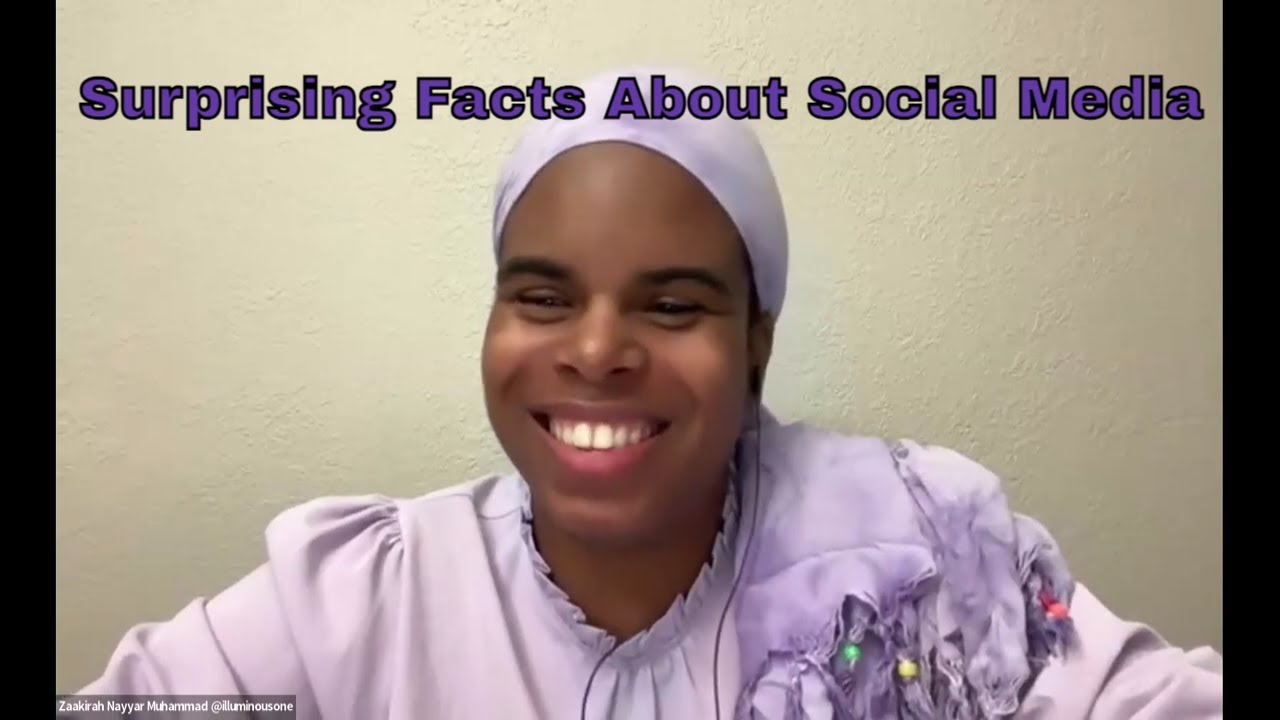
In this recorded workshop, brand strategist, photographer, TEDx speaker, and childhood eye‑cancer survivor Zaakirah Muhammad guides a small group of entrepreneurs through the fundamentals of personal branding and social‑media strategy. She opens with her own story—her Arabic name meaning “the hereafter,” her prosthetic eye, and how surviving cancer shaped her brand identity. Using a Canva‑based workbook, she walks participants through defining a customer persona, purpose, and the “brag book” technique for combating imposter syndrome. The session then shifts to practical social‑media tactics: choosing one platform to focus on, crafting concise help statements, using captions for accessibility, geotagging, keyword‑based hashtags, and leveraging stories and highlights. Zaakirah stresses inclusivity (captions, hearing‑aid considerations), authenticity (creating original B‑roll, video over text), and consistency (uniform usernames, website as a digital hub). She shares tools (CapCut, Zapier, AI generators) and advises entrepreneurs to invest first in mindset and mental‑health development. Throughout, she models community‑building by connecting participants, encouraging referrals, and promoting local minority‑owned businesses in Tulsa’s historic Black Wall Street. The workshop concludes with a call to action: join her YouTube channel, podcast, book, and group coaching sessions, and tag her on social media for feedback.
Chapters
It's Arabic for the hereafter. And then my middle name, which you'll see me use a lot once I share, you know, my brand story, it actually means bright light. And so one of the unique things about me, which is also what sets me apart brand-wise, is that I was saved by the light, basically. So I am also a childhood eye cancer survivor. So if I happen to be looking at you, I'm looking at a screen, you may see something that looks like a lazy eye. It's actually a prosthetic eye. So I have had— I've been diagnosed with a rare childhood eye cancer since I was 9 months old. And this is being recorded in the month of September, which is Childhood Cancer Awareness Month. So you will hear me go back and forth between, you know, medical advocacy as well as the personal branding and how I was able to do that, build my own personal brand, and how you can do the same thing too. So interact with me. I have a little bit of a workbook. Oh, that's great. that you'll be looking at. And then at the end of the call, you'll get ways to connect with me if you're like, okay, I saw the workbook, I want my own version of the workbook, or I want to work with you, things of that sort. So I'm just gonna share my screen. And yes, I use Canva, so you probably see all the Canva things. And yeah, so basically I am— yeah, that's not gonna work. So basically, I am a brand strategist. So that means empowering you to confidently tell your story by making sure that your brands are inclusive and cohesive and you're confidently telling your story the same way that you pitch yourself, you know, with your dates and your friends. You do need to do the same thing for your own personal brand. So I've been doing that technically for over a decade, but I am a millennial. So I'm one of those that I have been on the internet since, for 20 years technically, but I didn't really start confidently telling my story until a little over 10 years ago. I had an aha moment where I had to remember that, okay, the same thing that I did offline, the same thing that I did when I was in school, where I had to let people know like, hey, I am a childhood eye cancer survivor. That means I cannot see you in my right eye. And that also means that I may not hear you because I wear hearing aids as a result of the radiation treatment. So those taking the same thing of how I had to advocate for myself and tell people about me and let people know of the way that I'm different, you got to bring that online, you know. And so having been glued to the internet, but also being like a second-generation entrepreneur, both of my parents created their own business. I've seen the way they've interacted with people. And I've seen the way they've had to kind of talk about who they are, what they do, why they're different, and why someone should invest in them, for example. So I was able to take what I've learned and just really just kind of be innovative in the marketing and digital marketing industry, even as we utilize AI nowadays. But I think, you know, what sets me apart from others is making sure that you are cultivating your brand. So I think the word is really cultivating. But then also some people call me a brand therapist because a lot of it, especially if you have overcome a lot of trauma, you are that generational curse breaker in your family. It can be hard to want to confidently tell your story. Because I mean, when you're going through it, you're like, who else would even understand what I'm going through? But the more confidently you tell your story and the more you tell it in a way that is clear and concise, you never know that you're actually building your own community. So that's what I've been doing online for the past 10 years, and I'll be teaching you to do the same thing. So there will be a few more links also if you did want to check out my TEDx talk, which is really the big thing of how did you get to the TEDx stage? I was basically telling my story over and over for the past 10 years, again, both online and as well as offline, because they had to, you know, check me out, right? Once I submitted the application and when it matches everything, you know, that's everywhere, then they know that you're the expert in your niche. Okay. So one of the first important things about brand building is really just building the person that either you needed when you were going through that trauma, that thing that really sets you apart, that thing that you were doing before you had all the responsibilities, mostly between the ages of 7 and 13. That's ideally your customer persona. That's also how you're intertwining it with utilizing your purpose. So when you're purpose building, you also know exactly who it is and how you're able to overcome that challenge. So, you know, of course, you know, write this down for yourself or think Think, think out loud if you want. But what are the demographics of your customer persona? So, right, I already said that I'm a millennial, right? And so that means I'm in my 30s. And then my interests, I have a lot of interests, but I always love just enjoying helping other people regardless, no matter what it is, whether I am, you know, the consultant, whether I am the strategist or the mentor. People come first for me no matter what it is. Currently located in I'm originally from Tulsa, Oklahoma, but not for long. I've been blessed to be here for about 2 years and just really hit the ground running, just making sure that I engage myself in other minority-owned businesses, especially right here in the original Black Wall Street. So I am a woman, and most women gravitate towards me because I am a woman, because I've been through what most women go through. And education-wise, I did study. So you may see, you know, something, especially when you check out my TEDx talk, if you haven't already, is that I talk a lot about, you know, how a camera was able to detect the photograph, was able to detect the cancer. But later on, I was taught how to take my own photographs and tell my own story. So you may hear me talk a little bit more about my, my 10 or so years also as a photographer. But regardless, it's still intertwining with brand strategy and branding. So that's pretty much it. And then video-wise, you'll see me wearing something over my head and it's basically a hijab or a scarf or a head wrap. And so that I am a, I guess I would say, I mean, the more I do my ancestry, it's probably more than 3 generations, but at least immediately, I am a Muslim and my parents converted to the religion of Islam when they were adults. Regardless, I'm a woman of faith. I would not be here without knowing that there is purpose beyond me. The world does not revolve around me, and I'm not in control of any of the things that are happening right now in this season. And so a lot of the time was also, you know, just like I said, that there were times where you may have the thought about what are the— what are people going to think? What are they going to say? Why should I even tell my story? I think for a while, you know, I have older siblings, but I grew up an only child. So a lot of times I really just kept it to myself. So much to the point that in kindergarten, I was told this story by my parents that the kindergarten teacher actually thought I was just mute, just didn't know how to speak. But my mom had to let the teachers know, like, no, she is super chatty at home. So being able to understand that one, I am safe. It is okay to share my story. That's how I was able to confidently share my story. First started out with, you know, at first with a camera, right? I would share things through the lens and we were always traveling. I was grateful to go to maybe about 20+ US states even before, you know, the pandemic kind of required people to go back on the road and do road trips, right? And then I was introduced to journaling once I obviously learned how to write and then I was able to journal. And this wasn't until, I think, really middle school. So once journaling became my first actual job was I was a summer camp counselor, but I was also the one editing and writing and planning out the newsletter, the— what was it, quarterly, biweekly newsletter we had during our summer. So writing then became speaking. So no matter what it is, I was always telling my story. But the more I practiced, the more confident I became, right? So now it's your turn. You can say out loud what you thought of were your ideal customer persona and the beliefs that you have that you know others resonate with and the problems that you currently have. Actually, I'll start with that. What are the problems you currently have with sharing your story?
Wow, that is so inspiring. I mean, I've never really listen, um, to the— your whole story, but just taking this time to really, um, just really focus in on what you're saying, um, it's, it's, it's— I mean, that's really inspiring. It's amazing. And I can definitely, um, can relate to being, you know, a quiet individual as a child, you know, in front of other people. And, and when I get home, you know, I'm I'm chatty, you know, chatty, chatty. And again, like you said, just going to, you know, you have to really take the, the discernment of being— knowing that you're safe to share your story with, with other individuals. Because, you know, because that's, that's another thing that we— even being right here as an entrepreneur, it's kind of— it's scary out here, you know what I'm saying? So you don't know who to trust. And, and I, I think that what you've done, um, within the 2 years that you've been here in Tulsa You've definitely impacted a lot of individuals. We see you. You're shining. I absolutely love it. So yeah, that's awesome.
Well, thank you for that. Okay, so now I'm going to go to the next page in the workbook, which is basically talking about the things we don't really want to talk about, right? We're going to talk about the hard things. We're going to talk about the rejection. We're going to talk about the imposter syndrome. And we're going to talk about ourselves because a lot of times, especially as women, we don't want to toot our own horns. But thank you for also— and also I would say not a lot of women would be able to receive the compliments that I just received, right? So I heard it, I received it loud and clear. And a lot of times I would take those with me, right? I'm starting to see a lot on social media where people are actually talking about brag books, basically. They have a separate page or a separate notebook where they keep— they make a note of whatever a woman or somebody complimented you on. They take that note because not every day is going to be a bright sunny day. And some days you're going to need those reminders because there will be days where you're going to be resistant to telling your story, resistant to using social media, resistant to even promoting your office. So I feel like it's a great segue actually that Katina just acknowledged me because I think that really kind of goes on to the next. things of, you know, the personality traits of being able to be ambitious, be creative, be a people person, and just also have a desire to make an impact, right? So that's basically off of, you know, the things that Katina said about me. So I think if I were to flip it on Katina, what do you think that you've heard people say about you both at work, in your friend circle, in your family circle? that people would say are unique about you and your personality?
Well, for me, I think a lot of people sometimes can maybe be standoffish or maybe intimidated. And I don't know why. I guess I don't know if it's because I am quiet. I don't show up in a lot of rooms because I'm very intentional. And I always have been that way. But once you get to know me, you know that I'm very— I'm a soft female. I'm a very soft female. But I can be firm as well. So I think that with that being said, I think that I have definitely made an impact as far as me really highlighting and wanting to be a voice in the community for entrepreneurs to say, hey, there is someone out here that really wants to set herself aside and and really, um, show that, you know, there's other entrepreneurs, you know, to be seen, you know what I'm saying? Um, so I think that that's awesome. I, I, I think that me coming out as an entrepreneur back in 2019, I didn't expect, um, what I saw, what I saw and what I experienced as an entrepreneur. Um, so you really have to really, um, test the waters, so to speak. And I see a lot of people say, you know, really find your tribe. I don't think that that's really necessary. I think basically you really have to fill the room. Um, I enjoy, um, listening to the men speak. Um, I feel like they, they need a voice in the community. So, you know, I am really pulling for them to really come forward So I think a lot of women have kind of like, kind of trying to climb up, claw over each other, you know what I'm saying? And I like, I like your, you know, how you, you know, present yourself. You said, Katina, hey, what can I do to help? You know, that's how you present yourself. And I was like, that's what I'm talking about. That's awesome. And that's how I am. I'm a servant. I have a servant's heart. So what can I do to help is, is, or serve is what I expected coming out, um, being an entrepreneur here in Tulsa. So I appreciate you so much.
No, thank you for that. And I think what's so interesting is, you know, you in a way had like this session before we had this session with everyone else. But what's so funny is that you're already like on to the next page of the workbook. Basically, you almost addressed every single thing of the next few questions that I have listed for, you know, everyone to answer. And so you said it all, right? At least for you, it's people who live in Tulsa who want to be entrepreneurs. And that's what keeps them up at night. They want to be of service to others. They want to make that difference, and they will happily spend money on other Black-owned businesses. And they do notice that it may not always work that way, right? Because not everybody believes in that. And so they really want to know how, like, what do I need to do to make that difference? So those are a few questions that you can also keep in mind. And these are the same things that can also be intertwined with building your personal brand.
Yes, love it.
And so, yeah, that's pretty much that part. But now I want to move on to the social media side because there's so many social media channels out there, and a lot of times they're like, what is this social media channel? Why do I need to be on this social media channel? And so I'm going to share a different kind of little checklist. It may be hard to read, so I'm going to read it off. But then again, you know, if you wanted it for yourself, I can provide a link. But basically, the one thing that I always tell people is to focus on one. Now, for me, having— for a while I was agency-based, so I learned how to be on all of them anyway, because all my clients were in different niches, different industries. Operated more and got return on investment more on different social media channels. So by, as a strategist, I'm always naturally researching how and why to use certain social media channels. But at the core of it, I always tell people, especially if they're like, okay, they want to use just 90 days to focus on one channel. So my tips that are always— you'll probably see something about copyright from like 2020, but These things are always relevant. So these are also some things that I always see with people posting on social media, and then it's like post, post and leave. And so I'm just like, okay, you forget that you can't walk into somebody's party and just drop a flyer and leave, right? It's the same thing online. You can't just walk into a Facebook group and just promote yourself, drop a link and leave, right? The same way that you do it offline when you walk into the brick-and-mortar store, you got to bring that to the social and the digital marketing space. So text is always going to be— my recommendation is always to include it, whether even if it's not what you're specifically talking about, always reintroduce yourself. One of the other things that I tend to help people with is basically their help statement. So a shortened version of all of the questions that you just saw that can be shortened for every single social media channel, because also every single social media channel has different word limits. Or character limits. So make sure you have text before you even drop a link and/or your hashtag or the hashtag of whatever you're talking about. Every single social media planner, every single social media channel at this point has stories features. Stories is a vertical platform that, you know, stays for 24 hours unless you choose to save it as a highlight and highlight it on your profile. So people are actually checking those out more. And, and even though you may like the pandemic really kind of shined a light on it, especially every Father's Day, Mother's Day, Valentine's Day, things like that. So you'll see other people post on holidays, right, announcing their marriages and engagements and births and pregnancies and all of that. But you can also be promoting your business during that time. You know, here we are, this is September, and we're probably at this point less than 30 days before the usual Black Friday holiday where a lot of entrepreneurs, if you focus and use the right tools, you actually can not just gain momentum because you're showing off your new boo or your new family, but you also can be showing off your business. Live video is not going anywhere anytime soon. Now, understandably, some people aren't comfortable with showing their faces all the time. That's why they are— that's why I think that's why people like TikTok, because I'm starting to watch how people are using, you know, TikTok and especially Instagram Reels as well, where you can record your own audio. You know, for example, I just got this new camera. Let me see if I can pull it up. One of the— I just finished at a speaking engagement. And so, you know, I had a photographer friend just basically do the photos and videos for me. And so I was like, what is this camera you're using? And so she's a photographer too, right? So she still has a background in photography, had been doing it for over a decade, just like me. And so I'm like, what is that camera you're using? And so basically the way that she was able to turn in the edits was She can separate the audio and the video. So although there are moments where I remember she recorded the video of me talking, but the way that she was able to edit it, it sounded like a voiceover. So you can use certain photos. You can use just— I call it B-roll because I also have a slight film background too, because I studied photography in Washington, D.C. And so use B-roll of the day in your life, even if you want to be faceless, but So using your hands, using your car, using, you know, anything that shows a fraction of who you are, even if you aren't comfortable using your face, but always use a video. And so anyways, this is the camera, you know, like I said, I'm moving out of Tulsa, but I'm also gonna be doing a lot of traveling. And so people are gonna wanna see that video, right? So it's just this handheld camera, like they've used these used cameras and I had no idea, you know, how people were using it because you may see the little microphone everywhere, but it's so small that you literally just clip it onto your shirt and just record yourself speaking. I used to have— well, I'm gonna bring it back, you know, again, but I'm working on my own strategy because I got big goals coming. So I gotta make sure I'm organized. And so all you need is for a podcast is— podcast started off as audio only. And so I think what happens is we forget to keep it simple and think we got— we have to have a whole setup. But, you know, I will be honest that this is going to make it so much easier for me because, you know, I'm also team accessibility, where although I am okay with using captions online, and that's another feature that social media channels have that I highly recommend if you don't automatically set up a setting that you You know, use apps like CapCut to add them because, you know, for people like me who are hard of hearing, if I'm not already wearing my headphones or wearing my hearing aid and I happen to scroll past the video and I can't read your lips, I'm going to skip right past it. I'm not going to know what you're talking about because I'm not going to be able to hear it. I'm not going to take the time to get my headphones, get my hearing aid to hear it. So I probably just added something in. And I'll probably type it in so you know exactly what I'm talking about. But And then add captions to video. So most pages now will do automatic captions. So now location geotagging, you know, it's helpful because you want to attract people who are also in your area. But I think because, you know, I've traveled to 10+ countries too, so I know also that For some people, they gotta kind of be careful about not to tag exactly where they are at the time that they are. So even that, even for me, you know, I've gone old school a bit with just being present and in the moment of just where I'm at. And yes, I'll take pictures of, you know, whatever I'm going through because I'm going to eventually share any stories, make a YouTube video or something. But geotagging means you're tagging a location and let people know about this specific location. If you have a brick-and-mortar business, You should want to tag, have people tagging your location. Now the hashtag thing, I think I'm gonna— we're gonna have to change this back to the word keyword, because what happens is just like history repeats itself, social media will basically kind of go in a circle. And so at this point, you may not put that number sign or pound sign in front of it anymore, but if you put the word in your caption, it will pick up. Essentially like a keyword, no matter what social media channel you're on. And reshare your posts by others. I think this is exciting. You know, for me, I think about those birthday posts. A lot of people get tagged when it's their birthday, or they get tagged when, you know, they got a major speaking engagement, right? So resharing a post that other people tag of you by others. And of course, yeah, you know, that's what being social is, showing other people's posts. But just make sure, I think one thing that does bug me about seeing those who are building a personal brand, if they're not the Shade Room and they thrive off of other people's content, don't post more of other people's content than your own, especially if you're not, you're not at the Beyoncé level yet where you can just post nothing but you and put other people on and all of that, right? So you really gotta go back to those questions that we formed and talk about you, toot your own horn. And then, of course, that's where the collaboration comes in and have other people reshare your post and tag you and brag about you. So that's pretty much that about that page. So what would you— what did you hear? What idea came to mind? What actions are you gonna take?
I think that's good. I didn't know the term geotagging. That was— that's new to me. And I think that it's really Um, I think the pandemic brought a lot of millennials out of the closet, for you, so to speak, um, for its entrepreneurship. Um, and then it, you know, I think for the first, what, maybe 2 years, it was like a floodgate to open, right? So I think that now, uh, I'm just speaking from a perspective of living here in Tulsa, um, it's like some of them have kind shied back. I don't know if it was like we're saying, building relationships, communication, you know, sharing, being visible on, you know, on social media, you know, showing your face and things of that nature. For me, kind of going back to what you had on your one slide, you mentioned What do you do for a living? I think that's important because a lot of entrepreneurs are still working to support their business as well. And I think that hasn't been communicated enough amongst the other entrepreneurs. I think that may have deterred a lot of entrepreneurs Relationships may have dampened a lot of relationships. Um, speaking social media, I've seen like a lot of personal things that have been, uh, spewed out there on Facebook and sort of instead of their businesses, you know, you really don't know what they do. You know what I'm saying? I know you mentioned that, you know, toot your own horn and things of that nature. When I had the shop open, I would always, you know, post, okay, fruits, you know, or whoever was inside my shop, um, but I didn't see that being shared amongst those who were inside of the shop. So that's where I say, for us, um, the communication and building relationship, building rapport, um, understanding that, you know, we do work outside of being an entrepreneur. Um, I like that you've traveled, so you're very diverse, uh, with dealing with people. So I think that's Great. A lot of us coming out of, you know, corporate America, it's like, okay, we gotta, we gotta, you know, we gotta, we got a lot of work to do. And I, I, I, I believe that it will be done and it can be done. Um, I think that your strategy for us branding and, um, and this, this video itself, I think is going to be really good.
Great. Yeah. And I definitely, um, you know, second the part about at least, you know, using, using your own content, right? Because even if you're— if you're so inspired by somebody else's content, make your own version. Don't, you know, literally copy and paste. But, you know, I feel like, you know, people should be starting to make their own content because, um, people need to know who you are. Just like they already know what's going on with Stan and Sub, right? But people need to know what you are up to.
Of course. So Yeah, yeah, yeah. And see, and like I said, going back, I didn't know for the geotagging that, you know, sharing where you're at, your location and things of that nature. Um, actually learned about the, you know, the tagging, um, from another entrepreneur because I didn't know that it even existed, you know, because me coming out here like, okay, what is Facebook, you know, really about? Um, besides, you know, posting your family and what's going on, you know, X, Y, and Z. But for a business perspective, I think that, um, Most businesses, um, should use that platform, um, for their businesses and not personal use because it can become draining, um, to, to an extent, um, and kind of, you know, pull people away, um, when it's too much, you know what I'm saying? When you're trying to navigate, uh, balance work life and, and, you know, entrepreneurship and family.
So yeah, absolutely. And honestly, you know, I mean, I'm, I'm a millennial, but I'm an older millennial. And although most of my millennial friends are like, off of Facebook right now. Like, we— if I must keep in touch with them, it's Instagram DM or WhatsApp. Like, I have their number. I'm either talking to them through Instagram DM or WhatsApp, or, you know, we have some of the other previous CEOs night out speakers that actually post more on LinkedIn. But I'm still team Facebook because I guess, yeah, it's still slept on. There's so many things that have been building and brewing since I've been on it. I think I saw my Facebook memory. There's a feature called Facebook Memories where it'll show you what you talked about or what you tagged, you know, in the past history, really, since you've been on Facebook. And so I've been on it for 15 years and I've seen it evolve, especially for businesses. Like, that's how I had to learn how to self-market myself before I even, you know, did any marketing certification program or had any marketing clients. Like, I had to learn how to use those business pages, not the personal profile, but the business pages. And again, like I said, social media is going to go into a circle now that—
Yeah.
Personal profile can be a business page if you choose to convert it to that, right? And use your data, your analytics, and use it to define what you want to see, what you don't want to see. You can follow and unfollow pages and groups. And, you know, ads, I feel like it's more advanced for people because I have also unfortunately seen people just kind of waste money in the same way that people will go into a group and post and leave. They will sometimes, you know, pay for a flyer that's not going to convert because everybody's question. Everybody has like, who's all going to be there? How much is it going to cost? None of their questions are answered on that ad. So of course they're going to scroll right past it. And the same thing, like I said about videos, if it's not captions already on it or the captions are not enabled in the setting, people are going to scroll right past it. So again, I'm, I'm always going to be team Facebook. But, you know, of course I'm always like, make sure that you're on a platform that you already know how to do it, because unless you're hiring people like me who know how to operate these things, we'll do it for you. You got to know how to do these apps and how you want to use it.
That's true. That's true. I love it.
Okay. Okay. And so we're again, this synchrony, because we're on to the next thing where I'm literally talking about how do you use these social media platforms now that you know what kind of content you want to post, who you are as far as how you're going to tell people who you are, which one are you going to use? And so, you know, my tips are for, I think it's pretty much Facebook and every single one of them. So ask for testimonies and reviews. Like, for example, you know, Christina, my request for you as soon as we finish this is you tag me in a post telling me what you took away the most from this call and tag me on my page, right?
Okay.
And, and sometimes you may have to just get— grab the review when you see it, right? If somebody just leaves a comment because they're in a comment-leaving day, a good day, and they're like, you know, I really— I remember this one session and it It impacted me in this way. Like, sometimes you gotta screenshot that. And like I said, something about a brag book at the beginning, the same thing of you write it down. You also gotta save those screenshots or copy that text, save it somewhere, not just for you to feel better and beat imposter syndrome, but also that's how people know, okay, she's the real deal. She, you know, I can trust her, you know, to do this service, or I can buy this product, and I know it's gonna work for me.
Right.
And I will, I will say that unfortunately Facebook notifications are wonky at this point because there's so many that I don't see.
I know.
Because there's so much going on.
Yeah. Yes, it's so busy. I'm like, oh Lord. Yeah, it is. It's been busy on Facebook. I'm like, oh my gosh. And like, you know, I'll go to my Facebook page and, um, and I, I don't know, it's, it's been, um, it's been like hot for like a cool minute. I'm like, okay, Where are these people scrolling? What are they looking at on my page? I'm trying to go see what they looking at on my page, you know, uh, because I go to some of the other pages, like, I know some people probably just, you know, sitting exposed, you know, every now and again. Um, but, you know, I'm like, wow. But like, you know, like I said, you never know who's on your page, who's scrolling, or, um, you know, uh, or maybe reaching out to you for information or a connection. Like recently I had someone reach out to me, um, wanted to connect with another entrepreneur that had— that is— they met at CEO's Night, and I connected them to, you know what I'm saying? So that's what I like about bringing people together for a purpose. Um, and, you know, I, like I said, I think it's beautiful. It's absolutely great.
Absolutely.
I love it.
But yeah, just make sure, like, you're good at, you know, being social. But a lot of people will either, like, you know, I'll be at fault where, um, it'll look like I didn't respond, uh, if it's a decent compliment, and it'll look like I didn't respond because I didn't see it. Like, it didn't show up in my notification. It didn't give me a push notification that somebody left a comment. So I would see if I'm casually scrolling, it'll show up on my feed. I'm like, oh, well, thank you.
Right. Yeah.
Love it. All right. And so, you know, this is just a reminder for people who are forgetting the word social in social media. It's a two-way street. And so, you know, you'll see on my, you know, when you check out my social media handles everywhere else, I follow a lot more people than that are following me. But that's also how I'm able to know, like, okay, I can go to Katina. Because she helped other CEOs. I can, you know, go to the person in charge at Build and Toasted because they have so many different programs for this specific CEO. So I tend to follow— that's the habit I'm trying to, you know, get out of. But I tend to follow more people than people follow me because I'm like, I want— I need to know who's doing what and what you need so I can be that dot connector. But don't forget to be social. Don't forget about the social part of it. Now the other thing is images. Now what happens is sometimes text posts can get lost in the shuffle because they're pushing video a lot more. So if you're not, you know, making— if you haven't already recorded a video of your hand, of your food, of whatever, there are lots of, you know, copyright allowed videos and images that can be used. And one of my favorite websites, actually Canva at this point, C-A-N-V-A, has images that are copyrighted that You can use copyright to a certain extent that you can use it as your own. But, you know, my suggestion is always to make your own, you know, photograph, but always have photos and videos first, because text posts, unless you're using Threads, the app— It's— if you're not familiar with Threads, Threads is still a part of the Instagram, Facebook, WhatsApp family, but it's It was text-based first. But my favorite part about it is that you can put text, images, GIFs, you know, memes, things like that. So you can put anything to express yourself on there, but it's text-based first. And even if you don't put any images or videos, as long as you're using the right keywords, the right hashtags, it will be sent to the right people. So either way, you know, it sounds like a lot, but I feel like once you do the one thing for 30 days, And you pay attention to what's working, what's not working, it'll become easier. And then it'll become easier to the point where you can tell somebody else, delegate it to somebody else, delegate it to AI, any one of the generative AI apps that are out there, because there's a lot of them out there. Google has their own, Canva has their own. My favorite is, I think I put it, let me see, mentioned it somewhere, but there's one called Zapier. Yeah, probably save it somewhere else. But there's one called Zapier for doing your automations. Um, so my thing is you gotta do everything manually before it'll automatically know. Like, that's how your, your Netflix works, right? It'll, you know, you, you have to choose what movies and TV shows you like manually before it automatically suggests things that you actually like. I love it. Okay. And that's pretty much the gist of it. Just a reminder to be social, but also make sure that you— your username ideally should be your name, and you should have that everywhere. Whatever is your name or your business name should be used everywhere. And, you know, these are different marketing options that still work even if it's not social.
Yeah.
But at the core of it, social is If you don't already have your own website, social is your website. That's what people are going to look for when they're Googling you before anything else. So that your name and whatever you're talking about is what people are going to look up when they Google you. So that was a lot of information, but that's how you know that I know my stuff. Yeah.
So, so, you know, when you first got started, you said you've been doing this for over 10 years, right? Or a decade, right? So what prompted you to, you know, to say, well, I think this is something that I I feel like I need to, to share with, you know, with the community, you know?
Yeah. Well, it started out, I had a family friend that was— and I'm not gonna even use the word aspiring, because the minute you take any action to it, you are that. So I had a friend that was a singer. And so I think I had already just started building out my photography business page on Facebook. And I remember, well, she did 2 things. She was a hairstylist by day and then a singer at night. Right? Or on the weekends or whatever. And so I think I had my hair appointment with her one day and I was like, hey, are you on Facebook? Maybe she was, you know, handing out flyers or something for her show. And I'm like, hey, are you on Facebook? She was like, no, what is Facebook? Right? And the fact that I went on to literally give her an easy breakdown of what Facebook is. And I think probably her next question was, can you do it for me? I don't know what you're talking about. Sounds great. Sounds like I need it. Can you do it for me? And that's pretty much how it started. You know, I had someone else who understood it. I was able to explain it in such an easy way of why it makes sense to them, why it should work for them, why they need to use it. And that's really how it became, um, you know, a business to me.
Okay, so how did you overcome any of the fears of sharing your story? What did you do?
Um, I will be honest, I think there are 2 things that I did. One is I took a look at the other women entrepreneurs that I, I was inspired by. And I would see how I would, you know, pay attention to that gut feeling. If I feel any sense of jealous and envious, that means, okay, I should be doing that, right? So instead of leaning into the jealous and envious feeling, just say, okay, what is it that I, I like about this? And so there's one entrepreneur who's by the name of Nicole Walters. And so there are 2 things that I did. I watched her, how she uses her social media closely. And then I eventually invested in one of her programs, which she told me how she did every single thing. So those are 2 things that I did. And one of the things that I remember is that was the first assignment, if you will, in her program is get comfortable with talking about who you are and record a video. And even if you want to share it privately in the Facebook group, in the course program, So you just get more comfortable. And even at this point, Instagram has a feature now where you can record a video, get used to talking to yourself, and you don't have to post it. If you like it, you just, you know, put it away or archive it. If you do like it, you can then post it. So just, it's, it's just like riding the bicycle, just like, you know, eating, you gotta, driving, you gotta do it over and over and over until it's, it's, you know, muscle memory.
Okay, another question. So what do you think your biggest accomplishment, um, since becoming an entrepreneur, the goals that you set for yourself, what is your biggest accomplishment?
Everything is so far, you know, even with, with, you know, that could— I feel like I'm about to name 3. 3 are like spitting out of me right now. So the first thing is, the first thing is just being a cancer survivor and still choosing entrepreneurship. Like, I can still— I can choose, you know, the flexibility of a job. I can choose the flexibility of, you know, a 9 to 5, but I choose entrepreneurship because I feel like that's more freedom for me. But also with that freedom came the opportunity to publish my book. And even with publishing my book, I was then able to get onto the TEDx stage, which I had been— same thing, not specifically Nicole Walters. I don't remember who was the first person that I was watching be on the TEDx stage. And I'm like, I want to do that too. And, you know, the minute I— minute I declare that and set my mind to it and put imposter syndrome away, I was able to be on the TEDx stage. So, you know, those are my 3 favorite accomplishments so far.
I love it. Okay. And then, so what would you, um, say to an entrepreneur, you know, for investing? What would you tell them to invest in the most?
What kind of investing? Like what technology to invest in?
Just investing, period. Just coming out, a brand new startup. What would you tell them to invest in first?
Invest in yourself. Yeah. Um, because I think the one thing that is good about this upcoming generation is that we are happily, confidently talking about mental health and therapy. Because, you know, just like you said, like, if you work in corporate and all you've known is corporate, it's gonna feel— I've worked with women where it's gonna feel lonely because you're used to having this team or having this next person in your cubicle or having the standard of operations or handbook for how to do all these things. But you're literally starting from scratch because you're building the vision that was given to you. So make sure you invest in your mindset first. Even for me, I still Heavily, you know, participate in personal development seminars. And of course I got referrals and recommendations for that. But then also that's where I know that that's the first pillar of my own program, my own coaching program. And we gotta make sure that you're in the right mindset to understand why this traumatic piece of your story is important for you to confidently tell. So invest in yourself first before you even, you know, pay for ChatGPT or Canva and all of those things.
Yeah, I think that's great. I wish— I, I mean, I, I knew that, you know, coming, um, on the scene as entrepreneurs is to invest in myself. But I think that I, because I have a big heart, um, and I want to serve people, and I've always been that way, um, Lord help me. But I am now starting to invest more in myself, um, and, and understand that you can't take, you know, people with you, and you have to be okay with that. Um, and like you said, you know, um, it's not the vision that, that was given to them, it was given to you, and you have to definitely, um, own that and, and strive to, to get to that, to that place. I think that's great. Okay. Yeah, y'all heard that. Y'all heard she said to invest in yourself first coming out on the scene as entrepreneurs, your mental health. Um, self-development, um, having those self-talks, um, and really just, you know, doing the work, you know, doing your own personal groundwork before even attempting to come out here on the, on, you know, on these entrepreneur streets. Because it's, it's, it can be, it can be like you said, lonely, you know, if you, you know, get out here and really know what you're doing. Uh, I love that.
Okay. Yeah.
I have one more question for you before we get ready to end. I said we have 15 more minutes in case you want to share anything else, um, since we are recording this. Um, what would you— what would you say to your, uh, I'mma say, 18-year-old self? Being the woman that you have, that you are now, what would you, what would you say to her?
Yeah, I think, um, I would tell little Zaakirah to keep going and that she is loved. I think what will happen is it will, it will get lonely because you're about to, um, elevate beyond your wildest dreams because they're not your dreams. You may see everybody else fulfilling their dreams, but, uh, you have different dreams for a specific reason. So keep going and you are loved.
I love that because we do have a lot of junior entrepreneurs that are, you know, coming out on the scene and they look up to us. Um, my son, even now, he tells me, you know, he wants to be an attorney, um, he wants to be an astronaut, you know. So I'm gonna say you would be a phenomenal attorney because he likes to talk. Son, you would be great. You would talk them right out of this, you know, down to the floor. But yeah, I think it's absolutely great to really be an example for the next generations, um, and to definitely be able to be those shoulders to stand on for those that are, um, they're looking up to you or looking up to us in general. So I think that's great. Okay.
Absolutely.
All right, do you want to share anything else? We have About, um, like 13 more minutes.
No, I think that's pretty much it. I think I'll just reshare the page for those who want to connect with me, work with me. Um, but whether— uh, there are 3 ways to work with me. Of course, there's— you can just go search for the See Life Different, see life, um, just See Life Different YouTube, and that's where there's a bunch of free videos right now. And I will be also updating My YouTube, especially as I continue my international travels and speaking engagements. So that's where you can start if you're just like, okay, I like you. Let me, let me, you know, see, feel, get a feel for you a bit more and go straight to my YouTube. And my podcast is also, you can search on the social media, but it's also called See Life Different Pod. And then the next scale of kind of getting to know me, which is more on the storytelling side. I have a paperback, ebook, and an audiobook called Seeing Life Through Different Lens. It's written by my mom and I. So it's mainly about just how we overcame all of the trauma of just being the only ones in the room and in the medical areas and just medical advocacy first and foremost. But a lot of people who read it and left reviews and had me on podcasts and read the book really just said, It's a book on how to be more grateful and how to just, just survive in life and thrive in life. So you can start there. And then once you know you're ready to really, you know, work with me either one-on-one and as a group, there are one-on-one consultation options or the group settings. I'm leaning toward group settings so that when I can keep it the 3rd Tuesday of the month with kind of like an office hour similar to this. ask me anything. And, you know, we kind of plan out what are you going to take action on. And, you know, for the next— until the end of 2024, there'll be the 3rd Tuesdays on Zoom. You can meet with me in a group setting to plan out either your branding, your marketing, your messaging, your mindset. All 4 of those pillars are what I choose when it comes to seeing your life and your business differently. So All of that can also be found either on my social media @illuminousone, which again is the meaning of my middle name.
We got 10 more minutes on this call. Yeah.
And I'll send my email. And other than that, that's it. And I'm, you know, definitely tag me on social media as well when you Give your feedback. What did you take away from? What was your favorite part? Why should someone else watch this or even participate in the next CEO's Night Out?
Awesome, awesome, awesome. Okay, well, we can go ahead and stop this recording. Zaakirah, I think that you did a phenomenal job. Again, I appreciate you for coming on and sharing your story about how you Um, you know, see life different, you know. And I think it's a beautiful, um, uh, path that you're on. Um, I wish you all of the blessings, um, on your new— I don't know where you're moving to. I know you're going to be moving out of Tulsa here soon, so blessings on your move. Um, and I just definitely look forward to working, you know, very much closely with you here soon.
Thank you.
You're welcome.
More from Zaakirah

Wealth, Discovery And Alignment through Human Design and Gene Keys with Danielle Eyman



ADHD, AI, Artistry: Amber Andrews on Building a Brand that's Honest, Creative and Converting



Sensory Reset: Soft Stories of Joy, Belonging, and Healing Inner Child Live from Essence Fest


