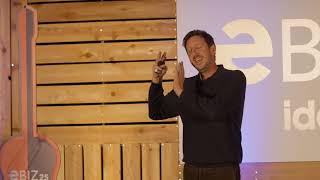
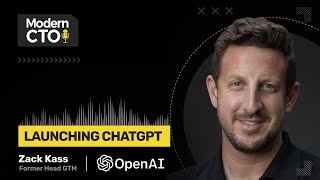
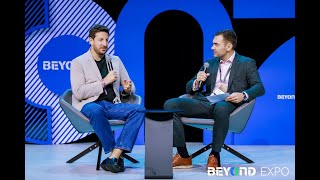
In this keynote, Zack Kass defines "agentic AI" as autonomous machines that can execute tasks and pursue goals on a user's behalf across browsers, data lakes, and applications – essentially a fully functional, always‑on Siri. He introduces the concept of an "automation boundary," the personal limit where one would stop automating tasks, and explains how probing this boundary quickly reveals hidden preferences and values. Kass illustrates that when personal or executive assistants are unavailable, leaders become acutely aware of the many low‑leverage activities they have delegated, exposing what they truly care about. Rather than obsessing over what AI will do next, he advises CEOs to focus on what AI cannot do, identifying the limits of automation and building a competitive moat around uniquely human, "humanistic" qualities. Drawing on work with about 30 CEOs, he argues that optimizing for these human traits is the most effective strategy for future‑proofing companies in the age of agentic AI.
Chapters
The problem with autonomous agents is that people don't actually know what they are. So I will define them and then I will explain why this matters. Agentic AI, machines that can execute tasks and goals on our behalf, across browser, across data lake, across application. That's it. It is a Siri that works. This is how I describe it to anyone. Agentic AI is wild. It is wild for two reasons that people are not telling you. The first reason that agentic AI is pretty incredible is because as we start to use agentic AI more, a lot of people are going to discover very soon how many preferences they actually have. What do I mean? There's a thing called an automation boundary. An automation boundary asks a very simple question. If you could automate everything, where would you stop? It's a fun question to ask people around a table tonight at happy hour, ask someone, if you could automate everything, where would you stop? The answers get crude very quickly, so be careful who you ask. There are some things we all agree, so most of us agree we shouldn't automate. What's amazing about this moment is we are approaching asking some short term automation boundary questions. Some of you have assistants, personal and executive. Your job, the job of your assistant is to do things on your behalf that you don't feel like is high leverage. Of course you're a servant leader, so nothing is beneath you. But if something were beneath you, you would assign it to your assistant. And if your assistant went on vacation tomorrow, you would quickly discover all of the things they are doing that you no longer want to do. The decisions they are making on your behalf, you would discover how many things are happening that you no longer care about. Everyone asks, what's AI going to do next? Everyone wants to know, what's my moat? What's my moat? How do I build around AI? And what I'm trying to convince people of is instead of trying to figure out what AI is going to do next, try to figure out what AI is not going to do next. Try to find the limits of what we want to do and what we want the machines to do. And what I've basically realized in working with about 30 CEOs in the last year on AI strategies designed around the things that AI cannot do. It is quite simply optimizing for humanistic qualities. All things being equal, this is the single best strategy I have for making yourself future proof.