Ming at Agents of Speech shows how to use structured tasks, cues, and physical prompts to get a child to imitate speech sounds. When a child struggles with imitation, clinicians simplify the task and mix in less rigid therapy to keep it from feeling robotic and frustrating.
Chapters
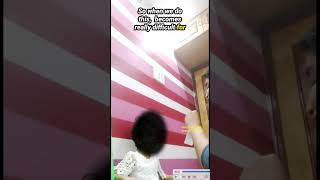
So, as you can see here, the mother is using some cues and prompts, using a paper, if you can see it, and also a mouse shape to get the child to start speaking and imitate her. And this is a very structured task. When we're doing this is because the child doesn't really know. She will imitate some, but the accuracy is fairly low. So when we do this, it becomes really difficult for us to get a good result out of it. So this is only one part of the therapy. Don't get me wrong, people out there on the Internet is like, oh, you're only doing like very robotic stuff with kid. That's not true. There's only one part of it and we still have to do it because you listen to the quality of imitation here. Keeps on trying and then the kid starts shouting, right? So that's no good. We try something that is lower than the current level. And usually what that means is that going from a speech sound, we go down one level lower. Maybe some oral motor stuff that you will see a lot of speech therapists use.