Wednesday live: Activities for Speech Delayed Children at Home | www.AgentsOfSpeech.com
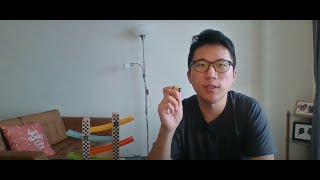
Ming shows parents how to build simple routines like tickle games and peekaboo that make kids want to talk. Use one word at a time, celebrate any attempt to communicate, and fade prompts gradually for speech disorders like apraxia.
Chapters
Hey, welcome to the second day of our live series. We go live every Monday, Wednesday and Friday. And we're doing this for basically answering your questions and also for me to branch a little bit and talk more about all the things that I've been talking about on the YouTube channel, on Facebook, on my blog posts as a long form, as a long format to let you know what I'm thinking. And when parents ask me online, it's also a place where I can tell you in long form in a longer way to actually solve your problems. So in this video, in this live, I want to talk about specifically activities you can do at home right now for a speech delayed or speech or language delayed child. There is a difference. Usually when people say speech delayed, they mean language delayed. Right? But anyways, so what kind of activities can you do? Recently in our Instagram, on our Instagram, which you can go follow, it's mingphone speech. We did talk about, like some activities that you, that you can do, such as peekaboo, such as tickling, such as turn taking games, throwing balls, Bubbles, Mr. Potato Head, that kind of stuff. If you need a whole checklist, you can go to www.agentsofspeech.com checklist to get all the toys and tools that I recommend. Anyways, and then what was missing in that post was actually how to implement it. But I was thinking I couldn't. I wasn't able to actually write a very simple, like, how to do list. Like, it's not as easy as it is because I could tell you playing Tickle, you know, but me doing it and you doing it, and maybe the teacher doing it, someone else does it, is very different. The result will be very different. And that's because there's the mindset behind it is very different. Okay, so let's talk about tickling, because you need no tools for that. You really need no tools for that. So, for instance, when you tickle, what you're actually doing is to set up a routine. Set up a routine. And what I mean by routine is, first of all, you need to understand, you need to know that the tickling is actually fun for the child. Fun first before you actually go in. So you got to check it out. If your child hates you rubbing your tummy like a cat, whereas, you know, they love you tickling their tummy like a dog, then, you know, don't do the tickling if they hate it. So if they like it, then we can go on. So a lot of people would not a lot. Like, they just don't Know how to do it. So tickling, you cannot tickle all the time or same as all the. All the activities. You cannot do it in, like, a really long thing. Because how we play with children in general before is that we give them everything you got. You know, you keep on tickling for, like, two minutes straight and then leave and do your own stuff. But it doesn't work like that if you're trying to get language out of the child. So what you do is you tickle a little bit and then you let go of your hand. Okay? Hey, and this works for all toys and whatever if your child is at that kind of level. So you can tickle a little bit and then let your hands go, okay? And when you do that, you're building an anticipation, right? You only tickle for, like, two or three seconds. You put your hands up, and as you put towards their tummy or their face, when your child tries to, like, push your hands down to it, that means you're successful. That means it's something that's cool, it's fun. When they do that, they're communicating, so you don't need them to talk. All right? The biggest, biggest mistake is to get your child to talk before they even totally understand routine. Because talking is such a hard topic for them, they might as well give up. When you do that, they don't feel the need to actually have it. So instead, whenever they touch your hand or, like, they move their tummy towards you or they look at you, you should tickle. All right? And how much should you talk in the process? Not a lot. Okay? You should only say the word tickle. Okay? Because let me give you an example. If I tickle a child and I keep on talking. Oh, you want tickle? You want tickle? I'm coming, I'm coming. You want to come? Yeah. It's fun, it's cool. But it's not at the level of your child, right? If you're. If you need to use tickle as a means to get your child to talk, then you know, this kind of talking will not help your child right now, okay? Because it's too much talking, man. It's very chaotic. Keep it as simple as possible, okay? So the whole process looks like this. Whole process looks like this. Take a look for three seconds, hands up, Wait for your child. If he likes it or she likes it, they're going to look at you, and as you move closer, they're gonna feel that anticipation. They will laugh before you even touch them. So when they laugh or they look at you, you go, tickle, like that. And you wait again. You wait and then feel that anticipation when they look again, when they push your hand or whatever that they use to initiate that, the signal that they want more. Just go and say, tickle. Like that. Keep on doing it. Tickle. And then build some anticipation. You go, no words, right? I'm just making sounds. I'm just making a fool of myself on camera, just doing stupid stuff. But this is what you need to do with your child. You need to, like, build that anticipation and then go back. And then when they want to, when they look at you, they show a sign that they want to be tickled. You go for it. Tickle, tickle, tickle, tickle, tickle. I got it. When they understand the routine, it works like magic. It will work like magic. Because what will happen next is that your child will suddenly say some sound or some whatever word that might be typical. Might be whatever. But if your child makes a sound or says a word that you don't understand, you're still gonna go for it, because that's still the way that he is actually talking to you. Okay? Whatever sound. Because the intention is the most important thing. Do they have the intention of looking at you, anticipating that you will actually tickle? And then when you tickle, when they say ah, like that, even that I'm gonna count as tickle. And you're gonna acknowledge it. Okay, you're gonna acknowledge and say tickle. Good. Like that. And give your child that. That tickle that they want. So as you can see, when I talk about, like, just tickling, I can go on for seven minutes straight. So it was very difficult for me to give you instructions that weren't a nesting. You know what I'm saying? So, yeah, this is how you would do it. And slowly, when your child can actually say the word, what you want to do then is to give prompts and cues, right? So now that they know that you will tickle no matter what, and it's not by chance, if they try to let you know by looking or whatever, signing that they want more, then you can actually say the words and see if they will imitate, right? This is the time you're still sticking to one word. Still sticking to one word. It's not because it's not about the content of the word. It's about the use of words to start a communication with you. Okay, I'll say again. It's not about the content of the word. It's not about the word itself. It's about using the word to initiate a communication with you, that's the most important. If you can understand that, then that's excellent. Because it doesn't matter if we use the same word over and over again. And a lot of parents say, hey, isn't it going to be very boring for the child or whatever. Hey, man, that's not the truth. First of all, you are deciding for a child. That's number one. Number two is children love routines, man. Get it from me, I can play a routine for a whole hour or two if I wanted to. And the reason why you feel like your child doesn't like, doesn't like it is because you didn't build up the anticipation as you would have. You should have. Just checking out my mic. Yeah. So this is how you should do it. Okay. When your child is communicating non verbally to look at you and then you can actually add a word to it. Okay. You can say tickle. Okay. And yeah. So when you say tickle, do they answer or anything? Even if they don't answer, you should give them because there's a link between your word and the action. Slowly, when they have a sound, you still acknowledge. Say tickle. Good. Like that. Okay. So slowly, slowly, slowly, slowly. They will, after like maybe a hundred times, they will start to have sounds to initiate communication. So we have a question here for Margaret. Hey, Margaret, how are you doing? She says, my son starts babbling words. He understands what's the meaning, but he still not understand that word. Help him do order. How to stimulate him for doing. Understanding the words important. Okay, so. Doing order. I don't understand. So what can you clarify a little bit? Because. So your son babbles words, he knows the meaning, right. But he don't understand that the words can help him with. Help him doing. Sorry, man, I'm just gonna answer this the way that I understand this question. Okay, so how to stimulate him for doing. Understand the words that are important. Okay. I mean. Oh, the need to ask. Right? Yeah. So sounds to me that your child has already some of the content, like the words, the meaning, whatever. But using the language will be different. Okay. Using the language is. Using the language you have to have an anticipation, a need to actually use the. Use the. Use the words. So for instance, you have to choose some words first and then you need to think about the activity. All right. That's what you need to do, Margaret. So let me give you example. So just now I was talking about tickle. Right? So you can talk about like other words. You may find a word that he Knows already. Let's say that it's the word that you're shooting for is eat. Okay? So if you want to teach eat or any word in the beginning to have that link between the need, the thing and the need to ask, first of all, you need to make the thing that he's asking for, it becomes very scarce. What I mean by scarce is it's not really easily obtained. You know, I'm saying, like, there isn't enough of it. That's why he needs to ask for it. And how you control it is that you control it, Margaret. Okay? You control how much of the food or the snacks there are and how you do it basically. How you do it basically, is to go put all the snacks in a little container. You can actually go to agentsofspeech.com there's a PDF on the front page that you can download for it, okay? And it's pretty cool. So what you can do is put all the snacks inside the little box and then shake it so that your child wants to. Wants to come over and get it. But the thing is, the reason why they want to ask is because the box is very hard to open. You understand? So you need to find boxes that are hard to open. All right? I like to use boxes that are like the ones that you twist, and it's very big, the lid is very big. So they cannot put their hands on it. All right? And that's the best, because now they don't know what to do. And they have to ask you, right? So once they cannot open, what's. What's going to happen next is this. What's going to happen next is this. They're going to try to take your hand and try to do something to it, but it's going to be impossible for them to open. They're going to take your hand and they're going to try to do that. And then you can teach the words because they already know the word, right? So what kind of words can you teach here? You can teach twist, you can teach open, you can teach help. And then when you help them open, you take it out. And then you can teach eat or give, right? You can teach give first. So they need to say give. Okay, cool. Here you go. So the reason why we use a box and we use, like, small pieces of stuff is because now we can actually. Now we can actually do it a lot of times, you know, now we can do it a lot, a lot, a lot of times. Until your child is consistent with using the words that you use. All right, so Marvis says he handed it over to me to open but not say the word. Right. So you have to help him in the beginning. If he's not saying the word for it, then you should use gestures for it. All right, so it seems like if a kid doesn't use the words for it yet, most probably it's because they don't understand, number one. Number two is words are actually harder than you think. All right? Using words is harder than. Than you think. So I would use a gesture in between to bridge. Okay. I use a gesture in between to bridge it. So what kind of gestures can we use? We talk about it a lot on this channel. And what we use is like, open, open, like that. Or just tapping on your shoulder doesn't really matter. And then what you can also do is. What you can also do is, like, start with very easy sounds, like, maybe vowels even, because they might babble some words, but actually getting it totally correct is super hard. So what you can do is, like, you can start with really simple vowels and you go like E for open, like. Like using strength or like ah or o or whatever. So you can try those first. And it takes consistency. So the first time, the reason why we keep on doing it over and over and over and over again is because we need that consistency. We just need him to do it, like 100 times at least, using, like, gestures and whatnot to help him understand. Okay, so there's a link between the sound and the word and the action. Now, he only understands that there's the action and not the words coming with it. Okay, so you try first, Margaret. So use gestures to help you. Go to agentsofspeech.com on the front page. You can download the Five Minute Activity. It's exactly what I was talking about. That one I have put into words. So you can try out. If you have any questions right now, Whether you're on YouTube or Facebook, you can just type it on watching, and I can answer your questions. Okay, let's move on. So a number of you have actually reached out and said, hey, I've already downloaded that checklist from you, Ming. Like, you know, the one from agentsofspeech.com checklist. How the hell do I use it? Well, the thing is, first of all, is that I need to know what level your child is in today's video. I want to. I want to talk about kids who don't really use words yet, number one. Number two is I want to talk about kids who are combining words together and aren't making full sentence yet. Okay, so we talked about tickle, and then we can talk a little bit about peek a boo. Okay. Because these ones, you don't need any toys or anything. So these tickle, by the way, tickle. See, I haven't finished talking about tickle. I've been talking about it for like 10 minutes. So tickle is really cool because you can also help your child to combine words together. And what I mean by that, once your child understands that tickle means like that and when they say it, you tickle them, the next step you can teach is like the body parts, where to tickle, right? So you teach them tickle face, tickle forehead, big old eyes, ears, tickle neck, pickle mouth, pickle tummy, tickle shoulders, big old hand, big old feet, big old leg, whatever. You can teach them all those things. And it's actually a two word sentence already. Okay. Because they need to use tickle. And then plus the. Plus the body part. And it's very apparent to them because now you can tell them that they're already using a verb correctly because it must be correct. There's only one verb that we're using right now, and number two is when they say the object behind which is the body part, it directly references to where he gets the stimulus to get the tickle. So it's very, very intuitive. Okay, So I do this a lot. And after that, I will teach one more verb other than tickle. All right, I might do. What do I do using. Oh, I do swing. Right? I do swing. So this is also very, very good way to engage with your child right now. Okay. Hello. Hello. I don't know why the mic thing. Just tell me if you can't hear me or anything. Okay. Because don't know why the mic icon on YouTube doesn't show that it's going up. Okay, here we go. Yeah, yeah. So other than tickle, I use swing. All right? And to swing how I do it, I take two hands of the child and I swing like that. And if you're a client, you've seen me done it before, I do it on a lot of children, not anyone. After five, though, it becomes kind of like they become too old for it. But anyways, so you swing like that, you swing your hands, you can swing your feet, you can't really swing their head, right. It'll be dangerous. So I teach a few verbs that I can do to their body. Swing, tickle. I can't think of anything right now. But anyways, that's how I would Engage. Always show them first. And then, oh, thanks, Margaret. You do hear me. Good job. So, yeah, that's how I would go for it. And then the next one is like, peekaboo. And you do it like, exactly how you would with tcl. So peekaboo even works for most. Let me tell you a story. So back in the day when I was working in ABA center, and there was this kid who had, like, that was diagnosed with, like, what's that called? Moderate asd, moderate autism spectrum disorder. And all he did all day was just jump around and say, car, car. And then he wouldn't use the words correctly when he wanted help, he would just, like, pull my hand slowly. Same story, right, Margaret? And a lot of parents who are watching this. And then when he was angry, he would throw stuff. And one of the things that really opened up our communication was peekaboo, right? And this little kid, I'm not going to tell you his name, but he's like, one of my favorite kiddos, my students, because he was my first nearly. So what happened was that when we started to use peekaboo and we taught the mom how to do it, although the mom didn't really do it, which is a bummer, that little kid started to really want to communicate with us, and that's what we wanted. It's not about, like, teaching peekaboo. It's a useless skill, man. Like, why would you want to learn peekaboo? But the thing is, it helps them to understand that we are resourceful. We are toys as well. And we're more than toys because we change a lot, and we have a good relationship with them. Before that, we feel like a vending machine. But after making a social interaction with a child, especially someone on the spectrum, it opens a lot of doors and windows for you to start teaching stuff. So that's why I want to talk about using these stupid, stupid ways like peek a Boo, tickling, swimming, to make a routine and open up your child to you. It doesn't matter if your child is already babbling or talking by himself, like two to three words. I remember that kid who was who had moderate ASD, right? He was reciting stuff from the movie car. You know, like the one with Lightning McQueen. He loves it. And he would say a whole sentence from the movie, but he didn't even know how to use a word to communicate. So this is what I mean. So how do you do it? So basically, first of all, you need to make it fun. First. When you peek a boo, I like to cover their faces. Like that. So obviously, if your child is scared of the dark or like claustrophobic or anything, don't do it. But the thing is, you need to try out to see if he likes it or not. So what I like to do is I like to cover their eyes and I go peek a boo. And then when they look at me, I make a silly noise. And the one that I go for usually is a lip trill. This. Like that. And yes, it makes you like feel like a little clown. And this is what you are, to be honest, in the beginning. And it's kind of like a jack in the box. Have you seen that before? So, you know, you wind it up and then there's like an anticipation. Don't know when it's going to pop. Right. It's the same as peekaboo. So you make routine for them. And I would use this for children up to four. Okay. Up to four. After five, it becomes a little unnatural. Like, why would you even, why would you even teach peekaboo to a 5 year old, even if he's non verbal? You know, I just don't think that's the best use of your time. You can use other stuff. So you go like that, you cover the eyes and you go and you wait and you say boom. Like that. See what happens if they laugh and they like it like that? Then you're successful. Okay? If you're not successful, try a few more times. By a few more, I mean like 20 times, man. And that's because a lot of people actually give up before the routine becomes fun. A lot of people think, hey, it's not fun anymore. They have no reaction. And yeah, because you haven't done it enough times. Right? So it's the same as any activity or any you're teaching anything. Repetition is the key to success. Okay? In any given circumstance, no matter what you're teaching, repetition is the best. But bad repetition, like if you're repeating something but it's not working, you need to know when to stop. Sorry. Margaret, five years old, doing peekaboo. Yeah, well, I'm not saying that you. I'm not saying that it's totally wrong. You know, of course you can go for it. It's just that I think there's better activities that you can use at that age. But if you liked it, then by all means, just go for it. Right? It's just, I think that it's, it's by cultural standards, you know, we just use it for younger children. Okay? So when you do that a few times. And Every time you change the sound effects a little bit, maybe a tongue trill like that, like Indonesians would do it perfectly. Not really Chinese people or Westerners per se. But you can change your sound effect every time so that they look and so that they feel like there's an effect afterwards. So slowly, slowly, they will start to help you finish the booth because you're anticipating it, they want it to happen. So when you say, and then if you wait long enough, your child might give out a sound, it might not be boo. It might be boo. All right? Like that you will still give them the satisfaction. You will say boo and you open and you be as silly as possible. Okay? So again, I want to emphasize it's not about the content. It's not about the content. It's not about if they get the word correct. That's totally opposite to what we're trying to do. It really isn't. So you need to focus on them giving you, communicating that they want to do something with you. No matter what. They're using their hands, their face, their eyes moving closer to you. Sometimes when I do peekaboo, what happens is that they're forcing their face out of my hands. It's like coming out. So when that happens, I know that they're trying to communicate. I'm going to let them have it because most of the time children who are language delaying already kind of understand the sounds. And they can make a bunch of sounds. It's just that they don't know how to use it yet. So if you discount and ignore the ways that they communicate with you, then what will happen is that it will be less likely that they will talk to you with words. Okay. If you don't accept gestures or don't accept like nudges or whatever, then it won't work. Alright, Alrighty. So let's get on to the next activities that I want to talk about. The next activity I love to use a lot is actually cars. Cars. And especially the car side. Car slide. I'm sorry, Car slide. And if you've been watching me long enough, I've actually been talking about car slides for a lot because basically I like to use it a lot, number one. Number two is when I was working in Hong Kong, my first job was chief therapist. The senior therapist there used it a lot and he taught me how to use it in a very good way. Of course, afterwards I would like add my own twist to it and stuff. But it works, man. That's why it's the most important toy that we bring to anywhere if we're going out. Cars like, oh, man, it's over in my room. I'm gonna go grab it. Please stay with me for a bit. I'm coming back in a bit. All right, Real quick, real quick. Give me a second. Yes. All right. This one you can use up to, like, whatever age you want. Okay. To be honest, this one you can just do whatever you want with it. I would say stop at 6, but, you know, therapists always say it's not natural. It's not natural for your age. What if my kid is like 6 or 7 and still not talking? Then do I still use this? Well, to be honest, use anything that would make them talk, Right? Doesn't matter. So this is a car slide that I use a lot. It's very cheap, by the way. You see, it's plastic. It's made in China. Not to say that China stuff is bad, but, you know, some of them are good. But the mass majority, vast majority of which is rather lackluster, right? So this is a car slide I bought in miniso. If you have miniso in your country, hallelujah, they make a lot of good toys. You just need to find it when they actually have it, because sometimes they don't have it. They kind of, like, cycle around. And this is super cheap, man. This is. How much was it? I think this was like, like a hundred thousand rupiah. Indonesian rupiah, which is like $50. Hong Kong, which is like a. Around $8 USD. Yeah, there you go. So you have a lot of cars here, right? The first thing you do with any toys is that you show the box, and when you show the box, you shake it. Kids get like, they know what's. Either they know what's inside or they don't. Doesn't matter. They would want to open it. So you might as well use this chance to. To make them talk a little bit. So as we talk about especially Margaret, right? Oh, you have that but broken in two hours. Yeah, yeah. Buy one more, man. Like, let me tell you how to use it. So first of all, here there's a tab, right? You let them try. If your kid is super strong like Margaret, don't let them tear it out, because it's gonna break. But what I like to do is, like, I teach them, like, I put their hand here, and I put their hands together and say, open. Like that. Good. Open. Pull out the tab. So many more times to open. Look. So many more times. And then you go like this half and you say, oh, look, what do you want to do open. Good boy. Like that. And then you can do it around three more times. There's one more flap and two more inside. So you can say, open. Good boy. And then you do it again. Open. Good. That's one more flat last one. And then you help them again. Open. Doesn't matter if they don't talk. And then afterwards, you take everything out. Don't let them see all four cars. Start with one first. Because if you do that, if you give them everything in one go, you're not gonna last very long. All right? You're not gonna last very long because they get all the toys in one go, which kind of sucks. So what I like to do is to either put it in the bag or in a little box and then put this away somewhere and use only one. So show them this. And again. Remember, it's about building anticipation. Building anticipation. Same with the pika boost and the tickling. These kind of games. You build anticipation. You need to tell them that when you do something, when they say something or do something, there is an effect to it. Alright? So you have to build the routine. So what's the routine here? First of all, car. They need to have it first before they can play. So what you can do is another open palm that I've been talking about a lot. So you can do this. Take your hand. When they try to grab it, right? Take your hand, flip it, give it to them. Car. Good boy. When they put it down, hold on to it. Don't let it go yet, okay? Don't let it go yet. And then my cats are playing with the box. So hold on to it, don't let it go. And then you count 1, 2, 3. Okay? 1, 2, 3, go. Is also anticipate. Like it makes the child anticipate. It's like the peekaboo. So you go one, you can go one, two. Oops, three. Oops. I let go already. So hard to film and do at the same time. One, two, three, go. All right, so I screwed up here. And the reason why is because the last slide is facing outwards, which is not good for you. And the reason why is because slides away, your child gets it. So you need to flip it over and make sure the slide comes to you, all right? So you do it again. Once you grab it, the child's gonna be like, whatever, right? So what you do is like. But I like to play a game, which is what. My boss taught me this, by the way. It's pretty cool back then, that Xbox. Now I work for Myself. But anyways, here, you show him like this. And then you tell him to open. He's going to try. And he knows that it's inside. He's done it many times. All kids, they know for a fact that stuff is inside your hands. When you do that, when you clinch it hard. So they try to open it and then you teach them, say open. So when you do that, you can still help them to do the gesture, right? You can put the two hands together and say open. Good boy. Open. The wrong one. Haha. And you can teach them and say empty, none, nothing, Something like that. Just say it. Don't need them to reply, just so that they understand the concept. Okay, and then one more hand. They know it must be inside. And this time they're gonna like really try. So this time you gotta be fast. Take your hand and go open. Good boy, open. See? Car. Before they snatch, pick it up, put it up top. When they go like that, change the hand, turn to open, palm and then say car or give. Whatever you like. All right? Doesn't matter about the word. Okay, doesn't matter. The word doesn't matter. So I need to close the box. All right, Once you do that, once you have it, put it on top of the slide and then count again. They're going to try to put it down. So like hold it with one finger. You see, it's impossible. You're stronger than your child for sure. It's just that they're fast. You didn't anticipate that it will be that fast because you think they're children, but actually you should treat them just as any human being and you will be able to control the car. Okay? So once you do that, you can help them and say 1, 2, 3. And you can put your finger here just to go. Let it go down a little bit and then put it back up. Like 1, 2, 3. And then you wait and you say go. Oops. So when it gets stuck, you can also tell the child it's stuck, right? See, this time you didn't see it. This time it's successful because it came back to me like this. Okay. Margaret says that he's stronger than her, mostly. I don't think so. I don't think so. But you know, because they don't use their. They don't like, try to restrain their strengths. That's what I. You know, they don't really care. They just want to get the thing right. So once you've done this a few times and you're successful, they understand the routine. Let's do it again. Like, after it rolls back to you. After it rolls back to you, what you do? You take it, you go like this, Rub it, go behind, show them which one. You say, ask, choose. And then they're gonna try to open both, right? Obviously. So you take one away and you say, okay, open this one. And then you help them open. And then it's empty, right? And then you try again. This one, this one, try to open. And then you see that there's a lot of. When I talk, there's a lot of gestures involved. You know, I show them what. Exactly what they want. Like that. So open. Okay, Open this one. Oh, there you go. Car. And before he can, like, snatch it, change your hand to like that. Hand to like that. This is very, like. This is very good. If you do this whenever they go like that, you can always, like, twist it, twist it like that. There's some Chinese kung fu for you guys. So, yeah, you can do it for anything. Okay. And then when they try to grab it, use these three fingers to flip them away like that. Another skill that you'll never see in books, it's through millions of times where, like, children try to snatch stuff from me. Like, learn this. Wrist movement is very, very useful. Okay? If you're holding your phone, flip it away anyways. So like that car, like that. Put it here. Hold it with one finger. Don't let them go. Say, one, two, three, go. And you want to ask. You see, when I was like that, that's a body language for actually, like, going up and making them anticipate something to happen. Right? That's actually teaching them a routine too. Okay? So when it stops, I will also say, stop, and I'll help them fix it. And it goes back to the table, towards myself. And the routine starts again. Okay, let's see. Vonnie says, meng, some kids are very strong. Took three people to hold my child down. Only for her pediatrician. Check her mouth. Yes, they're very strong. They are very strong. But you're stronger than them. That's what I mean. Okay. Yeah. Trust me, man. I've worked in a special needs school where kids are like 18 years old and taller than me. And whenever stuff happens, they call the PA, the Public Announcement System, and they ask for help. And because I'm a guy and I'm rather, you know, I'm kind of like. I look like I'm strong, but I'm actually just kind of fat. So, like, they always ask me to, like, help out. So trust me when I say It. We're actually stronger. We're just scared that we're gonna hurt them. You understand? So what I mean is, don't be scared of them, because it's not about a brute strength. It's about being smarter than them and faster than them, which is easy, right? You. You know that the path that they're gonna snatch stuff is in a straight line, right? Just twist stuff away from them. Okay. And Vonnie, great, you're here. I want to talk to you about, like, when you're doing this or you're handling any toy that you need to give them or any food that you need to give your child, you can switch like that. But whenever you do this to a child, when you do this to a child, that sends a very bad signal to him or her. And that's because when you do that, usually without understanding any language, let's say that you go to. I don't know, let's say you go to a foreign country and then someone offers you this thing and you really want it. Let's say that you do. When you try to grab it, you go like that. What are they going to think? What are you going to think? My guess is that you're going to think, okay, he's not letting me. There's something I need to give in return, maybe, or something that I need to do, right? So when you do that, your kid doesn't understand there's an exchange. They don't understand there's an exchange. That's why they're not talking. Because if they understand there's an exchange, they need to talk to get something, then they would have talked already. But the thing is, they don't understand there's an exchange yet. They don't understand the power of speech. So that's why when you go back, they think it's a rejection. When they think it's a rejection, they would either do two things. Number one is they get pissed off. They would get angry at you for not giving it to them. Number two is they think it's rejection. They don't think it's worth it to try anymore. So they become disinterested. Okay? So these are very, like, fine, fine things you have to do, and that's why it's not working at home. Therapists knows these kind of stuff. Obviously not all of them, but most of them know this kind of stuff that these kind of body language and gestures do, kind of do kind of make it become like that, right? When you pull something away from their visual field, it means rejection in Their mind, okay? You have to remember that keep it at the same distance to them, okay? You can. When they're grabbing, you can do that. You can push them away. It means something else when you block someone from doing something, but it's still right in front of them. It means their method is wrong. Okay? It means their method is wrong. And you can see it when. If you have a pet at home. Okay? And why I say always use like animals as example. I'm not saying that teaching your child is like an animal. I'm totally not saying that. What I'm saying is without language, without language, what do they understand, right? What do they understand if they don't understand? You're talking, what do they understand? You're looking. Okay, so let's say I give my cat. This one doesn't really work. This guy is like. This guy has some problems tracking food. So I cannot really train him that well. If I put it right in front of him, he'll just miss it. So there's something wrong with him. Don't know what it is. I'm gonna bring him to acupuncture once this virus gets away. But anyways, so if I put a piece of food in front of a cat and I just put my hand in front, they're just gonna stay there. My cat's gonna do it. But if I take it away, they just walk away because they think that I'm not giving it to them that I've taken away already. They won't try anymore. Alright? So you have to remember that. All right, let's get back to this one. So after you've done this routine for a lot of times, you've done a lot of times. And then you can start getting more cars into it. So it's only one. And the reason why a lot of parents tell me, can I have another? Can you teach me another activity, please? Me or whatever. It's because you have been giving them the whole thing in one go. You should slowly upgrade the level of fun or else it's not fun anymore, right? Imagine playing. There's not many games that we play as adults. Stop it. Stop it. Go. So you need to slowly upgrade, okay? One car, two cars, three cars. And now you can actually have more choice for them, right? And why is it more fun, you ask me? Well, because you can upgrade it like this. You put two together and it actually goes like this. Check it out, Right? If I put it on a table, I'm scared that you won't see it. Let me try. So you cannot Put the toy, by the way, pro tip. You cannot put it. Oopsies, dropped my mic. I am not getting good at this. Okay? You cannot put the two cards together like that, like together, because it's gonna get stuck. What you need to do is you need to let it. Let one go first and then go the other. So if you go one to My cat's in the way. Go slate. Go away. Good boy. All right, you go 1, 2, 3. Let the first one go first and then the second. Now it's fine, all right? Because it sounds there's more stuff going on. All right? So again, what you do is, like, you put it here after you get it, and then you say, open. Open. Oh, blue car. Good boy. Here we go. Flip the hand. Put it on one more. They must want it. And then they open again. And then you start the routine, right? And slowly you add, add, add, add, add, add until four. So four cards. Four cards. Four cards are like this, right? And it's hard to manage. And because only your hands are big enough for it, your child's gonna like it. So what I like to do is I like to put it all the way here. I'll let it go first. All right, guys, so there's a lot of sound, a lot of motion involved, and that's why it's fun for them. Okay? So whenever you're playing with a toy, you're starting a routine. You need to remember or keep in mind what is the thing that you're trying to make them do. All right? Most of all, it's just going to be requesting with the open pawn. All right? And then what's the routine? Lab? What's the routine like? How are you gonna get the toy back? But this one is easy. How are you gonna get a ball back? Well, by kicking it so hard on the wall that you get it back, right? So you have to think in advance. And why am I, child, being very, like, disinterested so fast? Maybe you haven't upgraded yet. You have to start from the lowest possible level for playing, and then you just slowly upgrade and make it funner and funner and funner. There's no fun in a game where it's too easy and you get everything you want. Think about all the games you play, all right? If there's no little challenge or nothing to upgrade on, it's not going to be fun, right? So, you know, keep those things in mind. All right? So I'm going to put my cable back and keep on talking. So cool. That's how you do things cool. That's how you use the car slide. If you haven't, you should go to www.agentsofspeech.com checklist to get the checklist of toys that I talk about. I think I'll talk about Mr. Potato Head in a different video because that itself I can talk for a very long time. So I'm still open for questions right now. You can put any questions here if you want to. And if not, I'm just going to keep on going whilst waiting for you guys and take a sip of coffee. Okay? Yeah. So really, to be honest, sometimes it isn't about the toy itself. A lot of parents, whenever they come, they're like, oh, Mr. Ming, how come your toys are so good? You can, it's so engaging and so fun. And then they ask where I buy it and sometimes they buy it from me. And I'm like, no, I don't, I'm not selling toys. I'm not at toy sales. Which is a side story. Every time I go out to like to kindergartens with a bunch of toys, which all therapists do as well. Like if you think like all speech therapists, they do that, they bring a whole luggage of toys. And then because I'm a guy and I'm wearing like semi formal, when I go there to like do consultations, they think I'm a toy sales, right? But when I heard that, I'm like, yeah, that's exactly who I am. I'm a toy. I'm a toy sales. But not to the teachers or the parents, but to the end user, the children. All right, so parents asked me, hey, how come you have such cool toys? And my kids are so good and somehow they find it online, they find it on Amazon, they find it on like Shopee. If you're in Singapore, they found on Tokopedia. They found it on like, they found it on Taobao or something. If you're in Hong Kong or China and or Lazada or something, I don't know. And after they find it, they bring it home and then try to play with the children. It's not as fun. And they're like, hey, how come it doesn't work at home? Is it because of your air? Is it because of your, like your table? Is it? What is it about? Well, obviously it's because how you use it and how you like slowly upgrade, right? You do not use the whole thing in one go. And tell me if you want to, you would like to know what the, the toys I have here and where to get it. Most of the toys I buy are from Hong Kong just because I'm from Hong Kong. So I brought them over. So if you want it, I can try and let you know where to buy it. And maybe I can send it to you as well. Doesn't matter. But just let me know if this is something that you guys want, because right now there's no way that you're going to come to me anyways. So. Yeah, so you cannot start with the whole thing. Sometimes parents will put everything out and just set it and forget it. But that's not the right way. Remember, you are a toy sales. You're a toy sales. You need to sell the toy slowly. You cannot just go right at the top. So I think that's Johanna. Right? Any tips for playing with a simple puzzle? Yes. So a simple puzzle, you can actually just put it inside a jar with all the pieces inside. So let's say it's like. It's like a transparent jar and you just put all the pieces inside. And then you shake, shake, shake, shake, shake, shake. And then whenever they want it, they will get it. Like, open the jar, give me cow. Oh, here you go. Give me cow. Here you go. And then after that, what I like to do. And also I learned this from the senior therapist in Hong Kong as well. What you do is you get the puzzle and you go like, put, put, put, and then you put it on to the board itself. So when you hit the puzzle pieces on the table, it kind of creates a routine, right? And you teach them to say put. The verb put is quite useful to. To be honest, especially in Chinese. But in English, it's still okay. I mean, we use it a lot and. Yeah, we use it a lot actually. Can you put it over there? Put the spoon in or whatever? Yeah, we use put a lot, actually. So when you say put, put, put, and then put cow, like that, it creates an anticipation as well, because the child now knows that he has to say, you're going to say put three times before he can put the puzzle on. So making the puzzle have two routines. Number one, it's inside a transparent box, so that he needs to open the box to get a certain thing and he needs to choose. Right? Oh, Margaret, no problem. You're welcome. You're very welcome. Yeah, Please try, as I tell you, and then let me know if you run into any problems, which I think you will, because, you know, I cannot show you like a real kid here. Right. So there's two routines. Number one is that the box and they have to choose what's inside, Right. Sometimes if kids are very particular about which piece they want next, that's excellent because now you can make them say it nicely, right? So inside the box you can say like, get the. Get lion. Let's say it's a lion puzzle, right? Get the lion. Alright, get the lion. Here we go. All right. And then they need to say, give me the lion, mommy, give me the lion. I'm like, okay, what are you gonna do next? Put the lion. Put, put, put, put lion. Like that. And when you put it on, make some sound effect. Like, that's what I always say. Like, no matter how old your child is, or if you're like talking to friends, sound effects goes a long way. So when you put the puzzle onto the piece, if you use some sort of sound effect, it would make it more fun. So one of them I like is like, boom. That kind of stuff. Don't make me do this live. The sound effects is very embarrassing. But anyways, try it. Like whoosh or something. Like just anything will do, right. Whenever you put the thing on. That's why, like, puzzles with sounds are such a big thing with kids. Right? Okay. So Zavana. Hi, Zavana, how are you? Says how to decrease the prompting if child always asks for prompting. Yeah, so depends what prompt you're talking about. And by the way, Zavana, because again, I need to let everyone know that Zavana is her child, is my client. We've been working together for a few months now. So I know my answer can be a lot more direct to her and not like, general, because I know what's happening. All right, Savannah, you need to understand, if you're talking about speech, if you're talking about speech specifically about this client, she has apraxia of speech. All right, if you guys don't know what this is, I'll talk about this in another video. Maybe if you're interested. And for speech sound disorders, what we call particularly apraxia, if you want to decrease a cue for talking. Right. You're talking about decreasing cue for talking. Just let me know there's a delay in comments, but just say yes or no. Okay, I'm just going to keep talking. So you cannot decrease the prompt. If she is having a very, very hard time pronouncing a certain word. Okay. You can only decrease the prompting for a word in the same word in succession. What I mean by let's say she is trying to say remote, a word that we've been teaching her as a functional word. So the first time, she might say, like that, right? And you're trying to help her and saying it together. Remember, Sivana, that we talked about? Saying the word together helps her a lot because of her condition. So you say let's say remote together. One, two, three. Remote. Like that. You cannot decrease the prompt for that one at that moment, you can only do it for the next trial. So let's say if you want a teacher to say remote, you got to do it five times. And each five times, you have to decrease slowly until spontaneous. That's how it works for speech sounds, especially apraxia of speech, and especially for words or sounds that she can't do. All right? So you have to do it in succession, meaning one trial after another, one trial after one trial after another, one trial after another. Okay, that's specifically for this client. Any of you that have speech sound disorders, like Johanna, like the F sound. It'll be different. Okay? You can fade it out pretty soon. So if your child is still asking for a prompt, you can just decrease the prompt by like. It's like that. But Savannah, your kid cannot, because she knows what's wrong and right. That's number one. If she's asking for prompts for speech, then that means she can't do it. When she cannot do it and you don't provide the prompt, she's going to get frustrated. She gets frustrated. She's not going to want to talk to you. She doesn't want to talk to you. She doesn't want to practice. So it goes on a vicious cycle, and it goes nowhere. So the best way is just to prompt her for speech. If you're talking about. Right. So if you want to decrease the prompting, you have to do it one after another. So let's say she's asking for food, and she comes up to you and say, like. And ask for help. And like, I don't know what she's saying. Maybe she says fish or something. Fish or something. She likes that. So you have to make her say it five times or something. So the first time is like, oh, say together. One, two, three, Fish. Right? And she goes, fish. That's correct. The next time say, okay, I'm gonna help you decrease it now. So the first prompt is saying it together, full on, looking at the mouth, singing together at the same time. One, two, three, fish. After that, it's just a delayed imitation plus the mouth shape. So I will say like, oh, bye, Bonnie. It's okay. Please go work. You're very welcome. And then the next step is to say it to say, copy me fish. And then when she tries fish, you give the mouth shape. You go like that. And then the next step is to say, okay, say it yourself. Copy me. One, two, three, fish. And then she says fish like that. So slowly decrease it until it's spontaneous. The spontaneous part should be a question. You will ask her, what do you want? And then maybe you'll do the sign just to help her a little bit. And then she fish. Good. Now that's the way how you decrease the prompting systematically in one go. Because the problem with apraxia speech. Sorry if I'm going too long about this. It's very important that Zythana knows. And this is how in depth of step by step I can give you if I know what's happening with your child. Okay, so tell me more. It's easier for me. So this is how you go systematically down. This is what we call. I forgot the word for it. I'm very bad with names from the book. But you start from total help to no help. As one sent a practice of speech children have. They lose the mode of planning for saying certain words. So you have to train them from the ground up to spontaneous for each word. All right. For children, like Johanna's face, where it's only one sound, like the F sound or like the T sound or whatever that's missing, you can systematically decrease the prompt normally, right? You can do a bunch of like you can keep on doing and then five times when he's okay, and then you can decrease like the ABA method, you know, and then you go and then know nothing. Spontaneous with five. And then you can go on to like, F plus vowels. Right? But the thing is, for a practice of speech, you must do it for each word and each speech pattern, because it's just impossible. Would this process be helpful for early speech delay, too? Yes. To be honest, Johanna, if you've actually played an instrument before or you've learned singing before, a lot of times what people do, the teachers do without knowing the theory behind is they say it together or like they sing it together or they play the song together. It helps them to understand. Exactly. It's easier for them to do it for you to finish the song or to actually play the instrument or sing. So the same would be beneficial to just general speech delay or disorder. Actually, Johanna, your child, if I am not wrong, I haven't seen enough of him, is actually more of a speech disorder. All right? Because he's missing out on a lot of sounds that are acquired pretty early. But he has sounds that he's not supposed to have too, at this age. So it's kind of like it's more of a disorder. Right. But it doesn't really matter, just for you to know. Okay. So this actually helps a little bit for them, but it's most beneficial to apraxia of speech. It was beneficial anyways even for if you're learning a foreign language. So let's say you're learning Japanese. If you say it simultaneously with your teacher, it's actually quite okay and you learn faster. So it's always good to say it together. And it also makes them understand that you're on the same boat. Okay, so we've come to the end of the hour today and I need to go through some other stuff now and keep the questions coming. I'll keep on answering them in the comments. If you are watching this on a record and you cannot get to the live video. Okay. And we're going live every Monday, Wednesday, Friday in the morning in Jakarta, where I'm from. Not from, sorry, where I'm living right now. So it's 9:00am Jakarta, which is, I think 10:00pm Eastern Standard Time in America, which is easier for anyone who isn't living in Asia to understand. And. Yeah, that's probably it. Do let me know. I will be seeing you guys again on Friday. Okay. And going live. Yeah. This format is quite cool. So I can deep dive. If I know more about your child, it's easier for me to tell you exactly what's happening. And it's. This kind of stuff helps a lot for parents because when they see me answering questions for other children, it helps them. It helps other parents understand that there's a process, number one. Number two is, is there anything that you can try on your child that I'm saying right now? Does it make anything? Yeah, wait, I'll just finish answering Zyvanna, because I think it's very important. So what about the ASL main. She also wants me to prompt. She will give me her hands and close her eyes after I said the words example, when she comes to me. Sorry, I need to see more. Example, when she comes to me and I know she wants to eat fried fish, and I know. Then I say, oh, fried fish. And I give her hands. Give her hands to help me sign fish. Okay, I'm trying to understand. Okay, close your eyes. Okay. So if you know what she wants. Right? If she knows what she wants, it's pretty easy. So you can. Once you say, oh, you understand, you say, oh, fried fish. And she Wants to give her hands to sign fish, then it's fine. And then you can say, let's say fish together. Let's try. Okay, so you cannot. She already has a natural way to initiate communication with you. Right. So that's fine. What we need to do is to make the speech pattern spontaneous again. So once you say, oh, fried fish. Oh, fried fish. Good, good fish. Okay, whatever. And then you say, let's try fish together. Okay. Let's say together, 1, 2, 3, fish. And then you go through the whole thing again with her. You have to initiate to help her build back the speech pattern. All right? Or else she's going to be stuck with asl, which is fine, to be honest. If she's using ASL to initiate some form of communication, that's good as long as it keeps that way. I hate to see her to, like this client to actually, like, don't want to talk to you anymore. I'd rather she still want to talk to you with the asl. And then when. By the way, ASL is American Sign Language for the uninitiated here. Okay? So I'd rather she talked to you in asl. And then you use. You tell them. Okay, we can say the word together. Let's practice so that next time you'll tell me same fish. Okay? Say together, one, two, three, fish. And then you go down the. The queuing hierarchy. You go down, not spawn, like simultaneous production. Meaning say it together afterwards. It's just the mouth shape, right? You say fish. After that. You want to help her a little bit with some gestures in the hand if you want to. So you can. Like that. Just like that. And then the next one is, what do you want? And she says it herself. Spontaneous production. So go down the thing like that. Okay? So I hope this was helpful. Let me know how it goes, Ivana. And let me know how she's doing in toilet training, because it's been two weeks. I want to know if she can finish and just do it herself. Okay, thank you so much for tuning in. Thank you so much for tuning in. And I'll talk to you very soon. And Savannah. Yes. She. She wants to prompt her hand and sign. Don't want to say it all. Then just hold the fish on hostage. Right? Just hold the fish on hostage. Make her say it. It's incredibly hard for her right now. It's incredibly hard. Yeah, it's incredibly hard for her right now. Anyways, that's the time, Zavana, if you want to, you can just private message me and I'll talk to you guys soon. Yeah. Bye.










