What's the Difference Between Classic and Virtual Autism?
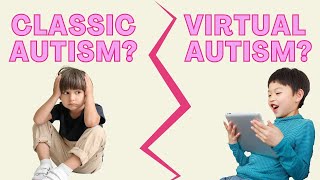
YouTube video by Ming @ Agents of Speech explaining the informal term “virtual autism,” arguing that screen time does not cause autism but can produce autism-like (language/social) symptoms by reducing quality interactive language input. Ming emphasizes correlation vs causation, recommends removing/reducing screens and pursuing evidence-based therapy and professional diagnosis (useful around age 2–3, clearer by age 4) so children can access supports.
Chapters
Hey, so today we're going to talk about what's the difference between classic autism and virtual autism? First of all, a quick disclaimer. I'm not saying that there's something called virtual autism. It's just a term that has come out in the past few years. I've made some videos about this and there are people reaching out to us every day talking about, oh, virtual autism, is it my child, Is screen time causing autism? These kind of things. So I get this out of the way. Screen time does not cause autism. Autism is a developmental disorder. It happens for no specific reason. We don't know yet. At this moment in time, we don't know. There are some parents out there who ask me, oh, is it their brain function? Whatever brain waves, brain structure? We actually don't know. We don't know. If we knew, then it would be a lot easier to handle. And by the way, even if we knew, it doesn't mean that we have a solution for it. Right. We also know that Alzheimer's is the brain basically shrinking. Right? But what can we do about it? There's nothing we can do about it. Because as much as we know about the physical symptoms, it doesn't mean we know the underlying issue. And even if we can fix it or whatever, then through I don't know what means, are we playing God or not? Right. So there's a lot of these ethical things we could talk about. But today we're going to focus on what's virtual autism. So virtual autism is like a term that a lot of professionals do not like, me included. I'm okay with it because it borrows the symptoms from autism and it says that, oh, this person has autistic like symptoms because of screen exposure or whatever it is. Right. So there are a lot of a bunch. If you want to just comment below, I'll just link the studies about how screen time affects expressive language and receptive language. And you know already that this is like the fact overstimulation with screen time takes away time, that is quality language input. So it doesn't mean that the screen time made a child language delayed or disordered. It means that what are they using with the time? Right. If they're not talking to you, they're not playing with toys, they're not interacting and having a social life, then their language will be slightly impaired. Right. It's just common sense that way. And now we have a lot more studies that talk about that. Right. And it may or may not be that it's like correlation doesn't really mean causation here, right? A lot of times you will see and go out to restaurants, you go to pizza, you go to McDonald's, go to wherever, right? Children on baby chairs, they're already watching Cocomelon, but you also see them already talking in full sentences. So it doesn't mean that if I give a child a phone, which I'm recording on right now, that doesn't mean that they will become speech and language delay. Right? So where does this virtual autism word come from? It came from a Romanian psychologist. And obviously the naming convention is easier. Why it's so infamous nowadays is because it catches on really easily. And basically you can say that the naming sucks or whatever, but at the same time, what's the correlation between a pineapple and an apple? Right? What about JavaScript and Java if you're. If you're a computer nerd, right? What about grape and grapefruit? Just because there's a word inside of the name doesn't mean it's anything like that, right? And you see this in the naming convention that is across, that's easier for people to understand. So, for instance, monkeypox, right? Monkey flu, whatever. Me saying the name here might affect how YouTube pushes my videos. I won't say any controversial naming conventions for other viruses and other diseases. But you get what I mean. Sometimes in order to describe something, you have to take something that people know about and to describe it. That's why virtual autism is so hit nowadays, because we get 10 messages every week on, across our social platforms and on our email asking, hey, is my child virtual autistic? Is there a way to get rid of it? What's the difference between virtual autism and classical autism? First of all, you have to remember if it is virtual autism. I'll put air quotes here just in case you're listening to this instead of watching. Is that if you take away the screen time, right, does it improve your child's communication? If it does, who cares if it's virtual autism or classical autism or whatever you call it, right? And on Agents of Speechless Channel, we're huge proponent of, you guys don't care so much about the diagnosis because it's up to the professional to do it, right? And we only get to a point where we can say, oh, this is the real diagnosis here, right? At around like two to three years old, okay? So if your child who isn't talking yet, they don't even imitate, how do we even know what the diagnosis is if we can't get a child to imitate a Lot of times we cannot. We can only observe through behaviors. And if we observe through behaviors, it's very easy to go symptomatic approach. Do they look at you? Do they respond to the name? Do they whatever. Do they whatever. Like all these are just checkpoints. And I've said this many times, you have a headache, it could be a lot of things, right? It could be that you could have just a common flu, it could be that you have a sinus infection, it could be that you have a brain tumor even, right? It can get from not severe to all the way to here, very severe, right? So just because there are symptoms doesn't mean either this or that, right? So then you need to go on and do more diagnosis work, which is actually therapy, right? If you go on and teach your child to imitate and whatever, then you will start to be able to differentiate. Okay. A lot of. I'm guessing that if you're watching this video right now, it means that your child is around 2 to 3 years old because you're thinking about, oh, is my child virtually autistic? Right. And only at that, around that age range, people ask that question because at 4, people are very sure whether a child is autistic or not. It's very apparent, right? And you say that, oh, for autism is a huge spectrum and nowadays there's a lot of misdiagnosis. The studies still tell us that right now we still are missing a lot of the diagnosis for ASD for Autism Spectrum disorder. The reason is because the spectrum is huge, right? And we're going to miss some people down the way. Some people will say, oh, you misdiagnosed my child is autistic or not. Right. Whilst that's bad and that's not cool to label a child as such, but you also get a lot more help. Today I was speaking to a longtime client of mine who's a Singaporean. She said that her child is finally five and going into mainstream primary school the next year. And they said that they could join on the premise that he gets a diagnosis and then they get learning support. Flashback at two and a half. He wasn't talking at all when we just started with parent coaching and he's finally done it. So at this point in time, I think important to get a diagnosis so that you get the help, right? So if that's the case, if only getting a diagnosis will help you to get the individual needs, learning support, speech therapy, ABA ot, a shadow teacher that helps the child on a daily basis in school, I think it's Worth it because by the time you're fine, you already know. It's very apparent that your child is lacking in some instances. And the diagnosis will help you get the resources to get help. Right? It's very important. But if you're watching this and you're like Your child is 2 or 3 and you're thinking, oh my God, is my child virtually autistic or classical autistic? So, so don't think about that because there really literally is no point. If you think so, then maybe you should get rid of the screens right away and start playing with toys and teach them with therapy techniques that we talk about on this channel. Or you can just listen to any other therapists out there. It doesn't really matter because at the end of the day you will still have to go through the steps to teach your child the things that they were lacking of in the very beginning, which is talking. Throw away your screens for now. Think about how to do a. Do it systematically. We talk about it inside of the courses. You can go to www.agentsofspeech.com course and I want to tell you whether it is or it isn't or whatever. You asking these questions isn't helping the situation. It really isn't because it's very simple. You take away the thing that you think is causing the whole problem and when it's still there, then you know you still have to go on and do a lot more work to teach your child as much as you can, right? Go away from thinking this. I rare say don't do something, right? But here it's actually very useful for you to stop and don't overthink this, okay? Take away the phone, take away the tablets or use it as a reward when you're teaching something. And if it gets better, then it gets better. Then you won't have to think about whether it is or not. Or maybe it is down the line, who knows? I really don't know. But I'm telling you, if there's a there is a trend and a correlation between children's language development and screen time, then obviously it's smart not to do, right? It's always smart to limit it. Right? Just as everything health related. If you know that there's a correlation between smoking a cigarette and getting lung cancer, what's your best bet to do is to stop smoking or smoke as less as you can, right? So that's all I have for you in this video. If you want more and learn more from us, you can go to www.agentsofts.comcourse and you can grab all the free courses that we have. It's also inside a free community with over 1,200 parents like yourself there. All right, so I'll see you inside in the community. We can have a chat over there. And that's all for today. Thank you.










