Buying Off-Plan property in Dubai or Secondary? Which is better (2025)
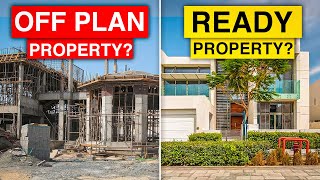
Aiden compares renovation flips to off-plan property investing in Dubai. Off-plan deals can generate up to 40% return on equity with payment plans and quick resale before handover, while renovations tie up capital for years with contractor delays and tenant laws. Off-plan suits offshore investors; renovations work for hands-on ones.
Chapters
Here's a question that I get asked all of the time: Aiden, should I be investing in a renovation project in Dubai, or should I be buying something off-plan and flipping it on the handover? Both sound like great strategies, but here's the thing— just because something works well in one place doesn't always mean that it's a smarter strategy to grow your wealth here in Dubai. So in this video, we're going to break it all down— the pros, the risks, and the investor logic. Let's start with renovations. For a lot of people around the world, buying a tired property and doing it up, selling it for a profit makes sense. It's hands-on, it's personal. People actually think that by doing this, there's more chance of them making a bigger margin because they're putting their own work into it. That's not always the case. Here's what really happens: contractors can delay, prices of materials can fluctuate, and not only that, here in Dubai especially, you have to get an NOC from a developer. So who's to say that that developer is actually going to approve the NOC that you're looking to do, or even delay that approval? It's really not as simple as buying, renovating, and flipping as everybody seems to think. And even after it's done and years of headache, you're still guessing whether what you've built is tailored to the correct market at that time and whether the buyer is willing to pay the price that you're expecting for it. And until it sells, your money is just locked in doing nothing. Now of course, if everything lines up, then it makes sense. Now don't get me wrong, there's a lot of people doing it correctly, and if you do it correctly, you can make a lot of money doing it. But if you've got no experience in that industry and you've never bought a property here in Dubai, does it really make sense when you don't have the right contacts for the architect, the contractor, project manager? These key players that can literally make or break the deal— how reliable they are, how costly they are, and how good quality their work actually is— can be the difference between making a profit and making a loss on a renovation project. Most of the time it's stressful, it's slow, and it's risky. That's what you see here all the time. In Dubai, people make the mistake of buying the wrong property in the wrong area, the wrong price. They don't have the contacts. It just becomes a big headache. They're in the deal for much longer than they expected. The funds are tied up, and most of the time they either break even or make a small profit, and you think, was it worth it? Whilst on the flip side, the opportunity cost is that they could have invested in an off-plan property. They could have bought that property 12 months before handover, and they could have literally made 40% return on their equity, all without the headache and the stress that renovation projects bring. Now, when it comes to off-plan and investing in off-plan, time in the market is crucial. There is a difference between buying off-plan from a developer and buying off-plan from somebody else. They've already purchased it from the developer, they've held it for a year, maybe 2 years, and they've made a bit of premium. But don't get me wrong, buying that from somebody else isn't the worst thing in the world. A lot of investors think that paying a little bit of a premium on the original price is a bad thing, but here's the trick. What I do and my strategy, and all of my investors do— what I advise to my current investors, buying it from somebody else, paying that owner a premium, they walk away happy, but you ride the last wave, the last 12 months before completion, and you generate the most premium on that property, and you get to generate the highest return on equity based on what you've put in and what you can get out of it. Because with off-plan, the key is to leverage the payment plan. You only have to make payments in drips and drubs whilst that property increases in value. Therefore, your return on equity is significantly more with much less investment required because you only need to make the payments in small increments over the course of that payment plan. Now let's talk about the alternative. What if you didn't have to touch the property at all? What if the property wasn't even built yet? You wouldn't even have to think about it. What if your so-called renovation wasn't so physical and more strategic? And that's exactly what off-plan is. The key is to buying earlier in the cycle, buying something that's 12 or 18 months away from handover, riding that last wave and then selling it upon completion. Now, why does this work? Well, because the demand for end users rises upon the handover stage. Not only does it rise, but buyers can leverage mortgage. They don't have to spend so much cash upfront. They can literally just take an 80% loan from the bank, meaning that offers increase. When it comes to flipping property on the handover, there's two different strategies that you can follow. You can either flip it before handover, or you can flip it after the handover. Now, there's a common misconception that if people flip after the handover that there will be an oversupply in the market and it will outweigh the demand. That's not always true. That depends on which developer you're buying with and how they stagger their handovers. Some developers might hand over all the units in one go. Other developers like Emaar, they tend to delay the handovers, and I've mentioned it in previous videos as well, where they might do 4 units per week and totaling 16 units a month. Might even take them a year to complete a whole project. But again, that is only in your benefit as the investor. The other strategy being selling it just before the handover maybe 1 to 2 months before recycling your cash into another project. Now, this all depends on current situations, whether there is a good project for you to reinvest into, or whether you can ride it out and maybe sell it after the handover. But if you're going to flip it before the handover, it's great. You can make maximum return on your investment because you don't need to make that final payment. Usually in most developments, there is a large chunk due on the handover. It's when the developers charge it tends to be the largest installment on the payment plan. You might have a 60/40 payment plan, 80/20 payment plan, 50/50 payment plan. Regardless, the latter number is always the largest because it's the amount that's due when you get the key. Therefore, by you selling the property before you have to make this payment and then putting that payment onto somebody else— because the payment plan is transferable— then they make the payment, you make the maximum return on investment. That's the difference. You might not make the highest sale value, but you'll definitely make the highest percentage gain on your equity. All of this with no hammers, no delays, just timing the market and getting in at the right entry point. Now, I'm not here to say that one strategy is good and the other one's bad, because both work. It just depends on your own goals. Now, if you're somebody who likes to get involved, gets hands-on, they like going shopping for bathrooms, they like picking tiles, then maybe the renovation project's for you. But if you're somebody who's a little bit more hands-off, maybe you're an offshore investor, you might not even be here in Dubai to manage a project, you might work a day-to-day job that's just really intense, or you might have multiple other businesses, then definitely going for the off-plan route is better suited. Here's the thing, if you want something that's scalable and repeatable, then off-plan's the way to go. Because with renovation projects, what happens when you come to completion and you sell the property? You've got to go hunting for another renovation project. By that time, 2 to 3 years have gone by, market prices have inflated of course, and you're going to be in the market with a lot of other people as well who are looking for the same renovation opportunity. And if the margin's not there, then what's the point in doing it? With the off-plan strategy, you can leverage the payment plan, meaning this is great for bulk investors, people who really want to scale up. And at the end of the day, what's the most important thing to any millionaire? It's their time. That's why there's so many bulk investors here in Dubai. You could literally take on 5 units, 10 units at any one time, and it wouldn't cost you any more headache, nor would it cost you any more of your own time, because you're making your money work for you. Within a renovation project, you've got to work for your money. Some people might say that, oh well, I can hire a project manager, they can do the works for me. You've still got to find the people, you've still got to find the right property. So even though you're paying somebody to manage the project, but I guarantee you're still going to have to oversee and manage the whole thing anyway. There's a few key hotspots for renovation properties here in Dubai, and if you find the right property in that hotspot, you'll do well. But the problem is every investor in the market who's planning to do the same is also looking for that one opportunity. Not only that, but the owners themselves, the people who are selling the properties, also understand the opportunity. Even if they don't have the money to do it themselves, they inflate the price of their property purely down to the fact that they know that there's a margin to be made if a new owner comes and purchases it from them. So now you're just overpaying for a tired property. And the second reason that investors are finding it so hard to locate these opportunities comes down to the tenant. Now, it's all well and good picking up a tenanted unit if you can kick them out. Here in Dubai, the tenants' rights are pretty strong, and not only does the owner have to serve a 12-month notice, even after the 12-month notice, the tenant can still appeal it, which means you're in court for another 6 to 12 months. And this This is all before you can even start the works. What's the reason behind all this? Why would the tenant go through so much headache so that they can stay in the property? The problem is all of the hotspots that are really good for renovation projects and there is massive potential are also the hardest areas to kick tenants out of. And the reason is the older properties, the older communities, which means that they've probably been there for around 10 years before they're even worth renovating. Now, if you were to buy into a new project and you had a tenant in there, so what does that mean? Some families might have lived there for 7, 8, 10 years even. Times. And if they have lived there for that long, which it can only mean one thing— when they first moved in, they signed a tenancy for a much lower rate than what the current market rent is. They could be paying 800K now, and next door could be up for rent for 2 million dirham. There is a massive difference. And even if the owner had served a rental increase over the last 8 years that they've been living there, as per Dubai law, the legal amount that any landlord is allowed to increase the rent every year is minimal compared to the speed that Dubai market's been growing. So if the market's been increasing 20% year on year, however, the owner's only been allowed to increase their rent by 5 or 10% every year, then there's a 10 to 15% deficit every single year. Over 8 years, that's quite a lot. So that's exactly why these tenants are willing to put up a fight, because they don't want to be paying the current market rate if they get kicked out of that house, making it 10 times harder for any investor to buy a rented option for renovation here in Dubai. Well, what's the alternative? Because it's not as simple as just going and buying a vacant property. Very rarely is there any vacant properties available in Dubai. But secondly, the owners who own the vacant properties, they're going to be asking a lot higher than what the rented options are in the market, meaning that your profit margins are narrowed down even further. Let's compare both side by side. No flashy numbers, just the big picture. For a renovation, more control, but also a lot more responsibility. You have to deal with the contractors, managing people the additional costs, the unforeseen costs, the unforeseen works that were not expected, the approvals, and so much more. The success of the project or the investment as a whole is highly dependent on whether what you build suits the buyer's demand at that current market time. When it comes to off-plan, it's simpler. There's a cleaner entry, less headache, and it's predictable. You can look at a ready project at a price per square foot that's handed over in the same community and just compare that to what you're buying at off-plan. And you can already predict your margin. The case study's already done for you. And on top of that, it's much more scalable. It's all based around the payment plan, the demand, the data, and the developer's delivery dates. One is hands-on, one is hands-off. One is unpredictable, one is very predictable. One comes with headache and the other is scalable. If your focus is to flip once every 2 to 3 years, then renovation projects are great for you. But if your goal is speed, clarity, and stacking the returns, then off-plan is the smarter and more scalable move. One of the most important aspects of investing is liquidity, especially in a market like Dubai. With off-plan, if you need to liquidate an asset, you can liquidate it within 24 hours. There's no physical asset. They don't even need to view the house. You're selling the SPA onto somebody else. With a renovation, what happens when you're halfway through the project and all of a sudden you need to liquidate or you need some funds for other reasons? Well, you're gonna hope that there's another investor in the market looking to take on a project that's half complete, maybe not to the taste that they wanted to do it. They might want to even get rid of all the work that you've done and start from scratch. So are they going to offer you really true market value for that, or are they going to offer you below market value, potentially lower than you even paid at the time? Your liquidity is hard when it comes to renovation projects. You could put it on the market for a month, 2 months, it might not sell. Plus, it's a ready property, so they're going to come and view it they're going to pick out a few issues here and there. They don't like the way this is done, that is done, and any unforeseen works, anything to chip away at the price that you want. So if you want your assets to stay liquid, then you need to stick with investing in off-plan. Let's sum it all up. Here's how I explain it to my clients in simple terms. You're not just buying properties, you're buying time, control, and certainty. Renovations are great for control, but you're not getting the certainty. Off-plan gives you leverage without the hassle. So if you want me to help you time the market, get into the right off-plan properties ride the wave for the last 12 months. So drop me a message in the first link in the description. We'll jump on a call and I'll help you out. Now, if you're considering renovations, that doesn't mean that you shouldn't reach out. I'm always happy to help people, but it might be worth having a conversation about strategizing and just being open to other market opportunities and just being aware of other investment strategies, because one might work better for you than the other, because it's not a one size that fits all. And that's all for today. Thanks for listening, and I'll see you in the next video.