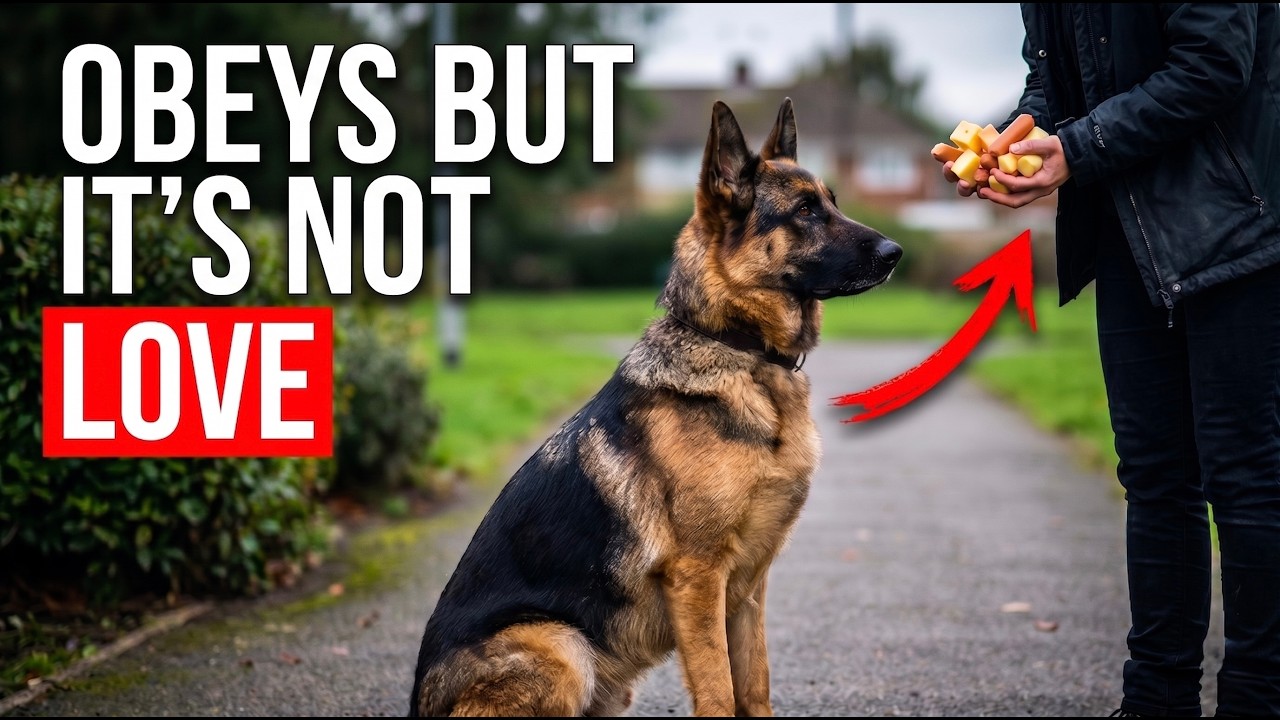
In this forceful YouTube monologue, speaker Max O'Neill debunks the myth of "small‑dog syndrome" and argues that reactive behavior in tiny breeds stems from owners treating their pets like babies rather than dogs. He illustrates the point with a detailed case study of Bob, a French Bulldog in Perth who was over‑babied, kept in a pram, and exhibited severe anxiety and reactivity. O'Neill outlines four concrete interventions that transformed Bob’s behavior: (1) tethering and crate training to build independence and frustration tolerance; (2) structured tug‑of‑war games to channel predatory instincts; (3) increased physical activity and off‑leash exploration to provide mental and physical fulfillment; and (4) controlled exposure to triggers, rewarding calm responses to desensitize the dog. The video concludes with a call‑to‑action offering a free program and in‑person help for Perth owners, urging them to stop making excuses for their dogs’ size and to apply the presented structure to eliminate reactivity.
Chapters
Is your Dachshund, Frenchie, Jack Russell, or any other small breed an absolute fucking nightmare when they see another dog? Do they bark at every dog they see? Do they bite your ankles when you try to move them off the sofa? Do they lose their mind when the doorbell rings? It's not because they have small dog syndrome. That's a complete myth. It's just a convenient excuse that owners use to justify the dog's bad behavior. The truth is much harder to swallow. Your dog is a terror because you treat them like a bloody baby instead of what they are— a dog. You've completely stripped them of their identity and you've replaced it with the identity of a baby, which I can you, they are absolutely not. And I get it, they're small, they're cute, they look up to you, those big eyes, and it's incredibly easy just to pick them up whenever they're scared. But when you do that, you are creating a monster. A 5 kilo dog has the exact same genetic instincts, the exact same predatory drives, and the exact same need for structure as a 30 kilo working dog. The only difference is that when a 30 kilo dog lunges at someone, it's a liability. And when a 5 kilo dog does it, people laugh and say, ah, that's cute. It's not funny because It's not cute. It's stressful. Not only for you, but also it's incredibly stressful for your dog. Let me tell you about a Frenchie that I worked with here in Perth. His name was Bob, and Bob was the definition of spoiled dog. His owners loved him to death, but they babied him to the point of absolute dysfunction. He was so terrified of the environment and other dogs that he was only ever taken out in a pram. Think about that. A dog, an animal descended from wolves, being pushed around in a park in a pram because he couldn't handle the world. He slept in their bed every night. He was never alone. If they went to the bathroom, guess what? Bob followed them. If they sat on the couch, Bob was on their lap. And because of that, it was an anxious and reactive nightmare. He had zero independence. He had zero frustration tolerance. If he didn't get what he wanted exactly when he wanted, he'd throw a tanty. It's exactly like a spoiled child in a supermarket. If a child is never told no at home and they are given everything that they want, what happens when you finally tell them no in public? They scream, they cry, and they throw themselves on the floor. And Guess what? That was pretty much Bob. He'd never been told no, and he had no idea how to cope. To fix Bob, we didn't use magic, and we most certainly didn't use medication. We used structure. We had to do a complete 180 on his lifestyle. We had to stop treating him like a fragile infant and start treating him like a dog. There were 4 big needle-moving activities that we implemented to turn his behavior around. If you have a small reactive dog, then these 4 things are going to be the things that you need to do today. Activity number 1 is going to be tethering and crate training. We had to give Bob independence. We had to teach him that he could be alone and the world wouldn't end. We had to start tethering him in the house. We attached a lead to a heavy piece of furniture. We gave him a bed, and guess what? We left him there. He couldn't follow his owners to every room. He couldn't demand attention. He had to learn frustration tolerance. He had to learn how to self-soothe. And at first, he hated it. He whined, he barked, he threw a tanty. But eventually, he He realized that that tantrum did not work. He sighed, he laid down, and he went to sleep. And that's the big win. Those are the light bulb moments, and those are the moments when everything starts to change. Even a Frenchie has predatory instincts. They want to chase, they want to bite, they want to win. So we started playing structured games of tug with Bob. That wasn't just mindless playing. This was structured. You dictate when the game starts, you dictate when it ends. You're finally giving that genetic energy an outlet. If you're feeling guilty about your dog's reactivity, then I'm here to help. You're not a bad dog owner, you've just been fed the wrong information. But fear no more, that knot that you get in your stomach every time you grab your dog's leash, let's fix it. We've put everything that we know into a completely free program, and it's going to help you solve absolutely all of your issues. Did I mention it was free? Click the button below and get access right now. Activity number 3 is going to be physical fulfillment. We got Bob out the pram, we took him to quiet spots, local ovals, quiet beaches, and we got him off the leash. We him actually explore the environment for the first time in his life. A tired dog is a dog that can actually learn. If you try and train a dog that has a bunch of energy, it's going to be a bit of a nightmare. It's like trying to teach a toddler the alphabet after feeding a bag of sugar. You're fighting a losing battle. Activity number 4 is going to be controlled exposure. Once Bob was physically fulfilled and once he had learned frustration tolerance in the house, we started to gradually expose him to his triggers. We didn't throw him into a busy dog park We sat at a distance away from his triggers, whether that was other dogs or people. We didn't ask for any commands. We just watched. When Bob looked at a trigger, whatever that was, and chose to remain calm instead of reacting, we marked and we rewarded that behaviour. We were changing his emotional response to the environment, dogs, and people. We were teaching him that the presence of a trigger doesn't mean he has to react. It means he gets paid for being calm. The result? Bob's behaviour completely transformed. We went from a shaking, reactive mess in the pram to a dog that could actually exist in the real world. He could walk on a lead. He could be off the lead reliably. He could see other dogs without losing his mind. He could be left alone in the house without destroying it for the very first time. Bob became a dog. Good on you, Bob. If you're struggling with a small breed dog, you have to look at yourself in the mirror and ask, am I treating this animal like a dog, or are you treating it like a baby? Stop making excuses for their size. Stop letting them get away with murder just because they're cute. Give them boundaries. Give them fulfillment and give them structure. If you do that, their reactivity is just going to disappear. If you don't, you're condemning them to a life of anxiety and stress. The choice is yours. If you're in Perth and you need help implementing this structure, hit the link in the description. We specialize in turning these hopeless cases around, and let's get your dog back to being a dog.