The Lesson That Changed How I Train Reactive Dogs
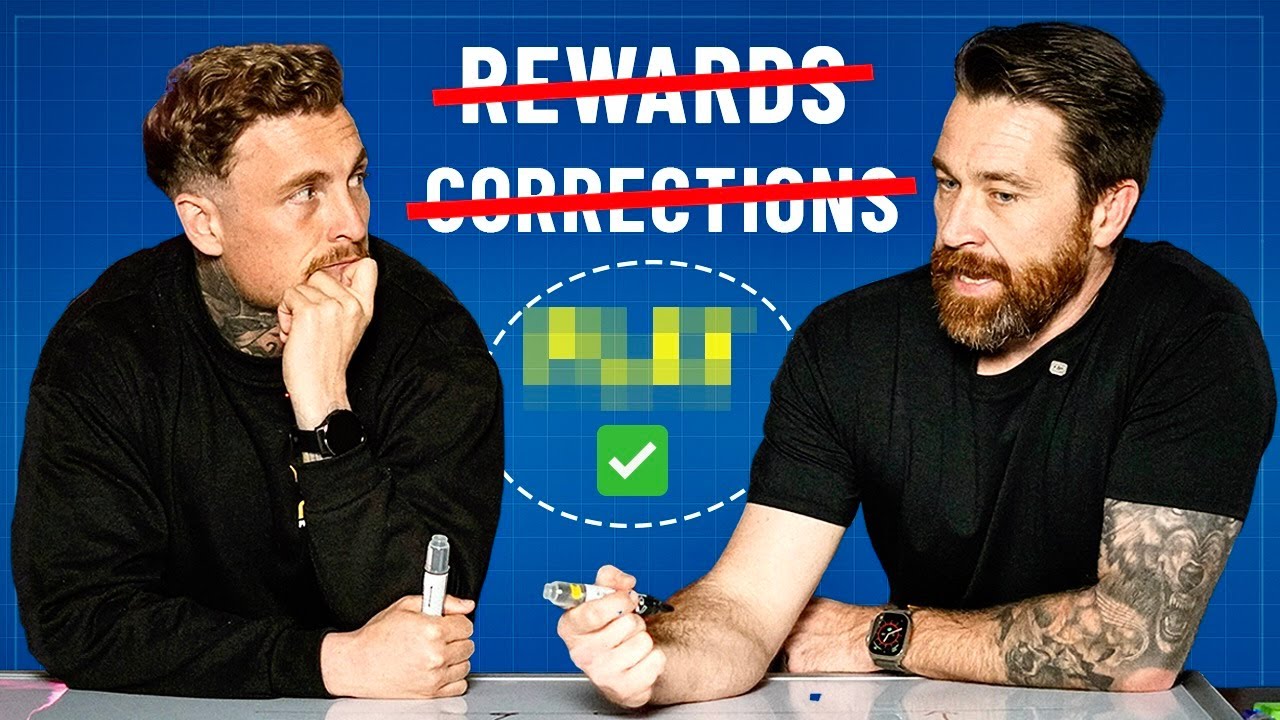
Pat Stewart, a former Special Forces soldier and dog trainer, argues that handlers must match their reactive dog's emotional arousal level to gain influence. He maps emotions onto a vibrational scale and shares stories about his Springer Spaniel Valerie and a pig-hunting dog facing a kangaroo to show how shared arousal enables control.
Chapters
I traveled 28 hours just to have this next guest on our YouTube channel. If you're a subscriber, you should already be familiar with him. If not, then let me introduce you to Mr. Pat Stewart, a former Special Forces soldier turned dog trainer who has spent the better part of the last 10 years educating dog trainers on best practices. I'll be honest, the conversation you're about to see changed how I even train my own dog and definitely how I explain certain things to my clients. So you are guaranteed to get value. Of the next hour. Enjoy. Hello, Luigi. Guys, I appreciate that there are literally millions of other channels fighting for your attention at the moment, but this might be the only channel that actually give all the ad revenue from YouTube— they pay us, um, to a dog charity. So if you want to help little rescue dogs like Luigi here— yeah, it's a guilt trip— uh, hit that subscribe button. Over 50% of you that regularly watch this channel I've checked in the analytics, you haven't subscribed yet. So I know everyone says this, but it does genuinely mean a lot to, to us and dogs we help out if you just hit that little bell button. Enjoy the rest of the video. Pat Stewart, kind of a big deal. We spent the last hour trying to figure out what we're gonna talk about, and you've thrown a curveball into the mix. I've got no idea, so I'm gonna hand it over to you. Yeah, the floor is yours.
So something I've been thinking about, and I like haven't really I don't sort of put this idea out there too much, uh, except at boot camps I teach in person.
Okay.
Um, and I was about to make a video for the weird stuff section of my course, but here we go. We'll talk about it now.
Brilliant. So it's exclusive is what you're saying.
Totally.
Totally. Where's this going? Where are we going?
Uh, mate, so one of the things that, uh, in the last few years as I've gone more and more into sort of like weird spirituality type stuff, is these, I've gotten right into these like 7 Hermetic principles and they are the principles that basically determine the way that the universe works. And they're like, it's pretty broad, but the third principle is vibration, right? And so the principle of vibration says that everything moves, nothing is at rest. Okay. And the idea being that, you know, I am no quantum physicist and I barely understand my own job, let alone other people's jobs. But the idea is that, you know, when we, when we like observe an atom and my old logo sort of was to this effect as well, is that like we think that there's this nucleus or the electron or whatever and these protons or electrons or whatever the fuck they're called spin around outside the thing. And when we look at them, we draw them as being there, but they're not there. They're everywhere. So like quantum physics collapses the wave particle, right? You, you observe it and when it's everywhere and nowhere at once, when you observe it, that's where it is. Okay, not that important for what we're going to talk about. Don't worry, we don't need to have a full understanding of it. But the idea is everything is vibrating all the time. Gotcha. When you get like tuning forks, this is really interesting to see, is if you get a tuning fork and hit it and it's— you've got a particular vibration, like a measurable thing. If you get another one of the same, they'll come together. And you can probably find videos online and put it over the top or whatever.
They'll just So if you need anything referenced at all, you say Poppy Ping and the reference will be here.
Poppy Ping!
There you go. Thank you.
Uh, but you'll see these two tuning forks that if they're the same vibration, they can align no problem. You can bring them as close to each other as you want, no issue. And if you get one going and the other one is not, you can bring in this one and it will start this one going.
Gotcha.
They'll start to vibrate because they're aligned, they're at the same vibration. But if you get two different tuning forks, right, like different keys, and you get one going and the other, you actually can't bring them together because they won't align. And so this is when we say, you know, a place has a vibe that gels with you.
Gotcha.
That's because you literally, emotions are within your body, is you're vibrating at a particular state. That's actually what's happening. And so when you say like, oh, it's a good vibe, I enjoy it, it's because it's probably yours anyway. Right. And so you're just aligning to it. So you're attracted to it. You can sit with it. But if it's not, it's a bad vibe. Doesn't necessarily mean that it's a bad vibe. Maybe you're the bad vibe.
Gotcha.
But you can't align together.
Not an aligned vibe. Yeah.
You can't come together. You cannot be together at those different vibrations. So it'll either repel. And if like those tuning forks, poppy ping, they don't, they can't change because they are what they are. Right. But as a person, we can change our vibration. What happens is that one has to match the other or they repel. There's no other way. That's, that's what happens. Okay. So to me, this one, I kind of really thought I understood that. I'm not convinced that I completely do, but I was like, this relates to dogs. There's a way that this— because I hadn't seen it yet and I was like, no, this is definitely a part of dog training because these are the laws that govern the universe. Dog training is within our universe. All the laws of dog training apply to this. So then I started thinking about these like vibrational scales, right? So at the base level, the lowest vibration a human can feel is they reckon maybe that's shame, right? So the worst you can feel is shameful. So one of the things like, and just hot tip for young players, when people come at me, it's one of the reasons why if you see I ever get trolled online by force-free people or whatever, yeah, is I make them interrogate their motivation. Because when you— when someone says something hurtful to you or whatever, and you go, why did you say that? Okay, let them sit in that for a while.
Okay.
And then, you know, you've hurt my feelings. Yeah, you, you've done that to hurt me. I am hurt. I'm upset by what you've done. I want to understand your motivation and tell me why you did that. That causes people to look internally, and if you are right and they can feel shame, That's the worst thing you can do to that person, right? Just by being like, why? And make them look internal. If they're ashamed of what they do at any level, that is the worst they can feel.
The emotional nuclear weapon.
Yeah. So as we climb up these vibrational scales, eventually we get to like love. Maybe gratitude is perhaps above love.
Yeah.
And then ultimately it's peace. So peace doesn't really have any feelings about anything. That's the highest vibration where you're like, I don't actually care.
Gotcha.
You are, you cannot influence me. You cannot damage me. And so maybe peace and shame are like the opposite ends.
Okay.
So this is like human emotions and relates very loosely to dogs. I'm sure dogs can feel like love. Dogs maybe can feel gratitude. I don't know. Certainly I think dogs are at peace very often.
Yeah.
But I absolutely don't know. Like, I can't know this, right? I don't know whether a dog can feel shame. One of the really interesting things to me was when I first started out in dogs and I'm doing all the research, trying to understand to what level does a dog understand things became really important to me. Because like what, when I started out working with dogs, it was sort of with a view, this is a military process and I need to understand like my sensor data. Because when I like am working with, uh, an overhead drone, a Reaper or Predator or whatever the various types of drone. I need to know the fidelity of their sensor data because I need to know like to what degree can I trust this device and at what ranges can I use it? What, like what ranges is it? Are its weapons capability? What ranges are its, are its, uh, observation capability? What we would call like ISTAR, it goes under. So when I got into dogs, I was like, well, I have to understand how does a dog see? How does a dog interact with the world? How does a dog think and feel about the things that it's around? And so I started really looking into the idea of like, to what degree can a dog feel the emotions that we think that they can? And so we start looking into this idea of anthropomorphism, which is the hardest word in the world to say. And what's been interesting to me over my time in dogs is to watch as more data comes out, it seems that we don't anthropomorphize dogs anywhere near the degree that people think. The more we learn about dogs, the more we learn that they have a massive complex range of emotions that they are able to feel. One of the interesting ones to me was this idea of empathy, right? So empathy is a super complex emotion. And like, to me it was interesting because a previous version of myself was completely incapable of empathy. I did not have any empathy. I was a special forces guy in the army that deployed a lot and did a lot of different things. Being an empathetic person in that role is not conducive.
Gotcha.
But then when I was leaving the army and I was going to have kids, one of the things that, you know, I'm an obsessive researcher, so I have to read all the baby books. And one of the things they say, one of the most important things for a child is as they're experiencing emotions for the first time, is that, you know, like the first time a kid's truly angry, that's a weird thing, right? And having had a couple of kids now, I've seen that go down. I've seen kids like unlock a new emotion and they have to sit in that and be like, like, what do I do with this? And especially when that's anger or like stress over an impending thing, like that's a process that has to be unlocked. You don't have that in a baby. It comes along. So what they say is that you need to be empathetic to be able to sort of like, hey man, I can see your emotion going down and let me explain to you what is happening here.
Empathy, correct me if I'm wrong, is putting yourself in one's shoes, whereas sympathy is like looking at it from an external point of view.
Empathy means to like feel feel what you feel.
Gotcha.
All right, sympathy means I can be like, I see you're not doing so well and that's not good for you. I, I wish you were doing better. Good luck. Right, but empathy is when I'm like, oh, I get it. I get that.
Right, right.
So empathy becomes really important to kids because you then have to be able to show them like, hey man, I get it. Like, this is not weird. This is your first time, or amongst your first times. This is jealousy. Right? Like, this is what happens when you're at a kid's party and that kid gets a present and you don't. Yeah, that's, that's jealousy. It's his birthday, he gets it. So you gotta like, you're gonna feel it. I can't stop you feeling it, but I'm going to understand that with you. So empathy to me, I didn't have any. I had to learn what it was and how to do it. And then I heard someone say, oh no, dog can't be empathetic. Like, there's no way that, that, like, of a human. How can a dog be empathetic of a human? Because empathy implies an understanding of what you're going through. Yep. Right? And how could a dog do that? And how could a dog understand the complex nature of everything that's going on? So I have this Springer Spaniel, Valerie. She's the most beautiful dog in the world. She's my favorite dog ever. Poppy Ping.
There she is. Yeah, nice. Good use.
But, uh, Valerie is a really interesting dog in that I am convinced she's empathetic, right? She aligns her vibration to those around her. She carries a really high vibration. And I mean, literally, you can— she never stops. She's a, you know, extreme high drive Springer Spaniel of the— and she probably, even at 11 years old, is higher drive than most Malinois I've ever worked with in my life. And with a madness, right? Like most Springer Spaniels have like a level of madness about them. So one day, a little girl who lives in my building, they had a cat. The cat died. It was like the cat had been alive this girl's entire life. I think she was probably 9 years old or something like that. The cat was like 17, cat dies. She comes over to our house to play with my kids and she sees my dogs and remembers her cat immediately, right? So she has this moment of sadness with like in my house and my Malinois is like, enjoy your sadness. He doesn't care. He's like, other kids are doing cool stuff over here. See you later. Right? So she has this moment and Valerie, who never stops, goes over to her and just sits with her. This dog that constantly runs around. I call Valerie like solar-powered, right? Because when the sun's up, she's running around non-stop. When the sun goes down, she'll sit with you and cuddle you. Yeah, well, the sun's up, she's running around. So Valerie goes and sits with this little girl, and she sits with her for, I don't know, like a minute, right? Just sits there with her. The little girl kind of, you know, pats her, thinks about her cat, processes her own emotions, then goes out and plays with the rest. And I'm watching from the kitchen, sort of seeing all this go down. And I'm like, what happens now?
I get asked at least once a day what marketing agency we use. And truth be told, we've, we don't. We've grown the YCA from the ground up using our own marketing techniques. And so if you're a dog trainer that wants to skip the trial and error that we had to go through to grow our business from a horse stable to what I might be so bold to say, the best dog training center in the world, I've got something for you. And so we've just put together a free business and marketing masterclass just for dog trainers. And so if you don't want to miss out and if you want to receive the lesson, click the link in the description and I'll see you in there.
Right. What happens? Because my dog that exists like up here in the vibrational scales just let herself come all the way down to sadness, right? So like sadness is somewhere up here. It's not shame, but it's not a good one, right? It's down low. And so I watched and I'm like, what happens to her now? So I'm watching, she goes outside, she goes into the sun, she sat there by herself in like, God knows what's going through her mind for like maybe another minute. She sits there and she shakes and she comes back in like nothing ever happened, right? Like she's totally— and I watched that. And then when someone told me, oh no, dogs can't feel empathy, I'm like, then what did I just see?
Yeah, yeah, you saw something.
What did I just see? Another one that was interesting to me when people said dogs can't feel emotions, right? Or they don't have the, the spectrum of emotions humans do. One of the things is jealousy. So we get told dogs can't be jealous, right? And I remember reading that in a forum, and it was someone who had a very high opinion of his own opinion and was like, no, there's absolutely no way dogs can't be jealous. What a dog can do is the dogs can be angry, right? Like, they can get aggressive, and a dog can want you know, get angry and aggressive over a loss of right of access to something that it felt it should have access to. It was like, it might be the definition of jealousy.
Yes.
Is that not the same thing? So to me, I think that like dogs are quite similar to us in their emotional scales. We don't know, we'll never fully understand how it works inside their head because the reality is, mate, I don't know what's going on in your head. It's, it's like my own messy brain is enough to work through.
Yeah.
The idea of truly knowing what other people are thinking and feeling beyond what we can observe with behavior, that's all we have with dogs, right? We observe behavior, but that's kind of the foundation to, to go any further in understanding that vibration. It can be— it's really easy to call that woo. Like, it's really easy to be like, oh yeah, whatever, man. Like, you're off with the fairies, right?
Yeah, yeah.
But it's legit, right? Your, your mood is created by a vibration of how your cells are moving, right? And when you feel good, they're at a higher vibration, and when you feel bad, they're at a lower vibration, right? And I think dogs, the same thing kind of happens. And so that, to me, I observed and was like, okay, like, I'm, I, I'm okay with that. Like, I think dogs, first of all, they're domesticated, so we have modified them to a degree, or they've modified themselves, they've ended up somewhat modified to replicate human stuff, right? Like, we know that dogs have muscles in their face that they manipulate and move to create gestures that are for us. Yeah, other dogs can't read them. They, they don't— it doesn't mean anything to another dog, but it's for us. And certain breeds, we love them because they can pull faces that are human-ish faces. So we for sure Like, we've turned dogs into a thing that is a— in a very peculiar category of animal, right, through domestication. So once we've finished talking about emotions, then we can start to talk about arousal. So keeping in mind this idea of like vibrations creating emotions, what I also think— and there's no evidence for this, right? This is why this will be like in the Pat's woo-woo nonsense.
This is the caveat, like there's no supporting evidence. This is how we think and feel.
But if in the comments people are like, bullshit, I'll be like, could be, totally could be. But I'm getting some pretty good results holding this in my mind because it doesn't actually change anything I do. It's just a different way to think about things. And by giving people different ways to think about things, when you go— what I find, because I service a really broad spectrum of people, right? I deal with Special Forces military working dog handlers that are just like, mate, this thing, this dog is a tool that I I work with at work. Yeah, right. I need him to not get me killed. I need him to be safe. I need him to find bad guys so that I can prosecute them, right? But then I also work with Fur Baby Mummy, who's like, this is the most special baby in the whole world. And we're like, okay, but like, maybe we shouldn't let him bite your kid, right? And like, fuck that kid, this is the most special dog. This is the only thing I care about. So I like surface that full range.
Oh yeah.
And what I know for sure is the way that you explain things to one group of people is not the same way that you explain it to each other. There has to be a spectrum to that. So what has been helping me service some of the people who are more into the woo, right?
Yeah.
Is to think about arousal as vibration.
Okay.
Now imagine these vibrational scales, right? So if we've got, maybe let's draw ourselves 5 different places where we can be. And this is my dog just like chilling out, right? This is my dog when he knows, like, oh, he sees me getting ready. You know, like when you're at home, you start putting your shoes on, your dog starts to go like, hey, what are you doing here? And we like, maybe he climbs a little bit. And we can segment this down to, this is my dog off tap, right? This is my dog max power.
Gotcha.
Something that is sometimes helpful to some people, and like, don't come at me if it's not helpful to you, just Put this in the Rolodex. Yeah. Is to think of vibrational scales as planes of existence.
Okay.
So if you are here, if you're the X's and I'm the O's, let's get rid of these ones, right? Me and you here are going to have a really hard time communicating with each other because you exist up here and I exist down here.
Yep.
So for us to get along, in terms of are we going to be able to effectively communicate with each other, I either need to bring you down to here, I have to go up to here so that we are on the same vibrational plane, so that me and you are in cahoots with each other. Now, I'm a decoy. I'm pretty good, right? And I develop a lot of people's dogs.
Ping, ping, ping. What do we think?
I don't know.
You decoy.
What I find with those dogs is I then, because I do a lot of the development, right, of the young dogs.
Yeah.
I then hand those dogs over. I'm not real good at finishing a dog, putting those last pieces in with the real heat and making, bringing the aggression. So the way that I develop a dog typically is I'm very cooperative. I think of myself sort of as the karate teacher, right? I'm not here to beat you up. Me and you are never actually going to be in conflict. But I'm going to get you ready for the conflict that will come.
Yeah.
Right. And so I, the way that I work, like I'm capable of doing that last bit, but there's way better people than me around that I get to do it. And I would prefer because I want to maintain the ability to handle the dog and have the dog be safe, like, or feel safe with me. Because, you know, you were at club last night. I kind of think one of the restrictions on why I kind of keep my club small is all those dogs are my dog too. Right. So everybody who's in my club, I have a level of responsibility to every one of those dogs. Something happens to those people, I'm the final, like, if there's no one else to look after the dog, that's me. There's, that's the, I'm the buck stops with me with all those dogs.
The godfather.
Yeah. So I need to make sure all those dogs, I can handle them and that, right? I don't want any dogs in my club that, you know, some dogs, it's pretty rare, but some dogs you put that last bit of heat into them, they're like, hey, me and you might fight one day, right? Like for realsies, when you get me off this table. Maybe I still have feelings about you. So I like to have someone else finish that. That's not always the case, but I prefer to.
Gotcha.
What I find is then, because I have spent a lot of time with those dogs up here, if that's the dog and that's me as a decoy, we have together spent a lot of time at the very top of their vibrational plane, right? At the peak of their arousal, me and that dog have been interacting together a lot. We have been there together. And while we're doing this together, the handler— let's make the handler triangle— is at best here with us. Yeah, right. So what we find is, well, I'm doing this kind of stuff. If the handler has never brought the dog to the same level of arousal that I have, good luck controlling that dog because that dog doesn't see you. You're not there. Yeah, I'm here, right? And I have been there in the past. Me and this dog have interacted with each other.. So even though I might then be able to handle a dog, this same dog, I can be down here. The dog knows me. The dog has seen me. The dog has interacted with me at this level, right?
Mm-hmm.
So what I constantly find is that people who have not brought their dog in play or with whatever method they need to, to the same level of arousal as where the dog can get to and experience someone else or something else. They will never have the same level of influence over the dog that I have while I'm up here.
So in the presence of this guy, we're going to lose the dog, right? Yes.
So what I find is that if I can get the handler through whatever means necessary right now, of course I would rather it be like really rambunctious play. That's what I want for the person. What I want is that we play these spicy games. I teach people how to play really well with their dog in a way where they will never be able to bring the fight and the defensiveness that I can bring.
Like, how do we replicate or compensate? Because these are fighting, we're playing.
Yeah.
And you would imagine the fighting is on a higher intensity plane than playing, right?
Right. So what I need from the handler is to get themselves up to here via some kind of like spicy game. And that game, because the way I'm like influencing the dog while I'm up there, the dog, one of the reasons why the dog is so into the decoy versus like the handler that's holding the sleeve, right?
Yeah.
So like, you know, we can see here, this is a number 3 sleeve, right? Whether I've got this on and the dog's biting me or the handler is holding this same thing The experience to the dog in its mouth is basically the same.
Yep.
Right? It's still just biting this. You know, a dog with a big enough mouth will manage to find me in there if we taught them to do it. But at the end of the day, holding this the same is very similar. But you've— that's nowhere near the same level of arousal.
No.
Right? The dog that's looking at that guy versus dad who's holding the thing that that guy holds, it's a completely different level of arousal. So what we need to do is find a way for the handler to come all the way up there. Now there's loads of ways we can do that, right? And this is a choose your own adventure. But one of the ways, like the best way and the way I prefer is through play and through spicy games where there's a consequence to the game, right? What we see mostly is people who, when they play with their dogs these days, you know, it's very boring. I, one of my favorite, I was teaching a seminar, it was a policeman with his dog at a normal seminar. And he told me that he was having decoy neutrality issues, right?
Yeah.
So in the presence of someone with the suit on, or someone that the dog had already bit, because the dog had bit for realsie, uh, he really struggles to control the dog. So I'm like, okay, let me see, like, let me see your obedience. Because what I want to do is, before we bring in a decoy and see the dog, let me see, like, without, so that I get a base level of understanding of what you do have, so that I can see how bad it is compared when the other guy comes in. Because, you know, sometimes Like, if you don't know that whenever I'm doing anything with dogs, I prefer to sort of do what I call like the positive only rep, where I'm like, no, no, don't influence it, just ask the dog to do it and let's see how it goes. I need a baseline, right? So I get this guy to come in, I'm like, show us the baseline of what you do. And I'm like, okay, cool. Like, he can do some basic heeling, enough, like it's fine, it's all there. And I'm like, cool, reward the dog. And he's got this wedge and he marks and the dog takes a wedge and the dog just snatches a wedge out of and goes over there. Right. And I'm like, oh, that's the problem. Like, you— all you can provide to the dog is all you're doing is he gets to bite the wedge. And for sure, the dog wanted that wedge. Yeah, he did the things that were asked of him to get that wedge, but that wedge brought that dog to here, right? And so the handler and the dog, when it's just them, no worries, right?
Absolutely.
They're on the same level. They can communicate. The dog will do what he's told in order to get this. But the moment that the decoy comes in The dog jumps up to there and the handler is down here. The dog has never seen the handler up here. Yeah, he has no expectation that the handler can interact with him at that level of arousal. And so when the decoy comes in, the dog goes, cool, sit boss, you're staying here in this middle third plane here. I'm going to the top because my arousal takes me there. I can't see you. Like, you've never been here with me. I've never experienced you on this plane. You've never been there. I have no expectation that you can influence my behavior. I have no expectation that you could give me anything other than permission. Like, all you can do is be a gate that I go through to get to the decoy.
And so where lies the issue if we were trying, if we're going to try in this situation to take our dog who wants to be here and say, hey buddy, come back to me. Yeah. What issue is that going to create a problem?
No, you can do that. So once what I find is once you really attach to the dog, right, at any level, you can then get them to accompany you through any other level. Yeah, but you have to meet them where they're at, and that's where people tend to run astray.
So we've got to kind of pick the dog up. Yeah, be like, meet him up here and say, hey, we can get on the same level now, let's go back down here together. Is that what you're saying?
We can move around, we can, we can move together. So in, in the bright Sports, the, the, in the games and in the real world biting, this is really observable. And most people will, will like, they're not explaining it like this because barely I explain it like this. This is one of the ways to explain it. But we know when I'm in the presence of a decoy, like I can't have a shit version of the reward. We even the most force-free extremists say, uh, be sexier than the squirrel. Right. Well, how do you do that? You think ping. Yeah, you've got to be actually like, cause the same level of arousal as the squirrel. That's what they're talking about. Yeah, right. Be sexier than the squirrel, be more inviting. Well, how do you do that, right? You can't do it in the presence of the squirrel because what happens, what we constantly see people— and, and we know this, anybody that's involved in the bite work, we know that I don't do my decoy neutrality in front of a decoy. I finish my decoy neutrality in front of the decoy.
Yeah.
But I don't start it in the presence of it. So one of the things we'll do is, like you might have seen it last night, is we've got a young dog, he hasn't gone into competition yet. He knows a bunch of behaviors. He's good at doing the obedience that he's told to do, and he can work for the handler. Yeah. And he can, he can sure bite, right? He knows how to do that for sure. So what we start doing right from the start is he has to play to earn that bite. He has to go through that gate. We're not going to ask you to do anything, right? Because that is asking too much of that dog at that point. And what we see when people do that decoy neutrality is they're always then like, okay, well, the dog knows sit, down, stand, heel, and I'm going to ask for those things in front of the decoy. And of course the dog's not going to do it because the handler's asking from here and the dog is here because the decoy is here. And the dog's like, man, I don't like— I can kind of hear your voice down the end of a tunnel. But that's like, what? Like, I'm aware of you, I know you're there, but you don't really have any influence over me here. So what's our handler do at this point? Johnna, do it!
It's just smashing back in.
And when they do it, why do they do it? Because you brought the dog back down to here. It's not because you then like could control the dog under this level of arousal via aversives or boredom, because like we don't even like people who will say just wait it out, wait for the arousal to come down, give distance, duration, all of those kind of things. What you're actually doing is saying to the dog, I'm fixed and immovable. I'm not going to move with you. I'm here and I'm gonna fucking crush you. I'm gonna use whatever fucking tools it takes, whether I just outweigh you or whether I just crush you into submission. You will meet me where I'm at. Yeah, right. And that's what we see people doing all the time. Where what I want to do is I want to say to the dog, like, hey, like you see last night, they're not ready to be here. The handler can't get to there.
Yeah, right.
So for me as a decoy, I give a bit of like— I reduce how much I have an influence on creating the dog. I bring myself down a notch by distance. I'm just like, hey, I'll be over there and you and the dog are going to start here. You're going to open, the dog comes out, right? Handler and the dog come out. They're like flat in there, um, you know, like liberty window, right? Calm liberty window. And then we go, hey, do you want to work, right? We'll tell the dog kick off or whatever we say, and the dog goes like, yeah, I'm into doing stuff. And then we go, here's the toy, boom, right? But that's kind of all they can get to for now, right? They're not quite ready to get to being up to that level. And I know that because I can watch them, right? I can watch them train with— there's no decoy around. I can look and go, that's where they're at. So as a decoy, I want to be like over here out of the picture so that my presence isn't causing this. I can meet them where they're at over here.
Gotcha.
And we can all be there together.
Yeah.
And then their goal over time, what will create the neutrality is that all of us start climbing. But initially we want the hand— the dog and the handler, they're here. They come up to here. They come up to here together. Yeah. They bump into me. And then me and the dog go up here and the handler stays down here for a little while.
Right?
Gotcha. And then our goal ultimately is we then eventually get to here together, all three of us. Yeah. And then we eventually get to here together, all three of us. And then we've got different neutrality. And it's not until we're actually here that we're gonna ask the dogs for anything. Right? We're not gonna ask the dog for, like, you know, we are doing basic bite work. So the dog bites and outs and sits. We can, we can achieve that because that's not a super high-end sort of thing. We're down here. We can still get that. But our goal is to work our way up, work our way up, all three of us together. Because me and the dog, that dog especially that you saw last night, we've spent 18 months together here. We know each other real well here. So it's up to us now to come down to here to meet the handler and bring the handler back up with us.
So you've got a— you've got to reduce your intensity as the decoy at some point.
Yeah, so either reduce my intensity and like, you know, depending on the dog and how— where they're at and blah blah blah, there's lots of reasons why. Maybe the only way I can do that is with distance, right? Like I have to be further away that I'm not yet in the picture and causing the dog to start climbing the scales. Whatever it takes. Maybe it's that the type of work that I do with the dog is just easy work, right? So like me and the dog hang out sort of at this level, but then if I, you know, really drive the dog and start having a fight with the dog, the two of us have to come up together, right? But our goal throughout all of this is to then look at that neutrality piece, right? Like how do we get that neutrality it's not actually neutrality that we're looking toward. It's not that— we use that word really wrong. It's not neutrality that we're working towards.
I'd have a problem if I had a neutral dog towards the decoy, right?
Exactly.
I wouldn't have a bite dog.
Exactly. And neutrality, like, the problem with neutrality is like it's a very tenuous position because like if there's bad, yes, and there's good and there's neutral in the middle, if, if something actually is neutral to the dog it's one experience away from becoming bad. Yeah, right. So I want to assign a value to everything that the dog will interact with, and I want that value to be a positive value in one way or another.
Yeah.
So the dog's like, oh, that's cool, that thing's great, right? And then when that thing starts doing weird stuff, they're like, oh, how exciting, right? Whereas if they look at something, I have no idea how to feel about that, and then it starts doing weird stuff, like, oh, maybe that's bad. Yeah. So in the bite work and in the protection sports and in the real world stuff, This is pretty normal. There's nothing crazy about this, right? But then we start dealing with pet dogs, right? And when we start dealing with pet dogs, people go, oh well, why is he reactive? Well, you know, he was attacked or he had a bad experience or whatever. And you're like, okay, so in the planes of existence that we can be on where we're like completely calm and whether it's aversive or repetitive, right? We can be completely calm down here. And whether it's aversive or repetitive, our most like highest vibration, the most intense arousal we can get to is here. So if your dog actually had a bad experience where it thought, oh, I'm going to die, right? Like I'm in trouble and I have to, you know, it truly kicks it into the drive that we call defense. Defense is a response to a threat. The dog goes, no, I'm in serious danger and I have to respond to that threat. Where? If you think your life's in danger, you are fucking new, man. So then we see a bunch of people trying to do reactivity work with food, right? So they're at home and they're like, okay, I'm going to load my marker. Well, that fucking marker is getting loaded all the way down here.
Yeah.
And they're like, click, here you go, click, here you go. And if they never do anything where they and the dog climb up to here, they might, you know, we see it, people do a bit of work, they get a bit of trace chase going, the dog's having a good time. They might go up a notch, right? Yeah, they might like maybe get themselves to here, maybe. And then they go in the presence of the trigger and the dog's like, fucking see ya, like I'm going all the way up here. And now we're like, no, but I've got the clicker, I've got the food, I've got the, the prong collar, whatever the fuck it is, it doesn't matter.
You're down there, so I don't care.
I'm kind of aware of you a little bit down the end of that tunnel, like I hear your voice, it's muffled. I'm aware that you're there, but like, I'm in serious danger, man. Like, I'm up here, I've got to deal with this. So when we see, like, when people talk to me about, well, how are we going to deal with this reactivity, I'm like, well, the dog has to see you. That you have to find a way to repetitively bring the dog to that level of arousal where you can accompany that dog to that level of arousal, so that then you can interact with the dog and be like, hey man, I'm here. Maybe it's the support that I'm going to give the dog, right? Maybe the dog doesn't react because the dog— when, when the dog went up to here by itself and you left it down here, the dog is like, I'm alone. Despite you being standing next to him, the dog's like, this motherfucker is not going to give me any help in this situation because it's me alone up here. And when you're then— this is like how people damage their relationships with the dogs because the dog's like, no, there's a serious threat. I have encountered that threat in the past.
Yep.
And you're telling me to knock it off? Are you crazy? I have to leave you, boy? I have been attacked. I have had the experience. Why are we not doing something about it? But what I find is that sometimes, not all the time, but sometimes, even when the person has, through an appetitive experience, not an aversive experience, but they've gotten the dog to that same level of arousal, where the dog is like, we are in the game, we are playing the thing. We are doing it together, right? At that point, then the dog sees the trigger and it's like, oh, you're here. Like, I see you and you have supported me my whole life. We have, you have defended me when things go bad and we are together at this point. So I'm not going to, I don't need to react. The dog gets those feelings and goes, oh, the behaviors don't need to be there. Because we see this, right, as trainers, the amount of times that somebody has got like a what they describe as a really big problem, right? Like, and it is to them, the problem is legit.
Yeah.
We meet the dog, I fuck around with the dog a little bit, I just sort of get in the head of the dog, and then I'm like, okay, let's hit the road. And they're like, no, you can't go.
He's gonna kill everything.
I totally can.
Yeah.
And you go outside and the dog's like— and you go, I'm with you, bro. And the dog goes, oh, support!
You're bad.
For the first time in my life, I've just realized I'm accompanied by a person. And as trainers, we do that all the time, right? As dog trainers, we go into people's homes and, you know, like, you go to someone's house party, you go to the dinner party, when there's a dog there, we're stealing the dog, right? Yeah, that's— I'm sure you do it, it's what I do it. And people immediately like, oh, he really likes you. And you're like, yeah, because we have communicated. You have never actually communicated with the dog. I'm meeting the dog and like, because we're on the same vibration. Yeah, I just know how to— like, I'm not necessarily going to bring the dog up to here at someone's dinner party.
Yeah, yeah.
But if the dog's down here and people go over What people always do, right? This is the classic pet people move at someone's house. And like, you do this to a Malinois, like, you know this, you're opening Pandora's box.
Yeah.
The dog's on his bed.
I know what you're gonna say.
Human walks over at this level and goes, oh, good boy, gives him a pat. And now I'm there, my Malinois goes, oh yes, hell yeah! And then they're like, okay, see you later, right? Back down to here.
Yeah.
And my Malinois was like No, no, no, like I am stuck here for the next 30 minutes, right? Like I can't, because you touched me and smiled at me, I am stuck here and the only way to bring me back down is to come up, spend some time with me. It's only 2 minutes. Like I just need you to be visible to me. We just have to have some kind of interaction and then you can bring me all the way back down. That's totally fine, right? But what we see all the time is people go, oh, good boy, yeah, and I was like, Well, now I have to destroy the couch. I'm stuck.
That's my dog.
Oh, good boy. I'll pat you, play around for a little bit. Okay, let's calm down together. I'm a good boy. See you later. Right? Like, that's totally fine. You can bring him up, you can bring him down, no problem. But when you go, you're up there, see ya, the dog's like, I'm fucking stuck. So we see people do that all the time. Now, how do we do this, right? So what I want to do with most people who are like— by the time I'm dealing with somebody, like, I'm not the first point of call for many people, right? Like, in terms of like pet dog dangerous reactivity issue, by the time someone gets to me, I have a lot of gates to do that. They've been through 2 or 3 trainers, right? And they've usually at this point been told this dog's got to go, right? I'm— has for a long time sort of been a last resort kind of guy. By the time you get to that point, the people— like, how do you play with a dog that is at that level? Like, how do you get that kind of dog to— how do you— if the dog doesn't have a bunch of other drives, how do you get there? Right? So a lot of people that do reactivity work, what's one of the things, if people aren't into play, they're a food person, one of the things that we usually tell people to do is change to existential food. Because the dog's got to be in the session. So when the dog starts realizing, oh, like, if I don't cooperate, if I don't do the thing, I'm in danger. I'm not going to get fed. I need that food. If I don't cooperate, I'm not going to get fed. That causes a big bunch of fucking stress.
Yep.
And so now, through withholding food, which is not what I'm advocating people to do, but this is why that works. Yeah, right. Through withholding food, every session that the dog comes out hungrier, that dog is at a higher state of vibration the whole time he comes out because he is now thinking, hey, I'm Like, I'm in because you haven't fed me in 3 days. Yeah, yeah, yeah, yeah. I missed one of my opportunities. Now I'm in panic, right? I'm thinking I really have to make sure I do what you want of me or whatever. I'm a cooperative. I'm in this. I'm with you. And then we give them food when they're up here, right? So what you did was made yourself visible. It's not that there was existential feeding is what fixed it. Existential feeding caused the level of stress that allowed the dog to be like, okay, I see you. At this level of stress.
Yeah.
And when the dog is triggered by the thing, it goes, oh, this feels like that time you starved me. Are you about to starve me? And you go, no, you're going to come with me this way. I was like, yeah, yeah, whatever, no reacting.
Yeah.
So like, that works. That's not what I would advocate. And there are certainly times that I have had people do that because with the dog that they have and them and the combination and the way their life works, that's, that's what's going to work. That's how we're going to change the life of the dog.
Yep.
But I think it's important for the existential feeders to kind of acknowledge that, right? The reason it works is because you are stressing the hell out of that dog.
It's a form of compulsion in a way, right?
Yeah. And for sure, I've done it. I've done it myself. So like, it's not like it— I'm not saying don't do it. It's not my go-to, but it's in my Rolodex of things to do. But for me, I would rather it be through play, right? And I would rather that. I'm happy to get that arousal however I get that arousal because I know there's no way I'm going to be able to control a dog at that level of arousal unless I have brought that dog to that level of arousal. So typically for me, when I'm going to interact with the dog, if I have someone come into here and they've got, you know, reactivity issues on the street or decoy neutrality, whatever it is, it's the same start, right? I have to say to the dog like, hey man, who are you? Let's meet each other, right? Like, who are you? Okay, let's see how far I can get up here with you. And sometimes the dog goes like, woof, up by itself because, you know, that's the kind of dog it is. And then you see me go, okay, like, like warming up. We're going to be moving together. Right. And this is what I find. The more extreme the dog, the more that the easier this is because like I have, I enjoy getting to that really high level. I don't mind playing a really spicy game. I don't mind even like with the dangerous dog putting on the bite suit and like, oh man, you can attack me. Like, I'm not going to provoke the, the attack, but if it goes that way, you'll see me and you'll see me not be worried about that at all. And then we'll meet. How? Whatever it takes, I'm going to meet the dog at the level of arousal. Then I'm going to influence the behavior of the dog whilst we're at that level of arousal. So however it takes for me to get there, I'm going to get there. By hook or by crook, sometimes it's really beautiful and really nice, and other times it's really hard and really difficult, right? By hook or by crook, me and that dog are getting to the level of arousal, the vibrational plane, that plane of existence together, and I am going to influence the dog's behavior at that level. Now that, for some dogs, takes a lot of work, right? I've got to build you up. Other dogs, they're like, hey man, I'm up here waiting for you, and you then got to get yourself up there through one way or another, right? But once I have interacted with and influenced the dog at that level of arousal, and so by influence, I, if the dog is like clean, like it's someone's pet dog has got no real obedience, I need to teach that dog something like a loose leash walk and a sit. Just need to teach something where the dog becomes operant, right? Rather than us just engaged in play, because then like the dog is just like full steam, right? Yeah. What I need is some level of operancy where the dog is like, oh, there's outcomes here. Like, I do a thing, there's outcomes, positive and negative for me. I understand those at this level of arousal. For me, I'll teach a sit and I'll teach her like move with me kind of— it doesn't need to be a pretty loose leash walk, it just needs to be the dog understands like move with me. But the reason I'm doing that is because probably how I got the dog to this level of arousal is like something repetitive. It's going to be food, even if I have to withhold food from the dog to get it there. But it's more than likely going to be a game, a toy, something like that. So I've got my positive, uh, reinforcement mechanism up there. I need to introduce the dog to negative reinforcement and least pressure. So that's why I'm teaching it to go with a loose leash, right? To just move around. And then I also need to have it understand what punishment— and like, we can call it like a punishment event, like a combination of negative punishment, positive punishment. So I need to have done all those things to the dog. So what do I do is I teach him a loose leash walk, and that's where I'll get— like, in getting there in arousal, I'm doing my positive reinforcement. But I teach my loose leash walk, or whatever it is, I'm using my negative reinforcement to teach that, right? Because it's just leash pressure. I'm just doing leash pressure. Then I'm going to teach the dog to sit or down or something, right? Something that's like a static duration behavior. And then I'm gonna you know, I'm going to use negative reinforcement to bring the dog into the behaviour. I'm going to use positive reinforcement to pull the dog out of the behaviour, right? That's classic NEPOPO. Negative reinforcement into the behaviour, positive reinforcement out of the behaviour. Yep. You teach a dog that before the dog's very good at the behaviour, like the sit, and then going to kind of trick the dog into going out of it. So maybe if I've got the ball and the ball is my positive reinforcement, I'm just going to throw the ball on the floor and the dog's going to break because he doesn't understand that shit yet. And then I'll create a punishment event, right? Where I say to the dog, no, no, if you do, if I tell you to do something and you know how to do it, which you do, and you choose not to, that triggers this, and this reduces the frequency and likelihood of that behaviour. So that punishment event when the dog breaks a sit is that the dog's on leash, I throw the ball onto the ground, and I don't let him get to it, right? I stop the progression of the behaviour. Yep. I then say to the dog, like, hey, knock it off. And maybe I give him a couple of collar pops, something like that. But mostly what I'm going to do is I'm going to reset the dog. It's mostly a negative punishment sort of piece of like, No, you're going to do what you're told. Like, you're, you're not doing what you want, right? I'm punishing that. And then because I've told you to do it, you're going to do it. Yeah. And then I can go out and I can introduce the dog to the trigger because when I go out there, then the dog's like, oh, me and you are together. Maybe he doesn't react at all because he goes, oh, sweet, we're together.
Yeah.
And then when I'm out there and he does good boy stuff, I go, hey, good boy.
Yeah.
And when I need to teach him what to do, I can help him guide into doing that with the negative reinforcement. And when he then goes, fuck all this, I'm going off at that dog. I'm like, no, you're not, mate. You are not. And then he goes, oh, right, okay. And because he trusts me, and then I can move him back down the scale as we move away from the trigger and we move back down together. And I move up a few times, I move down a few times, and that's all I need to do.
There's a common rhetoric in, in certainly some sides of the dog training spectrum that we should never get our dog past a certain point of arousal. Yeah. And I think from what you've just explained there, that's, that's pretty dangerous, right? Because we're going to always then lose our dog and eventually exactly do go into that state of arousal.
So I don't feel like it's, I don't feel like it's possible, firstly. No.
Um, and I don't feel like it gives us opportunity to then kind of put in place kind of—
yes. So for sure, one of the things that we hear people talk about is, is exactly that. And so when we, when we're increasing the difficulty of anything, difficulty is done by like distance, right? Um, if I can write, uh, duration and distractions. And so what people always say when we then lose our dog in arousal, right? So say we're doing something kind of traditional, something like BAT, right? Where we've got our, our trigger and we're just getting kind of close to it and coming back out and close to it and coming back out and close to it and coming back out. Yep. That's cool. That works like for sure. But what will happen is that you'll get too close to it, right? Yep. Like, and, and the, well, I'll then run away, right? Like that's what we get told. And then you've just reinforced, you've done, you've like gone, yeah, that's the right thing to do. Away we go. So you can't do that.
I did all of that. Yeah.
All of this is completely going to fail.
Yeah.
So I need to, when I, when I make a mistake, cause that is my mistake. I have to acknowledge that, right? I have to go, ah, shit, I went too far, right? Because like, I would prefer this to not happen, but when I, when I go over the line, then I'm like, hey man, that doesn't fly, right? We're not doing that. You see me? Like, we're not— I can punish that, and then we can move back out after the punishment has happened, right? Or we can go a little bit further in, whatever, right? But what, what we see is like, that's cool, like, I'm with you, that's a cool system, right? Except like our plan is, okay, this is the problem, and we go, oh, we're over threshold. Like, where else do we go?
And we've met dogs like that, right? They're like, if I can see the dog, I'm over threshold. And I'm like, well, where do we start?
Exactly, right? So what we need to do is, with no trigger, no nothing, is climb as high as we can up that scale, be a part of it, so that when the dog is immediately just jumps to that high level, we can be like, cool, man, I'm with you. I've been there with you. I'm a part of this together. And so the idea that you keep your dog, you know, in that lower state of arousal, that lower vibrational plane, like, that's cool. And if you can pull that off, sweet. But the kind of dogs I like don't do that, right?
I don't—
like, to me, there's nothing worse that exists down here. If I can't get to these levels, it's someone else's dog. That's not my dog anymore, right? Um, but like where we see this kind of thing play out is like, say, like Mastiffs is a really good example, right? Or like what we have a lot of here in Australia, and I just had a guy on a live stream, we'll talk about exactly this, is that he's got a dog that he has never gone pig hunting with. However, it's like a Great Dane-Wolfhound-Mastiff cross. That's a pig dog, yeah, right? So because that dog has never spun that pig's dial, yeah, the level of arousal that he can get from the dog is really low. Because like, yeah, the dog eats, right? But he hasn't starved the dog out because he hasn't had any need to, right? So the highest, like, in the game that he can get the dog is here, right? Because like, he is like really like unable to bring the dog high in arousal because the dog, like, really, that's the ceiling, right? Until he sees the pig or the wild animal, right? And then the dog goes straight to here, but the owner has never been there with him. Yeah, but you know who doesn't have issues with those pig dogs in normal life?
Pig hunters.
They're people that go pig hunting because they're chasing through the bush with the dog. Like pig hunting— I'm not a pig hunting guy. I've been plenty of times. It's madness, mate. It is. I've only heard stories and like in that Like, and what's really, yeah, what's interesting for us in Australia is it's actually really important. Like, uh, every now and again, the, you know, environmentalists and the Greenies and like people who have seen pig hunting, it can be pretty brutal for the pig, right? Um, they, that comes around Australia. Oh, we've got to ban this all the time. And then someone gets in the ear of the agriculture minister and is like, without this, we're fucked. This is like our food security. We have so many wild pigs. If we don't have people doing this with dogs. You're going to have to employ people to do it from helicopters because these pigs have to go.
Yeah.
Right. So that's my caveat. It's not my thing, but man, it's a thing, right? But they are in it together. So those guys who have these dogs that are like proper killers of wild animals can totally control them. And you've only got to look at the guy who punched that kangaroo, right? So he's a friend.
Oh, no way. Yeah. Yeah, we ping it on them.
Yeah, I can't say his name. What was missed was the opportunity. Like, that dog has killed more pigs than cancer, right? Like, that dog is a— he's, he's the king dingaling of pig guys in Australia. And what he actually teaches— he travels around, he does seminars for pig hunters on just like basic husbandry of the dog outside of the pig work, right? Like, that, that video of him punching the kangaroo is many, many years old. It's from an old DVD that like resurfaced. Last year.
Oh shit.
Okay. Yeah. So what people don't know about that is, so in Australia you can shoot kangaroos. In fact, you have to. Yeah, we have issues with overpopulation of them. But you are not allowed to put dogs on kangaroos, right? Like, that is, that is absolutely not allowed.
Why?
Uh, because they're a native animal, for starters.
Um, no, no. Where are they from?
Uh, most of the pigs here are from Asia. We have a lot of Asian input pigs. So what happened, like, historically?
What are you going on a tangent here? But I want to know.
So like Australia and New Zealand, we just got flooded like at the, yeah, sort of like mid-1800s, um, Theodore Roosevelt even. So in New Zealand is some of the best deer hunting in the world. Right. Deers are not native to New Zealand and it's trashed with deer. New Zealand has like tons of ground nesting birds that they don't have anymore because we don't have hooved animals in Australia. Right. So there's no native hooved animals. Sailors in, uh, where the fuck do you get all your camels from then?
Are they hooved animals? Yeah. They're brought in from Africa.
Africa, from Afghanistan. So yes, Australia brought in a heap of Afghans in the 1800s because, you know, like, you've got to go— where'd you go further west, right? That you hit a certain point where you're like, oh, I'm in Afghanistan, this is the desert.
Oh shit.
Like, trust me, I've spent a lot of time in the Australian desert and the Afghani desert. If you put a blindfold on me and drop me at— like, there's a place where we used to train in the army in Kaltana in South Australia. You can't tell me, you don't know where you are, right? It's the same thing. So when they were like trying to push into these, these areas, they're like, we need some people that know how to do this. They brought over a heap of Afghanis and Afghani camels to do it. Yeah. And same as like, we've got a lot of camels though. Like the camel population, because we don't use them in the middle of the day.
We've got like more camels in Africa or something.
Yeah. Like we are, there's more camels in Australia than anywhere else. That is crazy. Um, so on the pigs, right? What's missing from that conversation. Is that that dog could have minced that kangaroo. Like, it could have just shredded that kangaroo to pieces if it wanted to, because that was a bad motherfucking dog. That dog, like, takes down pigs 3 times his size. He's a lugger. So, like, in pig hunting, they have luggers and bailers, right? Okay, quick tips. The way it works is that you have 2 kinds of dogs. You have luggers and bailers. The lugger is the dog that will actually fight the pig.
Right? Yeah.
The bailer is the fast dog that will run it down. So that typically the bailer, like in bite sports terms, we would call a bailer like a cur. They don't have the guts to actually engage in the fight. Right? But that's not their job. So what happens is you drive around on your quad bike or your ute or whatever, and the dogs are just on the back. They're not chained up. They're just on the back. Like that.
Right?
And the bailer, who like, adding jumps.
What breeds are they typically using for bailers?
Um, anything.
Oh, okay. Anything. They'll use anything that works.
Yeah, there's no— like, we call them like manarules, but they're not. Like, they're a mixed breed dog that is very tightly controlled. The parents are very intentional. Yeah, very intentional. So like, they often get called a band dog, right? Um, but they're very intentional breedings of mixed breeds. But so they're all on the back of the ute, the bailiffs— oh, got it— and he jumps, right? And then you, depending on which way they go, you try and get in there in the car as far as you can because you don't know, like, that dog might have smelt that pig 2 kilometers away or more, right? And then you and the lugger— he's a big monstrous dog— you and the lugger are running through the bush together, but the bailer's gone, right? And so the bailer catches the pig, and the bailer is like, circles and barks. Yeah, as the lugger just comes in and just— boom! And then you and the lugger are fighting the pig, and you're stabbing.
Yes.
Oh man, it's brutal. It's not my thing. I've got a lot of respect for it.
Yeah.
And when I was doing it, I was like, This is madness.
Yeah, but I lived here in 2013, right? And I lived in the country, and a lot of my friends were doing it, and I was just like, culturally, I was like, what the fuck?
But super important, without it, without it, we're in big trouble.
Yeah, gotcha. Yeah. Um, so what breeds are they using for your luggers?
Uh, so they're usually like a mastiff of some kind.
So like the Bull Arabs fit in because I met a bunch of Arabs. Yeah, yeah.
So like Bull Arab, Dane, Irish Wolfhound. Um, they all sort of go into forming like the bandog kind of thing. I shouldn't speak on that too much because I'm not an expert on it, and it is a real thing that people are proper experts on. Yeah. Um, my friend Katrina, she was the king dingaling of bandogs. I didn't know that. I knew she bred bandogs, and then she did an ipopo school and the, um, Bart posted about, you know, the names of people, and the comments were like, oh, Katrina, the world famous bandog breeder. I screenshotted it.
It's like, what?
She's like, she's like, yeah, I've exported a lot of dogs. Had a couple weeks ago. She's the best. Yeah, she's super cool. You've never met a better dog person than her. There's nobody that knows more about dogs on the planet than her. Oh really? Like, and breeding and genetics and like, she's a—
fuck her, she's a— she was very sweet.
She's incredible.
We're just speaking about—
and she's a real dog person, so like, she's not building pretty dogs, she's being very functional dogs.
These like cross—
yeah, she makes these things called mini bulls, so they're like, uh, she calls them like a poor man's Frenchie.
Yep.
But they're a healthy Frenchie. Yeah, they serve the purpose of a Frenchie. They're just a cute little dog, super robust, will, you know, live happily in your home or do some cool stuff. It's not going to bite your kids. It's not— it can have a natural birth. It's not going to sort of health disaster. Yes, they're a great little dog. Yeah.
And it's got a nose and a tail.
Uh, yeah, like little— they look like a little Frenchie swoosh nose. Yeah.
Um, anyway, so back to this crazy pig killing dog with the kangaroo. The guy punches him. The dog could have fucking—
what's missed? Is that that dog who's out searching for pigs came across a mob of roos, right?
Yeah.
Now a buckaroo, the actual, like, the buck in charge of the pack, they're territorial. They're not like aggressive to people as in like they're gonna hunt you down. But if you get into their space, they're territorial and they'll fight each other. Like, those buckaroos will fight each other.
Yeah.
And I don't know if you've ever seen kangaroo fight, probably ping. They will kill you, right? Like a kangaroo, they— it's super rare that it would ever want to, but if it chooses to, you know what they do is they sit back on their tail and just slash you open. They've got like a giant talon. They will just shred you, right? So when he goes in, what's missed in that story is that dog is here, man. He's out hunting pigs. He's a lugger. So the only reason he's off the ute is because he's out there getting into it and he's in 5th fucking gear, finds himself amidst a bunch of roos and then goes, oh nah, I'm not like, I'm not allowed to do anything to you. And the buckaroo gets him in a headlock.
Yeah.
And the buckaroo's like, oh, like I've made a mistake because that was a bad move by him. He should have just kicked him. Yeah, right. So the buckaroo gets him and the dog just brings himself all the way down here and is like, I need help. I'm not allowed to do anything to this guy. I'm out here to massacre pigs. I am like here for the fight. And the dog could go, oh no, no, mate, me and you got no beef. I'm not touching you. If he wanted to, he could just cut him in half, mate. He could just shred that kangaroo. There's nothing that roo could do to stop that dog. The dog might get opened up. He wouldn't care, right? He would fight. So the dog's like, oh, someone has to rescue me. He goes in, says to the dog like, come on. And the dog then goes, righto, and comes out. And then the roo goes like, hey, and he goes, knock it off. And he's like, righto, no foul. We'll go this way, you go that way. Right? That's what actually happened. So it's actually an incredible sort of demonstration of this because then the pair of them—
so presumably the dog in the past has been told like, hey kangaroos, we don't do that. Yeah, fucking don't touch that.
And how can you do that if you don't control these levels of arousal? So the person who has the pig dog right, but doesn't do any pig hunting, what chance have they got of controlling their dog against the roo?
None.
But the guy who does the pig hunting— because trust me, I, I'm sure there were plenty of times where that dude and that dog had the madness together. Yeah, running through the bush after pigs. They have been here together many times.
Yeah.
So then the dog is very able to be influenced by the handler because they have moved through those vibrational scales together. Right. So that's kind of my take on it, right? Like it, this is not new information. It's just a different way to think about it. Right. And I see that gear kind of ticking in you in that this is something that changed anything you do, right? Like everything you do around, you're the ex, you're the, you're the reactivity guy, right? You're, you're way better at that than me. But understanding in this, maybe you explain it to someone that way and it helps them go, oh yeah, like I do need to do those things. Right? And when people go, oh, like, especially the existential food thing, when I kind of had this thought and people were like, I would never do that, and you're like, yeah, it doesn't feel good to do, but it works, and here's the reason why it works, right? And so if you can think of another way, I'm all ears, right? But that's the part. There's no other part. The dog hasn't seen you on that plane of existence. You can't influence it. So find a way, move, get completely separate, bring the dogs through that arousal or vibration, if you want to call it that., and then you can go do the work, but you can't do the work until you do that.
Love it. That's great. Presumably we don't have to go and find a pack of pigs and do the pig hunting with our dog to get them there though, right?
No, any kind of—
So any pet dog people watching right now, they don't need to go and send their dog, their Malinois through a smoky building to go and jinx the terrorists.
And like, this is the role of say GRC.
Yeah, gotcha.
So if you can, you first you've got to get your dog into the spring pole. You got to have your dog like, like it, and then you start putting control around that, right? And then when the dog is like, no, I really, Jacob, I really like the spring pole, that's my favorite thing. And you go, hey, I really like it too, let's do it like crazy. But now I'm gonna tell you, let go. Now I need you to wait until I tell you to re-get it. And people go like, yeah, but I don't want to do spring pole. Like, I don't— I've got this dog that attacks other dogs. Yeah, I don't need to make him better at fucking shit up. And you go, yeah, I know, but we have to learn to control him at that point, right?
I had loads of people come to me and they've been to dog trainers that have been like, you can't play tug with this dog because it's going to make a fucking monster. And I'm like, that is just fucking mind-blowingly crazy advice.
That's the only way it works. And the alternative is to starve it. And that's what people go for, right? Because you've got to create that level of stress. You have to in one way or another. So it doesn't really matter how you create that stress, unfortunately, right? And so it doesn't really matter whether this is repetitive stress or aversive stress. The feeling in the body is the same. The vibration is the same, right? And so you have to, in one way or another, get that dog to the same level of arousal that you want to control it in and control it there. And what we see, like, you know, so we can shit on all kinds of people, me and you, because we're centrists, right? So we get to look left and right and shit. Fuck you guys. So what we'd look at is we go that like, if we're here, we've got a group of people over here that say, yeah, yeah, Pat, I get it. So that's why we're never having that dog come up to here. Right.
Do you think that's the case because of like, to do some of the initial convincing whilst we're up in this level, like we need a bit of pressure sometimes, right? So like you are up here now, we need to just change our perspective a little bit. And because of they're not able to do that, they're like, I can't pass this level because if once I pass the level, I've completely lost the dog and there's nothing constructive that can happen.
That's right. And so even if you're a person, say they're like, yeah, I'm going to play tug, right? The way that the average person plays tug only brings them to here, right? You got to get into that game. The game's got to get spicy. It's got to be dangerous to lose, but not dangerous like, like, oh, I'm scared, but I don't want to. Yeah, right. Like, so you've got to be able to do that to get up here. So this is why this is off the table for some people because they go, no, this is management when the dog gets to here. Yeah, right. And we hear that all the time. And I say to people, like, I, you know, like I say to people all the time when I see them trying to, you know, work with their dog at that high level of arousal, I'm like, stop. Nothing good is going to happen at this point because you— the dog can't see you. We have to do the pre-work, right? So it's not to say you can just do it right away. You've got to— so plenty of times I will say to people, no, no, no, fuck, just do your best to get out of that situation. You, you're not fixing this. This is no— nothing constructive will happen today. We will fix this tomorrow. And in 6 weeks it'll be like it never happened. But today we're just taking a loss, right? And that's what we see happen all the time. This is management. And if we don't do that other work, then that's management forever. And what we see from others, like your mate that wears the hat, is like, if the dog comes up to here, you just fuck him down to here. Right? Yep. You just go, no mate, I don't know if fuckin' crush you, take away your ability to breathe until you calm down, right? And that works. It, it, it's not what we want to do.
Yeah.
And it works so long as you're standing next to the dog, right? That works. Moment you're out of the way, dog's like, fuck that, straight back up here, right? But for us here, we get to look at both of those and go, nah, that's not it, right? I definitely want to spend time here with my dog, and I do not want a dog that is stuck down here, because essentially what we're doing Like, you hear people say, oh, you're like, through those large aversives, uh, the dog's making better decisions. He's not. He's making no decisions. You've turned off his seeking system. So when people like punish everything repetitive and the dog shuts down, what you've really done— when we say we've shut that dog down, what we're actually saying is you have taken away all joy from that dog.
Yeah.
The dog now has not only not experiencing any joy currently, has given up on the idea of ever experiencing joy. Yeah, like the part of its brain that can do that has just gone, well, fuck it, I'm out of here, right? And so yeah, real easy to keep him down here once he'd done that. And it's not until he recovers that he's even capable of getting back up there. Yeah, so like neither of these are the right model. That said, I've done both of these, right? Because like, like I said, for sure there's moments where I'm like, oh no, I don't have the tools for this, I have to like just manage through this and I'm going to come down to here. And I've been locked in the kennel with a military working dog that decided me and him were fighting for no reason.
Right.
And so I'm like, nah, mate, like, that's not happening. I'm not getting killed in this kennel.
Yeah.
So like, there's not like these are ever like, no, no way. Right. But not in training. These are both management things in the moment. Like, oh Jesus, I'm like, I'm in bad— I'm in trouble. Both of us are in danger. Let's control this. Yeah, right. And then this one, I'm like, I don't have the tools.
Yeah, the dog's not equipped.
Yeah, I'm not ready. Where we're not synced up, right? We're just managing through this. So it's not that I ever, like, these are not off the table, but they're definitely not.
They're not training. They're not training models to go and apply to a bunch of different dogs.
Both are management. These are not going to fix it.
Perfect. Well, Pat Stewart, thank you very much. I don't know how long we did, but most certainly, certainly a different way to look at things and certainly explain things.
My pleasure.
Thanks very much.
Now I don't have to make the video.
There you go.
You've got it.
If you found this valuable, you've only just scratched the surface. The principles Pat shared are just one piece of a much larger puzzle. To see how it all connects, you need to watch our next video. It features the person that is widely regarded as the greatest dog trainer of all time. And I promise what you're about to learn will not only just improve your training, it will completely redefine it. Click the video right here and be ready to have your mind blown.
More from Max

How to Charge the 'YES' Marker For Your Dog Training (Terminal Reward Marker Conditioning.








