Alan Solarsh analyzes a $200 drop in XAUUSD gold prices as a bull-trap bounce from a key demand zone. He connects strong ADP employment data to war-related production and inflation, arguing the US-Iran conflict is limiting the Fed's rate-hike options.
Chapters
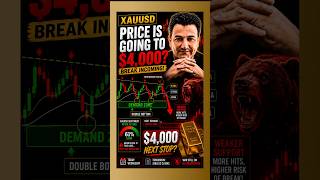
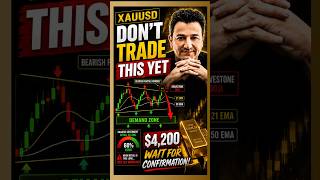
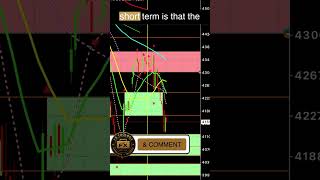
Morning everybody, let's look at the charts. Something very interesting again happened last night, which was the fact that there was the State of the Nation address, and this pump here was a bull trap. As you can see, after the announcement, gold fell drastically by $200 back into this demand zone at the bottom over here. So I would— I definitely did tell everybody my opinions that I thought that America was to intensify their efforts to crush the regime in Iran. They don't have an option because they can't put boots on the ground, so they have to intensify their airstrikes and their bombing from the air because the, the landmass of Iran, the coastline is like 1,000 kilometers. I don't know how they're going to police that, so they have to do it via the air. So I thought that they were going to obliterate their infrastructure, and then that will create almost a revolution in Iran, and the public will then take over, form a new government, referendums and votes, and put in a new system. So very interesting. So on another thought, I can see that the first candle has opened below the ATMA. We are— we touched into this demand zone. The price has bounced almost 35% back up from that demand zone. So we know that this demand zone is a key support area and there are still pending orders there. We'll have to wait and see what happens with the job loss claims. So let me open up my FX book and see what's happening with job loss claims, which is coming out today at 2:30 South African time. We always look at the ADP numbers First, which happened yesterday, which showed that we look at the consensus and the actual. So this is the employment numbers, people that have been employed. It is 22,000 more than the consensus. This is an inflationary marker, and gold should have actually gone down because what happens is when there's inflation, the Fed doesn't remove interest rates, they raise interest rates. So I don't think that the Fed can increase interest rates currently because of the war and prices increasing. And this inflation that we're currently having is probably the fact that oil has gone up, petrol has gone up, and then all other prices go up. So if we look at today with job loss claims, we look at the consensus, and we'll probably see the same sort of effect as we did yesterday with ADP, where the actual print will be more than the consensus, which means that it's inflationary. These inflationary figures— the employment increasing is probably the military employing more people and the private sector employing more people to build armaments and weapons and war machines. So that, I think, is what this increase in employment really is. Currently, with inflation going up and prices going up, there's less money going around, and people have to cut back on their spending because they can't afford things. So they save their money to spend on necessary items like food, fuel, and their bond, their rent, and the interest that they need to pay paid on their overdraft. We'll have to wait and see exactly what these figures are, but I'm expecting those figures to be inflationary. But I think it is only temporary because of the war. I think when the war ends, things will start coming down and coming back to normal, and then we'll understand where we are exactly. So stay tuned for more information. I'll see you on my Discord. Have a great day. Cheers.