Alec Riffle and guests discuss position sizing for swing traders, recommending fixed sizes of 5-15% of equity that grow with experience and conviction. They cover systemization through watchlists, risk-off levels, and weekly reviews, plus tactics like buying against moving averages and pyramiding into intraday flags.
Chapters
Cristian nodal. Desde hace tiempo ya nada es igual No eres la misma y me tratas mal Y ante mi Dios te podría jurar Cuanto te quise y te quiero todavía Adiós amor me voy de ti y esta vez para siempre Me iré sin marcha atrás porque sería fatal Adiós amor Yo fui de ti el amor de tu vida Lo dijiste una vez No hiciste creer Como me duele perderte Me resignaré olvidarte porque me fallaste. The best song wasn't the single But you weren't either Living in later heights The black Beverly Hills Domesticated paradise Palm trees and pools The water's blue Swallow the pill Keeping it surreal Whatever you like Whatever feels good Whatever takes your mountain high Keeping it surreal Not sugar free My TV ain't HD That's too real Grapevine, mango Peaches and lime Sweet life Sweet life Sweet sweet light Sweet light Sweet light A sweet sweet Sweet Sweet light Sweet light Sweet light Sweet pie You had a landscaper and a housekeeper Since you were born The sunshine always kept you warm So why see the world when you got the beach Don't know why I see the world when you got the beach The sweet light The best song wasn't single But you couldn't turn your radio down Satellite need a receiver Can't seem to turn the signal Fully aha transmitting away You catching that breeze Till you're dead in the grave But you're keeping it surreal Whatever you like Whatever feels good Whatever takes your mountain out It's real not sugar free My TV ain't HD That's too red Grapevines, mango Peaches and lime A sweet little sweet life Albums in like a decade and a half That's insane. It's insanity. He'll just release it too. It'll be like some casual Sunday and he'll just drop some album that'll have us talking about it for a long time. ¿Can you hear me? All right. Yo, Filippo. ¿Filippo, can you hear me? ¿Can anybody hear me? Yo, Filippo. ¿Can you hear me? So wait. You guys didn't get to hear. Frank Ocean.
¿What happened?
¿Okay?
You did.
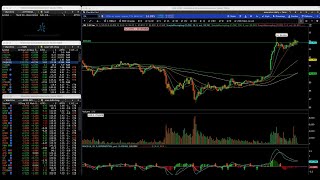
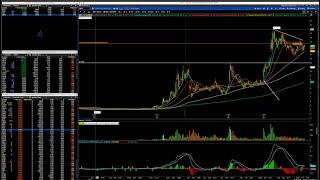
You just couldn't hear me talk. Well, that's fine. I'm talking now. It's been a minute since I've done a chart talk episode. There's a lot to talk about. I've been traveling. Went to go hang out with Filippo in Italy. It was a great time. So I think the main topics I want to touch on today are aside from just doing the scan. I need you guys to hang out with me while I clean up. The needs more sideways list and the focus list. But I want to talk about position sizing relative to account size and relative to personal goals and the amount of bandwidth you're able to allocate. It's kind of like those four things all combined should dictate your position sizing. Yeah, Alka, I always start with music because then YouTube flags me for copyright and it puts me in a special category of R words. All right. I gotta figure out how to not allow people to hop on stage. Whatever. If you have on stage, I'll just spartan kick you off. All right. Cool. Well, yeah, I want to touch on position size. That's one, because it seems to be a hot topic of debate. And then also another one that seems to be. And, you know, I can't believe I haven't talked about it a lot, but it's. It's how to trail moving averages, and it's kind of ties into the position sizing. Theory, not theory. I don't know. Whatever thought process that I have. And then, like, how do you. ¿How do you know what moving averages to trail? Well, it really depends on what time frame you're entering, a setup on, etcetera. So I just kind of want to just get into cleaning up my needs more ciders list. Because, to be Frank, this is more about me than you guys. I got a lot of work to do right now. And I'd like for you to hang out, obviously, and watch me do it. But my knees more sideways list is like a very unkept shrub. We need to. We need to trim this shrubbery and return it to a beautiful, useful state. I mean, look how long this is. ¿Can you guys see my screen? ¿Can you see the screen with the chart and the three watch list? All right. Cool. So the top watch list is my focus list. It's wildly out of date. And my nismore sideways list might be the longest it's ever been. I feel like Tom Hanks in castaway. Like that's a great analogy for this needs more sideways list. We just got rescued. We're on the boat. We need to start getting cleaned up. So this one's at the top of the list because my needs more sideways list is filtered by Mark Percent change Dvlt was a. Was a great move, Friday. Yeah. I don't even know why I didn't even hit my focus list. Probably because I've been a lazy bum traveling and pretty much fully allocated up until the last week or so, you know, last ten days, I've raised a lot of cash. I still have a healthy amount of positions open, but nonetheless raise a lot of cash. DVLT is going to be removed from the news. More sidos list, actually. ¿First step where's Dr. Luca? When I need him, We're going to remove every single name from the focus list. So if you haven't ever been on a stream with me before, that's always step one. I remove every name for my daily focus list. Now, I'm going to be back in the office for, like, a week, a week and a half. And then, actually, I'm going to be in Florida for, like, a month, but I'll be trading from there. I have a condo down in Florida, so I have an office there.
But.
Yep, back to work. All right, so let's go Cipher C for. Yeah, these miners had a really great kind of spring back off the twenty here. I mean, it does need more sideways. It's not really actionable right now. And we have earnings coming up. It's always a landmine sort of game playing before earnings. I think it's okay to take trades before earnings within five days of earnings, but just know that sometimes companies release earnings early. Nobody releases earnings early. If they're gonna be shitty, that I've noticed, But, like, I just hate the idea of holding in earnings without a serious profit cushion regardless, like, even if Cipher. Cipher, whatever you want to call, it did, like a little flaggy thing and got tight and the ten caught up and it, like, built up rate earnings like, I don't know. I'm just not super interested, but I'm gonna keep it on. My needs more sideways list. IRobot is resilient. It popped on just enormous volume. Actually, in this entire range, it's had some enormous volume moments. One, two. And then now, what's kind of, you know, peaked. My interest is that volume state elevated. We have this really nice kind of divergence. I mean, it's not really. Actually, it's not a divergence at all. They're both trends are trending up. But you got this nice candle on Friday. I need like a flag or something out of this base, like a first flag sort of setup, but I think it'll stay in. The needs more sideways list. See core weave two Xl. I actually bought this. ¿What is that? Thursday. I bought it on Thursday. Kind of, like end of day and then gapped up. And then Friday, we had a decent day. I don't need it on. My needs more sideways list also. Oh, shit. Something just happened. Also, if you don't know needs more sideways list is just like a. It's like my long watch list where names aren't immediately actionable, but they're setting up very well Open we. I mean, if you've been following me for a while, you know, I own it from three hundred and seventy five. I think it says candle and I added in one account. Friday. I think that open is going to go considerably higher. Just. I don't. I don't give a about their revenue. I don't really care. It doesn't really matter. I'm just looking at leadership and since Kaz is a CEO, a true operations officer in position of being CEO. Like, I'm just not even worried a season tech operator. Like I'm just. It's. It's just a game changer. Like, it's. It's. It's a ten X multiplier on efficiency that just got put in place. That's why I look at it. So, therefore, this thing is going to end up being profitable. Like, it's a long term hold for me. I'm holding this thing for as long as I possibly can. I mean, I have a good enough average to do so. But I do not need it on. My needs more sideways list. My goal is to get this list shorter because it's really long. RR holding up really. Well, you're staying there our cat umak. You can get off too thin. Oklo. Oklo. You just ran so crazy. It needs a lot more sideways. The macd is completely broken. We might take you off. I bought circle Friday, not the leverage version. ¿Okay? Yeah, I bought. Yeah. Seriously, Friday over. It was kind of a cheat, like on this long squiggly line sort of deal. And it was a pop back through this gap level. Like one hundred forty. But I bought it below there. I bought it. I think one I'd have to check the average as I'm soon.
Yeah.
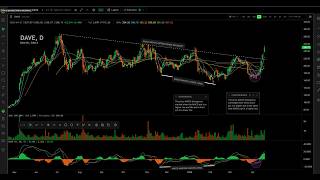
I'm gonna hang out on stream today until Vaughn kicks me off. We have to go to her parents house tonight. So I'm guessing I have, like, three or four hours. All right. Cost bases. Yeah, I'm just checking to see what my circle average actually is. I don't know. Well, that's loaded. I'll keep going. But, yeah, this one looks great. It's kind of a DP. So here somebody asked about a DP. I'll show you. So it's just a term. All right. So just a little backstory. I haven't read any trading books. I haven't read really many any like trading blocks. All that I've studied quite literally is qualimagi. And then just the charts themselves. So I've just spent an ungodly amount of time going through charts like thousands a day, eight hours a day, every day for years. Like, literally. That's that's like. And then I'll go through every single chart that's actionable or playable or within my realm of criteria, and I'll look at it on every single criteria or every single time frame. Every single time frame, every single day. So I'm not literally going through thousands of names, but I'm going through thousands of charts on different time frames. And I just started to notice this bottoming pattern a while ago. And if you're obviously everybody here is in the discord, there's the channel. That's the divergence pivot. I think it's like, maybe it's actually quite literally called divergence pivot, but it has a bunch of these patterns and it's quite simply where you have a large, linear downtrend. So like here, if you look at the price chart, we have this downtrend and then the macd is uptrending or you can use RSI or whatever. That is the divergence. And then there's a point where they cross, or I'm sorry, the divergence kind of ends and they start ramping together. So a new uptrend starts on the macd and starts on the price time. I'm sure people talk about this elsewhere in books and blogs, and I'm sure other people have noticed it. I don't know what they call it. So I called it a divergence pivot. Open. Actually had a really, really, really great one. It was pretty insane, actually to visual. Better visualize it. Let's look at the. Maybe the Weekly can help us here. No, let's look at the daily again. Okay. Yeah. There you go. So we have this like, really long downtrend and it's a really tight channel. I mean, it's pretty darn linear, but right about here, you start getting an uptrend in the macd and you get this really tight cluster of cross crosses, which is something that I've been paying attention to recently. And it kind of helps you time the pivot. But yeah, eventually the divergence breaks and the macd starts ramping up more with price. And there you have like this divergence pivot and they happen so much like Cvna in the bottom in twenty. Twenty three. I mean, you can just go through any of the really big turnaround stories. They all have these these giant divergence pivots. All right. Circle A. Why that's not loaded. I have a one hundred thirty four seventy seven average in Circle. I also bought aaoi. It's been chopping me around. I think I bought it this day. Got chopped, got stopped out. I may even bought it this day. I bought it a few times now and got stopped out, but I bought it again. Friday Aoi Cohr, L A T E are all kind of in the same. Group data centers need what they make. I think it'll be a big runner to big base. So I got a little starter in it. I don't need it on. My needs more ciders list because I already own it. Get off. Core weave. Don't need you, Opad. Definitely don't need you. You're gonna see some like old super outdated names on the li. This one looks good. It's been really choppy out of this low base like. Like pretty shitty mover. Honestly, like hard to stay in because you have like these big like what I call fu candles. That are just like they're not trend breakers, but they're like F you sort of candles. I mean, it's holding the twenty really well if you were to zoom out a little bit, it looks much nicer, but I don't know if you see like a red, green, red, green, red, green. It's just not a clean trend like here. It's green, green, green, green, all the way up. Green, green, green, green. That's kind of what I want. So it's still just in my mind building a range and this will be the line. It's already tried to breach that left side peak twenty seven once. Tested it twice. It looks really good. It probably needs a considerable amount of more sideways. Really kind of build out a really solid flag here, but I'll keep it on. I really like path. Connor posted about this. I think today or yesterday as being a pure AI play path along with sou n. I wonder what ai looks like now. Yeah, it's got this big move up out of this kind of low base thingy and it just needs to flag a little bit here. But it looks good and it makes really big moves. And it's. It's relatively liquid. It's picking up in volume. But. Yeah, this is what I want to keep an eye on. Because now that I've raised a bunch of cash, I don't need to see these anymore. Now that I raised a bunch of cash, I want to figure out where I want to redeploy it. Where I can redeploy it. Core got away. I bought Core three days ago and got stopped out. ¿Where did I buy? I think I bought it. Yeah, I bought it here. Sorry. I bought it on ten twenty. And it just kind of DTS. ¿Is drug a DP? I don't know. I haven't seen drug since it had that weird parabolic run. Yeah. No, it is. I mean, technically it is. So you have like this big uptrend on the macd and then you have this big downtrend. ¿The trick is how do you time it? And you have to time it with the arrows and breaking through moving averages. The moving averages will get more narrow and tighter and eventually price will kind of perk up over the ten. Put on a tight day, and then you can. You can sort of try it. But you do have all these overhead moving averages to, like the fifty, the one hundred, you know, the two hundred. So it's all kind of a timing thing. It's probably a really solid weekly level, perhaps. Nope, That really isn't. You have like a unar of this level of thirty solid numbers. So you have to kind of find a few confluence points and you take stabs and eventually you'll catch one. It's all about small losses and big winners. So like, you know, if you took a couple one percent loss stabs and then catch this trend, you know, now you're up. Whatever. If you're trailing properly, you're up one hundred percent. More than likely. Yeah, because it's been pretty smooth along the twenty. I mean, relatively so all right. Pony. Pony. Pony. Pony. Had a big rejection up here. I'm gonna take you off. My needs more sideways. Let's see these names will come back on my scan. The reason why my needs more sideways list got so long is because I wasn't really scanning daily. And so I just needed to keep all the relevant names kind of in one place, it was a bit of a cluster F. But you know, it kind of kept me on top of all the most important names to my system. But now, since I'll be scanning every day, I can run a lot leaner with my list. I don't think anybody should have such long lists. You don't need them core. I really wanted you this thing just psyched me out. Nvts looks great. Just a little bit of sideways. It's got earnings in a few days, but it'll stay. Eth will stay. Lumen. I'm long so I can remove you. I longed it. Thursday. Lac. That was a crazy long. I bought it here literally. This basically got lucky. But I don't care about you. Galaxy. You look pretty good. You're holding up. You're in the bucket of stocks that rejected Friday. A lot of stocks rejected overhead moving averages Friday. Yeah. See, it closed below the ten. It perked up above it. Throughout the day it opened above it, but then it closed below it and kind of like on very tiny volume and after hours perk back above. They're tight candles, though. So it's like. I can't really say that. Like, oh, it rejected the ten. I mean, it's literally. Like, it's right there. I mean, it's right there. It looks good, though. Yeah, this one looks pretty good. It's been a little choppy, I know. I bought it once somewhere, maybe down in here. This is where I bought it. And it's just like a. I mean, it's fifty percent move in a week, but, I mean, I really can't. Can't be mad at that. But nonetheless, though the move just fizzled here is a much better trend, But still it's. It's kind of a choppy. Stock. Btcs. Wow. We can get off my list. All right. After I clean up, the needs more sideways. List, I want to start talking about position. Sizing Q R E. If you guys got questions, shout them out. I'll. I'll answer them. I'm on not really much of a time crunch. So got all the time in the world. I think today I don't know anything about this. I know that some people are kind of stoked on it. The macd is steeply declining like steep. I need it to start curling. It's just building a range up here. I don't really know what it does. Maybe I'll leave it on the needs and besiders. List, because it's a nice formation. I just probably should look into what they do. A little bit joby. It reminds you of ACHR, Obviously. I mean, they're very similar companies, but just the chart itself reminds me of ACHR back here. It's actually a little bit more linear. It's a little tighter. Yeah, it can stay. Oh, God. The soul sucker. This stock. This stock is just like. It got so much social media buzz, so much hype like fin to it loved it, but I just been looking. I've traded it probably three times, and obviously got stopped out every time. But this is the day that I definitely longed it here. I can't remember the other times, but I know for sure I bought it there. It just. Is just such a shitty range. It's just. It's so choppy. It's still building a range. I don't know. I don't even. Not even interested. It just reminds me of Nancy Pelosi. Just like if a stock could smell, that one smells bad. CBNA has been a bane of my existence. I've gotten perfect entries shorting it, and I just get kind of chopped out each time. I mean, it's going to make an amazing short. It just hasn't really done it yet. Oh, time frame max month. All right. Yeah. I mean, look at this thing. I mean, come on. This is honestly what I think open's gonna do. Maybe not as dramatic, but something similar. Yeah. Eight thousand percent I think from lows. If I actually measure it correctly, it's like twelve thousand percent. It's still up. Six thousand, seven hundred percent from lows. This thing is. It's going to roll over. It's just not sustainable stocks. Don't make these sorts of moves in a straight line without major retracement. I don't care where they're at. Okay, let's see what people are talking about here. ¿Did you have a trailing stop on open divergence against Macd? No, I mean, I bought open at three hundred seventy five. I'm just holding it. I'm not trailing really anything. If anything. I'm trailing the. I don't even know if it's above the ten monthly yet, let's see. So I'm at a point in my trading career where it's a little bit different. I don't need to, like, turn over my edge nearly as much. I need to buy stocks. I think are going to make big, long duration moves where I can hold them for a year plus get cap gains treatment. But yeah, I'm definitely into holding stocks much longer. I think any swing traders who like bought this should have sold when it closed below the ten. So if you would have bought it here at two hundred fifty through this two hundred fifty left side peak. There's a left side peak here. Actually, it's right here. This was the best possible entry if you would have bought it here like, as a swing trader, you should have sold it on this day and it would have been like a two hundred game. Two hundred forty game. Whatever it is, me, though, I bought it here and I'm just still holding it. I'm just. I'm just gonna hold it for a year, plus, I'm gonna see what they're gonna do a few quarters from now. I mean, the way. The way that my mind works with this position is Kaz just got put into power. I need to let this dude cook. My whole bet is on him that he's still mid career, very well experienced Shopify X Operations officer like he doesn't need the money If you look at his his compensation package, it's. It's nearly all performance based like this dude just wants to win. And plus you have reboy on the board and they're just recruiting killers. Like, I think. I think there's so much success in Silicon Valley from, like, the last generation of tech entrepreneurs and employees that they're just looking for round two. And I think a lot of that experience is going to roll here. I think a lot. I think that they're going to absorb or they're going to recruit a ton of just talented killers, people who just have been through the craziness of building tech startups and have done so successfully. And it's like a game to them now, like they're going to turn open door into something that we probably can't even quite imagine and just the level of thought that they've put into it already, like I've sat and just kind of pontificated, just kind of confabulated about things and related to open door. But I just sit there and just kind of, like, just think about where it can go and what it can do. And me like, I have, like, tenth of the brain power. These guys have so just the partnerships and that I. That I can envision coming probably will happen in some capacity or another. And truly, though buying house is a pain in the ass And I think that, you know if they can make buying a house as easy as ordering a Tesla. Holy shit. ¿Right? Even if they can. Even if they can achieve just a fraction of that sort of vision, this thing's gonna go go moon. And obviously it already has. It's already started. Regardless of Eric Jackson. ¿Like, who's a about Eric Jackson? You know, the. ¿The new Hello Kitty? ¿Like, who gives a about him? It's really this company. I think this company's gonna do some interesting things. Let's see what else. Could You talk about. Entry patterns. ¿Do you look at intraday for entry? You probably RC. I would encourage you to just kind of go through the discord, starting with the getting started page and just kind of reading. ¿You know how to use the Discord? Because I'm sure most of your questions are probably all already answered. Yep. No problem. ¿Bud, how do you scan for stocks and long downtrend? Find the Macd divergence. Thanks. I don't really. I don't. I don't really look for the Macd diversions so like what. What my scan would have picked up, though. Would have been like a big move up, like big volume. So it picked up probably, you know, after this point. But I don't really scan for. For divergences. If we're like in a twenty, twenty two period I did. And that's where I discovered it after the. The twenty twenty two kind of sell off. And pretty much at the beginning of twenty twenty three, all. All turnaround stories they all had these huge divergences. And I noticed them across all the charts. I'm like shit. ¿How do I? You know, better take advantage of these big turnarounds. And that's kind of where I discovered. Because every chart was downtrending, like from Meta to Nvidia to. I mean, pretty much. Everything, even CBNA. All right, let's get back on track clean this thing up. Kare Job. I'm gonna keep cDNA here because it is gonna be a great short. Maybe SPRB. You can go away, plug you can stay. All right. Now, this one's actionable. I'm gonna put you up on my focus list. Grab. Grab has just been. I don't know what the hell it's been doing forever. It's just been building like stair. On top of stair. On top of stair. And they're getting tighter and tighter. Maybe this earnings will finally, like, break it out and it can run. I'll keep it on these more sideways RKLB. I still own from much lower. I have a five thousand, two hundred, seventy eight. Then RTLB. So that's like right here. So we're just hanging on to you. Get off my news recorder list. Jumia is holding up. Well, I'll like I. I'll leave MSTR on my list because Low key, I like root for them. Because everybody hates Michael Sailor and everybody hates MSTR. And they think it's as Big Ponzi scheme. And it probably is in some degree, but I don't know. I just kind of like Low key want to see it just like rip to highs. I'll leave that. Flowers. One hundred flowers. Kidding me. Remove you. Lemonade. Tried to unr this left side peak, but it rejected the fifty. It's got earnings coming up. I'll keep it on. So this is an example of a divergence pivot. It's very clean, very easy to see. You can see the MACD Trending up price, Trending down price is just starting to curl up a little bit. This is the Vinklevoss, brother. Whatever they're doing their crypto exchange, I think they're really smart and they're obviously plugged into the space. I don't know what sort of innovation they'll have. But I definitely want to, like, track them. It probably shouldn't be on my needs more sideways list. It should be like on my like, I don't know. Like long term tracking list which I which doesn't really exist. I'm gonna leave it here for now just to remind me. ¿But when you miss an entry on a name the day best entry, do you keep it on? Watch absolutely. If the setup itself isn't broken, if the chart isn't broken. Like if say, for example, I were to buy a stock in the day and I were to get stopped out. Okay, I get stopped out. ¿I look at the daily I'm like, would that go back on my focus list? If the answer is yes. Like if it's still actionable, executable, then absolutely you have to. And it happens all the time, like it happens to me literally all the time because I want to keep very, very, very tight risk. So I'll get stopped out, but the chart is still intact. So I'll just wait for it to kind of reset back up and push that level and I'll try again. But yes, absolutely. Rgti will stay on just because i want to short it, tiger. What up, yanni. Hymns will stay. Even though it's just been a. It's just been treating traders horribly, horribly. I actually have had two really, really big trades here and here through this kind of shorey setup. This is actually like. This is a. If you want to know what a short you can is, this is one right here. Big. Move up. Pullback tight. Boom. This was a great one, and I'm just insane, volume, it's not very often that I get to trade them because you just don't see them too. Too often with a lot of liquidity. But this one looks. This one was great, but. But. But it's just had unbelievable cap downs like Captain. One, two, three. This was just insane. I mean, I was like, we made it, baby, we're going and it just rejected. Got stuffed trump tariff. I don't know what else. I think like the CEO tweeted, tweeted some like emoji, which I honestly think it's great that he did that. People like think it's stupid like CEO should never tweet an emoji some eyes. Oh, no, it's because then he like, then he sold shares the next day. Whatever. That's still. I mean, who gives a. It was bad timing. I still think him's overall has like a potential, a very disruptive model. It's just so hard to get positioned in this thing. I mean, actually, right here is a decent spot for, like, a long term sort of investment, but I don't know. I'm just not there. It's just PTSD. ¿Can I please rate your watch list? ¿Are you kidding me? Okay. Yeah. Hims is going to stay on here.
Okay.
IO and Q. I got one quantum name on here. That's all I need. I'll just keep RGTI NBIS tennis ball underwater. Looks great. Data center is still super hot. I'll leave. You apld looks good. AMD. Hell, I. I've tried to buy this thing. I don't know how many times I actually haven't executed, like any trades on it. Maybe like one somewhere, but every time I'm like, oh, the setup's whatever. You know this and that it just breaks out. It doesn't. I mean, it trends fine. It's just not like a killer trend, like, where it's just like a ton of green candles. Just, like straight up. Like the way that I like it it's just like red, red, green, red. Red, green, red, red, blah, blah, blah. And then, boom, It has this like big kind of breakout. Candle. Whatever. I'm. I'm lost. I'll keep it up there, though. SMCI. Okay. Unh. I own from four three, four. We are just chilling. There's nothing to do here. I am very curious. We do have earnings in a few days or a week or so. But yeah, you can get off my list. I like abgo a lot too. It's just been one. That's just been so difficult to get positioned in. It's just not really a trading stock. It's just kind of like one you just gotta buy and just like, hold on to and like, wish for dear life. Hey, people wish I'm struggling with position sizing and risk management. I have a relatively small account which makes it easy to end up one hundred percent invested when the market reverses direction the drawdowns feel large and stressful. ¿Do you have any recommendations on how to deal with this? I mean, this might be a perfect segue into position sizing. I mean, it really depends on what your goals are. So, you know, the way that I encourage every single trader to start out like if you were to start, like, from the beginning of just kind of my brain dumps and my teachings, it's always with a mission statement. And the mission statement, essentially, it's just like a mission statement for a business. And many of, you know, I'm an entrepreneur. I've started a dozen businesses. I sold businesses, businesses gone out of business. I still run businesses. And like, every one of them is guided by just a couple of sentences that I'm always measuring all of our actions against. So, you know, if you're like here, we can develop what I call an avatar. And the avatar would be something like, I'm a single twenty five year old male who has big aspirations in terms of financial success. You know, I want to make whatever ten million dollars, let's just say, and I have X amount of capital to start with. I'm okay with blowing it all, whatever it may be. I want to. I want to learn how to grow my account as fast as possible. Okay. Well, you don't have any obligations. You don't have a wife. You don't have kids. You don't have anything. ¿Right? All you have is this burning desire to grow an account. That means that you need to be turning over your edge as fast as possible. And, you know, that's kind of where, like the thirty ema magic strategy comes into play. Where you're, you know, taking twenty four hour holds. And that works really well in hot markets like the last couple of months, the thirty eight magic should have been just absolutely crushing. Because there were setups every single day day that we're just breaking out ten twenty, thirty percent. So, you know, anybody who's trading that style should be taking twenty five percent, twenty, twenty, five percent positions. And then you're trailing, you know, the five hundred fifty whatever. ¿Because that's it aligns with your goals, right? It alarm. It aligns with your bandwidth and your ability and your risk tolerance. So, you know, position sizing all in my mind, it all starts with, like, if you don't have a mission statement for your trading career, it's nearly impossible to define like proper position sizing. Like, if I were to, just say, like, hey, here's a generic position size to use forever ten percent. Forever. No matter what, in any instance, always use ten percent. If you just spreadsheet out ten percent, compounded over twenty years, thirty years, forty years, you know, with a. With a win rate of even, you know, say thirty five percent and an average win of I don't know, whatever. Maybe, like, it doesn't matter. Just pick one that makes sense. Ten percent, fifteen percent. Trailing the ten day sma, you will make tens, if not hundreds of millions of dollars over forty years. If you just picked one position size, dynamic position sizing is tricky. I don't like the idea of, oh, this is a great opportunity. Let's size up. You know, like that especially for, like, newer traders who just need to find their stroke, who need to find their swing, who need to find a little edge or a system, that no matter what, they can lay their head on and make money forever. ¿Right? Like, like Louis, he's a great example. He trades one setup. It's a big breakout, typically from a divergence pivot. It's a retest of that left side peak, and then he looks for a little flag to buy. He buys that setup religiously. That's what he buys, and it will make him money for the rest of his life. ¿Right? ¿But where does he decide to size up? He doesn't size up. It's just fifteen percent. Just like, we talked about for the past three years. I said, Louie. I said, louie, you know, twenty percent, ten percent. All right, how about this fifteen percent forever. And he said, okay, and that's what he does fifteen percent forever. He doesn't size up to twenty or twenty five or thirty or one hundred or fully leveraged in a name. It's just fifteen percent forever because there will be endless opportunity in the stock market. There will be periods where the opportunity set dries up and they're less frequent, but then that's all averaged out by periods where the opportunity set is so overwhelming that you can't even possibly buy them all which has been recently. So I like dynamic position sizing. I think it makes sense for like, maybe like a Steven Ducks sort of trader where he is trading very infrequently and he's trading these big kind of mean reversion parabolic short setups and, you know, to make up for, like, the lack of positive EV trades that we may have as swing traders over like a long period of time. He has to take much larger size in those instances. ¿Right? So like, you know, ten million dollars is an insane trade. It's an insane short. But it may have been months for him to get that while swing traders are knocking out million dollar shorts or million dollar longs weekly. ¿Right? Or every other week. It just depends on how big your account is. Personally, if I could just. ¿If I had like a lineup of people in front of me, imagine like, you know, like a cop lineup, right? And like those movies where it's like you're trying to pick out the suspect. If I had like a lineup of people, or like, if I had a classroom of, like, students who never knew anything about trading at all, I would say we are going to take ten percent position sizing forever. Forever for one year, two years, ten years, five years. Because if you're twenty five years old, if you're thirty years old, if you're. ¿It doesn't even really matter if you just look at the math, like, put it into a spreadsheet and look at the math and plug in the win rates, right? Like your small account will grow into multi millions and it won't be overnight. It won't happen tomorrow. You're not guess what. You're not gonna have a ten million dollars short anytime. Soon Stephen Ducks is an alien. He is exploiting a niche. He is really, really great. That's insane. P and L. But his account will never ever scale to a Stanley drunken mill. It just will never. It's not even close to possible or even like Kualamagi over time. Ducks may have more career win than Kualamagi. But kualamagi system will scale to billions and it's just ten percent position. And actually, the larger your account gets, you're eventually gonna have to start taking five percent positions and you may end up with, you know, a portfolio of twenty to forty names and so liquidity of the stocks that you're trading and the size of your account will play a role eventually. But in my mind, it's just, like, ten percent. Like, just stick to ten percent, that's it. And it's ten percent of your equity and that will ensure that you are always scaling. So if this year your account is one hundred thousand and you double it, well, guess what next year your ten percent positions, you know, they're going to be twice, they're going to be two, you know, based off two hundred thousand. So they're going to be twenty percent or twenty thousand dollars positions, and then you double that year three forty thousand double that, like it just will keep snowballing and growing and growing, and you may catch some ridiculous periods where your account grows four hundred, five hundred percent a year. This year, Von's Dad's account is up like five hundred percent. It's insane, right in its small account. And, you know, I've just been. I've been a little bit more aggressive in the position sizing, taking like twenty percent, twenty five percent, But it's just because I have the skill set to do that. But you will catch periods where your account will grow dramatically with fixed position sizing. Don't get caught in the trap of like, oh, this is just such a great opportunity. The setup so perfect. I'm gonna take more size, like, no, no, what. What you should have an excitement about is, oh, this is such a great setup. The probability of the stock going up a lot is much better. But I'm still just gonna buy ten percent, like that would be. And I know, it's not like what people want to hear. It's not like, you know, like, it's not like, oh, I'm gonna become a multi. Multimillionaire, like, you know, like, in a year or something. But it's. It's if you want to do this as a career, and if you do want to end up making tens of, like, there's nothing more stressful than having enormous size on, especially if you have to pay bills in your life, or if like you haven't had great success, you know, like that has to be just so stressful and so like, when you have a ten percent position and you have say, like, ten positions open and one just works against you. You barely even notice it. There's no stress at all. But like your account is growing. It's growing. There's so many stocks that have gone up one hundred, two hundred, three hundred, four hundred, five hundred percent in the last couple of months alone. And like, if you would have gotten all your money in with ten percent positions, like your. Your account would be up hundreds of percents. Now, I think what may help people who are, like, like, very impatient and can't get over. That is the concept of. And I've never heard anybody talk about this, and it's totally bizarre to me, but it's. It's average account aptr. So it's the weighted average percent true range of your account if you have one hundred positions open, but your aptr, your average aptr is ten. That means that your account is moving fast as shit. Like, if you've caught, say, one hundred breakouts and they're all trending, it doesn't matter. It doesn't matter. It's all about getting your cash into clean setups that have a high probability of trending higher that have high aptr and liquidity. So like, if you are taking, you know, ten positions, ten percent, ten positions, then you go left and you leverage, which is fine, like, going on leverage and having ten percent positions is perfectly fine, like, that's great. That's exactly what it's there for. It's there for you to juice the great times in the market, like the last couple of months that we've had. Like, you know, I would love to see like, Matt, Matt does a good job of this. Mateo. Matt, I think, let me see, he wasn't here. He may have dipped. Oh, yeah. Matt Q. Matt Q. Mat Q has a lot of positions on which is good in this particular market because they're all high aptr names, so it's the average weight or it's the average of all of those. ¿So if you were to, like, roll that into an ETF, like, like, we just call it the mat Q ETF, what's the aptr of that? ¿And then what's like, what's the trajectory of his portfolio itself? Well, it's probably like an eight plus and the thing's going up, so. But you lack what that does, though is your. The opportunity set is so great that you're able to allocate your cash amongst a relative wide basket reducing individual stock risk, offering risk, etcetera. But it's all about the aptr of your account itself. And that's why we have strict scan criteria. So we don't look at names that are three, like, especially in times where, like, there's just so many breakouts like you should not be looking at any names below six seven, you know, ABTR. It depends on how big your account is, but you shouldn't be looking at any of that and just focusing on ten percent positions, not getting chopped out, not having two tightest stops. Because if you can take a ten percent position, you can legitimately do low of day or previous low of day. But so many people I see are taking twenty, twenty five, thirty percent positions and they just get chopped the out. They just get chopped out. They'll use low a day, but then that becomes like a three percent, four percent, five percent account drawdown on a single position. It's like, no, no, I would much rather see somebody in this time period, you know, in this last, like bull run, you know, leg up to take five percent positions and use previous low of day and trail the twenty because there just been. There's just been so many names going straight up and it's not like, oh, my God, there's only ten breakouts, you know, we got. ¿We got to take advantage of this narrow market, No? AI is going to raise all ships. AI is going to raise all ships. It's just buy the thing and hold it. And too many people are just using too much time. Now, if you really are concerned and you really want to totally optimize for account growth, you got to turn your edge over. So you're basically running, you know, Pradeep's three day momentum burst or PDubs, thirty EMA magic where there are just so many setups in the market like DVLT. Let's look at like this was a perfect, perfect thirty EMA magic. So like you would have taken a twenty five percent position here. Like, in thirty EMA Magic, you take a thirty twenty five percent position.
And.
Then you would have sold it right here when it closed below the fifty, so you would have bought it through previous high a day right about here. So you had a thirty percent gain in a day on a twenty five percent position. You sold it, you're done on to the next because the next day there's like five more of these happening like they happen every day we're getting moves like this. But if your accounts a little bit bigger and say, you don't have the time, you know, like swing trading is really meant for people who. Who aren't just going to sit at the screens all day long. Like, if you guys know about Kalamagi And know, like, if you watch his streams, he's on them for, like, twenty minutes, thirty minutes, maybe an hour in the morning. Because literally there's nothing else to do after that. ¿He knows that if he sits there, he's just going to be finger fucking his positions, right? He's just gonna be clicking around and doing a bunch of shit that he doesn't need to do. And so the issue with thirty minute magic is you kind of got a babysit Unless you have some automation in place. Now it's very easy to just automate, you know, a five hundred and fifty trail and just be gone, just be out. But I think for people like, you know, most like adult swing traders. And I'm not going to say like, we have kids and adults and this and that, but maybe slightly more mature swing traders. With slightly larger position or account sizes, maybe, like, you know, one hundred thousand, couple hundred thousand. And I would consider that still very small account. But it's not like, you know, below pdt size account. You don't really have to like, like, do the thirty ema magic. Like to me, you could. You could literally run thirty magic to ten million dollars like, or more. But you're just going to start running into liquidity issues. Where it's like, you just. You find a perfect setup like DVLT. And you just want to hold it longer. Because it's such a perfect. ¿It's just a perfect setup, right? Like you don't want to let it go to waste. You want to try to hold this thing longer. But it really depends on your time, you know. And that's like what I said earlier. Position size should be relative to your goals in life and the time that you can allocate to the market. The more position size you put on, the more you have to babysit it. Sit there and watch it. But I mean all in all though, Like you just kind of rewind again to what I said. If you just simply take ten percent for your entire career, you will outpace everybody around you. If you just focus on system, system, system, you will outpace everyone. And years will go by, cycles will go by. And your account will just continue to grow. Continue to grow. It's so easy to manage. It's so easy to manage. Yes. ¿You got it, George? Yep. Ten percent positions as, oh, I'm streaming. So don't say anything outrageous. ¿What is that? She's got back from walking the dog. Yes. Yes. Ten percent is great like, Yes, And then control of your aptr. ¿So if your account is a billion dollars, right? If it's a billion dollars, you can take ten percent positions. You can. It's just. Your opportunity set will be so much smaller. ¿Let's just play this out a little bit, okay? If your account is a billion dollars and your average position size is one hundred million, well, you could have bought Tesla this day. You can buy Nvidia. You can buy Apple. So the AG aptr requirement, the aptr threshold of your system has to go way down. Because if you left your. If you left your aptr at say, eight of your scan and, you know, you need now liquidity of, you know, five billion dollars a day plus, you're not going to get any names. There's no names that are going to appear in your watch list. It's just going to be this bare naked wallet. But that's fine, though. If you have a billion dollars and all you are doing is focusing on the big, big plays. That's totally fine. Like, you may buy TQQ. You may buy Nvidia, Tesla. And there's others. There's other relatively high, high aptr plays, like even coreweave in the beginning. Let's see what it was trading. It was trading here fifty two bucks. No, that's not enough. That's like five billion. ¿No, it wasn't five billion, but Corey was trading two, three billion a day, right? So, yeah, if your accounts a billion dollars, you would need ten times that you need ten billion cut off. Roughly, you could probably do five. You just move it a little bit more and you definitely, you wouldn't want to buy it all at once. But in, like, in Tesla, you literally could one hundred million dollar position in Tesla. Could be one clicked. It could be one clicked. Let's just look at, like the opening range. Let's look at one of these candles here. Like this one right here. ¿So this five minute candle.
How many.
Shares did it trade? ¿Where do I see that? Oh, duh. Two point, eight million at four hundred, four hundred bucks. So let me do the math. All right. So let's see. One point, one billion. Yeah, one point, one billion. So you're only ten percent of the candle with a one hundred million dollar click Like, that's fine. If you're ten percent of a five minute candle. That's fine. That means that you're what you're fifty of a one minute candle. That's not that that crazy. And if you kind of, you know, t wapped it a little bit, kind of clicked a few times like you could get one hundred million bucks on this thing.
No problem.
But we wouldn't be doing that if our account was a billion dollars. We wouldn't just like, we wouldn't be taking ten percent physicians anymore. And like, you know, Druckenmiller, he. You know, he says like, diversification is the death of compounding. Or maybe maybe somebody else said that, I don't know. But he kind of lives by that where he's kind of put all of his eggs in one basket a few times and. ¿But if you look at his account now, he has, like, sixty names open, right? Because his account is five, six billion dollars. You just can't. You just can't concentrate like that. So you got to take five percent, three percent, whatever. Like, it gets a little bit different there. But we don't have to worry about that for a while. Most of us in this group. We're kind of a ways away. Imagine if your account is one hundred million ten percent positions, ten million dollars, you're taking ten million dollar positions in Tesla. No problem. There's a zillion. There's a ton of stocks that you can get one click ten million dollar positions in. Now, your stock universe is much. ¿Can you stop opening packages right here, please? Like, why, you gotta open them right under the mic.
What is.
Oh, shit. Anyways. Yes, but sorry, Vaughn just like brought in, like, mail and just like, opening my face. I hope this makes sense. And if you have questions around this thought process, this is the time to talk about it. Because this is what I wanted to cover. Cover on stream is position sizing. And I truly don't think you have to worry about it at all until one hundred billion bucks, like, oh, my God, you're at one hundred million dollars. We're Gonna take some five percent positions now, you know. All right. ¿Can you discuss Max risk to account per trade? All right. So, yeah, this is one. That's. That's interesting. Okay. So we only trade tight charts. What I mean by tight is yesterday's range is tight relative to the previous. Recent range. So this would be a. I would consider baba a tight chart. Now, people would think that, oh, it may be like wide and loose. It's like building a range, but I look at this last candle relative to the range. So like here's the recent range. This is a very tight candle. You have tight risk off price relative to your risk level, which would be, should always be. The logical level is close. So logical level is, you have the ten day SMA, that's very, very close. ¿Where is it? Let's see. Let's look at core weave. Yeah, core weave. Core weave. Core weave. Okay. No, that wasn't. That. There was a really good example. Friday that I was using. ¿Was it DVLT? Yeah. DVLT is pretty good. Yeah. I mean. Okay. Yeah. So if our entry on dvlt is through previous high of day, look how close the open is to previous high of day. So if we look at the last, If we look at the close of the five minute candle before market open, it's literally three percent away in a twenty percent aptr name. So that's a tenth of an aptr. We're away from the breakout level. Now, you could have been a little bit more conservative and used the five day SMA, but still nonetheless like price was pressing the pivot. And so if you are trading tight stocks, your stop should be the relative, the closest relative level. For me it would have been like the ten day SMA in this particular example. And if you were using a ten percent position, you're down five percent on that, which would be zero point, five percent drawdown on your account. Literally zero point, five percent drawdown on your account. If you're using a ten percent position, that's peanuts. But it gives you so much room. You don't get stopped out. You don't get. You don't get wrecked. So like if you were to take like a twenty or thirty or, you know, even larger position here, like you're. You're using like the low of one of these five minute counters and just hoping you don't get wicked out, chopped out, which is a high probability of that happening. Oh, yeah. Open. Open. You're right. Open. I think was a really good example. Yes, yes, yes. Open. Even a better example. Open is even a better example because it's a unr of the ten day SMA and the five day SMA. So if you look at my chart here, I have this teal line. The teal line is the ten day SMA plotted on a five minute chart. And then I have the five day SMA plotted. And then this dash green line is previous high of debt. So all of these are just super, super tight with. With, like, next to one another, they're really tight. Like the range between all three of them is less than a percent that is extremely tight. And so we have price literally opening above those levels. It's like your risk off is what below this five day sma, like, if it closes below it, so you basically have no risk. So if you trade tight setups, you don't need to calculate your risk. I never go like, oh, that's a one percent drawdown. Like, I never do that ever because the stocks that make my actionable list are tight. So by default, I'm having a range, a stop out range drawdown on my account anywhere from two percent to zero point, two, five percent or lower. And it all averages to less than zero point five percent. It's about an average over time. Like, you shouldn't be trying to nail a zero point Two, five percent stop out every single time. That's just not the way it works. It's an average over time. Sometimes. Sometimes you may take more risk. It's just a wider stock. It still looks tight visually. But the aptr is just so high in the stock that if you were to use the closest relative level or relevance level, you may have like a two percent account drawdown. But that is so rare, so infrequent if you're using, you know, like, for you to have a two percent drawdown, a ten percent position, that has to be a twenty percent drawdown like you have to literally like, your stop has to be twenty percent lower than your entry. Which in the case of the dvlt, that would be one entire aptr below your entry. Like that will never ever ever happen. ¿So, if you just use ten percent positions, why, and you trade tight charts, even relatively tight charts, why do we ever even concern ourselves with calculating risk? It's taken care of the people that calculate risk. Are the day traders who put like, you know, fifty to one hundred percent of their account into one trade. Like, they're the ones who have to like worry about that. You know, we don't. We don't like that's swing trading is the tortoise in the hair. Swing trading will outpace P and L wise any other form of technical trading. Period end of story. If you just consistently follow a simple rule set over time, it's all about discipline. And following that simple rule set over time and trusting the process, That's it. Period end of story. There has been. I haven't seen anybody not be successful who doesn't do those things. It's just. The problem is ninety of the traders. They don't do those things. That's why they're not successful. It's all about discipline. That's it. The simple rule set is simple. It doesn't take like, like rocket. It's not rocket science.
It's not.
You don't have to be some expert pattern recognition person like you just don't have to be that. Like, there's so many examples in the discord of these setups like you could literally. Like you could. You could go through every single chart in the discord, screenshot them, feed them into chat GPT in a. In a program or in a project. Start a project, feed it or use Claude whatever. And then literally train the GPT or the instance of AI. Whoa. ¿Why did that happen? My back. ¿Can you hear me? Yeah. Train that instance of AI. Hold on. Something just happened. I got like, booted my back in. ¿Can you hear me? ¿Can you hear me? All right. I'm back. ¿Can you hear me? I don't know what happened. Oh, I got kicked off. Let me share my screen again. Okay, so you could literally take a screenshot of every single chart that I posted. Just, actually, just pick one whichever. Whichever. Let me see. I have all the. I have all the charts right here. Here's all the long setups. All right. Just for an example. So people can. Can see when I share the stream later. Okay. ¿So like, here's a ton of different setups, right? Like they're all variations of one another, but just pick the one that has like the most in it. It could be Shoryukins, or maybe just pick big bases. Whatever it doesn't matter. Feed them into AI or some directory that you can flow the images through AI. And then literally tell it to, you know, recognize similar patterns, define your system, talk to it, explain to it what you want to do. And then every stock that comes across your scanner that you think may look good, just paste it into the LLM for a second opinion. That's it. ¿Like, it's like, is this a tight chart? Okay, great. So then now, all of a sudden, like you have this ninja genie that's sitting like, by your side, that can be this second set of eyes for you and quantifying what a tight chart is. But then you don't ever have to define risk again because you're taking ten percent positions. Okay, I can keep rambling on the position sizing. If you have questions, this is the best time to kind of pry thoughts out of my brain. But if not, I'm gonna keep. I'm just gonna go back to scanning. I think that investors have the right to take larger position size because they have more thesis, fundamental thesis, story thesis behind their intent. They wanna hold it a lot longer. They may have a lot more capital they have to put to work. Just generally speaking. So, you know, like, really good ideas aren't as common. But then again, looking at Druckenmiller, I think NTLA is his largest position. I think it's like thirteen percent. Yeah, I'm recording it. ¿How are you thinking about exits the first few days trails? ¿What do you mean by that example? ¿Or what do you mean by that exactly? I'm sorry consider adding to your position through weekly level or just keep it simple. I mean, like, adding to a position, it has to be a fresh setup. Like, i just don't add to ad. Like, you just don't like pick, like, okay, you buy a stock, it's going up great. You just don't like, buy again. Like, it would need to be another daily level. I don't really like the idea of of pyramiding into positions. Like, we're not fucking funds. Like, who pyramids into a position. Like, unless you're trying to put, like, tens of millions of dollars to work in a position. Like, you don't need to pyramid in. Like, that's. Like, that's. It just makes no sense to me. Like you. You just take a five or ten percent position in in a solid setup. That's. I mean, that's. That's just what you do. Like, pyramiding in is for people who don't understand technical analysis. ¿So, DDLT, are you taking a quarter off the first day and swinging the rest? Me like, so like, okay, so it's just relative to your. To what. What you do based on buys and sells is relative to your account's mission statement. I can guarantee you there's seventy five percent, seventy five people in this audience. I maybe one of them, maybe two, maybe three, actually have a legitimate mission statement that ties out to the actions that they take on a daily basis. ¿So like, you know, like, you say, so, so DBLT, are you taking off a court like me? I'm not even in the stock. I'm not doing anything. It's more. ¿So what are you doing based on your goals, right? So I don't know what are you doing. Like, I can tell you how I can trade different size accounts so let's just look at DV or what is DVLT. ¿So if I was being like a thirty EMA magic sort of trader would have sold the whole thing, right? When it closed below the fifty, I would have sold the entire position. If I. If I happened to see it and bought it with my account, I wouldn't have done anything. I would have taken a five percent position in this thing and I wouldn't have taken anything. No, I still don't pyramiding. No, no, no. It can't be held. It works against you. There's no point to pyramid at all unless you're seriously working with really large numbers. Or if you don't understand technical analysis, like, like I. Like, there's no reason to take. Like Drunken Miller is not taking twenty thirty percent positions. He's just not so like. Like you just buy it. You just buy the stock and then you set your stop. That's what you do. You don't need to pyramid in. Like, pyramiding in is if, like, you're buying something that doesn't have the liquidity to meet your, you know, like your position sizing requirements. So like, you know, if for whatever reason you know I wanted to get a billion dollar position into DVLT. Well, I can't even yesterday. Yesterday it traded six hundred seventy six million dollars. Well, if I want to get a billion dollars and I can't just one click it, I would have to be accumulating it over time pyramiding in. But like, we don't trade like that. Like, nobody no momentum swing traders trade like that. If you're trading like that, then, like, you're just listening to the wrong people. Like Kuala. Maggie does not pyramid in. Like he may have to start doing that now because his account's getting bigger and his opportunity sets a little smaller, but he has always been a one click because he is scaling his scans, the dollar volume in his scans with his account size, so as his account grows. And this should be all apart. See we. The issue is I can only get like to the topical level discussions here because nobody actually even starts with a mission statement. Nobody actually starts with building a very simple system. Like, I wish that. That's why I wanted to start, you know, this. This, like, thirty trader challenge, because then we can actually build it's just every time I get on stream, it's just these very topical conversations where we're not actually, like, it's not like a class where, you know, we have lesson one. ¿Okay? ¿Everybody understands it? You need to start with, like, these principles. You need to, you know, learn how to set up, like, your brokerage or your trading platform. ¿You need to, you know, just understand the fundamentals, right? Like, understand, you know, like, what is a good setup. Like, you know, risk on Ricks off macro sort of perspective, how to position size, etcetera. Like, the vast majority of people don't understand that. But we can't really even progress in the conversation until people do. And then what really really important is the account optimization, the continual improvement loop that your account should be placed, you know, against it should be, or it should be ran through on a weekly, monthly quarterly annual basis. Like, I can't even begin to talk about any of that because nobody even has a simple system for themselves. Like, truly, like, mat. He is one that I can say who does. Louie does, but I can't really speak for anybody else. I don't know if they do. I don't know if they don't. So, you know, I kind of, yeah, I think that this is a good thought. It's actually a good. I don't know. It gets my gears turning for how to actually educate properly because it's in layers where you have to understand just like, anything else, you know, you have to understand the basics and then you can get into the real meat of things like the real breakthrough ideas. And they all come from account optimization and how to, actually grow your. Not just grow the numbers in your account, but keep your account humming at a highly efficient level as it grows through the various levels. Like, as it gets through, like a million dollar account to a ten million dollar account, to a twenty, to a fifty, to one hundred, to a billionaire how your account, how you should treat position sizing and stop losses and entry criteria. Like, how in each of those sort of chapters in those like blocks how each one of those pillars changes. But until you hit one hundred million bucks, ten percent positions trail the ten, maybe the twenty, and you're good to go. Like, you're good to go. So it doesn't need to be any in fact, people that oversize are just impatient and they're just gonna end up doing more harm they're gonna do. It's such a. It's like the Siamese finger trap, you know, a little paper finger trap you get from. Like the. You know, the Chinese restaurant when you're a kid or whatever, like the harder you pull the tighter, it gets. The more you size up, the more you try to grow this the harder it's gonna get. You may have good stretches where, like you, you know, your account goes up hundreds of percents in a short period of time. But it's like you were rewarded for bad action. You just got lucky essentially because you're just gonna continue to try to do those things have really crappy, non scalable, like risk metrics or risk rules, and you're gonna blow up. ¿Have you ever used a fixed percent stop close to a fixed percent entry? No, I don't like fixed percent stops because the market doesn't care about. The market doesn't. The market's gonna bounce at spots that are relative to the market participants where the market participants are paying attention to like. So if your account is one hundred, seventeen thousand dollars and twenty two cents a one percent drawdown like they don't like, you know, that could be just above the ten day SMA, you get stopped out and then it bounces at the ten day SMA like you should be using, you should just be trading tight charts and using appropriate position size. So it's. It's the relationship between position size, how tight this the chart is, and then that relative stop out level like that, that's what's really important. And you don't ever have to calculate. Like, there's enough wiggle room there where you don't ever have to calculate your risk because it's always going to average out to being, you know, probably like a half a percent. So it means you'd literally have to lose two hundred trades in a row to go bankrupt. ¿What up, Danny? Finlandia. ¿What's up, brother? Yeah, Mat Q is awesome. Oh, yeah, that's a good one, Filippo. But Mat Q'S awesome. And look, I'm gonna give people praise who do a great job. People who don't do a great job. I'm either gonna shit on you or just ignore you. ¿It's day trader rehab, right? I'm not here to be nice. ¿Like I want to see people win, right? And like too many people are nice in life. Like, you know, I'll be friendly. I'll try not to hurt your feelings too much. But like, I feel like we kind of need that a little bit to, like, realize perhaps what we're doing isn't great, I mean, aside from the negative. P and l. Like, I see, people blow the fuck up all the time. And, like, that's apparently not enough for them to, like, get their shit straight. So like, the fact of losing a ton of money isn't enough for you to, like, look in the mirror and say, like, hey, maybe we should do this slower and treat as a career be a little bit more methodical, systematic, continual, improvement driven. You know, maybe, like, those things would click. No, they don't. They don't. Because monkey brain takes over. And so, like me, like, if I insult you, like, respectfully, of course, hopefully, you snap out a monkey brain and you kind of, like, look in the mirror. And you, after being pissed off at me, be like that guy, you know, shat on my idea. You know, after you get over that, hopefully, you can kind of look in the mirror and like, realize that. Like, look, you know, we have a twenty, thirty, forty, fifty, sixty year opportunity for some of us. Like, if you just do the math simple, compounding over that time is just insane. And so, what Matt does is, and what I really like is in the Watchlist Channel. He posts his. He posts one. And actually, we're gonna model the thirty trader challenge. Thingy kind of off of what Matt's doing. He posts his portfolio every day, his open positions. He posts his ideas and then his watch list. But he does it every single day. Like, he doesn't skip day and it's. And he explains his thoughts as to what he likes about the stocks that are on the watch list, maybe his top top watch, or whatever. But the point is, he does it every single day. Every day. Now he really needs to focus on the, you know, optimization. But like, once you get it to a little point, like, where he's at, you just do that for five years. Like, literally don't change anything for five years, but just do it for five years. If it's working now and you have small position size, and your account is saying, you know, twenty five thousand. I don't care where it is. It doesn't matter what size it is. If it's a thousand dollars, if you do it for five years, consistently it will be over a million dollars. You know, heaven forbidden. The market just doesn't go into like, a permanent period of. Like XO. Yes, zero. Yes, absolutely. Like, read atomic habits. Like, just read the first chapter of atomic habits. You don't even. You don't need to read anything beyond it. It says it all in the first. First chapter system based small incremental improvements over the period of long. Yes, one percent every day. And it's so easy. It's so manageable. It's just instant gratification. But I swear, like, you know, watching the corn grow is is satisfying. Seeing, you know, a healthy field grow, but like, there's nothing more satisfying. Like, looking out over your field at, like, peak harvest and just seeing like a perfect crop like, and then knowing that that's the culmination, that's the compounding of all your great actions. Like, there's nothing better yeah you just read. Okay. Perfect. Well, that explains, you know, kind of why you are the way you are. You just read atomic happens. That's great. It's actually on Spotify. I'm making von. Listen to it on our drives. Okay. Yeah. Let's look at Serve. ¿Serve? I don't see your question. ¿Where is it? Too far up. ¿Can you paste the question again, Matt? But, yeah, I mean, all in all. Like, I don't like the idea dynamic position sizing. Like, leave that to day traders and leave that to investors. But for us, like, we don't need a dynamically position size. Like, you could, if you wanted to run twenty percent positions for your account and have a max of ten ten positions fully leveraged. Fine. Be my guest. But you better have, you know, some real ninja skills and some serious, like, you know, pain, tolerance, you know, getting into positions and being able to stomach drawdowns. But, like, if you are a beast, you can do ten percent or you can do twenty percent, twenty five percent positions. I don't think it does. Eagle. I don't think. He asked why does Dynamic sizing work for day traders. I mean. Okay. So if you take, like, ducks for example, or like, even I shorted beyond, or, like Jack short and beyond, it's just such a great opportunity where the stock is literally up on nothing Bankruptcy news. A thousand percent. Like, they want to get a significant portion of their capital into that play to take max advantage of it, you know, while maybe some more their routine trades. Maybe, you know, twenty, twenty, five, thirty percent positions. Like, I bet you a lot of the day traders who crushed that trade had fifty to one hundred percent positions. But I don't. I don't think it does work. It's stressful. Like, you know, like, when you can literally build, like, over thirty years. Like, you can, have, like, nine to ten figure account with just ten position size, it's all about time. Like, I know a lot of you guys follow Ariel. Like, Ariel will say. Like, he'll be. Like. ¿Like, why do I give a. If I miss a move, why do I care about sizing up huge when I'm gonna be doing this for thirty years? Like, I have thirty years. Thirty years. Like, guys. Like, there's two hundred fifty two trading days in a year. Like, that's like, the amount of opportunities. Like, just literally Pull up a spreadsheet open Google Sheets and just kind of just start or even better just ask chatGPT. Tell it, these are my goals. This is my starting capital. This is my hypothetical win rate. Thirty three percent. This is my hypothetical win percent. ¿Where will I be in twenty years, right? ¿If I just compound, effective and follow this rule set? ¿Right? Like, it takes a. It takes a very special person to be able to grow a small account to a big account, really fast. And I don't like that. I really just don't like that idea. Like, I'd rather see. Like, you know, the maybe. Like, the stay at home wife who, like, doesn't have a lot of time but just wants to learn trading. Stay at home, Mom. ¿Right? And she, like, has kids and she has other duties to deal with on a daily basis. But like, she can just stay disciplined and take this fifty thousand dollars that she started with and just take ten percent positions for ten years. Like, that's. That's insane, you know. Like, it'll just lead to financial freedom. And what's most important for me in my mind is no stress. You don't have stress at that level. Like, I'm curious, Matt. ¿Are you stressed ever? Like, your position size is small and you have a lot of lot of names. ¿Like, do you ever feel truly stressed? ¿Like, sweating? ¿Like, like, you can't sleep at night because of a position that you have open? I mean, I would have to guess. Yeah, not really. ¿Right? ¿Right? While me, I was kind of. I was. I was sweating in my gold short. Like. And like, I knew it was such a big opportunity so I did size up in it. But, like, I don't. I didn't like that feeling, you know. Like, I don't need to do that shit anymore. I just don't need to do it. I never needed to do it. ¿What about decreasing position size during weaker markets? Well, I don't think that you need to worry about that either, and the reason why is because you just won't have stocks or trade you won't have actionable names on your focus list. So like, for me, it would just be like, if you have actionable names at all in a weaker market, you just don't even trade them. You literally don't even trade. So you don't have to worry about it. So like you don't have to adjust your position size. But really, what you do is you adjust your market filter. Well, you just follow your market filter, which is another kind of topic. You know me. I always say, you know, like, my market filter is the length and quality of my watch list. ¿I mean, yeah, Raul said, okay, what about choppy periods where there's some stuff? So I just don't know what you mean by some stuff. Because, you know, we're looking for momentum stocks. ¿They make a big move up, they make a pullback, they undercut, they reclaim, they get tight, right? And then they expand. Like, that's what we're looking for. So like, that doesn't happen in sideways markets, that doesn't happen in downtrending markets. So like the very setups that we trade that make us the most money, they don't even. They're not prolific in those times. Therefore your watch list is empty. Therefore, you're not even taking trades. Yeah, there was like, nothing to do in twenty twenty two. There's a couple of trades that happened. But seriously, like, there was literally, like, there was nothing to do in twenty twenty two. Very, very little. Like, I don't. I don't agree with progressive exposure at all. I think it's. I think you just shoot yourself in the foot with progressive exposure. I think that progressive exposure is a concept that does not. That shouldn't even exist in a swing traders like encyclopedia. Like, it should not even be in your mind. Progressive exposure. If you have. If you are full cash and you have ten perfect setups and they all break out, what you're only going to take two of them. ¿Like what? Like, oh, I'm just not going to take these other trades because I'm only going to take a max of two longs a day, like, no, no, you either take the trade because the conditions are true to take it, or you do not if you happen to get stopped out of every one of them. ¿Right? You're going to average a zero point, five percent drawdown and you're going to take a five percent drawdown on your account. Oh, my God. It's a painful day. But it's not, not at all like the end of the world. So for me, progressive exposure should like, this is why I wish I found swing trade. Like, I wish I find all swing traders before they have time to, like, listen to a bunch of bogus garbage out there. First highly impression. Okay, this was question saw you took. Serve off your knees. More sideways. ¿There is a LSPR? Yeah. Let's look at the surf chart swerve. Okay. Big move up. Yes, I would say that's a big move up. Pullback. Yes, it's pullback. It hasn't reclaimed the ten yet. It probably needs more sideways. I mean, it does need more sideways, but it's not actionable for me at all. And Matt, like, I could leave it on my needs more sideways, list. It just needs a lot. More sideways. Like, it needs a nice flag. It needs. It needs something. Like, this thing's never produced a great flag, except for in the very. The very beginning of its history. Right here. Actually, it was a huge trade for me. This was a shoryuken. This was like, the best setup it's ever had. But since then, it's really never had any clean setups. It's just been like, like its chart history is very, very poor. It has never actually given us a good flag or really anything. So I'd like to see that first. I'd like for it to, like, prove to me that, like it could treat traders nicely. ¿What's up, Mister Jack Kellogg? Yeah. So again, position sizing. Just pick one size and just stick to it preferably smaller size because it'll. It'll keep you in the game longer if you. If you're not, like, super season like Mister Jack is Jack. Jack knows what good charts look like. ¿You know why Jack knows what good charts look like? Because he's looked at thousands and thousands of them every day for years. Now, he doesn't need to do that as much because it's muscle memory, but in the beginning, you bet your ass, he sat there and looked at thousands of charts a day, and not necessarily thousands of names, but just different time frames, studying, learning, all day, every day until it just became muscle memory. But until, like, you've kind of earned the right in my mind, like, there's no need to up your position size. Actually, even if you earn the right, like, there's like, Louie has earned the right, but he doesn't. He doesn't increase his position size. He's just chilling at ten fifteen percent. And he'll do that until he hits fifty million bucks, one hundred million bucks. And then he'll have to start factoring in some other entry criteria. Such as better understanding of just like themes and trends and things not like technical trends, but narrative trends. But, yeah, talk about themes. ¿What, Yanni, what do you mean themes? ¿Like, what do you want to talk about? So like me, I don't really track themes. I track stocks that are going up so to me. Stocks that are going up mean way. More than like themes. Like themes don't really mean mean anything to me. I value chart theme over narrative theme. Now, if there is a chart theme, there typically is a narrative theme. ¿And what I mean by narrative theme is like, oh, quantum, right? Like, everybody knows what quantum is. It's this new computer that looks really fancy. They think it's a big computer when it's really a chip. ¿Like, nobody understands it, but anyways it's a theme, right? Companies have quantum in the name. ¿You hear quantum in the news about how it can crack Bitcoin Encryption, okay? Like that would be like a theme. ¿There's a group of stocks that all have very similar chart patterns, okay? So they have these chart patterns that are very similar. And they have this narrative theme behind it, the story theme behind it. And. Okay, now you have like this theme, but before anybody was talking about quantum in the news, there was a chart pattern. They all had this. They all had a really big perk up. And all the stocks look like this. And they all had this big downtrend. Every one of them had this big divergence pivot. And then you had like this kind of big like volume is dead and like that put it on everybody's radar. And that was like the chart theme. Like, you didn't need to know. Like, like, I didn't need to. I didn't need to know that a stock was a quantum stock to be able to label it as such, I could just see the chart and just by be knowing all of the charts that are in the theme. They all have the same shape. So like, that would be chart theme. ¿All right, Jack, what do you got? ¿What percent port? ¿Are you exposed right now? That's a good question. I'm not. If I had to guess, it doesn't say it, like, easily in toss, I would say like, i'm sixty percent. Probably in that realm on a daily basis, it kind of goes, goes up and down just because I'm kind of scalping around a little bit, but yeah, I'm probably about sixty percent. ¿Would you add more to Tesla in a four hundred fifty breakout? I don't know. Tesla is my largest position. I did add just a few thousand shares at four hundred and twenty. I think I'm at the point where the only way that I can really add Tesla is on dips. So I don't think that I would. I don't. I wouldn't. My first buy was at three hundred nine and then I had ads at four hundred twenty. No, it needs more. This is not a tight range. I wish that it would have done what IBM did where it had this big kind of U turn candle. It never undercut the low of this, this base. But I wish it did what IBM did because I would have. I was looking to add on Friday because I was thinking that it was going to do something like this or something like U where UU didn't really have it either. But it did. Down here, it was the U turn, but it just didn't do it. I don't know. I'm fine like Tesla. I'm building a position to hold for a decade like this is a position that I want to hold for a very long time for me to buy it again. Like from a technical breakout. It would need to really tighten up and build like a really nice flag. I love that it held up after earnings, but it's just not tight enough. It just needs more sideways. How do you. ¿How did you hold long when the market dropped three to four Fridays? It's because my averages are so good and I did get stopped out a bunch of stuff. But like, you know, staying in unh hood Sofi labu, Tesla was no problem because I'm up, you know, forty fifty, one hundred, plus percent in the names. ¿What do you have done if you kept washing out Monday following or the Monday following? That's a different story. I don't know. I mean, I really don't know again. I just have such good averages like let's look at. Let's look at. Maybe like how unh acted on Ten ten. Come on. Unh. Oh, my god. Unh ten. So my average is forty three, Forty three, roughly. So even I'm even up forty percent at the low of ten ten. So even if it would have came down to the fifty, I'm still up thirty percent. And I just. ¿Don't I? I don't know. I just wouldn't have if it washed out to fifty that day, I still wouldn't have sold it because I knew there would have been a monster bounce. It would have been. I would have had to really see how the rally came out, came after the washout. If the rally was like really weak, I probably would have sold a considerable amount into that rally. But if the rally was really strong. I'm just chilling still. I mean, that's a good question, Jack. ¿How would you handle like a continued, like, serious tariff wall shot? I wasn't very like. I was surprised by how big that candle was, to be honest, just because it was just like more the same, like, like tariffs aren't news, like every single threat of tariff. Like, I bet you this was a tariff threat dip. They just got bought up immediately. And look like, you know, two weeks later, we're making all time highs. I was surprised, though, by how big the candle was. Maybe because he was, you know, Trump was threatening like one hundred fifteen percent tariffs from China. But like, we just like every single time he threatens them the market just corrects like the next day. But yeah, I mean, if NQ would have just like, like, crashed and like, washed out, like, below one hundred or something like, I don't know. That would have been pretty bad. I don't know. I would have had to have watched how the the bounce acted. I wouldn't have panicked out, though a couple years ago, I may have panicked out. Maybe even you know, last year I would have panicked out. But now, with my mindset, I just know I have to hold these things long, long term. So I wouldn't have let like any single event like that really, really panicked me out. But I don't know. I mean, it's. I haven't. I haven't traded through a Covid crash yet, like where it happened in, like, a month or so. Like. Or even this tariff crash was fucking insane. I. I mean, price is still above the two hundred. One one stat that I can hang my head on. Is that no crashes happen when index price is above the two hundred. They don't happen. It never like go back and retrace every single crash like they don't happen. So I don't. I don't know if that answers your question. ¿But did this dude leave? ¿Did he come in here and ask the question? ¿And then just bounce? Oh, my God. I just feel like talking to a wall That's hilarious. All right. Yeah, He like popped in and asked a question. I don't know. ¿Who knows? It's probably shooting microwaves or something in the backyard. Whatever Those hillbillies in Massachusetts. Oh, there he is. I was talking. He's still here. You're welcome, Jack. ¿Are you going to shoot any electronics in your backyard this weekend? Maybe. Go. Okay. All right. Next weekend. All right. Hell, yeah. Jack, what. ¿What stocks do you like right now? ¿There? I invited you to speak if you want to. Hello, Mister.
Jack. Hey. ¿Can you hear me?
¿Are you muted?
¿Can you hear me?
Loud and clear. Oh, shit. ¿You know what? I think my volume's down then. ¿Oh, why can't I hear him?
Test, test, test.
That sucks. I can't hear him. Check your output device on Discord. All right. Let me do that. Output. ¿Output? Yep. I'm output devices, Jack.
Probably mute me.
Yay. ¿What up? ¿Doug, How are you? I'm good. I'm good. Just chilling. Figured I'd get a stream in. It's been a while before we go to Vaughn's Parents for dinner.
¿You back in Michigan?
Yes, sir, I am. It's beautiful. Bluebird day. All the leaves are changing. Colors Nice.
Yeah, man. Been perfect weather last couple months.
Yeah. Yeah. So, I know. I know. I asked you privately what you're looking at, but what. ¿What charts have piqued your interest for next week?
Yeah, I'm. I'm interested in what Crypto is gonna.
Do as a whole.
Because I've been kind of studying what happens with when Gold pops a lot of money just gonna have to shift elsewhere. And I think crypto can be that, you know, undercut that it did. It's. It's still holding the. I think gold potentially has topped. And I think that some money can fluctuate into crypto. A lot of things are positive for it. So one you have the leveraged event where everything got deleveraged. So to me, it's kind of an inefficiency that it's this low in a sense because a lot of people were forced to sell right. So now there's not as much leverage to the upside like Ariel was saying. It was super crowded. Now more shorts will get liquidated than longs if the price pumps up. Another thing is the seasonality. So Crypto loves to run in quarter four into the winter months. Bitcoin's only up like fifteen percent on the year. And Ethereum is only up fifteen, twenty percent on the year. I mean, there's a lot of positive things and then to get into the technical standpoint, you can kind of see that this macd is flagging. It's to the downside. So we're kind of creating this upward triangle from the downside. And it seems like to me that next week could potentially be a green week for crypto. So I want to position myself some entries down here and then if it can work, I'd love to add to my positions as it moves up, as it creates a high tight flag near the breakout. And hopefully that Ethereum could push to six to seven thousand. Hopefully Bitcoin could push to one hundred thirty, one hundred and forty within a few months. And if it's gonna happen, I believe that in the next week or two weeks we're gonna know on what's gonna happen here. Bitcoin also wicked off the two hundred day. So it's a advantageous risk to reward spot where if it was to kind of crack through, you know, like the trade's not gonna be on. So those. That's the main thing that I'm really looking at. I love my. My RR. Of course I love my RR. That one perked back through the. The twenty, the ten. So I took a position when it broke back through the ten and the twenty at five hundred eighty. It created a big hammer candle. They're going to a. A news event on Monday where they're presenting at the Nvidia Robotics Conference. So we're kind of gonna see what happens on there that as well you're seeing the macd kind of also decrease and start to turn back up. So also watching that one and I'm watching Tesla. I'm watching Tesla for a potential breakout as well through that four hundred and fifty. That's where I'm trying to play it from. And I'd like, I mean, obviously Friday's candle wasn't great, but if we can put in a tight sideways day four hundred forty to four hundred forty five and we can push through four hundred fifty, we can get that MACD cross. I'd love to play that breakout, potentially take it through all time highs and the end of the year.
And still.
Watching by and D with updated thoughts. So my updated thoughts on bynd is going to be that it might look like an open situation where open tanked, very aggressively from five down to two and then it consolidated through two for a couple weeks, then we got that more news catalyst and we got that MACD cross through the two dollar area. So if we can consolidate down at two for a couple weeks and then push back through like, say, three or, you know, two hundred eighty or three hundred forty or whatever, that number is going to be, let the mas kind of tangle up here and see if we can continue to trade volume. I'll also be watching that one. BBAI. That one is just trading so much volume every single day that I want to eye on it because there would be a big opportunity to get along a ton of shares if it. If it does something, you know. Good, we have the twenty day overhead at seven forty and we're kind of supporting the five day right now, but it reminds me a little bit of nvts when that one had a big volume day back on nine hundred twenty nine where it kind of perked around seven bucks, then it was choppy for, like two weeks and then it exploded and doubled. So if BBAI can be choppy for a couple weeks and build a range, I want to play that one as well.
Yeah, I like the way it looks on the weekly. It's. It's super rangy for sure volume is insane. I didn't realize that it's trading two billion dollars a day. My God, it's wild.
You could buy a lot of fares and if you time it right, you could have a big trade on it.
¿Jack, how do you approach position sizing for your swing trades?
I try to put in a starter port size anywhere between like my first buy will be maybe five or ten percent. And by end of day I could scale that all the way up to twenty or thirty percent, depending on how the action looks. But I usually will cut right away if it breaks through my risk level. So for me kind of what I struggle with that, maybe you can help with or other people can help with, is when I have too many positions, I get overwhelmed and fuck up the trades. So I'd rather have a concentrated position on something that I'm confident in and I can watch because when I have too many positions I get, I just like fuck them up somehow like I'm not going to take the right entry. I'm not going to take the right risk level and I'm just going to kind of randomly sell as well, so.
The issue seems to be like you may randomly sell question. ¿Do you use hard stops?
Yes, I use hard stops.
Yep. Okay, so say you were to buy, you know, let's see. Obviously you know how well dvlt performed. And I know it's on the tip of most the Traders tongues here. ¿If you were to buy this as a breakout, where would you set your stop?
If I bought it at two. If I bought it between two hundred fifty and two hundred seventy, I would have set my stop at low a day at two hundred thirty. If I bought it up towards into the threes, I don't think I could risk two hundred and thirty. So I'd probably risk maybe the five day below the five day. Two hundred fifty. Five.
Yeah, I mean, if you bought it into threes, it would have been a day trade. You're just way. It's just way gone at that point. Yeah, right. Or it had to have seriously ran hard from that. From that spot to give you any sort of cushion. But let's just say that you got like a, you know. Okay, let's say, the night before you to you were scanning, you put this on your watch list because it had a big move up pullback. It's surfing a really tight candle, and you're like, you know, I'm gonna buy it over yesterday's highs. Let's just say two hundred fifty, because two hundred fifty is a nice round number. That's also, this gap fill roughly that gap fills like, say, two hundred forty. Okay. So you're gonna place your line like you do. You're gonna set your alert like you do. Okay. And then we get into the day, so price is already perking over your line in pre market. And this first candle busts through that two hundred forty, and you can buy even the first candle went straight through your line. Right. So you set your stop then at low of day. At the low of this first five minute candle. I'm sorry. This one.
Yeah.
Yeah. That's where you set yourself. Okay. So, I think, you know, if you were to take a thirty percent position, it may have been kind of uncomfortable. But if you were to take like a ten percent position here. ¿Why is that? Oh, because I'm clear this. If you were to take a ten percent position, you wouldn't have to worry. You wouldn't have to watch it. That's the whole point of having the stops. So if you have the stop, it's there while you're dealing with other things. So if you didn't have.
¿So how do you control Greed? Because for me, when I get okay, So say, I took a ten percent position at two hundred forty with a two hundred thirty stop. Yeah. And then say that around. Let's say around. Like ten twenty am or even, you know, ten forty between that period. Say like, I'm like, fuck, this is looking good. I need to add more positions size to this. And then say that. Then I added like I wanted to add position sizing.
Yeah.
¿Then what would I do?
Well, you know, you wouldn't even be looking at it anymore because you bought it. You're already in it. You took your max position size and now it's just off your screens let the stock gods take over. So if you're sitting there, dwelling on it and watching it and watching it, I mean, that's what will will create greed. And then if you see other people talking about how it's breaking out higher, that'll create envy and that'll create fomo. But if your system says I'm taking fifteen percent positions, I'm done. You already did that. Your system doesn't say watch it anymore because we know watching it. All it does is take away from attention elsewhere where you should be deploying capital into other potential breakouts. So, yeah, if you. If when you throw the football as a quarterback, your job is to throw it as soon as it leaves your hands, you can watch how the play plays out. Obviously you want to see how it plays out, but you have nothing to do with it after that point. Your job is done. So you threw your capital, you set your stop, your job's done. So anything else that you do after that point is just taking. It's just eroding your edge elsewhere. And so, you know, I've had this issue too, believe me. Especially being a day trader and coming from day trading where it's like shit. Like, I have a great entry. I got ten percent of this thing. I'm up now. Twenty percent on the day or whatever it is. And it's building an awesome five minute flag through the five day SMA. I want to add more. That's great as a day trader. So like you could add another twenty or thirty percent, but you know, treat it as a day trade. Now, that is really advanced. And I think that only people like you or Kyle or Laptop or Ariel or other successful day traders, swing trader hybrids could pull off. But I think people who are just starting from the basis of learning, swing trading and who haven't made millions day trading. That's. That's a fallacy. That is. That's. That's a trap. And so, you know, for me, if you. Obviously, you know, we're. We're talking through this. ¿If you were to say, alec, what would you do in this position? I would say, well, you already deployed your capital. Don't look at it anymore. You've already set your stop. Don't look at it seriously. I mean, that's it. Because the more you look at it, it's kind of, like, you have a cake in front of your face. Like, i'm not gonna eat the cake. I'm not gonna eat the cake. That's like, shit. It's in front of me.
Then you eat that.
Then you take a bite of the cake. Yeah. So just get it off the screen. You got plenty of other things to look at you. Build a watch list the night before you have your needs more sideways list, You can focus on those things. And that's what I would do, Unless truly, you came into the position saying I'm going to buy two fifteen percent chunks and I'm going to allocate thirty percent of my capital to this trade because. And if you're allocating thirty percent to the trade, you better have more than just ta. You better know something. You better know that this company is going to be. ¿What? I don't.
Even I have No idea.
¿What? Data Vault AI does. But it sounds like they do something with storing data and AI. But like, if you have some crazy thesis, right, like how I feel about open, then yes, okay. Maybe you might be able to get thirty percent, but this would just be a routine swing trade out of a picture perfect technical pattern. So you get that fifteen percent in and you let it ride. That would be what I would do and just get it off the screen. OK. I hope that answers your question. ¿What's up, Ariel? Hey, buddy. ¿Oh, Louie, what's going on right now? This might be the most five stars we've had in the stream. ¿What's up, Louie? I use you as an example all the time. ¿Louie, what's your average position size right now? ¿Is he still there? Five percent. No way. Why would. ¿Is it really five? ¿Did you miss a one? It's not fifteen percent. ¿Why five percent right now? Interesting. ¿All right, Louis, do you want to hop on and explain that? Because this whole conversation is about position sizing. Hello. Hey, Bub. I hear you. Oh, right now, it's only because the market was chopping, so I size down. So you size down because things weren't working. Essentially, you're getting. Yeah, but typically like fifteen to twenty percent. Fifteen to twenty is where you're at. Yeah. ¿What about a year ago where were you, like, all of twenty? Twenty four. Fifteen percent. Fifteen percent. Pretty solid through. ¿And then what made you want to go to twenty percent? Add that extra five. ¿Well, that depends on if it's, like, a large base, okay? And it's, like, multiple. Are setting up in the same sector. ¿Okay, all right, So what about the last three years? ¿What has your position size been on average? Oh, it's been the same.
However, I did change it up beginning of this year to sizing up more.
But it was messing me up. It was messing you up. So. So you're at fifteen, you go to twenty now you're back to five. Oh, I started at five percent, like, last week. Okay. Okay. So you're. ¿You're just dipping your toes at five, okay? Yeah, I mean, you know, if things aren't working, there's no point to spend money. Like, there's no point to spend money. Like, why. Like, Ariel says this often. ¿He says, if you can't make money with a one percent position, like, like, what's Like, what's the point, right? Like, take a half a percent position. Like, like, I think that's fine, You know, especially, like, you know, if I'm an over trader, like, straight up, I'm. I'll be first to admit it. I take trades all the time. Like, there's some days I don't take trades. It's rare. Like, I'm not like Ariel, like a saint, But, like, I have a different kind of coping mechanism where I just take tiny, little positions to scratch. Scratch that edge.
Yeah.
And that's just me. And that's how I've gotten. Gotten around it. I mean, Ariel's a fucking monk he'll sit there for, like, like, weeks, and not take a position, like, on stream with people pressuring him. Like, it's crazy. But I just don't have that that in me. I don't think most of us, do. I think it's pretty rare. I mean, Louie. I mean, I've seen you sit out for large periods of time, but the market right now, I mean, there's just setups going every single day, even in the face of that ten ten candle, you know, where. Like, the market just shit the bed. ¿Like, just a couple of days later you have stuff like this? It's crazy like the bounce backs, but. No, that's helpful. I'm surprised you're at five percent, but that means that twenty percent beat you up. Pretty good. If I'm guessing. If I'm just. I'm just guessing. Spit on, but cool.
Well, the market's been hard because you've. You've entered a new position. And then just randomly the market just fucking tanks. And everything follows, you get washed out and then it bounces right back. And then the next day, it rips and melts up all day. Then you get back in.
Yeah.
Then the day after it washes another one percent, you get stopped out.
Yeah.
Yeah. And that's happened for, like, two weeks. So I'm hoping that this all time highs break provides a grindy trend of just slowly up then stuff can work again.
Yeah, that's exactly why I sized down.
Because the market was popping around.
No, I mean, my normal position size.
And, you know, keep getting chopped around.
And then lose money. So I sized down, but I didn't.
Take any trades last week. I only took Dvlt.
Missing, but question though, like the quality. ¿Which one was it Dvlt and what?
Oust and Dave.
Has your watch list gotten shorter. Louie, has your. As the. ¿As your watch, like your actionable watch list gotten shorter over the last week or so?
Not really. There's still been like some names, but they're just going sideways.
But I mean, are they like. ¿Are you getting like stuffed? Is what I'm saying. Like, if you look at ust Here, it was actionable, it breaks out and then it just gets stuffed.
I would say it did get smaller because I didn't trade Monday, Tuesday, Wednesday.
That makes sense. I mean, like, when I see. Okay, When I see NQ do this, I expect a lot of charts to just get broke. Like that one candle broke a ton of charts. Right. It coincided with IO and Q, or with quantum breaking down. Right. It coincided with pretty much everything else. And so now it's like what stocks are holding up well, and they're kind of all forming this sort of pattern. Like path has a similar pattern where they found support on the twenty, like the rising twenty, so like, or the fifty. So I think a lot of stocks have found support on the rising twenty or fifty. And those are the ones to pay attention to. But like. Yeah, unless you bought Friday, like, path, for example. Kind of drawing a blank on a few of them getting caught up. Let's see what. Like, Plug. Looks like, Plug's probably still a little shitty. RR is another one. Jack's favorite. Like, RR was great. It undercut the twenty of perk back up. But like, this is the pattern right now. ¿But for me, it needs, like, a little flag, you know? Like a little Louis flag.
A little more sideways.
Yeah, yeah, exactly. But it's good. I mean, all the stocks that are doing this right now. I mean, those are the ones that I think track and they should. All this. This pattern right here should comprise the majority of your needs more sideways list. And then, I think, over the next week or so you'll start your focus list should really start filling out. Like NBTS. ¿Right? Like you thought it was gonna break down. It found support. It found support on the ten, which is great. Like, give us a little bit of space here, a little bit of consolidation. But the big problem for me right now is earnings. So like, it's just a fucking tease. It sucks. Like these. Like, I look at this as almost an earnings run up. It's one hundred percent earnings run up. You know, any moves that are happening right now. ¿Like, how do funds get situated with meaningful size thirty days ahead of earnings? Like, I mean, obviously they have thesis and they have macro theme. And they, you know, have. Have all that analysis behind them. ¿But then how do you, like, how do we get situated in, like an NBTS? Like, say, NBTS. ¿Say, I were to draw a line here through this high volume, right? Whatever that. That's fifteen bucks. ¿Okay? And then say, Monday, we get a really tight day. And then we get an expansion candle. ¿Okay? You're like, just a couple of days ahead of earnings. ¿Like, what do you do? ¿You know? ¿What do you do? I don't know. ¿What you do? I don't know. It sucks. It makes it very difficult. And I always. I've always had this issue ahead of earnings. It's like, I think the solution is you buy and then you just assess your cushion. And that's another topic that we haven't really talked about much is how I think you could buy like a few days before and then, you know, sell some into earnings. Yeah. I mean, it really depends, though, on position, but not have too much risk on it, You know, like, Louie, most of the conversation before you hopped on has been about position sizing. And like, you know, it's been kind of a hot topic of discussion on Fintwit and whatnot. And, you know, just to give you the little preface is, I'd much rather see new swing traders just pick a fixed position size and run with it for years before they have enough like market muscle memory to know when to put on, you know, you know, put on more size. I think that it's something that's earned and that it's very tricky. It's very difficult. And that's kind of been the context of this entire stream up until this point. And I was using you as an example because I just kind of knew that you've been, you know, since we've had a conversation a couple years ago, you just basically picked the middle between ten and twenty, fifteen. It's not too big, it's not too small. And it's treated you very, very well. Jack has a little bit more of an approach. You know, Jack is actually newer to switch trading than you are, but he obviously has all the day trading experience and he's really, really good at that. So his approach is a little bit different. ¿But what's his sizing approach? I mean, in a nutshell, it's kind of a hybrid of day trading and swing trading where he'll put on an entry position size like ten percent, maybe fifteen, like you would, but then he'll see it setting up more, more intraday, like DVL intraday.
Yeah.
Yeah. So like dvlt is a perfect example where he would have bought through like previous high a day fifteen percent, say, like two hundred fifty. But then he sees this flag setting up through the five day sma. And then he. And then he'll just add. Yep. And then he'll add more there. Six, six. Six. Which is great. But for someone like you, you probably, you may not even have that much buying power available to do it because you have so many other positions open. I know that you're probably trailing the twenty on some names. Actually, I don't know what your portfolio is right now, but knowing you, I guess that you have, you know, some twenty trails. You have some positions that you've held for a while. If I had to guess I got out of them last week.
They all closed every week.
All right. ¿Well, how are they doing now? ¿Are they? ¿Are they weak or they pop back up? Oh, no. Let me check. All right. I was holding Leu for a while while, but I got stopped out. Yeah, I think that one had a pretty, pretty violent end last week. Yeah, I did. I mean, it's back up again. ¿How much is Ariel taking? I think. I think he's occupied with some stuff right now. But Ariel, he'll take anywhere from five to ten percent position. It's. It's very, very rare. And obviously, I know Ariel. Ariel knows my trading style better than anybody. And I know his better than anybody right now, his I'm. If I had to guess his average is five percent starter, he may edge his way up to ten percent. And then some really high conviction. Because Ariel's, you know, whether he likes to admit it or not, is evolving into a more position long term trader as well. You know, we're subject to the same capital gain tax rules. So, you know, if he can hold a position for a year, he's going to want to do that. And so he also wants to size up in Tesla. If I had to guess Mags is on his list just because of how nice the Mag seven is looking right now and probably names within that, and he could probably end up with a twenty percent position in Mags or maybe even a twenty, five percent position in Mags. But Ariel's routine position size is going to be five to ten percent, you know. And Ariel is the monk in my mind. He's the monk in my trader sphere. The people that I look up to in trading and he knows that it's a thirty year game. And, you know, five percent position sizes based on his win rate compounded over the next couple of decades. Is billion. It's billion dollars. I mean, that's what I mean. It is just it. It's just a matter of fact, unless we go into some crazy even if you go into a decade long sort of depression, like, if that happened, still he's gonna make hundreds of millions, if not billions of dollars. It's just. It's just low and slow and it's just doing it every day. I mean, that's all it takes. And that's kind of the dynamic position sizing thing. I think in the beginning of a swing, trader's career is not helpful. I think that just picking a solid position size and really just developing a system that you can like. You develop a system, you create a lure that catches bass in your pond. And you know that you catch more bass when the sun is partly out between nine am and eleven am. ¿On these days of the week, your lure just catches more bass, right? And so that's your system. You go out and you take the lure you made. And you go catch bass on Monday, Tuesday and Wednesday. Between this time and you just do that consistently for years. That's it. We don't need to change anything like you just do that for years. And then eventually, you're going to realize. Holy shit. You caught a lot of bass. ¿What's catch some more? We got a boat. Now let's go get out on the. ¿On the lake, right? Let's go see if we can set some records. I don't know my analogy is kind of falling apart here. But you kind of get the point. It's like, that's why I love what Louie's done. I love what Matt's done. I love what Kyle. Kyle is one of Jack's really good friends. I even like what Jack's doing. Jack is a savage day trader. I think it's gonna take him a while to get out of that. And, you know, rightfully, so he's doing so well. But I think over time, especially as the stress wears down, Jack has a family. Probably is going to happen. You know, there's more things outside of trading that, like, Ariel told me he's plate shopping right now. Like dude's plate shopping. ¿Okay? Like, once you start doing shit like that, like, your position size comes down, your hold times get longer. But, you know, in the beginning, when you're hungry and young and you have a high risk tolerance and you just want to make it, you can take more size, but that needs to be balanced with. ¿I think chart experience as well and so like, you know, I go back and forth, like, should there be dynamic? ¿Should there? And I always just come back to center. And I say, just pick a size. Like Louie. I think fifteen percent is aggressive. I think it's good. I think it's gonna if you're skilled at identify. I think fifteen percent works so well for you, Louis, because. Because you trade one damn setup. Like, literally you trade one setup. So like, you know, when you see that setup, the probability of it pushing higher and making you money is pretty great. So you can take that fifteen percent. ¿But if you're uncertain and you still don't understand what patterns really lead to your success, what's the point of using any money? ¿Like, what's the point? Like, let your win rate and consistency in your stats determine potentially your position size. So you could start at five percent and as you're like, starting to find success not in P and L growth, but just in execution. You're executing your system properly. You're. ¿You're exiting, You're entering properly, right? Like you're building your watches properly. You're doing it consistently over time, and you've proven to yourself that you can just follow the instructions properly. Then go from five to ten. Because if you start out at twenty percent and you don't even a have a recipe for success, let alone lack the ability to follow it, you're just. It's. It's going to be negative, compounding, period, end of story. There's just no point. There's no point. So five percent may keep you alive longer. ¿Right? So, all right, let's see what else people are talking about. ¿Could you expand and give a few pointers on creating a good mission statement? That's a really good question. And whenever I create, here's some insight. I not only create mission statements for the business, but every employee in my business, any work product that they create at the very top of the work product, they must define the goal of the document or the work product essentially create a mission statement. So it's a very brief description of what the work product below must be measured against, essentially. So, I think a really good mission statement for a trader and this it'll take me a while to think through and give you a solid, solid answer. I think. And I think I should, but, you know, off the top of my head, it would be. It would comprise the following. ¿It would comprise what are your financial goals just in life? I mean, everybody would say, make a billion dollars. Okay, fine, fine. Make a billion dollars. ¿Then the next step would be like, you know, over what time frame? Okay. Over twenty years. All right. So then you would essentially figure out what does it need. What. What do you need to do in the markets to make that a reality. And what is realistic. And so like my mission statement is to build my account to one hundred million bucks and do so with the least amount of effort possible given just my available bandwidth. ¿Right? So like all my systems that I've developed are meant for me to be able to execute just in the couple, like first hours of the day, and not have to be strapped to the screens because I run businesses. Some of you have family, you have kids that need a lot of attention. The screens can't get one hundred percent of your attention. So you have to be swing trading and you have to be holding positions longer. I can't. I can't really day trade like aggressively based on just my schedule and my obligations. So, you know, it's for you to develop a solid mission statement for your yourself. ¿You need to consider what are your goals, what is the available time and bandwidth you can allocate, and then what is your time horizon? I think with those three questions or considerations, I think that if you answer them very concisely, you can probably craft a really solid mission statement. And I'm going to definitely put more thought into how to do this because I think it's really useful. And, you know, like, it's like, just like a mission for a business or the goal or mission statement that I require employees to put at the top of all their work product. Is used as a benchmark to compare all the work product against. Like it's so important to have it because. Because it's just a basis that is very grounding that you can always look at. You can print. You can put on your mirror. You can put on your monitor. You can set it as your wallpaper. You can print and tape it to your desk. You can put it on the checklist that you print out every day, your pre market checklist, whatever it may be. And it's something that's just very grounding and will keep you centered and on track and all of the actions that you take. And me, I'm very hardcore with it. Like, I eliminate all waste. So like, if it like, I like every word that's in my mission statement. I cling to. It's to get me to, whatever you know, one hundred million or billion as quickly as possible with the least amount of effort possible. I need to eliminate waste. If things are not helping me in my system, I need to eliminate them because all it's doing is just adding noise. But yeah, I think it's. It's super, super important and your mission statement needs to be continually improved upon. It's probably the most. It's like your true north. It's probably like the most important thing to really look back at when you go through your weekly, your weekly analysis and, like, weekly trade analysis like to me is silly like it should be weekly system following analysis. ¿Did I follow my system at these points? ¿Where are the failures? Like, it's like an assembly line. ¿Okay? If you have an assembly line that comprises twenty workers that do twenty different actions and is supposed to output X amount of units over X amount of hours, weeks, whatever, and it doesn't there's gonna be, like, critical system analysis to figure out what went wrong. ¿Right? Like, and then they'll realize that, oh, the assembly line is as slow as the slowest operation. The weakest link. You're only as strong as your weakest link. And I'd love to get into these conversations with you guys about continual improvement and the methods and the analysis for. Like, you know, like, I don't give a about trading. I mean, I love it. I love trading. I love you guys. I love all of this. I love the markets. But really, I care about systemizing. Like, I'm obsessed with systemization. So I want to look back at why. Like, it's just about pressing buttons. Like, when the buttons light up green. That's what it's about in my mind, at least. And if, like, all the buttons lit up green and I pressed them all properly, but I'm still not making money. Well, then we should probably reevaluate. You know, why the buttons lit up green. And all these things should tie back to your mission statement. They should all be compared against your mission statement. So with your thirty EMA magic strategy, say you missed a five minute orb. ¿Would you consider taking the trade later? DVLT is perfect. It's a perfect example of that. Where I think that that five minute flag later was perfectly fine because it was a five minute flag within just a couple of percent of the true breakout level which was above the five day smack. So I think that, yeah. So if you were to get stopped out, I don't know how you would have got stopped out because the second five minute candle of the day broke through previous high day and it didn't look back. Not sure how you would get stopped out. But let's just say, you messed up and you clicked the button. You sold everything. Well, yeah. You had another setup there where it popped above the five day sma wicked down, retested, and then you could have bought this candle, this expansion candle, and then, boom, you're gone. I mean, there's a lot of momentum there. Okay. All right. ¿What stocks do? I like next week, I like this one a lot. It has retraced considerably, but it's just so linear. It's so clean. There's not a lot, actually. Honest, I haven't even gotten through my needs more sideways list cleaning it out, so I really don't even know what's out there. I know. I like. I feel like a few of these stocks in each couple of days. Like path. I like path a lot. I wish I would have took it on Friday. ¿Ariel, can you hear me? You there. Get him up here.
Yo, Alex, Yo.
¿What?
¿Can you hear me?
Yeah.
I got a question for you.
¿Yeah? ¿What?
My question is about linear stocks. Okay, Okay. So from what I've noticed between myself, between Ariel, you, etc. Louie probably too. So when we have a good trade on a particular company. So let's say for you, MSTR. Let's say for you. Hymns. Let's say for me, RR. ¿Let's say for Ariel, you know, his quantum shorts or what is the other one he really likes? And then Louie with his Leu you with your CRW V. So those are just like some examples. And we love these stock because when we bought these particular companies, they moved straight up and it was very easy to hold long you with your open as well. And then these stocks become unlinear. So CRWV becomes one of the most choppiest stocks in the entire market. ¿What are your overall thoughts like on this? ¿And as executing the system, do we still try these stocks? ¿Or do you think it would be more smart to move on to other things? ¿And how do we weigh that linear ability on these companies?
¿Babe, I left that shirt there because I got autobata marinade on it got there in the washer? Yeah. No, I mean, so like I break my rules all the time. God, Like it's not. Like, I think that if I were to execute my rule set one hundred percent of the time, I would do much better. And so my goal is to get me to one hundred percent. Me buying core weave on Thursday is a clear disruption of the rules. I don't think that Corey should be traded. Like if I were to talk to somebody who was new to trading. And I would say, well, let's look at your system. Let's look at your rule set. And it probably, and more than likely if it was. If the rule set was created under my my direction core, we would not even be executable. But yet I own it, you know, like shit like that happens. And I think the more. The less we do that, the better we will do on term, the less we'll get stopped out, the less stress, etcetera. Like Corey was a perfect example because it went from being. And what I define as linear is big price movements that are in narrow channels. That's it. Just very clean narrow channels. There's not a lot of wicks. It's just very clean like MSTR has had its moments opens. Had its moments like core weave is very linear down. That's why I was so happy when I saw this setup and I bought it here. And it was a fifty percent game when I played the leverage version. But now it's just turned into serve and so. And it looks just like serve. ¿I'll show you, like right here, okay? Like just choppy chaotic madness that doesn't treat traders. Well, I have no right being in this position right now, but I am. And I shouldn't be. I shouldn't. I should not be so. I think the real answer is Alec me talking to myself, get some goddamn self control and trade the stocks that you should be trading. That. Meet your pattern criteria. Big move up, pullback, undercut flag, whatever it may be. And that's it. It's really as simple as that, Jack. It's you just shouldn't be trading them. And I'm first one.
Do you think that the. Do you think the psychology behind it is that when we see a big move up and like something linear like CR, And then we see a potential set up on it again that we can imagine a move happening again and being like, oh, yes, this is going to be easy to hold and it's going to be a big gainer. And this is. This is it right here versus on other stocks. Like if we saw. If we saw some other stock for the first time, like INTC or PATH or something like that has been dormant for years and we don't know that this could be essentially a straight up linear move and we don't really know and we can't really picture that. Do you think that that is the psychology that keeps us going back for more on that. ¿Or do you think it's just like a, you know, like this trade went really well and I really like this company and I just want to get back in, like, what is that psychology behind? ¿Going back for big past, big winners?
I don't know the exact answer to that. I think you know what you're kind of alluding to, though makes sense, is like, you know, like you with RR had an amazing trade, you made a bunch of money and you bought it again. ¿Right? I think it's kind of like, you know, it's a comforting place maybe perhaps, where, you know, like Corey was a really big trade for me. This. Even this couple of day burst right here was a really good trade, But like, character has changed here. Right. And like, it's kind of like, it's kind of like, you know, in the movies where, like, you know, the zombie movies were like the wife gets bit by the zombie, and it's like the. The husband is, like, not willing to let the zombie go. It's like, it's still my wife. I still love it. You know, it's kind of like, Corey got bit by a zombie here, and it should just be like, it should just be killed until its character changes again. And it's kind of doing that right now. But like, me buying it down here. It's just a degenerate random fucking click. I mean, it just is. It's not the same sort of. You know, like, when I bought it here for the second big trade, I saw big linear move up, big linear move down. And then it was right through this high volume level those like one seven. And it had this, like, divergence going. And I just bought this day, and it turned out to be a big trade in a couple of days. But it still had the character linear up. What the. Why. ¿Why did that happen? ¿Why did that happen? ¿Does somebody have permission to kill? Does somebody have. Oh, I gotta figure that out. If I find out who killed the stage, I'm going to find you and kill you. Figuratively, not literally. But if I do find you, I'll kill you Figuratively, not literally. You fucker. ¿Who did that? ¿How did that Happen? Marius ended. Chart talk. You're gone. We have to figure that out. Something, Dr. Luga, get on the permission. Tip stat. Marius. You motherfucker. Marius. I'm gonna have to have a talk with you. I have no idea. ¿The permissions aren't set up, right? I don't know, but some random just ended the. Some random just literally killed the talk like me. Mid stroke. Oh, my God. That's so brutal. That's hilarious. Never a dull moment. ¿What's up, Connor? All right, Good. I got Connor here. Connor, will you. ¿Will you talk to me? I haven't talked to you for a minute. Let me get Connor on. Connor, talk. Yay. ¿What's up, Bud?
¿Can you hear me?
Yeah, I can hear you.
Sweet.
¿You have on a burner recently? I'm happy to have you on.
Yeah. No, it's. I missed like the first part of.
It, but we just talk about basically. Just basically to catch you up. Newer swing traders should just pick a standard position size. Kind of like Louie. Fifteen percent, or, you know, like, Ariel. Five ten percent. Me ten percent. Like, I don't know where you're at, but I think dynamic position sizing should be earned. But you really don't need it. You really don't need it. That's basically been the whole conversation, but I liked your tweet about PATH. ¿What are your thoughts on PATH?
Well, it. It's like, it's a really nice chart. I like the entry. I didn't. I didn't get it on Friday either. That would have been the most ideal entry. But, like, I remember that initial gap up go to the daily first. Like that that really ugly red bar that was like that was an Nvidia catalyst and it was like a really good catalyst. And it was kind of, like, it was weird that it closed so weak, but say, it shot back up. But no, I like it a lot. I mean, it has catalysts. It's got a huge base. And now it finally proved that it can move linear. Like, from kind of. From that, like, like, three day delayed reaction type. It went from, you know, thirteen to eighteen bucks. And now it's kind of, like, starting to surf. So it's probably one of my favorite charts right now. Also because it's. It's very early in the mood. It's not as extended as like, some of the other things, like iron and stuff. And then they're also like, big on agentic AI. So, to me, that's like the next shift for, like, the AI trade. So that's kind of how I'm looking at it. But like, everything else aside, like, just from the. I love the chart like massive, massive weekly base and, like, came back up on catalyst. It's got nice volume. It's. It's. It's liquid. It's got good range. Like, I think it checks virtually every box for me.
At least when you curious, when you saw the NQ or when you saw the. The big red candle on ten ten from Trump's threatening tariffs on China. ¿Like, what did you think? ¿Like, how did you react in your portfolio? Jack asked this question to me, and I basically said, I think all the new stuff I got stopped out of. But you know, the majority of my money makers, I've. I've held for a long time.
Yeah. No, I got stopped out of a lot of stuff, to be honest. Like, feel like it's just like a tough. That's just like a tough situation. Because I would say more than fifty percent of the time after a candle like that the market's going to continue lower. I feel like you'd probably agree with that too.
Yeah, I mean, it was. It's like an EP candle to the downside.
Yeah. And then it reminded me of January eighteenth candle in twenty twenty four or sorry, December eighteen candle in twenty twenty four. Go left.
I don't think I have it.
¿Wait, am I December like that that big, you see? Yeah, but like, the difference with that is that we never got back above that high. And that was obviously before, you know, we had that distribution and then we ended up, you know, correcting twenty percent with the tariffs. But like now. Now we took out that candle high, so it's like. Yeah, you know, just. Just kind of got to forget about it. Unless. Unless this was a fouled breakout. But to me. To me last week was challenging with a lot of stuff coming back down. And then you had things like firing back up with, I don't know, like pull up a chart on iron or something like. Or hut. Like, those docs are good examples of, you know. I would assume that whatever, if you were trailing like twenty day, if you followed your rules, you would have got stopped out and like, and it just shoots right back up. Leu is another one. I got some steps out of that one and, you know, right back up and that was a. It was a forty haircut like off four hundred and sixty four to sub three hundred.
It's like insane. That was an insane. Yeah, that's wild. But, man, it's just up so much. Five hundred and, you know, half a year wild.
Yeah.
There's, you know, this kind of bounce back pattern, though. Is kind of the chart pattern right now. I mean path.
Yeah. The thing path was like a little bit more. It. It kind of looked a little bit more linear on the pullback than a lot of this stuff to me, though.
Also, you know, not as deep. That's what I've been kind of looking at is how deep are the pullbacks, like apld hardly anything. Yeah, right. But then, like Leu, like, that's like screaming look at the volume too.
Yeah. Like, if anything like, there's no setup for me now, like, I like the stock, but if anything like, I could see this popping as short, I wouldn't take the trade. Really. But like, that kind of reminds me of that. Exact.
Yeah.
That example that you show on that like move down on high volume, kind of wedge back up and then got slammed.
Yeah. This is like the cleanest example ever. But, like, when I look at Leu, it didn't find support on anything. ¿It just, like, found support in the ether, you know? Yeah, like, literally nowhere.
But.
Yeah, I mean, it's rejected the ten. Yeah, I don't know. It's got earn. See the thing with me in this period. And you actually, I've noticed you do really well in this period and you don't pay. I mean, you do pay attention to. But it's, I guess it's maybe not as much of, like a stop, but, like, earnings ahead. So like, I don't know. ¿What are your top watches for this week? We got path, obviously. Yeah, tightness. But earnings are still ways out. We don't have to worry about them there.
Well, for me, at least. Like kind of how I approach it for earnings because, yeah, it is a valid concern, like, going into earnings is just gambling with no cushion. But I kind of look at, as saying, at, like, a week till earnings, and it's a perfect setup. I'm going to take it. And then, like, I might do smaller size or I might do normal size. And if I don't have cushion, like, say, this one, you just look the expected move for earnings and say, all right, I got a five percent position and this stock has an expected move of, say, ten percent, and I have twenty percent cushion, then I would feel fine, but like it, and that's like, given, like, if it did a two atr move on earnings, like, you would still come out fine. But like, you know, if it's got. It's got a ten percent expected move and you're up, like, eight percent, I would probably either just sell it and buy back on the EP or just cut it down to a position where even if it did, like, say, like a two times implied move, you would come out. Fine.
For people who may not know what you mean by implied move. ¿Can you just explain?
Oh, yeah, yeah, yeah. If you. If you have toss and you go to the trade tab for any stock there's going to be like a triple M that gives you like a number and you just divide that number by the price of the stock. And that's basically the implied move for earnings. It's called the market maker implied moves. That tells you what the expected move obviously doesn't always work all the time, but I would say for the most part, most stocks if it's not like a catastrophic miss or a massive beat, it tends to stay in that implied range.
Yeah, I actually, I learned that from you. It helps a lot. Yeah, it helps a lot that can basically give you, like, how much cushion do I need.
Right, exactly. And you can do like, it's like, semi rare for a stock to do over two, three times implied. So you can just do simple calculations say worst case scenario. This does three, three times the implied move. ¿What's what, what could I lose if that happened? And that kind of drives like position sizing and if you want to hold it into it.
Interesting. ¿So, Connor, what has been your, like, standard position size as of late, like, the last year.
Like, high convictions? Twenty five percent on average and then pretty much, usually between ten and fifteen.
Between ten and fifteen. ¿So what does high conviction mean to you?
So, yeah. The way I approach position sizing is if I have higher conviction on the stock, then I'm going to size it up higher. And, you know, I was thinking about this the other day. Is on the position sizing. Topic is that I feel like I've only been able to size up is because I've developed conviction. Like, I keep this evernote database and this has like every big move. Like, I track it religiously. Like, I'd be happy to share it with some people like what it looks like. But to me, like, once you, like, see certain things like you have them marked up in your brain or like your notes, and then when you see it real time, it gives you more conviction to size up. But like, a high conviction would be obviously number one has to have the chart, like, that's always number one. But then again, like, I have conviction on the story, there's catalysts. Stock moves linear. Yeah. Be is a good example. I was like, it really, Dries, if I'm like, bullish the company and I see like more upset, I guess I'm.
Adding be to my watch list or my focus list because it's a perfect three day bounce short.
Yeah. So, I mean, we can talk about that one because I traded. I talked about this one a lot in the room and actually let me and so let's see, so like, actually let me let me send so. Yeah. Why, like, this one was a high conviction play for me, like, so I sized it up and obviously there was like many things, but you know, that initial, that initial gap up was they had.
That was.
Was that seven. Yeah. So seven hundred twenty four. That gap up the news was. It was up twenty two percent on five X volume. And they announced a major multi site partnership with Oracle, the Power Data Centers, with clean scalable on site electricity. So like to me, like, partnering with Oracle. Like that. I mean, that's a big catalyst to me. And then other things about this one was, this had a huge weekly base. This had thirty percent short interest, like, at highs, which was.
I did not know it was high. That's crazy.
Which was mind blowing to me. They were flipping profitable as well. So that's like kind of the was another go sign. You know, I don't really upgrades. Like, I read them in the morning just because, like, I. You know, I have the time to do it. So I do, and I wouldn't really say, like, there's a huge edge in that, but it just kind of gives you a feel. This was getting like, huge upgrades as well. And then, yeah, traded super linear. It rode the ten. It had great range, great volume catalyst, good fundamentals. That'd be a perfect example of, like a trade where. Where I did size up.
I wish it just didn't give me a super, super clean.
It never really did that. That's the thing like you had to. Well, I've seen you buy these short flags in the past. It did give a couple of those short flags like this one right here.
I just probably.
They can be tougher to buy.
Yeah, well, you gotta be quick, you know. You gotta be quicker than that. You just gotta like, see it and catch up, you know, because it only happened.
Yeah.
And then it just is just straight up ever since. But this is actually a really great short setup, so.
Yeah, because now it's.
It's just kind of getting okay, so be, you had the fundamentals behind you, you understood the theme and those dynamics and that allowed you to take a twenty five percent position so outside of the technical. Because, like, from a technical perspective, I wouldn't rate the chart very high. But it seems like the fundamental side there for you gave you that extra just confidence.
Yeah, for sure. And that that's for me, at least. Like, everyone's going to be different. Like, I don't think Lou to be fair. Like, Louie doesn't look at fundamentals. And I'm not like doing these deep fundamentals. Like, for me, like, it really doesn't take long. It's. I just take a look at the catalyst. I look at just earnings growth revenue. Maybe read an article or two. So it's not like I'm sitting in Excel trying to model out future cash flows or stuff like that. Like it really. Maybe adds like Max, like, thirty minutes of work. So it's like. So it's not like this complex fundamentals. It's pretty easy. And if any of you guys have market surge. I mean, I have it. I like it because it's easy. It has that panel with earnings, growth estimates, you know, market cap, all that stuff. Take a glance at that. That's pretty easy stuff like that.
So you're just basically, like, saying to yourself. Okay, I like the technical pattern. Maybe breaking out of a big base, whatever, just to add a little bit more conviction, you'll say. ¿Does the business idea make sense? ¿Is it relevant? ¿Can it grow legs?
That's yeah, and pretty much. And is it like. Like, what's this just comes in. Like, if you. If you look at chart, it all goes hand in hand. ¿So what are some of the strongest moments of stocks right now? Iron is one. ¿Why? Well, because the shift into energy is huge for the AI rollout. So the chart already told you. And I always find like I get there through the chart and then the scans find these stocks. It's not like I'm running really fundamental scans. And then you just look into the story a little bit. ¿Does that make sense?
Yeah. No, it does. ¿And now, do you do that so? Like if you're building a focus list, do you do that for all the names on your focus list Now.
Like, dive into the story. Yeah, not always. Not always. It kind of depends. Like, if something catches my eye. But, yeah, it depends. But I try to it just, you know, like him is a good example too. Like, we all did well on that episode continuation earlier in the year. And I remember like you built a thesis there and it wasn't, like, you know, it's pretty simple. So I try to, like, know a little bit about stocks that I'm trading. I don't always know. I don't always know like the story, but I tend to try to.
Yeah, and you know, the reason I'm asking these questions is because it kind of all pieces into position sizing and the experience required for that. So like, you know, like, beyond just a technical pattern. Like, if you. If you want to figure out a way to take more than ten or fifteen percent, like, I don't think that you can do that with just a technical pattern alone. Other than parabolic shorts or, like, hyper mean reversions like beyond, but even like ducks with like beyond, he knows that they don't have. They're not making any money. They're going bankrupt. Like he understands why it squeezed so much because people are just so off size. There's a sixty short flow. It's up a thousand percent in three days. Like he just knows in his career of trading that odds are in favor of a crap. That's also why he could hold a twenty five drawdown, you know, from open where it had that flush over the first. I don't know.
Maybe hour or so.
His prints were like, I would love to hear him explain that because everybody.
Laptops were the same. I mean, And it's because I know how these guys do it. And Short Bear. He always did it like this as well. And Jack does to. If he was on here, he'd say the same. But they take very small, little, like every click, maybe a thousand shares or a couple thousand shares. ¿Right? And so they're just clicking into the trend. They know that it's gonna crack. They're gonna use a risk off level which would be like pre market highs, I think, in beyond example. And they're just gonna click, click, click and try to get as close to the top as possible. ¿That's really it, right?
Yeah.
Because, yeah, over a lot of clicks they'll have a big position.
That's how I understand. It's like they go into the day thinking beyond's gonna top. So if it. And they just kind of start, you know, say you want one hundred thousand shares short as it keeps ripping, they're just hitting a thousand, a thousand. It keeps going up. And then with like, with a stop loss in mind of where. Of where you'd be wrong.
But me gandalf of stocks. I shorted it right here like one. I didn't have sizes them, but still. Oh, man, that's like the best gift. I'm gonna post up. ¿What else do you like for this coming week? I know there's a couple other stocks that you're eyeing.
I like quadruple you. Yeah, by that that's got earnings on the third. I bought the twenty day undercut. But we'll see like if the implied should change right now it implies. Let's see for earnings. ¿Zero point, nine five divided by twenty one, right?
Yeah.
Right now it's gotten eight implied move so. So I could end up cutting this into it. But yeah, it is tricky with earnings right around the corner. But to me, like this stock is like. Like chart is just phenomenal.
Look at tdog.
Yeah.
Yeah. I haven't scanned. And honestly, this is. This is bad. But I'm going to admit it to you guys. I haven't scanned in, like, two weeks just because I've been traveling so much. So I definitely need to get some work done and get the scanning, but. Yeah, well, I appreciate you hopping on and dropping some thoughts. No, I think that. I think that makes sense. And you know what I gather from how you position. Position size is one. I think it's taken you a long time to get to that point. You're not sizing up unless there's something outside of technicals taking you there.
Right. Well, I also think the only. I think the only way that it took me a while. I think the only way that people can size up is by looking at enough charts and really like, knowing when something is screaming that like this is your edge. Like there's a high probability of working like, because even, like, MSTR in twenty twenty four. Like that I caught that and I traded it quite well. ¿But I should have been more size and I had reflection on like that was just like the perfect setup and it only takes a couple of those a year if you size them right? And they cover every little stop out. And, like, you sized it like big and it paid off huge. But you only sized it big is because you had the conviction in the setup, the name, the market environment, like it had everything.
Yeah. Yeah. I mean, that trade literally made the year.
Right. And like Druckenmiller, all those guys say that like, you know, when you know, this exponential bet sizing. If, like, you think your edge, like the odds are in your favor.
See, I just.
I missed your position sizing. ¿Talk is like, is that kind of how you feel too? Not.
It's the exact opposite of what I've spoke about. But it's great though to hear you talk about it from your mind, You know me like, I obviously think about these things a little bit differently, and I think about them. Strictly from my perspective, I don't really have many outside influences. I don't trade for a firm, you know, like you do and then also you do personally. You know, I don't. I haven't read books, you know I haven't. I didn't go to college and learn about these things.
What I've learned is literally from you don't learn anything about training in college.
I don't even know. I just learned from just the charts. And Christian Kulamau, my late idol.
¿Right?
But, you know, basically, what I said was, I think that it's best for new swing traders to just pick a single position size and preferably be smaller. Because over the course of a twenty, thirty forty year career, a ten percent position size with an average win weight, win rate of thirty three percent will literally yield you hundreds of millions of dollars. Right. The math. And so. Right, you know, anything other than that is just due to impatience. And I now that now caveat that I think that strictly applies to swing trading and my methods of swing trading, but you know, like for a ducks or for a jack or even a short bear when he was shorting a lot. That's very different. Because they knew that when they would short these pair of olives, their. Their win rate is really high and so they would size into them enormously, you know, fifty one hundred percent sometimes.
Right. Right.
Like, into these trades. So. But I think first, I think for like a swing, like Ariel, he is five to ten percent. Louie is fourteen percent. You. I'm gathering are twelve to fifteen percent. And then a kicker, if you really love the business.
¿Right?
I would say, like around a core of. Yeah, exactly. Yeah. No, for the most part, it's pretty static, but yeah, there's like chart, pattern theme, fundamentals, catalyst. That'd be like, if all those boxes were checked, then I would look to. But again, it always comes down to. Like, if I even can get that big of a position size with the. With the. With the entry, you know. Right.
And your open positions at the time just available, buying power and whatnot. But just like somebody who's learning, though, just small, small size. I think, you know, it'll keep you in the game and truly you can compound to ridiculous levels with small size.
¿And then also, you know, if you have two big size, you just can get like, what's the point of sizing big if you just get shaken out? Like it would. It would have just been better to have a smaller position.
Exactly. Exactly. And that's kind of what I've actually realized recently in my own trading and maybe even tweeted about it, where I'm using previous low of day, often tight consolidations and smaller size, because, you know, so often. And I think this has to do with kind of like this really like miraculous leg. We've had from April Lowe's, like, just are selling into the opening range. They're just. They're nothing it So like, opening range candles, I mean, opening range breakouts are just getting stuffed and then you have, like, these midday kind of washouts and corrections and then we end up higher next day or in the next day gap up. So like, yeah, you know, it probably makes more sense just buy against moving averages instead of, like, I can't tell you how many times I buy and I'm just instantly read and just sitting there. So I'm like, you know what, I'm just gonna drop my position size and use previous low. But I mean, it's kind of like I. This is where. This is something that I've been touching on in my mind, and it's trying to figure out ways to consistently adapt to just, like, market structure, like, how things are playing out real time and you may be able to do this. And like, you know me, it's always about, like, a structured approach to, like, system improvement. And so like, if you realize, like, say, like, four weeks after April lows that, like, opening range breakouts are getting stuffed and, like, you know, buying against ascending moving averages seem to be, you know, much less stressful and price is moving away from my entry quicker. I'm not red off the bat. Like, okay, let's. Let's take, like, a season, like, a seasonal kind of switch in our entry tactic. And like, I think like, that are fine. ¿It's like, playing golf, right? ¿Like, you know that if you're playing later in the afternoon, greens are gonna be drier and your putts may roll faster, right? Supposed to play in the morning, you know. And so like, obviously that sort of advanced adaptation thought process takes time in the markets. You have to just kind of go through some cycles. But like, you know, that's like the next kind of level where my mind is, how do I make these like, Like, not just like on the fly mid trading day, like, adaptations which I would think would be random, but more so like, more so as a product of, like, review where, like, okay, Alec, a part of my review process is always what has been the most painful part of your week. That is just is when I look and I don't do my weekly reviews as much as I used to, but like a monthly review, because I have it on my calendar. It triggers every month, like, review everything and I go through it. I would figure out. Like, one question is always what has been like the most painful. And I would look at it and say, oh, the fucking entries on these stocks. It's just been so painful, but the stocks are going higher. So you're just entering at the wrong time. Okay. ¿What is the right time to enter? Oh, against the moving averages. Bada bing bada boom. Very easy. Fix you then. Beta, you test it the next week. Oh, wow. It works so much better. My stress levels are lower. My profit is higher. Right. Like, those are the sort of I think adaptations that we can make through experience. The same thing can be applied to position size. I don't know. If that makes sense. That was a big ramble, but.
No, no, it definitely. It definitely does. It definitely does hell.
Yeah. Well, anyways, let's see what I really like that circle I bought Friday.
Yeah. Like that. Yeah. That. That one was tough. It looks. It looks good.
Now, through one Hundred and fifty, I think is a good level.
Yeah, I agree. Because that even. Yeah, that's kind of, like, the close of that ten two bars. Yeah.
But where if you were. If you were teaching Connor Junior and, like, where would you tell Connor Junior to wait for.
¿To buy it?
Yeah.
I would probably waver to move up and then buy the first flag.
Yeah. ¿That's what you would tell them, right?
Yeah.
That makes sense to me.
And that's. That's honestly what I'm waiting for because I bought. I bought this on ten two. Which, you know, it was I. It was kind of, like Corey. Like, this one. I traded this IPO breakout. Like, it moves nice. Like, whatever. And then, you know, I sold it for. For even when it rejected. And now, like, I would just wait for. Just wait for it to move up and then buy that first flag.
I agree. I agree. That's right. And like, this is another example of me. Yes, I'm up. I bought the MACD cross. I bought the downtrend break. But it's like, if I were, like, looking at Alec Junior, I would say, patience. Have patience. Wait for the flag.
Because, like, if the. If the stock's, like, truly gonna go back to Three Hundred.
Exactly.
There'll be another opportunity.
One hundred, dude. Yeah. You don't have to, like, nail the bottom, you know. Now, I'm getting to the point, though, where, like, I do kind of pyramid into names. I don't buy them all at once, so I will buy something through one hundred fifty kind of like Tesla. Three Hundred and nine four hundred and twenty. And then, maybe, like, if it sets up through four hundred and fifty. But that definitely wasn't a part of my thought, brothers. I just. I just bought it because I'm a spaz. There's a good question for you here, Connor. You post a lot of general market analysis. ¿How much does that influence your position sizing?
Yeah. So well, you got. You got to also remember that I am a portfolio manager managing money. So I do read that stuff for general market gauge. But it just thing is like, I do this full time so it might be different than some of. Some of you guys in different shoes. So I have the, like, luxury to read around and read some research reports which I also enjoy doing. But it just gives me a feel for the market where we're at. And stuff like that, like, to be honest, I couldn't give you a definitive answer on how it affects position sizing, which is. Which is probably bad. But again, like, it just kind of gives me a feel, like, for example, like the tariff low. So like, I bought, you know, I mishandled some stocks off that low. But, like, for example, like, you know, everything, if you were following the headlines, if you were following the news, like, for clients, I have, like, a fifty seven average on SPLG if you pull up splg chart. And like, the only reason I conviction to buy that dip is just because I was kind of aware like, of what was going on positioning stuff like that. So like, that could be a. That would be a scenario. I could give you. But again, it's just all secondary stuff.
You have a fifty seven average. Oh, my God. That's so nasty. That's on the stopping volume. Candle. Look how big.
¿Right?
I mean, you didn't even need to follow anything that was. Third gap down in a row. Like super extended to the downside. On a Monday morning people started coming back in.
Wow.
That's the thing is. The thing is, though. Yeah. And, like, you know, I some other stuff off that low, but I didn't hold the whole way because, to be honest, I would have never guessed the market would have just been one vertical like this, but that I'm still holding full.
I mean. Yeah, it's funny. Like, in the moment you would never guess it, but, like, in hindsight, the market's down. ¿What? Almost fifty percent in, like, a month.
Well, the s and p was down. I think it, like, bottom at around twenty, which is, like, technically bear market.
Yeah. Sorry, twenty. I was trying to do the mental math there. Yeah, but I mean, to answer. I mean you answer that guy's question. Well, but I think, like, it seems to be, like, Connor's two. Two things he's trading, you know, his personal account and then he also has, you know, he works for a firm and so it's kind of the balance of all of that. And so a lot of the macro economic and the macro trend and the stats. Like, it's kind of correct me if I'm wrong, but it's. It's more so guided towards, you know, what you do for Revere.
Exactly. Yeah. Exactly. Like, if a client calls me up, like, I can't tell them, oh, yeah, I'm just buying it because it's that tight. Damn ten day moving average. Like, if that makes sense. So, I just like, you know, I just like to be aware of what's going on and what you said exactly. Like, that's that's. That's, you know, my job with Revere. So that's why I keep up with it. But for someone that's just trading their own account, I would say, just follow. Just follow the charts. But also, like, I think it helps to, like, Q did this too. Like, when I say conviction in stock, it's mostly, I'm just like, following the catalyst and stuff and you can see his charts in stream. Like he marks those up to. He would look into that stuff as well. So, really, I'm just kind of doing what Q did like, just, you know, he talks about it in the streams all the time. He said, you know, stock's got triple digit earnings and sales. It has catalysts and Eps. Like, he likes it even more.
¿What'S up with this stock growl? ¿G R A L. Do you know anything about it?
Yeah, it's like, it's. It's one of these, like, it's like an NTL. Like, all these stocks have, like, similar charts. Like, it's medical. So like, NTLA is similar. It's like a sister stock to tempest. Kind of. I think, I just know it's like in a nice theme right now with, like, arcg and stuff. And Grau was a really nice one mover earlier this year too. It had that, like, perfect high type flag setup. Like, that was such a nice linear move.
Yeah. Real quick one. That was great. Yeah. Wow. One hundred percent in five days. My God. It looks. I mean, it looks good.
Yeah.
It's a little extended, but it looks good.
It's just getting, like more like wide, loose and choppy now.
Yeah. I mean, they kind of. It's funny how that happens. They just start kind of falling apart, you know, the tightness. Tightness goes away. BTDR looks good too. It's. It looks kind of wild on the weekly. I'd like to see it just flag a little bit more. It's interesting how, like, you know, it's in the same theme as the others, but yet it has such a different chart like it doesn't have an iron or a wolf or somebody because they're European.
Yeah. And I think if I remember correctly that highest volume ever gap up. That was when the company said they're shifting their focus to data centers and that's why it gapped up. That's maybe why it had been lagging for a bit because it didn't make the full shift.
Interesting, but I think it would fall. I'm kind of starting to track the what I'm calling just this week's chart theme. Chart themes kind of do rotate week by week, but you can see like this is in a very similar basket as CLSK, like, look at the charts.
Yeah, exactly. Like you talk about this too, and I totally agree. ¿It's like that the chart theme will.
Tell you the group, but what's interesting, though is it can also reveal more like it doesn't necessarily have to be in the same group, but like tailwinds in a way where it's like, oh, ai is the tailwind, right? Like Math is not in the same group per se. ¿No, but it's still like very similar chart themes where it had a big move up and then it had a couple catastrophic days and then now it's had like a couple of perk up days, right? So like it can go into this general chart shape and so it's not data centers that are pushing path. It's AI, but then also pushing these data center names. So it's like, it's that overall kind of bucket, like, even even quantum in a way in a more stretched out way has done the same. I mean, obviously if you're going to sell off this much, you're gonna bounce, but as I work through my scans, I'll kind of piece it together a little bit more.
Hey, I have this flnc on my. On my. Like, need more sideways list. That's made a really nice move and just. Yeah, it came firing back on Friday.
That was a hell of a. Can. Yeah, I mean, like this right here. This. This is. ¿I mean, this is what Path did, right?
So, actually, about this, like, do you. ¿Because, you know, do you have any setup in your playbook that would have bought some of these, like, use FLNC as an example? ¿Like, is there any in any world? ¿Would you have bought off the twenty days on the twenty third? ¿Or would you have bought on Friday?
Maybe it reminds me of the April low double bottom, the classic undercut and rally that every stock did that went meaningfully higher. ¿You know what I'm talking about?
Yeah.
OK. That was not in my playbook, but it was added, and I it doesn't happen enough. It just doesn't happen very often, but it still follows the same principles where it's a big move up, a pullback, it finds support on a rising moving average. The reason it looks fugly is because it went straight. It went from extended straight to the twenty, like, no break. Like, it blew through the ten path. Did that the others have. ¿Did that Lou found support in the ethos like the middle of nowhere? And like, I, it's hard. ¿You know what it's like? It's a stretched out version of the shoryuken. ¿In a way, right?
I don't know that's a good point.
But it's kind of, like that where it gives you real tight, little candle to risk against. And, like, if you're looking at it pre market and it's gapping like this, and then it opens right on the five, it was just having the hindsight to put it on your focus list, the hindsight, but like, the foresight to put it on your focus list.
Yeah, that's. That's the other thing. Is like, sometimes, you know, you're standing and I will. I've had fo and see, I might need more sideways, but in no way shape or form if you, you know, don't look at that at the if you take out Friday's candle, like, and I'm. And I'm scanning that night of, like, there's just, like, I'm not putting that on my focus.
Just like, yeah, it's tough. It's path more so, Connor, and I'll tell you why, because, like, in these instances, Path had all this left side peak action.
Yeah, totally agree.
¿So it still had like, it had like this, like, okay, it's basically retesting this giant range and like, okay, like that that is easier to, like, understand than FLNC, because, like, what do we have like? I. We just don't really have anything here. ¿Like, do we have no horizontal line really anywhere? It's just kind of. I don't know. I mean, it's a beautiful move and it definitely moved in chart theme. Meaning, like, you know, there was many, many of stocks that did this exact thing. Like, even Iron did this exact thing. But like, I don't know. It didn't really. I mean, iron's just so high up. It doesn't have. There's no relevant chart history to, like, I don't know. It's. It's very difficult. I think like the setup here would be the inverse of AEVA. ¿Yeah, that's what it would be, right? I just, for everybody's watching, I just flip the chart upside down, so like, it would basically be like a catastrophic move down, a big bounce up, and then you short into like a. Like, it's like the inverse of that. But it is not in my playbook, Connor. But these are the things though that you can develop edge around. So you've noticed this. You noticed it in FLNC. It's in path. It's an iron seemingly disconnected companies all doing very similar. Like price action moves. I think that like, for Ava, for all you that are watching. Ariel, I muted you because you had, like, weird background.
Sorry about that.
You're fine. Oh, there you are. Hey, Bud. ¿Yeah?
I don't know if you can't hear me, but go ahead, I'll mute myself and then I'll pop on in a second.
So like AEVA. Like, I just started tracking this in the last couple of months because I randomly, you know, all the people on Twitter who, like, there's like, I don't know how many accounts who do like the Quala Maggie. Like snippets. Yeah.
So like that. Like that lone guy.
Yeah. Yeah. Yeah. I saw one. I don't know if it was loan or somebody else, but it was around this and I watched the stream again. Like, I actually went to the stream and watched it and qualify basically defined this setup. And I was like, shit. I'm gonna start tracking it because I saw it real time. It kind of just clicked and, you know, now I want to put in action. That's why I tweeted about RGTI the other day. I was like, oh, RGTI hopefully would have did something like AEVA. It came down too far. I was hoping it was gonna bounce, like, here and give us something like that. But you know, what you're identifying is something like that. And I think that this is super important. And this is how you like generate Edge is like you found a pattern that has happened across probably dozens of stocks on Friday. And you know, like it may lead to, like, meaningful moves. And I highly suggest you track that. And I should. I'm gonna start tracking it because to answer your, you know, your primary question. ¿Alec, would you have taken this? No, because it's not in my playbook. I don't know what the fuck to.
Do with that right now. I want to expand on this because I think this is a good question and because I've been in the room trading with you for a while. Now, so like QS like this is in your playbook, I know undercut reclaim of left side peak. But you see, that can on ten twenty two. And to me, it kind of falls off radar. And then it puts an inside down the twenty third. And then right on Friday, say fifteen, whole numbers your line. You see, intraday it pops up, retest that line and just goes vertical into the close. ¿Like, can you just, like, talk about this one?
Yes, this. If I would have saw this, this would have been on my actionable list.
Okay.
That's what I think. The main difference for me is, I have a risk off level. I have a meaningful level that it's undercutting and rallying through FLNC. I don't have that right. And I guess I have like this little tiny, but like, it's not meaningful. Like, I don't have like this like high volume clothes. Like, you could have bought it halfway through the high volume close, but it would have never have been on your watch list anticipating that. Like if this was like, if this was your visual the night before. You're never going to be like, oh, that's going on my focus list because yesterday's closed. Was just so far away from that line. It's just not even in the realm of reality. It's a whole aptro while us is basically yesterday's close is pressing that left side peak. Now. It's now. ¿Now, is it, like, perfectly beautiful? No. Still below the moving averages. It still breached and failed that line. But. But it's a whole level. Look, I mean, it's fit like, I really emphasize solid round numbers and like the rounder the number. I swear there's something weird with it. It just seems to work better, you know, buying pivots that aren't, like, fifteen dollars, seventeen cents, like, no, this one's dead nuts. Fifteen bucks. There's just some magic that happens around these. I can't really explain it's probably some psychological something or other. But no, this one. This one is definitely viable. And the coolest thing about it is, and what I like about these is, they can go on your focus list And it all depends on where they open and it opens so it opened above your line and look where it wicked.
Exactly.
Like, dude. Like, look where it, like, tried to break down. And it's just that fifteen level. Perfectly. So that just confirms that level. It just confirms it.
And so on. Yeah, sorry. Go ahead.
So the only thing like, with QS like, like, if I'm looking at it here, I'm not thinking it's five star. It is actionable. And this is the beauty of having ten percent position size. It allows you to shotgun spray more. Like, it allows you to kind of, you know, take more trades and really, really flex out that thirty three, thirty five percent win rate. Because then you never know you catch. You catch like that.
And then the other thing is, like, Jack's question on linear. And this is absolutely a linear mover. Like that move in, you know, into early in twenty. Twenty five for that catalyst. But again, since, like, it had been super choppy for, like, you know, that was a super linear move. And then, like, this other one was, like, semi linear. I'd say pretty linear. And then recently, like, you can see like it had a couple foul breakouts. And then, like, you know, candles, like, ten eight, ten nine ten ten, like, all those are just, like, super, super choppy.
Yeah, I agree, Connor. And that takes away from everything, you know. Like, it takes away from, that's the quality of the setup overall. But for me, the pwnr, as I call it, this is quintessential.
Yeah.
The only thing that would have made it better would be just a little bit more sideways or something. Or if it was kind of a deeper cut, and then, like, the ten could come down further. And then, like, price could get above the ten. And it's pressing this line. Like, that would have made it better. And this was a huge blunder of mine during the. The April Lowe's.
Yeah.
Where there's so many of them. And I would. I like, I bought, like, believe me, I was, like, first on all this. Like, I would have bought. I guarantee you. I bought this.
But, yeah, you. You were just. You were. You were just like a. Like a. Like two trading weeks early because we had that final flush, I remember. But you were. You were screaming the UNR theme.
Yeah. And it was there and it just kind of double you an art. And this is that classic where it took out the low and then it gave like these big candles. And then if you look at, like NQ, it did the same thing. But I would have never have like, really realized any of this. Like it in the moment. It was impossible because I have no chart history in my database or my life, or my muscle memory that supports that. That's an OK place to trade. And you know, like what we're seeing now with like, path. And, you know, kind of these ten twenty five, you know, chart themes that I'm talking about. I don't really have a lot of muscle memory path. Actually, I do, because path is kind of. It's a Louis Trade Weekly breakout.
Setup.
Setup. You know, it's a setup where it breaks out this big weekly range, it comes back. He would now be looking for a little flag. That's what he would be looking for. And you know, like, why. Like, couldn't you bought cls or like, you know, I just put QS in the same kind of boat, even though QS did give the PWR like lemonade. I'm watching because it has this really strong left side peak. ¿Did I spell that, right? ¿What's the ticker? Yeah, right. Yeah.
Element. Yeah.
So it has this like, profound left side peak undercut. It'll probably give a big move through it. ¿But I have earnings in a couple of days, right, Ariel? ¿What up, brother? ¿You buy some plates?
Yeah, we got the. We got the pots. Cooking pots and pans. But, Connor, I was hearing you say, you know, if going in on Thursday, if there's like a, you know, something in your playbook that would tell you to buy. And I think that one of the key things was, and I remember tweeting about this on Wednesday. It's like, Nvidia is coming down to the fifty, Palantir's coming down to the fifty. Robin Hood is coming down to the fifty. Leaders that have led since the. Since the April low. And it's like, okay, it would be a huge red flag and this is like a ten am tweet central time. It's like, it'd be a really big red flag if these things start to lose that fifty day. And what did the market do a few hours later, it responded powerfully with all of these names right around the same time whether you Were looking at hood, core weave, nbis, Nvidia. ¿Were they all maybe undercut or just held? If you're looking at an NBIS, I mean, perfectly a palantir right around the same time. So the market responded in a way where it's like, no, no, we're still bouncing off the fifty. And then for me, for instance, that made. And I was. And I saw that and I was like, oh, you know, shit, I missed enbus. I missed Core Weave which was a little bit frustrating. And I know Alec, I think he might have said that he bought a core weave on Thursday. But for me that was like, okay, Oracle is now viable off of that fifty on Thursday. Dell with a beautiful effectively four day pivot at that one hundred fifty, one and a half.
So wait a minute theme. You're basically seeing chart theme real time.
Yep. Exactly. And remember, Alec, too like I remember, you mentioned it to me like, in early April, I was mentioning Netflix at, like, eight hundred fifty, four as that undercut and rally. Robin Hood at thirty five. Is that undercut and rally because, and my thinking was, the market, a lot of these stocks put in their low in march. And then the market really washed out in April. But the best stocks in the market hardly washed out those march lows. So it's exactly to what Alex says. They might be in different themes, but they might be in different sectors of the market. But the thematic of the chart pattern of institutions saying we're not letting these stocks go further than that march low. And then, as soon as the market starts to respond, these are actually the stocks that are showing the most relative strength because they're still holding up perfectly without really taking out those marches lows. And then they go on to respond with some of the very best moves in the market. Palantir, Robinhood, Nvidia. You know, even Tesla has. Has responded well from that April low Netflix as well CrowdStrike. I mean, crowdstrike is at a new all time high.
Yeah.
And where it had the one of the best undercut rallies in April. So exactly what Alex said, it's chart theme is super important. It's not always that they just got to be in the same semiconductor or software application or, you know, software infrastructure. No, they're just the chart. The charts are. They're high quality stocks and institutions are no longer letting them go lower and they're going to be sprinkled in all sorts of different sectors of the market. And it's, it's a lot like what we saw in twenty twenty three of October where the market gave us a follow through day. And it's like you had Deckers, you had Anet, you had AMD, you had Netflix, all in different sectors of the market, but all gapping up higher and following through on earnings. There's your chart theme. It's like gapping up on earnings, you're viable effectively. And the market was telling you that. ¿And Wednesday, when a bunch of the best names in the world responded strongly off of their fifty day and bis, Palantir, Robinhood, etcetera, that's your cue that hey, you know what the market sitting there telling us? As long as those leaders aren't going to lose that fifty day, these things are viable. ¿And when you look at, you know, call it, you know, Dell, or even what was the one that you mentioned like FLNC? It's almost like a higher low where it's the second revisiting the twenty and it's holding up well. So it's like your daily chart is giving you a higher low. Your buy is on Thursday over Wednesday's high, and the expectation is if this is going to be a higher low, it's got to push over prior day high.
Yeah, absolutely. Actually, this brings me a good topic that you could talk about Alec, because we had a discussion about relative strength. Like, what Ariel's talking about is like the most important. Like, when the market's going down, you want to look at finding, you want to buy stocks and are resisting the urge to go down and breaking out as the market's finding a low. But like, once the market is in established uptrend, right, I'm going to use a lab as an example because I traded it. You could call Alab a laggard. ¿It's like, why isn't the stock riffing with the whole market riffing? But again, once it kind of, you know, gapped out of the range had a gap upon earnings led to a nice move.
Yeah, undiscovered alpha. When laggards turned the leaders, I think it's because a lab wasn't understood. And so like it was characterized as a laggard. And, you know, like relative strength, like, it wasn't going down. Like, i mean, it didn't see like Alab was such a. I mean, Ariel and I talked about this a lot. It probably it drove us crazy, believe me, because it looked perfect. It gave this such beautiful first flag, but then it just gave you, like these you red candles. Yeah. And then it gives you another perk, and then it's just more you candles, and it gives you another perk, more fu candles. And it's like, yeah, you know, like, like. Like, you know, I I'd like to consider us pretty good, you know, but like, this is like abuse. I mean, it's just abuse and there's just only, like, so much we can give and then we look at all the other semis at this time, just ripping.
Like, literally ripping.
And so like, it's hard. Like, without the extra context of understanding the company, which, you know, I I definitely didn't have. There was. All I could do in my mind is say that, oh, it's a laggard. And right. And like, you know, the laggard term literally comes from qualimag, you know, All of us can hear it in our minds, you know, him calling laggards. But even recently in his tweets, he's like, I'm done with laggard as a concept, It's all about the stock. And I think he was literally talking about a lab. And then I said when laggards turned to leaders and yep, you know. But still, though it doesn't negate the fact that this is high trader abuse. This stock should go to jail. It's bullshit. And then it fucking rips. And then it gives you literally, like, like some bullshit ass setups. Like, even if you were to buy, like, this, like, expansion candle out of the range the very next day. ¿Like, what the fuck bullshit is that? So like, yes, Alab went up great. Big. ¿Whoop was I there? ¿No does it owe me money? Yes, right.
The easiest money trade was buying, like, nine four, nine five. But again, you got a couple day.
Move easy money trade with this Connor, you somehow like, you got into be, and this may be just the added conviction that you found. And it's just an edge that you've developed for yourself in the system, in your system, just digging a little deeper. But me, I definitely didn't have it. I know. I've even. I even tried to short this fucking thing in the range and like, like, And I even had a couple good short spots, but then I get stuffed the other way. It's just. It was just a night for me.
Yeah. To that, Alec, I'LL say, I remember, a lab stopped me out twice, and I was like, okay, if this thing is going to hold above the two hundred, the only way to play this thing is pullbacks against the ascending moving averages. And twice and twice, it gave really nice pullbacks to that two hundred. And then that's kind of where you get the daily pullback to the two hundred, you have to take it down to a five minute chart. You wait for that, you know, that six, little six hundred and twenty setup, and then you just take it on the five minute pushback up off that level, and then you use that intraday low as your stop, and that was about the only way to play it. And then effectively just kept building out from there, if you timed, you know, those pullbacks to the two hundred. Well enough. I of course was like, no, no, it's a bull market. I'm just going to buy it. When it breaks out, I'm going to buy the strength like a total idiot. And then, of course, I just couldn't sit in it because the next day it'd be shaking you out versus sometimes you could be in a really nice strong uptrend. But when you get a little too extended, maybe even on the indices, sometimes, what ends up happening is you're almost wanting to sell the strength by the weakness. And then that works really, really well. Like, you know, sell when you want to buy and buy when you want to sell. Kind of deal. And those pullbacks to the ascending moving averages, I want to say it was like in July or August, where I think it was July, and the market just felt really choppy where I, you know, was just putting out tweets and I was like, yeah, I can't gain any traction out here on, like, new longs, even though the markets are just grinding higher. Well, at that point, if you want to get involved pullbacks to ascending moving averages, are the way. And even to this week, look at what we got on Wednesday. If you were prepared for Hood or enBus or core weave or palantir or Nvidia, that undercut and rally or that pullback to the to the fifty day, and then you just take it down to your five minute wait for your six hundred, twenty setup and everything. The beautiful part about Wednesday was, everything started bouncing together, so it wasn't just like, it wasn't just like, oh, and this is like one off relative strength. It's like, whoa, whoa, where is this coming from everything is bouncing powerfully. And then I remember on Friday, I was like, man, I didn't buy core weave. And now I've got, like, all sorts of fomo that I'm not in this thing because there is just an underlying vid. That's not going anywhere you can put.
Core weave in the same bucket as mbis, even though it hasn't made the.
Yeah, they're data center stocks. They're data center stocks. And which is exactly why I bought Oracle. I was like, okay, perspective is what.
I'm saying like irregular, because like, hood thing, and it's not data center, you know.
Ariel, where's your oracle kind of is pretty weak on Friday, though. All things considered.
Yes, I I would say. I would say so, but it gapped up and finished green. So I. I do agree. But you finish green. I know sometimes, you know, you get that like, gap up and like you want it to ramp some more. But sometimes I just say, take it to the end of the day if the. If it finishes green on the day. ¿You know what, dude? I just don't care. And you're in so close to the fifty day that that just becomes your line in the sand. And it could be a scenario where, dude, don't tell me core weave and enbus are gonna go on to work without the big dog. If the big dog starts failing if core weave, if oracle starts failing that, that's not gonna work out so well for this. These other ones would be my thought. ¿Right? That doesn't have to necessarily be true. But, you know, more times than not you do want like the most liquid, like the hyper liquid institutional quality. And Oracle would be it right and this would be number two core. We've been the pain in the ass. ¿But also one that could make a big move, right?
AMD was just been crazy strong as well.
¿Connor, you see nbis here how it undercut the left? It gave us that really clean left side peak. But I think that's the difference between like hood to it gives you a pretty clean left side peak also with that hve, but like FLNC, just me still thinking about it. We just don't have like that shoulder, you know. And like I know it's like it's like a kind of you kind of do actually, you have the shoulder, but I I don't know. That's just like where my mind's going still with it.
Yeah. One. One thing that I kind of struggle with, and I'm I'd assume other people too. Is like. So we're looking at these charts. They gave great, great undercutting reclaim entries. But if we put ourselves into that day real time, I was getting stopped out of a fair amount of stuff, and I I would assume some other people too. So sometimes, you know, you know, people say like, treat every trade as one. But it's like also, though, like, in the heat of the moment, if you're getting stopped on a lot of things and your portfolio is feeling some pressure, sometimes it's a little bit tougher. I got you to buy those things.
I got you. It all comes down to pre night, the night before prep. ¿So like if you were watching this and you saw the fifty, so like if you were scanning this night, which was what, last Thursday or last Wednesday? Last Wednesday. If you were scanning last Wednesday, you would have saw a ton of stocks wicking off the fifteen core wave, NBS, Hood, etc, etc. Like a ton Robin Hood. A ton of them. A ton of them. Right.
And so like if you were to look palantir.
Yeah. If you were to look back at your playbook and see, okay, my playbook has left side peak undercutting rally. All right. Or pwnr. Whatever the fuck you want to call it. Okay. NBIS did that. It also has a very, very round number of one hundred dollars. The hardest levels to break in the stock market are one dollar ten dollars. A hundred dollars. A thousand dollars. ¿Right? Like those are the hardest levels to break. So this should have been on your watch list. And what I think keeps you like, your mind in check is the system itself. So you draw your line, you set your alert, you then leave a chart note, and your chart note should say exactly what the setup is. I call it PWR.
Yeah.
So that when you're in the heat of the moment and it's on your focus list, you have this little sanity check line, you increase the thickness on the line, you would give it a three, you make it dashed, you make it stand out. So that it is a key level that you are going to buy through it sound one hundred dollars and look, we've sold off one, two, three, four, five, six, seven, eight, eight days into the fifty, we have wick. That's a chart theme. So it's just, it's just preaching back. Like, like, through, like your reps. ¿Like, why do we do this? ¿What do we look for? ¿The first principles, the big move up, the pullback the etcetera, right? And so like, when we're ever in a time of, like, mental turmoil, which this stretch was painful, like, i don't care if you told me it wasn't painful. You're. ¿You're one hundred percent a short seller, right? Like, it was painful if you were long, you have to go back to the founding pillars that your whole system is built on. And you know, it's a great question, Connor, and allowing me to answer it in this context, kind of brings everything that we're talking about. Full circle. But this is a sixth set. Like, in my mind, if I would have caught this and I was at the sticks, I was at the desk, like, this was great. And, you know, Ariel's like, fuck, I wish I would have bought Mbis off the fifty. Off the fifty. You know, me too. Me too.
And I was staring at all of those. That's the part that kind of hurt. It's like, you're looking at all of them. And I would encourage you even now to go back to that Wednesday and pull up the five minute, and then go ahead and compare a core weed, an nbis, a hood, a palantir. ¿They all started bouncing in unison with the market, right? That's the very important part. It's like, I'm not just buying these as the market's continuing to bleed. No, you're doing it. While the market's also starting to turn up so individually, they're telling you, hey, we're trying to bounce off and like I looked at core weave. I don't know that There was a cleaner five minute chart when it triggered a six hundred twenty setup. ¿And what did it do? You had enough time at the end of the day for it to really push away from your average where you felt comfortable with it holding it overnight, the market was pushing and a bunch of these individual names robinhood included were really pushing. And then all of a sudden by day two, you're up ten twelve bucks a share with, like, two and a half dollars of risk. You should be feeling pretty damn good. So they didn't make it impossible. You just had to effectively be at your desk and to Connor's point. Were you feeling a little bit of pressure that day where you're like, you know what, I've getting stopped out of a few positions. I'm just going to regroup. And I didn't take any of these names. I was also closing out the last of my nugget, I was closing out the last of my rigetti. And then I believe it was on Wednesday night when they got that news. So I was like, okay, cool, clear head. You know, that was great. But the reason that I close these out is we've gone down a bunch. Names are starting to reclaim in the afternoon like bounce off that fifty. You know, Nvidia's trying to reclaim as well and just let me get my foot off the gas pedal. It's been a great, you know, five, six days on the short side. And then let's see if we can get that multiple day rally because even Alec and I spoke privately and he's like, wait a second, you covered regatti. And I was like, yeah, you know, it's like these things have gone down quite a bit in a few days. We'll see if they give us that, you know, and we talked about, we'll see if it gives us that aeva or that Tssi where they bounce for a few days and then you get to reshort them again. Kind of deal. But if you were ready on the long side, look at the beautiful five minute setups. They were everything bounced in unison. Which is that's your sign. I could take a little starter here. This low is my stop, so it works.
¿What names do we look for now? I'm gonna. I'm gonna pre fill that a little bit. I think that the names that we should be looking for are the ones that did bounce off the fifty or twenty. The ones that have correct now made moves back up. Those are our relative strength candidates.
So I think there's two options with how these things play out. Either they show more strength into next week because the market's obviously breaking out what it looks to be an all time high and that should lead to just more strength. And then maybe you get like, And I kind of compare what we just saw on Wednesday to Friday. If you actually go back and look at IO and Q. Before it broke out, it bounced off its two hundred. And then it rallied for a few days. And then it went sideways for, like, five to six sessions. I would think that these could play out in a similar fashion. So it's like you get your four or five day rally off the fifty, you tighten up for maybe four or five days, maybe, while some of the mega caps lead. And then you still have a, maybe a continuation setup, you know, out of like a very kind of almost like a low cheat high type flag kind of deal without necessarily going back to breakout all time highs. And again, it'll look it should. I'm hoping look a little bit like IO and Q in the Forties before it made it a pretty big move. And that would kind of be what my expectation would be or we reject here and then it would just build another higher low. Well, before we get back to that Wednesday's low and then effectively we can buy it over. You know, something like Wednesday's high. So a little bit of a Monday Tuesday pullback. And then on Wednesday we take it over, Tuesday's high effectively as another higher low setup, which I think could also be an ideal. But the market is just. The thing is, is. I look at the market. You got the IGV ETF looking great. You got the Mags ETF looking great. You got the communication ETF XLC looking great. You know, you've even got, like, energy, oil and stocks looking pretty great. So it's like there's a lot of quality names in particular in the tech space. It just looks so damn good whether it's cyber stocks or semiconductors. The SMH continues to look pretty healthy the Mags ETF at an all time high apple breaking out over two hundred sixty like none of this stuff is bearish. And with the recent chop, it makes me feel like, is this just the high type flag in the market that gives us like that final, you know, four or five week push before some actual real digestion instead of just a couple of down days, maybe. But, man, there's so much quality out there. I wouldn't even be surprised if we're looking at a Tesla all time high pretty soon. Nvidia keeps going Palantir two hundred plus soon. So it's like there's just too much quality out there to be negative. And, yeah, Alec, to your point stocks that just bounced off the fifty higher low setups or just let them show a little bit more strength. Let them flag out for, you know, four or five days It'll look absolutely picture perfect on a sixty minute chart and then take them from there, you know, maybe even as early as, you know, the end of this week.
Yeah, Connor. I mean, you probably think pretty much the same if I had to guess, but any other. Yeah, any other things you can think of because I'm gonna say we're about to go down and visit Von's family.
Nice. No I totally agree with everything. Ariel said what I was gonna mention is that another good thing. Like, I like using the Ten Week Moving Average, which is the same as the Fifty Day on the Daily, but you can just see, like, so many names wicked right off the Ten Week. And typically, if you study like a lot of big movers, like the whole momentum phase is just riding the Ten Weeks and like NBIZ whipped right off the Ten Week, like every name that bounced pretty much, did the same thing.
So, actually, you still have this highest volume ever close. You know what trips me out whenever I see highest volume ever on, like, narrow range price days. Does that, like, mess with you where, like, the volume is like, enormous, but like, the price, like, okay, core weave here, for example. Nine thirty, like.
Oh, no, those are like, rebalancing.
No, that's probably options Expiration, so go hit the settings in your toss.
Yeah.
And then go to one sec and then go to. And then go to Time Axis and then Hit Show Expiration Friday. And sometimes Time Access and then Show Expiration Friday under display. So sometimes that the weird volume is because of those options. That's just signaling Options Expiration days. Sometimes the volume's like like wrong, but anyways.
No, I remember this day. The volume was crazy. It was just trapped in a range.
Yeah, that's kind of weird.
Yeah, and then this day too. But this day was more of an.
Expansion day One of those days was like, lock up expiration.
Look how much the volume has like increased. And sustained, You know, obviously the sell off right, like you have the big sell off and it's like kind of all on low volume. But then, like, since the sell off is kind of bottom, this volume has just been incredible.
Yeah.
Sustained. I think Corey was gonna make a stupid move. I think it's gonna be like an alab. Truly.
Yeah.
¿Well, no, Errol, can I get your thoughts really quick on one more topic? Because it was kind of the whole discussion and I want to, like, end on you brain dumping on this, but, you know, over the past two years, explain to me how you've approached position size now, let me give you some context first. I've essentially said that. I think that what's best for new swing traders is to just pick a small, static position size. It could be five percent, it could be ten percent, like, you know, a Louis trades would do with, like, his fifteen percent or Connor's at twelve percent. Me I'm at ten percent. You're at five or ten, depending. How. How. ¿How do you approach position sizing now? ¿And how would you recommend new traders to approach position sizing? ¿Say over the first one to three years of their career?
Yeah, I like the idea of ten percent position sizing. And I would say that the only time where you take that down any is when you recognize yourself not gaining traction. It's not that the setup you might be trading doesn't work. But if you can't gain traction on a ten percent position, and you get a little paper cut, and then another one, and then another one, what I would suggest is the market has to invite you in. It has to make it easy because everybody makes money in an easy environment. But what ends up happening is especially for newer traders, is you're naturally struggling. Your timing is a little bit off. So if you can't gain traction even in an easy environment, go five percent. And then once that starts to work for you, and you see another beautiful setup, take another five percent. And then if that starts to work for you, then maybe you dip your toe in back to that ten, and then that works, and then another ten, and then that works, and then another one, and that works. And all of a sudden, you're in forty percent of your portfolio in the market in three days. And that's really the only change. I like the idea of ten. ¿Obviously, the only other small, minor adjustments that I would mentally think about is think about how quickly a stock moves, right? Because if you're going to, and sometimes I find myself doing this, I'm sitting in a bunch of cash. Well, I would rather that cash working. But if I'm going to buy a JP Morgan, which I've done this year, I'm okay going fifteen twenty, because it's a two dollars stop on a, you know, an expensive name that moves two point three percent per day.
Well, I would rather buy it under adr basically.
Exactly. Exactly. And I would rather get that cash working than to just let it sit there in cash. Now, on the flip side of that, if you're. If you see a beautiful setup in, you know, a bit farms when it's breaking back above the two hundred or an abat, those are fine to take, but it's not a twenty percent position. ¿Right? And I think recognizing, you know, hey, this thing moves eleven percent per day. I can't take position size like that. And if you take it ten percent and it works, and then you bought bit farms, ten percent, and it works. Keep with it. You can get very. You can get to one hundred percent and on margin fairly quickly within ten days, ten trading days, two weeks. ¿But if you start to struggle and, or, and, or you start to get stopped out of a bunch of your lungs where you go from? I'm eight, nine ten positions long, and now I'm down to four. ¿Before I re engage into that market, I'm going five percent because I don't want to give back a bunch of the progress that I've made during that really easy period, right? You get your easy periods, you trim some off into strength, you trail the rest. And now, all of a sudden, you know, you're sitting in these effectively leftover positions. But as you start to get stopped out, that's the market giving you some feedback. And before you really get re engaged with all of your portfolio, you don't have to rush to get back in. I think that's the misconception that a lot of people have is that you have to get all your money to work for you right away. I would rather make sure that I'm not paper cutting myself to death just to get re engaged and just make sure that the market is making it so easy. It's got so many setups. It's got so many undercut and rallies working, or high type flags, or earnings gap ups, or flat based breakouts. And to that I would say make sure you're working on one expanding your playbook like master, a couple great setups. But once you expand your playbook, you always got a few options of how to get in higher low setups, moving average undercut and rallies for you. It's the shore you can't, or the PW and R's, or flat based breakouts, earnings gap ups, high volume closes, etcetera, etc. It's like you've got all of these, you know, setups at your disposal that you can get all your money to work quickly through these different setups and then recognizing that they're working is even more important than the setup. It's saying to yourself, Yeah. Look at these semiconductors. They're all acting great. I gotta get some money into the semis. I've got a higher low setup in the playbook. I can go put ten percent there. Here's another one. This is just a little small, high type flag, or a low cheat setup. And just I think one of the things, especially for newer traders, is you haven't really developed that situation. Situational awareness muscle. But it's like, over time that comes. So make sure you've mastered two or three technical setups and then do a really better job of recognizing market and group strength. So that you are at least in the right places to put yourself in a position so that your money can go to work safely. And then once you've done that, I mean, ten percent is like a really nice sweet spot. And then just do small adjustments on the traction you've been getting. ¿And how quickly something moves, right? ¿There's, you know, your Nvidia deserves more size because it moves a little bit slower than an alab, right? Like alab. Okay, fine, ten percent. ¿But if a lab is ten percent, then Nvidia is fifteen to eighteen because it moves three percent per day, right? Where a lab moves seven and a half. So if your seven and a half is ten percent position size out of a clean technical setup, then Nvidia out of a clean technical setup should be fifteen to eighteen to twenty. And then again, it's like you're timing your entries with a healthy market. You do those things and you gain traction. The market allows you to come back because you're staring at a bunch of green and you're willing to go and try the next thing, and the next thing, and the next thing. And every dummy myself included makes tons of money in a really good environment. It's just that. ¿What separates somebody from the next person because we're all making money in a good environment is how do you keep it when the environment goes sour, right? And then that's where you can, you know, again, you're expanding your playbook. And maybe you've got a couple of short setups that you might trade when the environment starts to go sour. But that's another discussion for another day. But I look at position sizing on the short side. The same way I do on the long, I don't just go from no short exposure to I'm one hundred percent short in the market. I go from, this is a five percent position. This is a five percent position. This is a five percent position. Okay, Wow. I'm gaining traction and the market's helping. And all these names are coming down. This group is coming down. I can go. Now, you know what I'm going to go put a ten percent position on. And then if that starts to work before. I know, I'm thirty forty percent invested on the short side, but not because I'm forcing it, because the market is paying me for doing that. And it's the same thing on the Long Side, which is what I'd recommend for newer. Younger traders focus on your setups, what environment they work in, and then the sort of position sizing. You take for one, how fast it moves and two, for how much traction you've recently gotten if you've got no traction at all in the market. But that's because the market's been going down for a month, two months. By the way, that's the best case scenario. Market goes down for two, three months loses eight to ten, twelve percent. Then all of a sudden, you get a follow through day. If you've got clean setups on your watch list and the market's been kind of going down, those names have been showing relative strength the moment the market gives you a follow through day. You can go ten percent on those because the best time to buy stocks is after the market has had a correction. The best stocks in the world don't really have massive corrections. They've got clean bases or they're basing while the market's having a correction. And those are the first ones that are ready to go higher. And again, that's also learning what is a proper follow through day. And then knowing I can take ten percent on that right away. If it's a valid follow through day, you'll be able to take another one the very next day because the market is done going down. And now you've had a valid follow through day with, you know, a proliferation of setups like you come back to the market, you scanned that night, and all of a sudden you're like, man, this looks good, this looks good, this looks good, and they're all food stocks. And all of a sudden you're like, man, i just bought the cheesecake factory, C A K E, and shake shack looks good, chipotle looks good, and the next one looks good. You're like, i need to own all these, and they're giving you follow through. So it's like, now, all of a sudden, you know you're on the right group, the market just finished coming off of a correction. And that's. And all of these little small nuances, you'll learn them more with time. But that is really how I think about position sizing. It is not such a static thing. It has to be a little bit dynamic. It becomes a bit more dynamic. Yeah, it becomes a little bit more dynamic as you study.
Okay.
Right.
When's a good time to underline every.
No, No. But I like the idea of ten percent, but you can't do ten percent on Abat and then you can't do ten percent on JP Morgan. ¿They just don't move the same, right? You have to make JP Morgan a little bit faster than you do your Abat. ¿Right? That's not saying they both can't have clean technical setups, but one thing that.
You missed early on was just the notion of having an average aptr of your portfolio, and that's kind of what matters. So like, if Abat is fifteen and JP Morgan is two, point three, you know, it's like. And our average target is, you know, seven. Yeah, you might want to bump, you know, JP Morgan up two and a half. If you really, really, really want to own it, you can speed it up a bit. But I wouldn't really suggest slowing down things so much, but it all depends on.
I do agree with that. I do agree with that. There needs to be some kind of a static.
We lost, Uriel. Repeat that. Last thought.
I'm saying that ten percent is. There needs to be like some static number that you're comfortable.
Ten percent is the baseline. So for Connor, he. His baseline's like twelve. So he will, if he reads into the company and really likes the idea of the business and likes, you know, in his mind he can reconcile and say that the macro theme is kind of giving a tail end. He'll size up like be or a lab or whatever. And in absent of TA, which is pretty interesting, but overall, though.
No, no, it's not in absence of TA, like the chart has to be perfect.
Too sorry, I didn't mean to say in absent of TA, but it could potentially trump TA. Well, because be like, yes, it's going up, but it didn't really give any, like, strong technical entries.
Like, I would give you, like a recent example, like Sandis. I sized up because I had conviction, but it kind of undermines what Ariel said like, but if I can get size in a fast moving stock, it makes a lot of sense.
Yeah, I mean, it actually gave a couple good setups, though. Yeah, like, I see.
Right.
Yeah, like three.
I bought on ten fifteen. Like, it's not like a major, but I've already trimmed it. So. And if it gaps up on Monday. I would, I would, I would, I would. I would sell some more.
I'm going to short it. I hope it gaps up Monday. I actually have a lot of buying power staring me right in the face for me to short this thing.
It would be. It would be a good box store.
But you know what's interesting, though out of everyone, and this is what I really like, is that everybody is basing their position size off of a percent of their equity. And that is probably the founding principle. That's most important for scaling whether you choose ten percent, twenty percent, five percent, you know, that's really on you and your risk tolerance and your market experience and your chart experience and ultimately, if you have dynamic position sizing, it's all going to average out. ¿If you dynamically position size between ten and twenty percent, you know, you're out, you're going to average out to fifteen, right? So I think that what's most important is basing your position sizing as a percentage of your equity. And this is a fundamental principle that should be utilized by anybody who wants to compound and grow an account long term and actually scale because there are far too many traders. And this is especially in the day trading realm where they use static share size or static dollar amount for position sizing. And that is, I mean, you can.
It makes absolutely no sense to me.
¿If you want to sell hot dogs and you want to make a fortune selling hot dogs, they all may be priced at two dollars and you may have one cart, but what allows you to scale is the amount of carts that you have, right? So you have you're selling a hot dog at two bucks. You got one cart, well, let's go to two cards, three cards, four cards, five cards, but you're still at two dollars but in the same amount of hot dogs that you're selling per hour, per day, exponentially increases due to the number of carts that you have. And that's kind of the same concept with, you know, basing your position size as a percentage of your equity. And you know, that To me is the the ring home, like the take home message here. And for anybody who's in day trade or rehab, it's like a duh like, everybody does that, but I think like when I post it on YouTube or X, it may be like groundbreaking for some people, but yeah, I mean, that's like how you really grow an account and you know, air in Ariel's account. You know, and how long he's been doing it. He's at a different place than others, so his position sizing, maybe slightly smaller, maybe little bit. He may have more pyramiding techniques while Connor and Louis may be a little bit more aggressive because, you know, they're earlier in their careers or whatever it may be. ¿I'm just using examples, right? And I think as your career kind of grow, you know, as you get in the later stages, I guess, and your accounts getting bigger and whatnot we need to take these reviews and we need to think about, you know, liquidity. And we need to think about how do we. We size into these opportunities based on technical setup and then the fundamentals. And I think that as your account grows more and you're one hundred million dollars. God bless. You make a billion dollars in the market one day. Technical analysis, the weight on it will be less. And you'll need to know a lot more about the story and the tailwind. But I think if you're on the other side of that spectrum, you're starting at twenty five, thousand, fifty, one hundred, whatever it may be, you know, really, it's just getting reps in. It's just understanding chart patterns and understanding, you know, risk on, risk off. And I think, you know, ultimately sticking with a static, you know, ten percent, twelve percent, fifteen percent, whatever it may be. Heaven forbid. Don't go above twenty five in any, any stock. I think you'll do just fine as long as you just really focus on the charts and improving your system. So, anyways, this is awesome stream all star studded. We had Connor Bates. We had Ariel Hernandez, Jack. We even had the young Louis trades on here. It was a great, great chart talk. So, thanks, guys. Thanks, everyone. I'm gonna go eat some curry and maybe some Jao G and go visit the in laws. You all have a tremendous Saturday evening and the rest of your weekend. Thanks a lot, Connor. Thanks, Ariel. Thanks, Jack. Thanks, everybody else. And I'll talk to you all soon.
¿See?
Have a good one. Later, Connor. Later. Al.