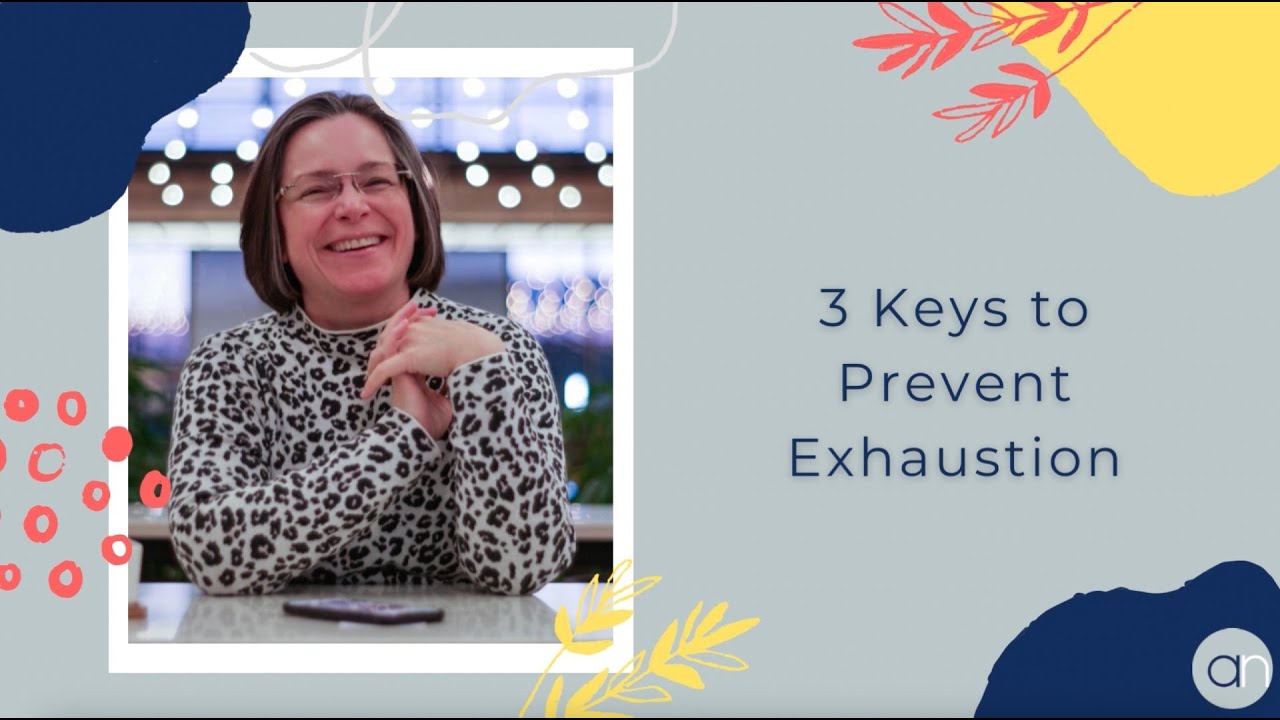
In this self‑help video, the speaker shares three high‑performance habits that helped her overcome chronic exhaustion while working in a corporate environment. First, she emphasizes the importance of personal clarity—knowing one’s values, goals, and identity—to reduce decision fatigue and make choices more effortlessly. Second, she describes energy‑management tactics: working in focused 50‑ to 75‑minute intervals, taking regular movement‑based breaks, staying hydrated, and practicing deep breathing to replenish oxygen and mental stamina. Third, she advocates planning the next day the night before, mapping out meetings, prioritising tasks, and pruning non‑essential items so that the workday can start smoothly and without mental overhead. Together, these habits aim to keep decision‑making sharp, sustain physical and mental energy, and streamline daily productivity for anyone feeling burnt out in a corporate setting.
Chapters
Are you tired of being sick and tired? I was tired when I was in corporate. I was exhausted, but I found 3 things amongst others that worked really well to keep exhaustion at bay. Stay tuned. So when we're feeling exhausted, it's very hard to keep ourselves moving forward. It's very hard to make decisions. It's even more complicated to be productive. So today I just want to share with you what were the 3 things that really helped me survive when I was in the corporate world. And they are just 3 simple high-performance habits that I want to share with you. The first one is around clarity. When you know who you are, when you know what you stand for, when you know what you're trying to achieve, it's much more easy— or it's, in proper English, it's much easier to make decisions, right? When you're guided guided by that internal compass of what your values are and how you want to show up for the world, when you have choices to make, decisions to take, there are some options that are naturally going to fall off simply because they're not aligned with your values. So having that clarity is really important for you not to suffer from that decision fatigue. And we know we have so many decisions to make throughout the day. Being able to narrow down those choices makes a huge difference in not feeling that exhaustion at the end of the day. The second high-performance habit is really all around managing your energy. What I found is that sometimes I would get to work and I would sit at my desk, and I could sit at my desk for hours. I wouldn't take a break, I wouldn't drink any water, I wouldn't do the things that you would normally do when you're engaging in life because I was so focused and I so wanted to make sure that I got everything done that I didn't really take the time to re-energize myself during the day, which meant that by the end of the day, there was just nothing left in the tank. So one of the things that I found worked really well for me was to work— once I got in the habit, and it's not an easy habit, it's simple, but it's not an easy habit to put in place— is to try to work in 50 to 75 minute chunks of time and to be able to take breaks on a regular basis. And what I did in those breaks is I would walk around, I would try to go to the loo because there were days when I actually never went to the loo. I would talk to colleagues. I would simply walk around and breathe more deeply because what I found was that when I was sitting at my desk and I was hunched over my computer, I bre— I breathed shallow, which meant that my brain didn't get the oxygen that it needed to get. So what I do now is I'll go take a walk outside, 5 minutes. I get some fresh air, I get the sun on my face. It helps me to step out of this, you know, hustle kind of mentality, and I feel refreshed when I come back to my desk. And sometimes I have ideas that just pop in my head because I'm not concentrating so hard I'm looking for the answer to my problems. So I encourage you to take breaks throughout the day, walk around, get a little bit of movement because that helps to re-energize you, and do some breathing exercises so that you can get some very needed and wanted oxygen to your poor brain that is completely oxygen deprived. And the third thing is managing our productivity, right? And one of the things that works really well is mapping out my day. So you can do it at, you know, the morning of, or you can do it the night before. And what I love about doing it the night before is that I don't spend any time overnight if I happen to wake up in the middle of the night and, you know, I get on the hamster wheel of thought. I don't spend any time thinking about my day that's coming because I've already planned it. I've already mapped it out. I know what meetings I have. I've had a chance to kind of prune if there's anything that I can get rid of that is a nice to do and not a must do. I've prioritized. So I have that big clarity in terms of this is how I'm going to run my day tomorrow, which means when I get to either the office Or when I sit at my desk, I know exactly where I'm going to start. I know exactly where I'm going to be taking my breaks, whether it's my lunch or my kind of in-between recharge, recharge breaks. And it just makes the day run so much more smoothly and so much more freely. So map out your day, figure out, um, you know, what are the things you need to do prioritize, just make sure you do it the night before. So when, like I said, when you start your day, you can absolutely hit the ground running. So just those 3 things as a recap. First, have the clarity about who you are, what you want, or what your values are, so it prevents you from having any kind of decision fatigue. Number 2, don't forget to re-energize during the day so that you don't get to the end of the, uh, you don't get to the end of the day and you're completely kaput because you haven't had a chance to re-energize. And number 3 is, you know, plan your day. Plan your day the night before, so when you get to the office or when you sit at your desk, you can just get started and you know exactly where you are, you know exactly what you have to do, and you don't have to spend any time or any mental energy trying to figure out what am I going to do next, because you know and you've already mapped it out. That's it. I hope it served you well, and I'll talk to you soon.