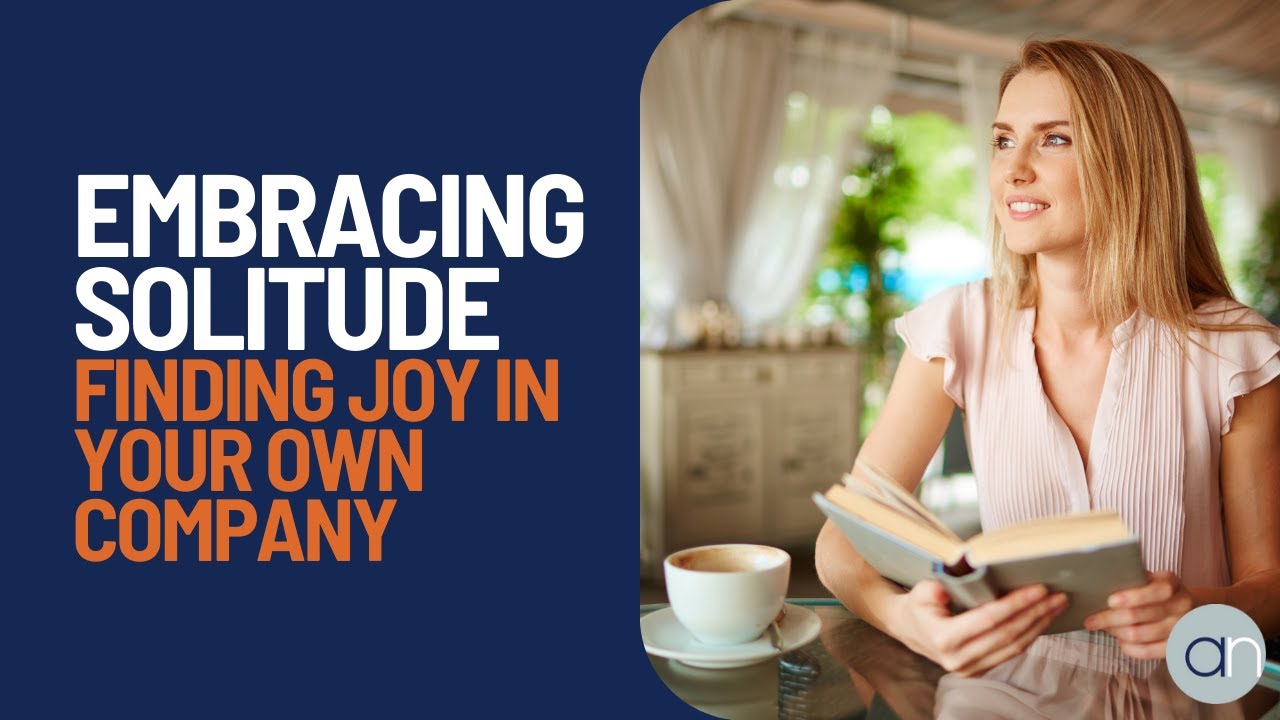
After divorce, a woman learned the difference between loneliness and solitude, and how to use alone time to rebuild confidence. She shares practices like journaling, meditation, and revisiting old hobbies, plus a five-question technique to reframe negative thoughts. Balance solitude with support groups and professional help when you need it.
Chapters
A few years ago, I discovered that I was right in the middle of that introvert-extrovert personality trait. That means I was equally excited to go out and have some fun, but I also loved being home, coming home, and being able to decompress and spend some time just with myself. And when I ended up getting divorced, I actually found that I really enjoyed being by myself. I could do what I wanted, when I wanted, how I wanted, without anybody telling me what to do. If I wanted to go out, I went out. If I wanted to stay in, I stayed in. And it was great. It felt like freedom. Them. But I also realize that not everyone relishes being alone, especially when you're used to sharing your life with somebody or have shared your life with somebody for a long time. Finding yourself in the quiet can feel challenging because it can feel like our thoughts are running away from us, like we can't stop those mind loops and those ruminations from happening because we're not distracted by other things going on around us. But one of the critical aspects of healing after divorce is that ability to not just be okay with being by ourselves, but actually learning to love that time where we are in communion with ourselves. And I want to share that there's a difference between loneliness and solitude. Loneliness feels heavy. Loneliness feels almost like an emotional void that we feel we need to fill. It feels like maybe there's something missing, and it might give us a feeling of that we've done something wrong or that we're being punished. On the flip side, solitude is about peace, calm, It's about enjoying the time where we are alone with our thoughts, where we are away from other people so that we can be in communion with ourselves. When we choose to be in solitude, we give ourselves the chance to take a breather, reflect on our thoughts, our feelings, our emotions. We give ourselves the chance to grow and learn from our experience. Because let's face it, it's really difficult to listen to your innermost thoughts when you're constantly surrounded by chaos, noise, and activity. And there are a lot of benefits to embracing solitude. First, we learn more about who we are. We learn about ourselves, our emotions, our thoughts, our feelings, how we respond or react to different situations. We gain greater self-awareness and greater confidence. And we also get clear about what it is that we want and definitely what we don't want. Because it's not easy to try to figure out what it is that we want when we're just chasing butterflies, right? We're just chasing different things all the time, on the go, never giving ourselves a chance to take a breath. Solitude allows us to do that so we can get that understanding and that awareness of who we are so that we can make a decision whether or not this is a person we like or if there are things that we might want to change. Being in solitude also gives us the room to manage that transition from our old life to our new life. We have the opportunity to create new routines, new rituals, new traditions, which are going to help us to live the life that we actually want to live. We get to decide, we get to say, "This is how I want to build my life," and we get to do that. It's incredibly empowering. You know, maybe you never had time to go to the gym, maybe now you do, maybe now you make that a part of the new you. When we're alone with ourselves, When we allow ourselves to be alone and we don't try to run away from that, we reconnect with our true selves, with our authentic selves, and we even have the opportunity to reconnect or to remember things that we used to love that we haven't done in a while. We maybe forgot about different passions that we ended up setting aside and we said, "You know what, one day I'll pick that up again." Now is your time. To pick those things up again. Now is also your time to let go of the person you felt you needed to be because you felt you needed to fit within a particular mold. Let that go, be free, decide who you want to be. And there are many things that you can do to rediscover yourself. You can journal, meditate, and I know meditation sometimes is a little bit eh, but do a walking meditation. If you go walking or hiking in nature, don't put earplugs in or earphones in, just go and listen to the sounds of nature. Maybe you have an opportunity to rediscover, like I said, As I said, old passions, new passions, things that you never thought you might be interested in that maybe would be cool to experience now. Maybe you want to write yourself a love letter, something that you want your innermost self to know, something you want your innermost self not to forget about who you are, about who the real you is. And we all can get stuck with those automatic negative thoughts, what Dr. Daniel Amen calls the ants. And there's a very quick process that can help you to get yourself out of that really quickly, and I want to share that right now. And it's a process that really has 5 questions. And the first question is this: Is it true? Is the thought that I'm having true? Question number 2: Is it absolutely 100% unequivocally true? Number 3: How do you feel when you have this thought? What emotions come up? What do you think about? Number 4: Who would you be without that thought? That gets you to start thinking about things in a more positive way. And last but not least, number 5: Turn the thought the opposite of what you just said and ask yourself, is the opposite true or maybe even more true than the original thought? This is going to take practice. Well, you might be thinking, this is all well and good, but how do I find joy in my own company? Like, give me something practical. So I'm going to ask you this: what do you enjoy doing? Do you remember what brings you joy? What makes you come alive? What puts a smile on your face? Simple, do more of that. You don't have to do the things that you don't want to do. You never had to do the things you didn't want to do, but especially so now that you're on your own. And there are different things that you can do, right? Maybe you want to create a cozy, safe space at home. Think big reading chair with a side table with a cup of tea with a nice lamp to shine down on your book. Really do the things that are going to make you happy, that are going to make you come alive, and that are going to make you want to release the negative emotions that you might be tempted to hold on to. But be careful, there's a difference between embracing solitude and isolating yourself from the world. There is a lot of value in spending time alone, just as much as there is in spending time with other people. But the last thing you want to do is shut the outside world. So maybe joining a divorce group is something that would be beneficial, or going to meetups where you can meet other women who are also struggling with divorce or going through a divorce and coming together so you can build each other up, so you can support each other, so you can grow together. Just make sure it doesn't turn into like a gigantic bitch fest because it doesn't help anyone. And look, if you're really struggling with those feelings of loneliness or you feel your mental health is suffering, ask for help. Talk to a therapist, a psychologist, a psychiatrist, whatever it takes. To get you back in a good place mentally. There's no shame. Sometimes we need a little help, and maybe that little help is what you need so that you can embrace solitude when you're ready.