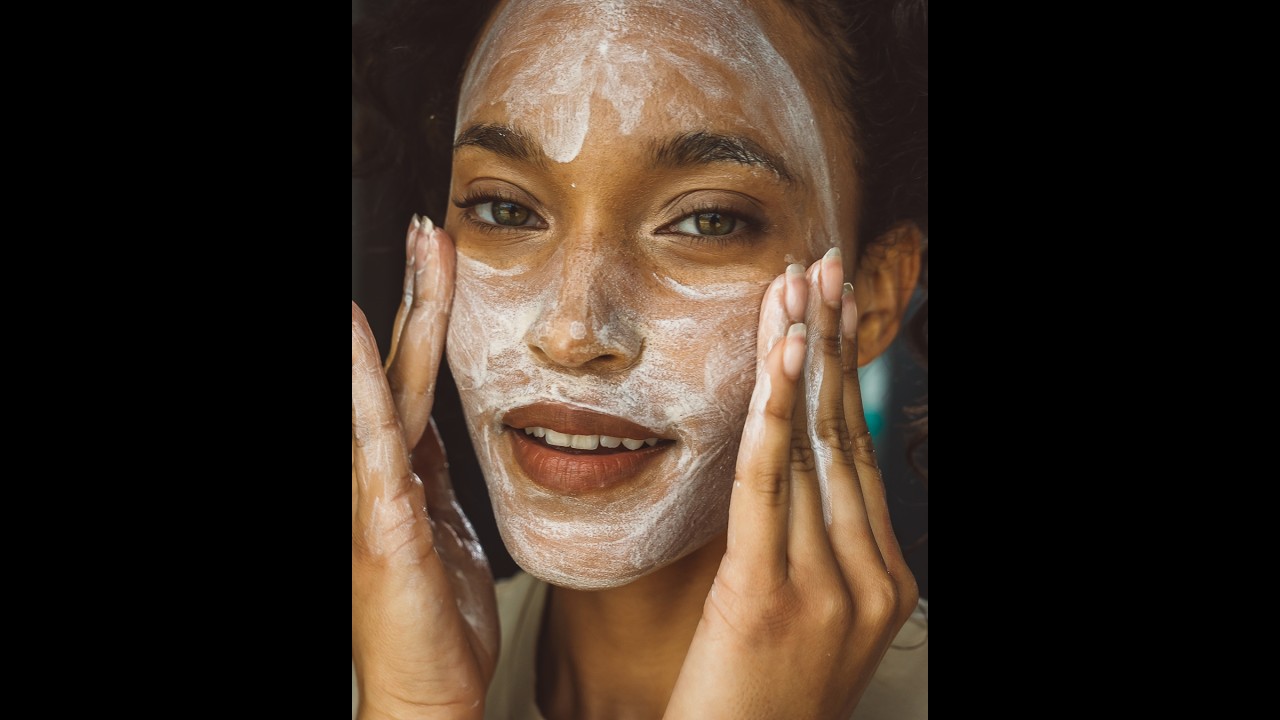
ACNE SKIN EXPLAINED | Causes, Types, Treatment, Care, Blackheads & Scars Removal | Wikipedia Audio

This is an audio narration of a Wikipedia article explaining acne (acne vulgaris): its definition, common signs and complications (including scarring and post-inflammatory pigmentation), major causes and pathophysiology (strong genetic contribution, hormonal influences, P. acnes involvement, sebum and follicular keratinization), diagnostic considerations and severity grading, a wide range of treatments (topical, systemic, procedural and complementary), epidemiology and social/psychological impact, plus history and current research directions (sebum-targeting therapies, probiotics, vaccines). The narration includes prevalence estimates (hundreds of millions affected worldwide), age-distribution (very common in adolescents; many persist into adulthood), and safety notes for pregnancy and isotretinoin.
Acne Wikipedia Article Audio Acne, also known as Acne vulgaris, is a long term skin disease that occurs when hair follicles are clogged with dead skin cells and oil from the skin. It is characterized by blackheads or whiteheads, pimples, oily skin and possible scarring. It primarily affects areas of the skin with a relatively high number of oil glands including the face, upper part of the chest and back. The resulting appearance can lead to anxiety, reduced self esteem and in extreme cases, depression or thoughts of suicide. Genetics is thought to be the primary cause of acne in 80% of cases. The role of diet and cigarette smoking is unclear and neither cleanliness nor exposure to sunlight appear to play a part during puberty in both sexes. Acne is often brought on by an increase in hormones such as testosterone. A frequent factor is excessive growth of the bacterium Propionibacterium acnes which is normally present on the skin. Classification Signs and Symptoms Many treatment options for acne are available including lifestyle changes, medications and medical procedures. Eating fewer simple carbohydrates such as sugar may help. Treatments applied directly to the affected skin such as azelaic acid, benzoyl peroxide and salicylic acid are commonly used. Antibiotics and retinoids are available in formulations that are applied to the skin and taken by mouth for the treatment of acne. However, resistance to antibiotics may develop as a result of antibiotic therapy. Several types of birth control pills help against acne in women. Isotretinoin pills are usually reserved for severe acne due to greater potential side effects. Early and aggressive treatment of acne is advocated by some in the medical community to decrease the overall long term impact to individuals. In 2015, acne was estimated to affect 633 million people globally, making it the eighth most common disease worldwide. Acne commonly occurs in adolescents and affects an estimated 80 90% of teenagers in the western world. Lower rates are reported in some rural societies. Children and adults may also be affected before and after puberty. Although acne becomes less common in adulthood, it persists in nearly half of affected people into their 20s and 30s and a smaller group continue to have difficulties into their 40s. The severity of acne vulgaris can be classified as mild, moderate or severe, as this helps to determine an appropriate treatment regimen. Mild acne is classically defined by the presence of clogged skin follicles limited to the face with occasional inflammatory lesions. Moderate severity acne is said to occur when a higher number of inflammatory papules and pustules occur on the face compared to mild cases of acne and are found on the trunk of the body. Severe acne is said to occur when nodules are the characteristic facial lesions and involvement of the trunk is extensive. Extensive large nodules were previously referred to as cysts and the term nodulocystic has been used in the medical literature to describe severe cases of inflammatory acne. True cysts are in fact rare in those with acne and the term severe nodular acne is now the preferred terminology. Acne inversa and acne rosacea are not true forms of acne and respectively refer to the skin conditions hydratonitis suppurae. Although HS shares certain common features with acne vulgaris, such as a tendency to clog skin follicles with skin cell debris, the condition otherwise lacks the defining features of acne and is therefore considered a distinct skin disorder. Scars Typical features of acne include increased secretion of oily sebum by the skin, microcomedones, comedones, papules, nodules, pustules and often results in scarring. The appearance of acne varies with skin color. It may result in psychological and social problems. Acne scars are caused by inflammation within the dermal layer of skin and are estimated to affect 95% of people with acne vulgaris. The scar is created by abnormal healing following this dermal inflammation. Scarring is most likely to take place with severe acne but may occur with any form of acne vulgaris. Acne scars are classified based on whether the abnormal healing response following dermal inflammation leads to excess collagen deposition or loss at the site of the acne lesion. Pigmentation Atrophic acne scars have lost collagen from the healing response and are the most common type of acne scar. They may be further classified as ice pick scars, boxcar scars and rolling scars. Ice pick scars are narrow, deep scars that extend into the dermis. Bock scar scars are round or ovoid indented scars with sharp borders and vary in size from 1.54 across. Rolling scars are wider than icepick and boxcar scars and have a wave like pattern of depth in the skin. Hypertrophic scars are uncommon and are characterized by increased collagen content after the abnormal healing response. They are described as firm and raised from the skin. Hypertrophic scars remain within the original margins of the wound whereas keloid scars can form scar tissue outside of these borders. Keloid scars from acne occur more often in men and people with darker skin and usually occur on the trunk of the body. Post inflammatory Hyperpigmentation is usually the result of nodular acne lesions. These lesions often leave behind an inflamed, darkened mark after the original acne lesion has resolved. This inflammation stimulates specialized pigment producing skin cells to produce more melanin pigment, which leads to the skin's darkened appearance. People with darker skin color are more frequently affected by this condition. Pigmented scar is a common term used for PIH but is misleading as it suggests the color change is permanent. Often, PIH can be prevented by avoiding any aggravation of the nodule and can fade with time. However, untreated PIH can last for months, years, or even be permanent if deeper layers of skin are affected. Even minimal skin exposure to the sun's ultraviolet rays can sustain hyperpigmentation. Daily use of SPF 15 or higher sunscreen can minimize such a risk. Causes Risk factors for the development of acne other than genetics have not been conclusively identified. Possible secondary contributors include hormones, infections, diet and stress. Studies investigating the impact of smoking on the incidence and severity of acne have been inconclusive. Sunlight and cleanliness are not associated with acne genes. The predisposition to acne for specific individuals is likely explained by a genetic component, a theory which is supported by studies examining the rates of acne among twins and first degree relatives. Severe acne may be associated with XYY syndrome. Acne susceptibility is likely due to the influence of multiple genes as the disease does not follow a classic inheritance pattern. Multiple gene candidates have been proposed, including certain variations in tumor necrosis factor alpha, IL1alpha and CYP1A1 genes, among others. Increased risk is associated with the 308G, a single nucleotide polymorphism variation in the gene for TNF hormones. Hormonal activity such as occurs during menstrual cycles and puberty may contribute to the formation of acne. During puberty, an increase in sex hormones called androgens causes the skin follicle glands to grow larger and make more oily sebum. Several hormones have been linked to acne, including the androgens, testosterone, dihydrotestosterone and dehydroepiandrosterone. High levels of growth hormone and insulin like growth factor 1 have also been associated with worsened acne. Both androgens and IGF1 seem to be essential for acne to occur, as acne does not develop in individuals with complete androgen insensitivity syndrome or laren syndrome. Medical conditions that commonly cause a high androgen state, such as polycystic ovary syndrome congenital adrenal hyperplasia and androgen secreting tumors can cause acne in affected individuals. Conversely, people who lack androgenic hormones or are insensitive to the effects of androgens rarely have acne. An increase in androgen and oily sebum synthesis can be seen during pregnancy. Acne can be a side effect of testosterone replacement therapy or of anabolic steroid use over the counter. Bodybuilding and dietary supplements are commonly found to contain illegally added anabolic steroids. Infections it is widely suspected that the anaerobic bacterial species Propionibacterium acnes contributes to the development of acne, but its exact role is not well understood. There are specific sub strains of P. Acnes associated with normal skin and moderate or severe inflammatory acne. It is unclear whether these undesirable strains evolve on site or are acquired or possibly both, depending on the person. These strains have the capability of changing, perpetuating or adapting to the abnormal cycle of inflammation, oil production and inadequate sloughing of dead skin cells from acne pores. Infection with the parasitic mite Demodex is associated with the development of acne. It is unclear whether eradication of the mite improves acne. The relationship between diet and acne is unclear as there is no high quality evidence that establishes any definitive link between them. High glycemic load diets have been found to have different degrees of effect on acne severity. Multiple randomized controlled trials and non randomized studies have found a lower glycemic load diet to be effective in reducing acne. There is weak observational evidence suggesting that dairy milk consumption is positively associated with a higher frequency and severity of acne. Milk contains whey protein and hormones such as bovine IGF1 and precursors of dihydrotestosterone. These components are hypothesized to promote the effects of insulin and IGF1 and thereby increase the production of androgen hormones, sebum and promote the formation of comedones. Effects from other potentially contributing dietary factors such as consumption of chocolate or salt are not supported by the evidence. Chocolate does contain varying amounts of sugar which can lead to a high glycemic load and it can be made with or without milk. Few studies have examined the relationship between obesity and acne. Vitamin B May 12 trigger skin outbreaks similar to acne or worsen existing acne when taken in doses exceeding the recommended daily intake. Eating greasy foods does not increase acne nor make it worse. Few high quality studies have been performed which demonstrate that stress causes or worsens acne While the connection between acne and stress has been debated, some research indicates that increased severity is associated with high stress levels in certain contexts, such as hormonal changes seen in premenstrual syndrome. Mechanical obstruction of skin follicles with helmets or chinstraps can worsen pre existing acne Several medications can worsen pre existing acne, with examples being lithium, hydantoin, isoniazid, glucocorticoids, iodides, bromides and testosterone. Diet Acne vulgaris is a chronic skin disease of the pilocabaceous unit and develops due to blockages in the skin's hair follicles. These blockages are thought to occur as a result of the following four abnormal a higher than normal amount of oily sebum production, excessive deposition of the protein keratin leading to comedo formation, colonization of the follicle by Propionibacterium acnes bacteria and the local release of pro inflammatory chemicals in the skin. Stress the earliest pathologic change is the formation of a plug, which is driven primarily by excessive growth, reproduction and accumulation of skin cells in the hair follicle. In normal skin, the skin cells that have died come up to the surface and exit the pore of the hair follicle. However, increased production of oily sebum in those with acne causes the dead skin cells to stick together. The accumulation of dead skin cell debris and oily sebum blocks the pore of the hair follicle, thus forming the microcomedone. This is further exacerbated by the biofilm created by P acnes within the hair follicle. If the microcomedone is superficial within the hair follicle, the skin pigment melanin is exposed to air, resulting in its oxidation and dark appearance. In contrast, if the microcomedone occurs deep within the hair follicle, this causes the formation of a white head. Media Related to acne at Wikimedia Commons Questions and Answers About Acne US National Institute of Arthritis and Musculoskeletal and Skin Diseases the main hormonal driver of oily sebum production in the skin is dihydrotestosterone. Another androgenic hormone responsible for increased sebaceous gland activity is dheas. Higher amounts of dheas are secreted during Adriana and this leads to an increase in sebum production in a sebum rich skin environment. The naturally occurring and largely commensal skin bacterium P. Acnes readily grows and can cause inflammation within and around the follicle due to activation of the innate immune system. P Acnes triggers skin inflammation in acne by increasing the production of several pro inflammatory chemical signals. IL1alpha is known to be essential to comedo formation. A major mechanism of acne related skin inflammation is mediated by P Acnes ability to bind and activate a class of immune system receptors known as toll like receptors, especially TLR2 and TLR4. Activation of TLR2 and TLR4 bip acnes leads to increased secretion of IL1 alpha, IL8 and TNF alpha. Release of these inflammatory signals attracts various immune cells to the hair follicle including neutrophils, macrophages and TH1 cells. IL1alpha stimulates increased skin cell activity and reproduction which in turn fuels comedo development. Furthermore, sebaceous gland cells produce more antimicrobial peptides such as HBD1 and HBD2 in response to binding of TLR2 and TLR4. P acnes also provokes skin inflammation by altering the fatty composition of oily sebum. Oxidation of the lipid squalene by P acnes is of particular importance. Squalene oxidation activates NF Kappa B and consequently increases IL1alpha levels. Additionally, squalene oxidation leads to increased activity of the 5 lipoxygenase enzyme responsible for conversion of arachidonic acid to leukotrionib 4. LTB4 promotes skin inflammation by acting on the peroxisome proliferator activated receptor alpha Protein PAR increases activity of activator protein 1 and NF kappa B, thereby leading to the recruitment of inflammatory T cells. The inflammatory properties of P Acnes can be further explained by the bacterium's ability to convert sebum triglycerides to pro inflammatory free fatty acids via secretion of the enzyme lipase. These free fatty acids spur production of cathlocidin, HBD1 and HBD2, thus leading to further inflammation. Environmental factors medications pathophysiology Diagnosis this inflammatory cascade typically leads to the formation of inflammatory acne lesions including papules, infected pustules or nodules. If the inflammatory reaction is severe, the follicle can break into the deeper layers of the dermis and subcutaneous tissue and cause the formation of deep nodules. Involvement of AP1 in the aforementioned inflammatory cascade leads to activation of matrix metalloproteinases which contribute to local tissue destruction and scar formation. Comedones must be present to diagnose acne in their absence. An appearance similar to that of acne would suggest a different skin disorder Microcomedones are not visible to the naked eye when inspecting the skin and can only be seen with a microscope. There are many features that may indicate a person's acneval garis is sensitive to hormonal influences. Historical and physical clues that may suggest hormone sensitive acne include onset between ages 20 and 30, worsening the week before a woman's menstrual cycle, acne lesions predominantly over the jawline and chin and inflammatory nodular acne lesions. Several scales exist to grade the severity of acne vulgaris, but no single technique has been universally accepted as the diagnostic standard. Cook's Acne Grading Scale uses photographs to grade severity from 0 to 8. This scale was the first to use a standardized photographic protocol to assess acne severity. Since its creation in 1979, the scale has undergone several revisions. The LEEDS Acne Grading technique counts acne lesions on the face, back and chest and categorizes them as inflammatory or non inflammatory. LEEDS scores range from 0 to 10, though modified scales have a maximum score of 12. The Pillsbury Acne Grading Scale simply classifies the severity of the acne from 1 to 4. Many skin conditions can mimic acne vulgaris and are collectively known as acneform eruptions. Such conditions include angiofibromas, epidermal cysts, flat warts, folliculitis, keratosis, pilaris, milia, perioral dermatitis, and rosacea, among others. Age is one factor which may help distinguish between these disorders. Skin disorders such as perioral dermatitis and keratosis pilaris can appear similar to acne but tend to occur more frequently in childhood, whereas rosacea tends to occur more frequently in older adults. Facial redness triggered by heat or the consumption of alcohol or spicy food is suggestive of rosacea. The presence of comedones helps health professionals differentiate acne from skin disorders that are similar in appearance. Chloracne, due to exposure to certain chemicals, may look very similar to acne vulgaris. Many different treatments exist for acne. These include alpha hydroxy acid, anti androgen medications, antibiotics, anti seborrheic medications, azelaic acid, benzoyl peroxide, hormonal treatments, keratolytic soaps, nicotinamide retinoids, and salicylic acid. They are believed to work in at least four different ways, including the reducing inflammation, hormonal manipulation, killing p acnes and normalizing skin, cell shedding and sebum production in the pore to prevent blockage. Common treatments include topical therapies such as antibiotics, benzoyl peroxide and retinoids and systemic therapies including antibiotics, hormonal agents and oral retinoids. Recommended therapies for first line use in acne vulgaris treatment include topical retinoids, benzoyl peroxide and topical or oral antibiotics. Procedures such as light therapy and laser therapy are not considered to be first line treatments and typically have an adjunctive role due to their high cost and limited evidence of efficacy. Medications for acne work by targeting the early stages of Comedo formation and are generally ineffective for visible skin lesions. Improvement in the appearance of acne is typically expected between six and eight weeks after starting therapy. A diet low in simple sugars is recommended as a method of improving ACNE. As of 2014, evidence is insufficient to recommend milk restriction for this purpose. Differential Diagnosis Benzoyl peroxide is a first line treatment for mild and moderate acne due to its effectiveness and mild side effects in the skin follicle. Benzoyl peroxide kills p acnes by oxidizing its proteins through the formation of oxygen free radicals and benzoic acid. These free radicals are thought to interfere with the bacterium's metabolism and ability to make proteins. Additionally, benzoyl peroxide is mildly effective at breaking down comedones and inhibiting inflammation. Benzoyl peroxide may be paired with a topical antibiotic or retinoid such as benzoyl peroxide, clindamycin and benzoyl peroxide adipalene respectively. Side effects include increased skin photosensitivity, dryness, redness and occasional peeling. Sunscreen use is often advised during treatment to prevent sunburn. Lower concentrations of benzoyl peroxide are just as effective as higher concentrations in treating acne but are associated with fewer side effects. Unlike antibiotics, benzoyl peroxide does not appear to generate bacterial antibiotic resistance. Retinoids are medications which reduce inflammation, normalize the follicle cell life cycle and reduce sebum production. They are structurally related to vitamin A. The retinoids appear to influence the cell life cycle in the follicle lining. This helps prevent the accumulation of skin cells within the hair follicle that can create a blockage. They are a first line acne treatment especially for people with dark colored skin and are known to lead to faster improvement of post inflammatory hyperpigmentation management diet 2 medications 2 frequently used topical retinoids include adipalene, isotretinoin, retinol toseratine and tretinoin. They often cause an initial flare up of acne and facial flushing and can cause significant skin irritation. Generally speaking, retinoids increase the skin's sensitivity to sunlight and are therefore recommended for use at night. Tretinoin is the least expensive of the topical retinoids and is the most irritating to the skin, whereas adipalene is the least irritating to the skin but costs significantly more. Tazarotene is the most effective and expensive topical retinoid but is not as well tolerated. Retinol is a form of vitamin A that has similar but milder effects and is used in many over the counter moisturizers and other topical products. Isotretinoin is an oral retinoid that is very effective for severe nodular acne and moderate acne that is stubborn to other treatments. 12 months use is typically adequate to see improvement. Acne often resolves completely or is much milder after a 46 month course of oral isotretinoin. After a single course, about 80% of people report an improvement with more than 50% reporting complete remission. About 20% of patients require a second course. Concerns have emerged that isotretinoin use is linked with an increased risk of adverse effects like depression, suicidality, anemia. Although there is no clear evidence to support some of these claims, isotretinoin is superior to antibiotics or placebo in reducing acne lesions. The frequency of adverse events was about twice as high with isotretinoin, although these were mostly dryness related events. No increased risk of suicide or depression was conclusively found. Isotretinoin use in women of childbearing age is regulated due to its known harmful effects in pregnancy. For such a woman to be considered a candidate for isotretinoin, she must have a confirmed negative pregnancy test and use an effective form of birth control. In 2008, the United States started the Ipledge program to prevent isotretinoin use during pregnancy. I pledge requires the woman under consideration for isotretinoin therapy to have two negative pregnancy tests and mandates the use of two types of birth control for at least one month before therapy begins and one month after therapy is complete. The effectiveness of the Eye Pledge program has been questioned due to continued instances of contraception. Non adherence antibiotics are frequently applied to the skin or taken orally to treat acne and are thought to work due to their antimicrobial activity against p acnes and their ability to reduce inflammation. With the widespread use of antibiotics for acne and an increased frequency of antibiotic resistant acnes worldwide, antibiotics are becoming less effective, especially macrolid antibiotics such as topical erythromycin. Commonly used antibiotics either applied to the skin or taken orally include clindamycin, erythromycin metronidazole, sulfacetamide and tetracyclines such as doxycycline and minocycline. When antibiotics are applied to the skin, they are typically used for mild to moderately severe acne. Antibiotics taken orally are generally considered to be more effective than topical antibiotics and produce faster resolution of inflammatory acne lesions than topical applications. Topical and oral antibiotics are not recommended for use together. Oral antibiotics are recommended for no longer than three months as antibiotic courses exceeding this duration are associated with the development of antibiotic resistance and show no clear benefit over shorter courses. Furthermore, if long term oral antibiotics beyond three months are thought to be necessary, it is recommended that benzoyl peroxide andor a retinoid be used at the same time to limit the risk of P acnes developing antibiotics. Antibiotic resistance Dapsone is not a first line topical antibiotic due to higher cost and lack of clear superiority over other antibiotics. Topical dapsone is not recommended for use with benzoyl peroxide due to yellow orange skin discoloration with this combination. In women, acne can be improved with the use of any combined birth control pill. These decrease the production of androgen hormones by the ovaries resulting in lower skin production of sebum and consequently reduce acne severity. Combinations containing third or fourth generation progestins such as desogestrel, drospirenone or NORC estimate are preferred for women with acne due to their stronger anti androgenic effects. A 2014 review found that oral antibiotics appear to be somewhat more effective than birth control pills at decreasing the number of inflammatory Acne lesions at 3 months. However, the two therapies are approximately equal in efficacy at 6 months for decreasing the number of inflammatory, non inflammatory and total acne lesions. The authors of the analysis suggested that birth control pills may be a preferred first line acne treatment over oral antibiotics in certain women due to similar efficacy at six months and a lack of associated antibiotic resistance. Benzoyl peroxide antiandrogens such as cyprotarone acetate and spironolactone have been used successfully to treat acne, especially in women with signs of excessive androgen production such as increased hairiness or skin production of sebum or baldness. Spironolactone is an effective treatment for acne in adult women but unlike combination oral contraceptives, is not approved by the United States Food and Drug Administration for this purpose. The drug is primarily used as an aldosterone antagonist and is thought to be a useful acne treatment due to its ability to block the androgen receptor. At higher doses it may be used with or without an oral contraceptive. Hormonal therapies should not be used to treat acne during pregnancy or lactation as they have been associated with birth disorders such as hypospadias and feminization of the male fetus or infant. Finasteride is likely an effective treatment for acne. Azelaic acid has been shown to be effective for mild to moderate acne when applied topically at a 20% concentration. Treatment twice daily for six months is necessary and is as effective as topical benzoyl peroxide 5%, isotretinoin 0.05% and erythromycin 2%. Azelaic acid is thought to be an effective acne treatment due to its ability to reduce skin cell ac accumulation in the follicle and its antibacterial and anti inflammatory properties. It has a slight skin lightening effect due to its ability to inhibit melanin synthesis and is therefore useful in treating of individuals with acne who are also affected by post inflammatory hyperpigmentation. Azelaic acid may cause skin irritation but is otherwise very safe. It is less effective and more expensive than retinoids. Salicylic acid is a topically applied beta hydroxy acid that stops bacteria from reproducing and has keratolytic properties. It opens obstructed skin pores and promotes shedding of epithelial skin cells. Salicylic acid is known to be less effective than retinoid therapy. Dry skin is the most commonly seen side effect with topical application, though darkening of the skin has been observed in individuals with darker skin types. Topical and oral preparations of nicotinamide have been suggested as alternative medical treatments. It is thought to improve acne due to its anti inflammatory properties, its ability to suppress sebum production and by promoting wound healing. Topical and oral preparations of zinc have similarly been proposed as effective treatments for acne. Evidence to support their use for this purpose is limited. The purported efficacy of zinc is attributed to its capacity to reduce inflammation and sebum production and inhibit p acnes. Antihistamines may improve symptoms among those already taking isotretinoin due to their anti inflammatory properties and their ability to suppress sebum production. Hydroquinone lightens the skin when applied topically by inhibiting tyrosinase, the enzyme responsible for converting the amino acid tyrosine to the skin pigment melanin and is used to treat acne associated post inflammatory hyperpigmentation by interfering with new production of melanin in the epidermis, hydroquinone leads to less hyperpigmentation as darkened skin cells are naturally shed over time. Improvement in skin hyperpigmentation is typically seen within six months when used twice daily. Hydroquinone is ineffective for hyperpigmentation affecting deeper layers of skin such as the dermis. The use of a sunscreen with SPF 15 or higher in the morning with reapplication every two hours is recommended when using hydroquin. Its application only to affected areas lowers the risk of lightening the color of normal skin but can lead to a temporary ring of lightened skin around the hyperpigmented area. Hydroquinone is generally well tolerated. Side effects are typically mild and occur with use of a higher than the recommended 4% concentration. Most preparations contain the preservative sodium metabisulfite, which has been linked to rare cases of allergic reactions including anaphylaxis and severe asthma exacerbations in susceptible people. In extremely rare cases, repeated improper topical application of high dose hydroquinone has been associated with an accumulation of homogeneousic acid in connective tissues, a condition known as exogenous ochronosis. Combination therapy using medications of different classes together, each with a different mechanism of action, has been demonstrated to be a more efficacious approach to acne treatment than monotherapy. The use of topical benzoyl peroxide and antibiotics together has been shown to be more effective than antibiotics alone. Similarly, using a topical retinoid with an antibiotic clears acne lesions faster than the use of antibiotics alone. Frequently used combinations include the antibiotic and benzoyl peroxide antibiotic and topical retinoid or topical retinoid and benzoyl peroxide. The pairing of benzoyl peroxide with a retinoid is preferred over the combination of a topical antibiotic with a retinoid since both regimens are effective but benzoyl peroxide does not lead to antibiotic resistance. Although the late stages of pregnancy are associated with an increase in sebaceous gland activity in the skin, pregnancy has not been reliably associated with worsened acne severity in general. Topically applied medications are considered the first line approach to acne treatment during pregnancy as they have little systemic absorption and are therefore unlikely to harm a developing fetus. Highly recommended therapies include topically applied benzoyl peroxide and azelaic acid. Salicylic acid carries a category C safety rating due to higher systemic absorption and an association between the use of anti inflammatory medications in the third trimester and adverse effects to the developing fetus, including too little amniotic fluid in the uterus and early closure of the baby's ductus arteriosus blood vessel. Prolonged use of salicylic acid over significant areas of the skin or under occlusive dressings is not recommended as these methods increase systemic absorption and the potential for fetal harm. Tretinoin and adipalene are very poorly absorbed, but certain studies have suggested teratogenic effects in the first trimester due to persistent safety concerns. Topical retinoids are not recommended for use during pregnancy. In studies examining the effects of topical retinoids during pregnancy, fetal harm has not been seen in the second and third trimesters. Retinoids contraindicated for use during pregnancy include the topical retinoid tazarotene and oral retinoids isotretinoin and acetretin. Spironolactone is relatively contraindicated for use during pregnancy due to its antiandrogen effects. Finasteride is not recommended as it is highly teratogenic. Topical antibiotics deemed safe during pregnancy include clindamycin, erythromycin, and metronidazole due to negligible systemic absorption. Natofloxacin and dapsone are other topical antibiotics that may be used to treat acne in pregnant women but have received less study. No adverse fetal events have been reported from the topical use of dapsone. If retinoids are used, there is a high risk of abnormalities occurring in the developing fetus. Women of childbearing age are therefore required to use effective birth control if retinoids are used to treat acne. Oral antibiotics deemed safe for pregnancy include azithromycin, cephalosporins, and penicillins. Tetracyclines are contraindicated during pregnancy as they are known to deposit in developing fetal teeth, resulting in yellow discoloration and thin tooth enamel. Their use during pregnancy has been associated with development of acute fatty liver of pregnancy and is further avoided for this reason. Comedo extraction is supported by limited evidence but is recommended for comedones that do not improve with standard treatment. Another procedure for immediate relief is injection of a corticosteroid into an inflamed acne. Comidone, electrocautery, and electrofulguration have also been reported as effective treatments for comedones. Light therapy is a treatment method that involves delivering certain specific wavelengths of light to an area of skin affected by acne. Both regular and laser light have been used when regular light is used immediately following the application of a sensitizing substance to the skin such as amnolevulenic acid or methylamine. The treatment is referred to as photodynamic therapy. PDT has the most supporting evidence of all light therapies. Many different types of nonablative lasers have been used to treat acne, including those that use infrared wavelengths of light. Ablative lasers have also been used to treat active acne and its scars. When ablative lasers are used, the treatment is often referred to as laser resurfacing because, as mentioned previously, the entire upper layers of the skin are vaporized. Ablative lasers are associated with higher rates of adverse effects compared with nonablative lasers, with examples being post inflammatory hyperpigmentation, persistent facial redness, and persistent pain. Physiologically, certain wavelengths of light used with or without accompanying topical chemicals are thought to kill bacteria and decrease the size and activity of the glands that produce Sebum. As of 2012, evidence for various light therapies was insufficient to recommend them for routine use. Disadvantages of light therapy can include its cost, the need for multiple visits, time required to complete the procedure, and pain associated with some of the treatment modalities. Various light therapies appear to provide a short term benefit, but data for long term outcomes and for outcomes in those with severe acne are sparse. It may have a role for individuals whose acne has been resistant to topical medications. Typical side effects include skin peeling, temporary reddening of the skin, swelling, and post inflammatory hyperpigmentation. Retinoids antibiotics Dermabrasion is an effective therapeutic procedure for reducing the appearance of superficial atrophic scars of the boxcar and rolling varieties. Ice pick scars do not respond well to treatment with dermabrasion due to their depth. The procedure is painful and has many potential side effects such as skin sensitivity to sunlight, redness and decreased pigmentation of the skin. Dermabrasion has fallen out of favor with the introduction of laser resurfacing. Unlike dermabrasion, there is no evidence that microdermabrasion is an effective treatment for acne. Microneedling is a procedure in which an instrument with multiple rows of tiny needles is rolled over the skin to elicit a wound healing response and stimulate collagen production to reduce the appearance of atrophic acne scars in people with darker skin color. Notable adverse effects of microneedling include post inflammatory hyperpigmentation and tram track scarring. The latter is thought to be primarily attributable to improper technique by the practitioner, including the use of excessive pressure or inappropriately large needles. Hormonal agents Subcision is useful for treatment of superficial atrophic acne scars and involves the use of a small needle to loosen the fibrotic adhesions that result in the depressed appearance of the scar. Azelaic acid salicylic acid Other medications Combination therapy Pregnancy procedures Alternative medicine self care Prognosis epidemiology History society and culture research Other animals Chemical peels can be used to reduce the appearance of acne scars. Mild peels include those using glycolic acid, lactic acid, salicylic acid, Jessner's solution or a lower concentrations of trichloroacetic acid. These peels only affect the epidermal layer of the skin and can be useful in the treatment of superficial acne scars as well as skin pigmentation changes from inflammatory acne. Higher concentrations of trichloroacetic acid are considered to be medium strength peels and affect skin as deep as the papillary dermis. Formulations of trichloroacetic acid concentrated to 50% or more are considered to be deep chemical peels. Medium strength and deep strength chemical peels are more effective for deeper atrophic scars but are more likely to cause side effects such as skin pigmentation changes, infection and small white superficial cysts known as milia. Complementary therapies have been investigated for treating people with acne. Low quality evidence suggests topical application of tea tree oil or bee venom may reduce the total number of skin lesions in those with acne. Tea tree oil is thought to be approximately as effective as benzoyl peroxide or salicylic acid but has been associated with allergic contact dermatitis. Proposed mechanisms for tea tree oil's anti acne effects include antibacterial action against p acnes and anti inflammatory properties. Numerous other plant derived therapies have been observed to have positive effects against acne. However, few studies have been performed and most have been of lower methodological quality. There is a lack of high quality evidence for the use of acupuncture, herbal medicine or cupping therapy for acne. Many over the counter treatments in many forms are available which are often referred to as cosmeceuticals. Certain types of makeup may be useful to mask acne in those with oily skin. A water based product is often preferred. Acne usually improves around the age of 20 but may persist into adulthood. Permanent physical scarring may occur. There is good evidence to support the idea that acne and associated scarring negatively impact a person's psychological state, worsen mood, lower self esteem and are associated with a higher risk of anxiety disorders, depression and suicidal thoughts. Another psychological Complication of acne vulgaris is acne excori, which occurs when a person persistently picks and scratches pimples irrespective of the severity of their acne. This can lead to significant scarring, changes in the affected person's skin pigmentation, and a cyclic worsening of the affected person's anxiety about their appearance. Rare complications from acne or its treatment include the formation of pyogenic granulomas, osteoma cutis, and solid facial edema. Early and aggressive treatment of acne is advocated by some in the medical community to reduce the chances of these poor outcomes. Globally, ACNE affects approximately 650 million people, or about 9.4% of the population, as of 2010. It affects nearly 90% of people in Western societies during their teenage years but can occur before adolescence and may persist into adulthood. While acne that first develops between the ages of 21 and 25 is uncommon, it affects 54% of women and 40% of men older than 25 years of age and has a lifetime prevalence of 85%. About 20% of those affected have moderate or severe cases. It is slightly more common in females than males. In those over 40 years old, 1% of males and 5% of females still have problems. Rates appear to be lower in rural societies. While some research has found it affects people of all ethnic groups, acne may not occur in the non westernized peoples of Papua New guinea and paraguay. Acne affects 40. 50 million people in the United States and approximately 3. 5 million in Australia. Severe acne tends to be more common in people of Caucasian or Hispanic descent than in people of African descent. Pharaohs are recorded as having had acne, which may be the earliest known reference to the disease since at least the reign of Cleopatra. The application of sulfur to the skin has been recognized as a useful treatment for acne. The 6th century Greek physician Aetius of Amida is credited with coining the term aianthos or acne, which is believed to have been a reference to facial skin lesions that occur during the acme of life. Life in the 16th century, the French physician and botanist Francois Boissier de Sauvages de Lacroix provided one of the earlier descriptions of acne. He used the term siderecia akeni to describe small red and hard tubercles that altered a person's facial appearance during adolescence and were neither itchy nor painful. The recognition and characterization of acne progressed in 1776 when Joseph Planck published a book that proposed the novel concept of classifying skin diseases by their elementary lesions in 1808 the English dermatologist Robert Whillan refined Planck's work by providing the first detailed descriptions of several skin disorders using a morphologic terminology that remains in use today. Thomas Bateman continued and expanded on Robert Whillan's work as his student and provided the first descriptions and illustrations of acne accepted as accurate by modern dermatologists. Erasmus Wilson in 1842 was the first to make the distinction between acne vulgaris and rosacea. The first professional medical monograph dedicated entirely to acne was published in New York in 1008. Scientists initially hypothesized that acne represented a disease of the skin's hair follicle and occurred due to blockage of the pore by sebum. During the 1880s, bacteria were observed by microscopy in skin samples affected by acne and were regarded as the causal agents of comedones, sebum production, and ultimately acne acne. During the mid 20th century, dermatologists realized that no single hypothesized factor could completely explain the disease. This led to the current understanding that acne could be explained by a sequence of related events, beginning with blockage of the skin follicle by excessive dead skin cells, followed by bacterial invasion of the hair follicle pore, changes in sebum production, and inflammation. The approach to acne treatment underwent significant changes during the 20th century. Retinoids were introduced as a medical treatment for acne in 1943. Benzoyl peroxide was first proposed as a treatment in 1958 and has been routinely used for this purpose since the 1960s. Acne treatment was modified in the 1950s with the introduction of oral tetracycline antibiotics. These reinforced the idea amongst dermatologists that bacterial growth on the skin plays an important role in causing acne. Subsequently, in the 1970s, tretinoin was found to be an effective treatment. The development of oral isotretinoin followed in 1980 pregnancy. After its introduction in the United States, it was recognized as a medication highly likely to cause birth defects if taken during pregnancy. In the United states, more than 2,000 women became pregnant while taking isotretinoin between 1982 and 2003, with most pregnancies ending in abortion or miscarriage. About 160 babies were born with birth defects. Treatment of acne with topical crushed dry ice was first described in 1907 but is no longer performed commonly. Prior to 1960, the use of X rays was also a common treatment. The costs and social impact of acne are substantial in the United States, AcneVL Garis is responsible for more than 5 million doctor visits and costs over US$2.5 billion each year in direct costs. Similarly, Acne vulgaris is responsible for 3.5 million doctor visits each year in the United Kingdom. Sales for the top 10 leading acne treatment brands in the US in 2015 have been reported as amounting to $352 million. Misperceptions about acne's causative and aggravating factors are common, and those affected by it are often blamed for their condition. Such blame can Worsen the affected person's sense of self esteem. Until the 20th century, even among dermatologists, the list of causes was believed to include excessive sexual thoughts and masturbation. Dermatology's association with sexually transmitted infections, especially syphilis, contributed to the stigma. Acne vulgaris and its resultant scars have been associated with significant social and academic difficulties that can last into adulthood, including difficulties obtaining employment. Until the 1930s it was largely seen as a trivial problem among middle class girls, a trivial problem because unlike smallpox and tuberculosis, no one died from it, and a feminine problem because boys were much less likely to seek medical assistance for it. During the Great Depression, dermatologists discovered that young men with acne had difficulty obtaining jobs, and During World War II some soldiers in tropical climates developed such severe and widespread tropical acne on their bodies that they were declared medically unfit for duty. Efforts to better understand the mechanisms of sebum production are underway. The aim of this research is to develop medications that target and interfere with the hormones that are known to increase sebum production. Additional sebum lowering medications being researched include topical antiandrogens and peroxisome proliferator activated receptor modulators. Another avenue of early stage research has focused on how to best use laser and light therapy to selectively destroy sebum producing glands in the skin's hair follicles in order to reduce sebum production and improve acne appearance. The use of antimicrobial peptides against P. Acnes is under investigation as a treatment for acne to overcoming antibiotic resistance. In 2007, the first genome sequencing of AP acnes bacteriophage was reported. The authors proposed applying this research toward development of bacteriophage therapy as an acne treatment in order to overcome the problems associated with long term antibiotic therapy such as bacterial resistance. Oral and topical probiotics are also being evaluated as treatments for acne. Probiotics have been hypothesized to have therapeutic effects for those affected by acne due to their ability to decrease skin inflammation and improve skin moisture by increasing the skin's ceramide content. As of 2014, studies examining the effects of probiotics on acne in humans were limited. Decreased levels of retinoic acid in the skin may contribute to Comedo formation. To address this deficiency, methods to increase the skin's production of retinoid acid are being explored. A vaccine against inflammatory acne has shown promising results in mice and humans. Some have voiced concerns about creating a vaccine designed to neutralize a stable community of normal skin bacteria that is known to protect the skin from colonization by more harmful microorganisms. Acne can occur on cats, dogs, and horses.
More from Andy

☀️ A quick message from Andy: One of our biggest sales of the year is happening NOW!