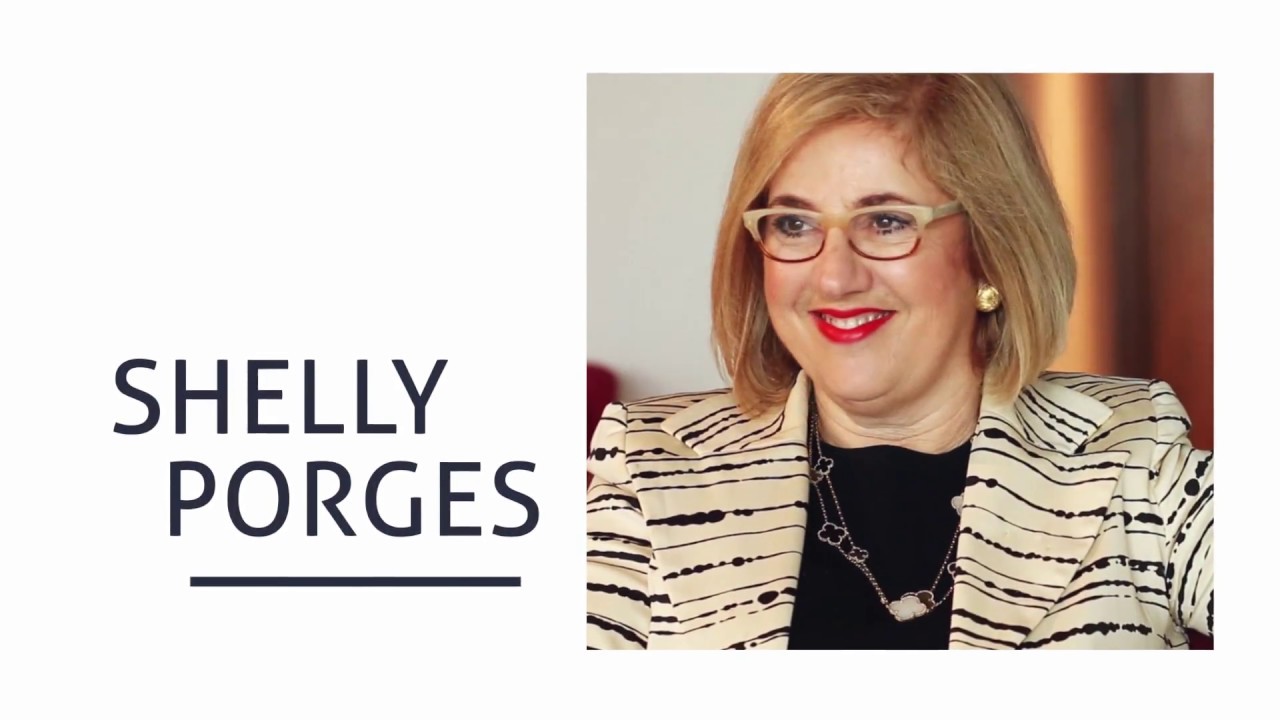
In this interview, Shelly Porges shares her unique immigrant background—born in Israel and arriving in the U.S. at age five—and how that perspective informs her entrepreneurial mindset. She offers practical advice for women entrepreneurs seeking funding, emphasizing that the first priority is solving a problem that customers are willing to pay for; without paying customers, an idea isn’t a business. She cautions against jumping straight to venture capital, noting that early growth should be driven by satisfied customers before scaling. Shelly stresses the importance of staying open to customer feedback and being willing to evolve the business model based on real market needs. Her parting message encourages confidence, urging listeners to consider what they would do if they weren’t afraid, positioning self‑belief as a catalyst for action.
So, Shelley, tell us one cool fact about you, something we don't know already about you.
Well, I think most people see me as an American, and I am, but I'm an immigrant American. I was born in Israel and came to the US when I was 5 years old, and I think being the child of immigrants And actually being the child of refugees raises you with a very different perspective about so many things. That's what I've learned as I grew up with friends who were born in the US.
That's a cool fact. I like it. So you're an angel investor, you're a serial entrepreneur, so you've seen both sides of the table. What would be your practical key tips to women entrepreneurs who are looking for funding, those key dos and don'ts?
Yeah. So, so the number one thing, uh, I think for any entrepreneur with, you know, whether you're looking for funding or not, but just serious about building a business, is ensuring that you're solving a problem or offering up a solution that someone's willing to pay for. Because as I always say, it may be a cool idea, your mother may love it, your cousin may think it's cool, but if customers, enough customers, aren't willing to pay for it, It's not a business. So that's number one, first and foremost. Mm-hmm. It also leads to a tip in funding because we always jump to thinking about venture funding. And the reality is, if you can, if you're successful with your customers, they will drive your growth, at least your early growth, until you really are ready to scale. And so again, very important on so many fronts. Secondly, I would say that Staying open to opportunities. You know, so many times we approach, we have an idea for a business, we enter into the fray. As much as we may be passionate about the concept, what we learn from our customers is that it may not exactly be what they want and/or they may not want it in that form.
Hmm.
And if you stay open, particularly to feedback from your customers about what they really do want or need or are willing to pay for again, You might find yourself evolving your business model in a way that will really be beneficial, not just for you personally and professionally and obviously from a profit point of view, but importantly in terms of what you're trying to achieve in solving— helping your customers solve their problems.
Brilliant. And so what would be your parting message to us, your key piece of advice to inspire us?
Well, of course, you've heard this before, you know, first and foremost, you have to have confidence in yourself and your idea. So I guess the question is, and it's been asked before by other people, but what would you do if you weren't afraid? I love it. And think about that as you move forward.
Brilliant advice. Thank you so much, Jenny. Thank you. Thank you.