Trust Your Gut - Weight Reset with Anu Simh
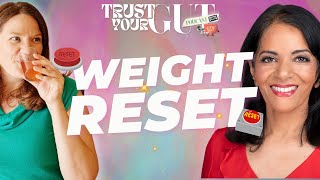
Transcript of a Trust Your Gut podcast episode featuring Hannah interviewing Anu Simh, a board-certified functional health coach who specializes in gut microbiome–focused weight management. Anu shares her personal gut-healing journey, explains the importance of microbial diversity, fermented foods, fiber, and lifestyle factors for resilience, and describes her programs and an upcoming book aimed at helping readers nourish their microbiome.
Questions this video answers
Flourish from Within
9ArmsOfWellness.com (pre-order)
Microbiome-based weight loss programs, group and one-on-one coaching, and a specific gut-health program.
Chapters
Hello, everybody. Welcome to the Trust your gut podcast. I'm very excited to have my guest today. Anu Sim. Welcome, Anu. So great to have you.
Thank you, Hannah. It's my pleasure.
So why don't you tell our listeners a little bit about you, what you do and how you're involved with the gut microbiome?
Yeah. I am a board certified functional health coach. I help busy women live at the ideal weight. And I do that by really helping them take care of their microbiome, their brain chemistry, hormonal health, and reframing their mindset. So I kind of put all of that together. So the whole premise is it's not just about losing weight, because 80% of people who lose weight gain it back. So it's all about how do we, how do we take care of your gut so you don't gain the weight back? So even from day one, I'm asking that question of my, of my clients. What are we doing to make sure that your microbiome is resilient? It's doing all of the things behind the scenes for you so you just don't gain that weight back? Because that is a huge problem. Right. You know, you spend a lot of time and money losing weight, and it's so frustrating when you gain the weight back. It's like going to college for four years or two years and then going back and you're told you need to go through that again. You know, I feel like it's like that, you know, with people who lose the weight and gain it back. So I am so passionate about that. You know, I want, I want women who spend all of their time and money and energy for them to know that they can indeed live at the ideal weight. And it's. It all starts with the gut and my own. I had my own gut issues that got me excited about the microbiome. This was way back when we didn't have the Internet and we didn't. I had to go do all my research at the library, and I put my science background to work and learn about the important role the microbiome plays in our gut. Today, Hannah, I mean, you're the kombucha queen. There are so many studies that really connect the microbiome to all aspects of our health. But back then, the human microbiome project was just beginning and we were in the infancy of research. But even then, I knew that that was the missing part of the puzzle. Somehow I felt, we start taking care of our forever guests. They're not going anywhere. We take care of them, they're going to symbiotically take care of us. So that's how it all began.
Yes, I totally agree with you. I think that we have an instinctive, intuitive understanding because, of course, we live with our own bodies. We live with all those microbes inside of ourselves. And it's so interesting how our cultures and programming have kind of shifted our ability to trust in ourselves and to trust our intuition and to have so many questions about these things. But we're at this really cool precipice where a lot of information about the types of foods that we've been sold through the grocery stores and whatnot. We're really starting to understand the full spectrum of negative impacts that those can have on our bodies. And so I'm excited about where we are right now. Right. The Human Microbiome project has been going on for over 20 years. We have so much more information about our gut health and how that can help us. And I think you are absolutely right. It is so frustrating when you get on that sort of yo, yo where maybe you are able to maintain some weight loss, but then it comes back. And so it sounds like you have a very comprehensive way to help folks with this approach. So you know what? Tell us a little bit about your personal journey. I know you said you went to the library and you researched stuff. You had gut problems. How did those manifest for you? And what led you to the gut microbiome besides that intuition of yours?
Well, I mean, you're absolutely right. We have that inner wisdom. Our body is just this incredible machine. You know, there's so many systems that we take for granted, and we're looking outside for help. Right. And I was no different. I was following the rules, going to doctor to doctor, trying to find out what's going on with my gut. Why is it that I can't digest the foods that I could digest perfectly well? Or so I didn't know the answer. The doctors definitely didn't know the answer. We are talking about a time when they. There was no labels like SIBO or IBS or ibd. We didn't know all of that at that time. And. And they just kind of shrugged. They said, you are perfectly normal. You're a healthy girl. A bit of bloating, gas, not a big deal. I was not happy with that answer. I started thinking, God, there's something going on. I intuitively knew that something was off. And I still remember the time when I had gone to this new doctor and he was literally laughing at my symptoms. He said, everything that you're saying, we residents go through this all the time. In other words, suck it up, it's not a big deal. And that didn't sit well with me. And that day, I remember just sobbing in the car, just really, really upset that I wasn't getting an answer. And I clearly heard my grandfather's voice. He was a physicist, a renaissance man, and he'd always told me, food is medicine, and had forgotten, Hannah. Completely forgotten in this kind of crazy life that we lead, constantly working and looking for outside kind of credibility, you know. So I said, no, this has to change. I think I need to figure out what's going on with me. And that's what led me to the library. That's what led me to this amazing world of microbes. And I started, I. I started realizing, just looking at all of these different studies, that maybe that's what that was, the missing piece, that maybe I was lacking diversity because I was not eating how I did as a child. I, growing up in a family that had a lot of diversity, plant forward diversity. I completely stopped eating like that. It was just fast food and ultra processed foods. That is the convenient American way. So I bought into that completely. And so I slowly started changing that and started thinking not about feeding me, but feeding about these guys inside of us. And I don't want to romanticize it, but we do have a symbiotic relationship. And the more I learned that if I fed these my microbes, the food that they think of as fuel, then I'm rewarded at some level, you know, as far as my health. And that turned out to be true in my case, you know, and slowly, with adding these fiber rich foods and, you know, fermented foods and things like that, my, my gut slowly started healing, you know, I started feeling like myself again. And when I started feeling like myself again, I said, it's time for me to help others with this message. And like Maya Angelou says, when you heal others, that's pretty much that became my mantra. You know, convenience was what killed me, you know, convenience. So I took the same mantra and I said, convenience leads to consistency. So now everything that I tell my clients is on weight loss journey or with gut issues. Let's come up with a good format for you so it is convenient. And you, the busy lady with work and all of that, you can still use this as a format to get that optimal wellness.
I really love, first of all, that it was an ancestor, right? Somebody in your family line who came to you through your memory in this moment of Need. Because I truly believe that in our DNA we contain so much wisdom and so much information. And to have that person in your life who, in this moment of frustration and sorrow and breaking down, you could remember and bring that kernel of wisdom back into you, and that really sort of what I'm hearing is, became this sort of lifeline returning back to yourself. I also really love that you talk about feeding the microbes because I always talk about this. I'm like, well, what are you eating for? Why do we eat? Right, yes, of course there's a pleasurable component and we need fuel, but what we're actually feeding are those microbes. And so thinking about what they need, not just what tastes good on our tongue. And that's really what trust your gut is about. It's not about, oh, it's delicious and therefore I crave it. It's closing those feedback loops. How does my body feel when I put this into it? Is it good? Is it energized? Is it depleted? Is it bloated? And so the more that we close those feedback loops, the more we can start to understand what it is that's going into our bodies. And I also love that you came from a background that was more diverse. Plant forward. Wheat, corn and soy. That's what we subsidize here in the United States. And so unfortunately, that's what all of our ultra processed foods are made of. And we've become sort of monoculturists instead of having a diverse diet because of the way that the system set up. So these. I just love hearing about your journey and then how inspirational you turn that around to help other people. Because of course, you're not the only person who needs this support and help. And so what are some of the signs when you're working with folks that their gut health might be out of balance?
Sorry, Hannah, you're kind of cutting out, but I think you said, what are some signs, right?
What are some of the signs that someone's gut might be out of balance?
Yes. Well, interesting thing is sometimes it's not even the gut. Sometimes it is. You know, they could be bloated, they could be gassy, they could have like smelly gas, like rotten eggs smell kind of gas. Which is like very frustrating for a lot of, especially women. Men seem to handle it better. You know, it's like, ah, it's a little bit of gas. But women really get are bothered by it. But sometimes it's not even starting in the gut. It is like anxiety. I see that when a client comes to me, I can see it. Whether it's a virtual call or they see me in person, the first I notice is there's this disconnect. There's a lot of anxiety and it could be. And because the gut and the brain are so connected and more than 90% of your happy hormone serotonin is made in your gut. I love saying that because every time I say it, I marvel at this amazing system that we created where, you know, we've given our microbes, handed that job of building this neurotransmitters in our gut. And the gut is sending a lot of messages via the vagus nerve to the brain. So it could be that that's the problem. Anxiety, they're on SSRIs or they're depressed. And when we start fixing the gut and nourishing it with the foods that the gut releases needs to thrive. A lot of my clients will, with the help of the doctor, just get off SSRIs, get off medications. They, they get to the point where, say, you know, I really don't think this medication is needed anymore. And, and that's when I usually say, well, this is, it's time to talk to your doctor and figure out if that is something you can wean off because some of them are on such strong medications. You can't just willy nilly say, I want to stop taking the medication. You have to have a conversation with your doctor and try to, you know, get off of it in a very, you know, methodical way. So that's one area that I see. Gut brain connection, the immune system. Definitely 70% of your immune system is in your gut. And your gut microbes are like the training ground for your immune system. They are constantly saying, hey, this is a friend, this is a foe, this is a neutral party. Don't react to everything. And that is what we see today. There's such allergies, food allergies in our world. You know, like in our country, people are reacting to everything. I mean, when I was growing up, I had never heard of peanut. So you have to have a conversation with your doctor and try to, you know, get off of it in a very, you know, allergy or corn allergy. But why is it so much on the rise right now? And that's because of the oral intolerance. You know, we, we're not eating enough diversity, so we don't have enough species going to bat for us. And there's a problem brewing. If, if your microbes are not there training your immune system, there's going to be trouble, right? So that's another thing I see people with very compromised immune systems also have a compromised gut. So really everything starts like you said earlier, feeding the microbiome, feeding the gut, feeding it the foods that it wants, looks as fuel. And so when I'm imagining or envisioning a plate, I always tell my clients, there's a little bit of the macros for you. You choose the protein that you want and what makes you happy. The rest of the food, you know, have an abundance of color and fiber and fermented foods and probiotic food, rich food for your microbes. So that's pretty much how we. I start helping my clients from day one because you have to think about why people gain weight in the first place. Most of people who are on restricted diets to lose weight, they'll say, oh, I don't want to eat this and I don't want to gain weight. They're scared of carbs, and the carbs are the enemy. You know, there's so many problems in how we look at food today. And when you restrict your diet so drastically, you're going to lose a lot of these species that are so incredible at producing so many things that we need. So what happens is there's an imbalance in the microbial ratio. So you may have more firmicutes, a type of bacteria that can extract, has the potential to extract more energy from the same food. So you and your friend could be eating the exact same meal, but you end up extracting more energy from it because of the kind of ratio you have microbes. That is incredible. I mean, just there you start realizing how important it is to feed these microbes. And they also kind of hold on to the obesity memory. That's studies are showing us that so you could struggle and lose weight. And okay, I'm finally at my ideal weight. But the microbes have this memory of your obesity. And this is because they have a lot of species that are missing that are really good at extracting things like flavonoids, metabolizing it. And so making sure that your gut microbiome gets a good comprehensive diet is super important, I think.
Oh my gosh, there's so much in there I want to address. And I think you're right about. Well, so first of all, the way I try to reframe it to help people really understand is that, you know, I think of the gut as the first brain, right? Like, this is the one that we actually need to care for because of its impacts on every other part of Our body, including, right, our thinking brain, our emotional brain and things like that. And so absolutely shifting the focus away from sort of trying to think your way out of it into more of your feeling more into trusting the information you're getting at that gut level is so important. And like you said, it isn't just a physiological symptom manifesting in the gut itself, but it's the anxiety, it's the immune system issues. And I think unfortunately a lot of the allergies like you're saying, they're not only because we've had a loss of species, which is huge, you know, the amount of antibiotics were prescribed, the impact of C sections and missing out on that bacteriological heritage by not coming through the birth canal. And then children of children of children, right, the many generations removed from that. And so we're really at this loss. We're kind of behind the ability to help ourselves. Then of course, you know who we're putting adjuvants, different proteins into various, you know, things that might be injected into your body that then create a negative reaction to them because they've been, you know, injected with something that causes a negative reaction. And so there's just layer upon layer of the many ways in which unfortunately, our current society is sort of stacked against us when it comes to this microbial diversity. So it's good to recognize that we aren't alone in this process, that this isn't unusual and that we haven't done anything wrong to be here. And raising our awareness about it allows us to then make different choices. And so I'm hearing you talking about fiber rich foods, which of course have that prebiotic benefit, different choices. And so I'm hearing you talking about fiber rich foods which of course have that prebiotic benefit. And in creating a substrate for your microbes to feast off of, I'm hearing probiotic foods like kombucha, like yogurt, all of our fermented friends that we have consumed since the dawn of time because before refrigeration that's how we preserved our foods. And because we lived in dirt houses and dirt soil, right. We were surrounded by soil based microbes all the time. And now we live in controlled environments and we're always very clean and sanitary and that can have a deleterious effect if we don't allow ourselves to get dirty, if you will, and play in those environments. So of course I love you hitting on the fermented foods, but how do you see fermented foods like kombucha play in feeding and supporting the microbiome. What from your working with clients and research have you seen in regards to that?
Yeah, well, I think foods like kombucha just offer people a variety. You know, like for example, I have.
Clients who cannot fit in creating a substrate for your microbes to feast off of.
I'm hearing probiotics tolerate things like let's say kimchi, be it taste or be it, you know, maybe they're struggling with something like sibo or IBS and they're not able to. Kombucha or kefir and things like that are milder versions of kombuchas. They seem to people even with gut issues can slowly incorporate that into their lives. You know, so especially home brewed foods.
Like kombucha, like yogurt, all of our fermented friends that we have consumed since.
The dawn of kombucha, you know, because they're not pasteurized, they're, you know, it's a much better. So I am always all about progression, you know, like I wouldn't start someone with gut issues on something heavily fermented because not everyone can handle it. The same thing goes with fiber. You know, they can't eat a lot of fiber, but within time they're able to handle foods like kefir and kombucha and kimchi and things like that. And there are many studies that are pointing to the fact that even one week, week of fermented foods like this can completely change this. Your gut species diet is your biggest need remover. You know, granted there are other things like sleep and stress that play a huge role.
Exercise time, because before refrigeration, that's how we preserved our foods and because we lived in dirt.
That play a huge role in your microbial composition. But diet, from all the research that.
I've done here and houses and dirt, soil, right. We were surrounded by soil based microbes.
All the time for the past three years. For the book, diet is the biggest needle mover. And if we can just slowly start shifting, making some changes with, with diet, huge difference. In fact, you know, I, when I have people over now, I don't even give, I don't even offer anything that is, I know that I feel that. No, I mean I feel very strongly that people shouldn't be drinking. So there's none of the sodas and things like that. I always give them an option of do you want water? Or kombucha? And most people will say are used to kombucha now. And they'll say yes and yeah, so it's about, you are the five people, you surround yourself. And we all have to collectively have a collective responsibility to, you know, help people around us understand the importance of feeding these microbes. Because we're, we're, we're losing them as we speak. I mean, when you think about, you know, groups like the hadza, they had 1500 species. We, I don't think I have in my practice seen anyone have more than like 145 Mats species. That's really sad. And the lowest I've seen is like 22. That's like a ticking time bomb. So many things that can go wrong here, you know, because we have.
And now we live in controlled environments and we're always very clean and sanitary.
And usually speaking, handed over a lot of things to these microbes to do.
That can have a deleterious effect if we don't allow ourselves to get dirty, if you will, and to work for us.
You know, for example, you know, when they have the fuel that we really eat, like fiber, fibrous foods and things like that, they break it down, metabolize and produce something called short chain fatty acids, as you know, especially butyrate that are doing so many things behind the scenes for us. You know, inflammation, blood sugar balance in those environments.
So of course I love you hitting on the fermented foods, but how do you see fermented foods like kombucha play in feeding and supporting the microbiome? What from your working with clients and research, have you seen in regards to that?
Well, I think foods like kombucha just offer people a variety. For example, I have clients who cannot tolerate things like, let's say kimchi, be it taste or be it, you know, maybe they're struggling with something like sibo or ibs and they're not able to. Kombucha or kefir and things like that are milder versions of kombuchas. They seem to people, even with gut issues can slowly incorporate that into their life, you know, so especially home, home brewed kombucha, you know, because they're not pasteurized, they're, you know, it's a much better. So I am always all about progression, you know, like, I wouldn't start someone with gut issues on something heavily fermented because not everyone can handle it. The same thing goes with fiber, you know, they can't eat a lot of fiber, but within time they're able to handle foods like kefir and kombucha and kimchi and things like that. And there are many Studies that are pointing to the fact that even one week of fermented foods like this can completely change your gut species. Diet is your biggest needle mover. Granted, there are other things like sleep and stress that play a huge role, exercise that play a huge role in your microbial composition. But diet, from all the research that I've done, Hannah, for the past three years for the book, diet is the biggest needle mover. And if we can just slowly start shifting, making some changes with, with diet, huge difference. In fact, you know, I, when I have people over now, I don't even give, I don't even offer anything that is. I know that I feel that. No, I mean, I feel very strongly that people shouldn't be drinking. So there's none of the sodas and things like always give them an option of do you want water? Or kombucha? And most people will say are used to kombucha now. And they'll say yes. And yeah. So it's about. You are the five people you surround yourself with. And we all have to collectively have a collective responsibility to, you know, help people around us understand the importance of feeding these microbes. Because we're, we're, we're losing them as we speak. I mean, when you think about, you know, groups like the hadza, they had 1500 species. We, I don't think I have in my practice seen anyone have more than like 145 max species. That's really sad. And the lowest I've seen is like 22. That's like a ticking time bomb. So many things that can go wrong here. You know, because we have evolutionary speaking, handed over a lot of things to these microbes to do the work for us. You know, for example, you know, when they have the fuel that we really eat, like fiber, fibrous foods and things like that, they break it down, metabolize and produce something called short chain fatty acids, as, you know, especially butyrate, that are doing so many things behind the scenes for us. You know, inflammation, blood sugar balance, immune system, keeping your gut barrier nice and strong. They're also great at reducing vitamins. And we don't produce vitamins. We get it from our diet. But our microbes produce vitamins and minerals as well. And also things like B and K, vitamin B and K and then neurotransmitters, they play a huge part in that. So I feel like we're at a place now that we cannot take this for granted, we cannot ignore it. We really have to start caring for them, you know.
Yeah, absolutely.
And.
We evolved this way. Right. There's a very beautiful reason why this is the way that our bodies function. And it has to do with, of course, what were the foods available to us. And then fermentation is essentially a form of digestion that's taking place outside of the body. And so by breaking it down into those smaller pieces, creating those metabolites, extracting more of that nutritional value, then when.
You go to system, keeping your gut barrier nice and strong, they're also great at producing vitamins. And we don't produce vitamins. We get it from our diet, but our microbes produce it in your system.
Of course, it's going to be a lot easier for the microbes living inside your body to consume the foods that have already been broken down by microbes outside of your body. And so fermentation is this way of helping you to eat those foods. Now, we did have a question from someone. They were asking if you have any advice for those who are losing weight rapidly. I don't know what the circumstances are, but obviously, most of the time we're talking, especially here in the United States, we're talking about losing weight. But for some folks, maybe they've lost too much weight or they need to gain weight. Is this something you see that's also related to the gut microbiome and the diversity there?
Yes. And I don't know, there are certain people with gut issues who, they are not able. They're malabsorbing. They're not absorbing enough of the nutrients from the food. And that could be the underlying reason for the weight loss. I see that with, especially people with sibo or ibs, sometimes they're not able to eat. Right. They avoid a lot of foods, they're mono eating, and they start losing weight, you know, and so they're really nutrient deficient. And when you are not eating enough diversity, when there's not enough diversity. I mean, with sibo, a lot of things are happening in the small intestine, right. It's not in the colon. But if you don't enrich your colon with all of the nutrients, because we as humans, we can't really digest the fiber. We've kind of just handed it over to our microbes. Hey, you do that work. So we are just really kind of mono eating, not eating enough beans and lentils and lots of different kinds of vegetables and fermented fruits. They are starving. And when they are starving, they are not producing enough metabolites that are really helping us. So it's kind of a vicious cycle. So But I really, having had gut issues myself, I feel for people who are struggling with that. And I was also super skinny because I went through the same thing. But I want to tell our and I was also super skinny because I went through the same thing. But I want to tell our listeners there is hope. You know, you can. Your gut microbiome is very resilient, folks. You start making small, little changes. It's incredible how things change. So I think it is important for the listener to understand what is a healthy microbiome. Listeners, there is hope. You know, you can. Your gut microbiome is very resilient, folks. You start making small, little changes. It's incredible how things change. So I think it is important for the listener to understand what is a healthy microbiome. A healthy microbiome is a resilient microbiome. And how do you grow a resilient microbiome? You want to be sure that you have species richness. You want different species doing some incredible work for you, and you want species evenness. And you probably see this even with your kombucha kids, right? We don't want one species to overtake. And so we really want that species evenness and species richness. And that constitutes a healthy microbiome or resilient microbiome. And if you have a resilient microbiome, you can kind of fight back from anything. You can bounce back from any kind of illness. Let's say you go to Mexico and you catch a bug. Why is it that some people are able to bounce back and others go through. Oh, my gosh, it becomes this huge thing, and they have to take antibiotics for it. They get diarrhea from the antibiotics. It becomes this huge thing because you don't have the microbes that are doing some really important work behind the scenes. So even if you do have gut issues, I think it can be. I think with time, you can. You can heal your gut. I say that with such conviction because I am, you know, I did that. And a lot of my clients are, you know, have recovered from sibo, and once they recover from a gut illness, it is all about how do I. How do I go from low fodmap foods and graduate from that to medium fodmap foods and finally to high, high fodmap foods, because that's where the diversity is. The more diet we know, a healthy microbiome is a resilient microbiome, and how do you grow a resilient microbiome? You want to be sure that you have species Richness. You want different species doing some incredible work for you, and you want species evenness. And you probably see this even with your kombucha versus your diet, is the more you're offering your guests.
Absolutely. Well, and that's diversity is the key. And I think we get the answers from nature. If we look out our door, we don't see see one type of tree or one type of bird. We always see everything living diversely in an ecosystem. And we've talked about some of the ways why in our modern lifestyle we lose some of that diversity. So we've been talking very specifically about foods and fermented foods and fiber and different things we can add. Do you ever. So one question I had was in your practice, are you doing a gut microbiome test? Like, where do you recommend people's start this process to understand, first, what's the temperature read on my microbiome to know if I have enough species. And second, do you only rely on food or are you also including some supplementation in order to create that diversity in the gut? Obviously it's going to vary person to person. But just in general, what are you seeing in your practice?
That's a great question. I do offer a microbiome test largely because it starts making a client curious about their own gut microbiome. Granted, right now we're in a phase where the microbiome test is agnostic in nature. It's not diagnostic, but it can. It tests the feces. Right. And the feces is a good representation of what's happening in your distal colon. In your colon. So it's because of the proximal nature of it. We have a good idea both from the dead and live microbes. Who's in there? How many species do you have? So I would say really looking for a good shotgun sequencing, whole genome sequencing kind of test is very important. That's what I use in my practice. Then we get the keystone species, or they may have some pathogenic load. And enough research shows that it's better for us to enrich and grow more of the beneficial bacteria than go after the pathogen load. So that's pretty much what I encourage my clients to do. And the test could also tell us things like is the ratio off? Do you have more of the energy extracting kind of bacteria? If you do that can be connected to your weight gain or weight loss. So it gives us a lot of interesting information to start the conversation. And then based off of that, we make dietary changes. And I don't know, I think and my Clients feel like that connection with their microbes, you know, when they. When they see the test, oh, my gosh, you guys are inside of me. You know, and that is how it was for me, Hannah. You know, once I knew that, I didn't feel alone anymore. I just. I know people might think that's crazy, but it's true. You know, you realize that we are this ecosystem and it's a symbiotic partnership with Holoby and see, you know, and that makes all of us feel like. So, I don't know, it feels protected and doing the right by the people, by these microbes who are inside of us. So. And I think you had another question.
Well, I was asking about supplementation, because diet. It was about diet supplementation.
Well, yeah, that's a great question. And I. A question that I get asked a lot is what kind of probiotics do you recommend? And true, it's completely bio individual. You know, it's really hard to say, which depends on what's missing, you know, Having said that, I would. I would caution our listeners to not just buy a bio probiotic that looks really pretty cool. You know, just everyone has great marketing. I think it's better to look for. For strains, you know, what kind of a strain does this probiotic have? Does it have strains that are well studied, like Lactobacillus or Bifidobacterium Akkermansia, things like that. And also, why are you taking. It becomes very important. Just taking a probiotic without really a good reason for it doesn't really help. And lastly, these pro. Probiotic, by definition, is something that confers some kind of benefit to the host. So you need to figure out is it really helping you? And that you'll find out within a matter of weeks because they're in your system, they're giving you some help as long as you're taking it. So that's another thing to remember, that they're transitory at best. As long as you're taking the probiotic, you're getting some benefit from it. When you stop, whether they colonizes up, it's hard to say. Sometimes they do, sometimes they don't. Yeah. That's why I believe that growing your own is most important. That's where the kombucha, that's where the fermented foods, that's where the fiber all come in. So important. Let's say, for example, you've heard about Akkermansia. It's like a blockbuster, you know, keystone species that everyone's spending a lot of Money on, you know, like 100 bucks a pop or something. But what if we actually grew them? You know, if you start eating foods that are high in polyphenols like pomegranate, dark chocolate, green tea, and start really taking the time to grow it, chances of it finding a place in your gut is much stronger than just taking a supplement. And this is not me saying it, it's based on studies.
And I, I, but I love that perspective because I think our culture is so indoctrinated into thinking like, oh, if.
You start eating foods that are high in polyphenols like pomegranate dark, the magic.
Pill, where's the one thing, where's the right. We're always, what's the one solution?
Chocolate, green tea. And start really taking the time to.
That'S going to solve it all. And the reality is it's not one. It takes time, effort and a real desire. Do you want to live, do you want to have a life where you have energy, where you aren't always dealing with symptoms, where you don't feel like you're in conflict with your body, rather you've made peace with your body because your body really is your friend. I mean this is our living spaceship, if you will, that we propel ourselves through, you know, planet Earth in. And it's really sad to me how, how much conflict has been created with our own bodies as a result of over medicalization like you were talking about before. There's a push to over prescribe medicine, there's a push to normalize. Oh well, I take, you know, 5, 10, 20, 30 different pills a day and that's normal. That's not normal. Right. What's normal is not having to take any pictures pills at all maybe, except on a rare occasion. And it's normal to diversify your diet. And that's why things grow in seasons.
Right.
Because we're not supposed to have watermelon.
Absolutely. And I 100% agree. And sometimes it's like medications for lifestyle diseases like type 2 diabetes, hypertension and things like that, which are all lifestyle related diseases. So a lot of our chronic diseases are from our lifestyle. So by making these changes as, I mean, I'm not saying at all that you stop the medication but start making the changes and you'll see that you need less and less of that. The part that aggravates me most is things like taking a proton pump inhibitor, like, you know, an antiacid kind of thing, you know, medication like omeprazole or something like that and some of My clients have been on it for eons, you know, just ages. And when I ask them, how long have you been taking it? They don't even remember, like, oh, like forever. Oh, did the doctor have a conversation with you to try and maybe, you know, wean you off of it? Do you really need it? I mean, it's in the system and they keep taking it and things like that, like Proton Pup inhibitors, you know, antibiotics, they all have, they can destroy the microbiome. You could have like that increase of pathogenic load. And so it's really important to pay attention and not give your power away to anybody. Do the research. You are living in a world now where there's incredible research available and so we can use that research to empower ourselves. So we go on to, with those questions to the doctor and say, hey, I know something about this. I want this. And there's a better chance of you getting some answers from your doctor when you go empowered. Like, this is what I want my life to be. And Hannah, you were spot on when you said about health. I think one of the questions I ask my clients is, if you're 50, how do you envision yourself when you're 60 or 70? What do you want for yourself? You know, some people will say, oh, I really wish I could hold my grandchild or, you know, or maybe put a suitcase on top, you know, like the carry on, things like that. Oh, I wish I could exercise or run like I, I do now in my 40s. And that's the image that we need to hold on to that is more important than this crazy thing for longevity. To live to be 100. What is the point living to be hundred? If you're not a healthy hundred, you just become a burden to yourself and society. Right? So the most important thing is help. And it's our responsibility to take care of ourselves and, and for our future generations. So I'm not a burden to my daughter or son. Say, listen, I'm doing my best here. You know, I'm taking, taking care of me. So you don't have to do all of that. You don't have to wipe my, you know, so.
Well, more than that, you don't have to pay my medical debt.
Right?
Like there's.
And that too, right.
Like that can be a fear for another family member is not only am I afraid for your health and for your life and your well being, but it also then creates this negative financial impact. And so, you know, there's so many reasons to say yes to this and what I love about this time, right now in history is just that we have functionality, diagnostic doctors, that this whole field has emerged because of what's been missing in traditional healthcare in the United States for the last 100, 150 years. You know, we used to be a country that valued homeopathy and herbalism, and we understood traditional medicine like what we see in Ayurveda or Chinese medicine or literally every culture on the planet has had a relationship to plants and food and the way we do things, and we lost so much of that, and now there's a real resurgence of it. And so you've alluded to your book, Tell us a little bit about it and how that can help us with all the things we've been talking about.
Sure, yeah. And to answer your. You know about this wisdom from different kinds of alternative medicines. It's interesting. You know, I've been on many podcasts now to talk about my book. And that's a question that I get asked a lot, you know, about wisdom from other types of medicine. And that tells me right there that everyone's looking for, like, a more holistic approach to health. Right. When you. When we talk about food, for example, in Eastern medicine, food is not just the thing that you put in your mouth. Food is everything. Thoughts, perceptions, you know, all of that constitute U.S. food. And when you eat it, how you eat it, what you eat, all are equally important. And seasonal eating, for example, Hannah, is something that the micro, the microbiome really respects. When you eat seasonally, we are straying away from that. So going back to the farmer's market, eating something in season, if a client says they're having mangoes in the, like, the heart of winter, I'm like, that's not helping at all. So we really have to be mindful of things like that as well. So going back to the question about my book, it's called Flourish from Within. I spent the last three years writing it, you know, because of my passion for the microbiome and everything it does for us, for our health. And one of the things that I kept hearing from my clients was like, anu, I wish there was a book that had the information about the microbiome and telling us what to eat and what kind of changes that I need to make. So I took that to heart. And so it's almost like a little bible for someone who doesn't. Who is not really a microbiologist or a science person, someone who can. So I tried my best to keep the science really based on, you know, easy to understand, you know. So the first part of the book is about the microbiome. The second section of the book is about a diet that I proposed. It's largely to feed your microbiome. I don't go into what kind of macro seed macros you need to eat because everybody is different. How much protein you need is very different from what I need. What kind of protein you need is very different from what I need. So I leave that to the, the reader. But we talk about how to feed the microbiome because that is very evident from all the research like what kind of foods are really these, these microbes thrive on. And finally I have about 50 recipes to support.
That sounds really great. So we can find that on your website or anywhere. Books are sol.
Uh huh. It's right now it's on pre order. You know you can, you can pre order it on 9Arms of Wellness.com and it's going to, it's launching the spring and it's available where all books are sold.
Oh great. And that. So tell us again where people can find you if they want to know more about your services, this great information you have to share and of course the book.
Sure. The things that I offer are weight loss programs, but they're all based on the microbiome and gut brain axis and hormones. You can either work with me one on one or through group programs. And I also have a specific program for gut health. And then my book is also sold on the same website and it's called nine Arms of Wellness. And that's my philosophy and my business. And I say nine arms because I realized that food is the, is the biggest need remover and it's one of the arms. But we need all nine arms to keep us healthy. And the other arms are like sleep and nutrition. I mean hydration, exercise, self care connections, breath, you know, keeping stress, biohacks for stress, all of that equally important in optimal wellness.
I couldn't agree more. And we need so many people to share this message because we're trying to change, we're trying to create a paradigm shift here. We're trying to change the culture from within. And so the more of us who are talking about these things from our unique perspective, I mean we come back to the same basics. When you look at many different health, you know, speakers and luminaries in our industry there a lot of them are saying the same things. But that said, it's you know, what voices resonate with you, what information carries with you and that's why I think we need so many More people to be talking about this. And I'm so grateful that you are anew. And in fact, I think we have one of your books to give away. So we will share details on how to do that with the podcast when that comes out. But it has been so nice to talk to you today. If there was anything else you wanted to share with folks before we go, please let us know now.
No, I just want to say, I just want to say your microbiome is very resilient. And I think having that, just tapping into your inner wisdom and having that faith that you are indeed going to be well and whole is something that all of us need to always remember, you know, and, and not give that power to anyone. Because I see that a lot in allopathic medicine where you've given like a death sentence. You know, this is not. That doesn't sit well with me. And this is something I, I try to reach out to as many people and say have the faith, have the hope and really go inward, you know, to finances. Because when you sit with yourself, things are going to, you're going to have the clarity like I did in that moment in that car, you know, when my grandfather was speaking to me. That is when everything, I had such clarity around what I had to do next. And we all have the opportunity when we have a few minutes to ourselves. So I think that would be my biggest message to everyone.
Yes, absolutely. You're not broken, you are whole, you are complete. And we forget that. And so I love that message. I love us returning to your grandfather and what a blessing you are to honor him in the work that you do and how you're teaching others, including the next generation that's coming up. And you know, that's all we want to do, is to be able to bring forth those good teachings and philosophies that are that thread, that thread in our DNA that is what allows our species to continue to be here and to proliferate despite all of our better living through chemistry that has caused us so many problems.
And the work you do through the kombucha awareness is something so incredible because our microbes and our microbes think of it as a family heirloom that you're passing on to the next generation. You know, my daughter in law is pregnant and this is something I tell her all the time, you know, that this is the best thing you can give your little one. You know, just really eat all the right kinds of foods so your breast milk is rich and you can help her help your child. Live the best life because zero to three years is when the child's microbiome is being shaped. So we do have a responsibility towards the next generation.
Absolutely. And how lovely that here you put so many great things into a book so anybody can access this information and wisdom and have hope and find a place to start. So thank you so much for being here today. Really appreciated you joining us on the Trust your Gut podcast.
Anna, thank you so much.
More from Anu


The Bad Medicine of Travel: Why Airplane Food and Jet Lag Are Ruining Your Gut

We’ve been waging war on the microbial 0.1% and carpet-bombing the 99.9% that keeps us alive

Picky kids + mac & cheese: here’s one low-friction idea to expand their palate