5 Techniques we used to create 45 videos and 2 VSL's in 2 hours
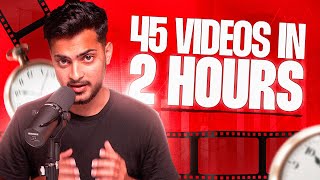
Areeb Mirza and Jamari James show how Focus Studio made 45 videos and 2 sales videos in 2 hours. They use pre-planning, scripts, and different recording styles to keep quality high while moving fast.
Chapters
We just created 45 videos in two hours. No shortcuts, not compromising the actual quality. We sat here for two hours and just created content that actually converts. And here's exactly how we did it at the Focus Studio and also why this method is super useful for business owners. So when creating 45 videos in two hours of time, there's a couple of things you need in place in order for us to even begin to think about doing. Most creators spend hours creating one video, which honestly just kills their productivity and also limits their reach. Because if you're spending hours just creating four pieces of short form content, you start to dislike the process overall. And by that definition, you just don't look forward to creating the actual content. So the system that I'm about to show you is something that multiplies content output without sacrificing quality. And this isn't just about saving time, it's about how businesses just approach content creation. Now let's talk about pre planning. This is the most important part. In order for us to get 45 videos out in two hours, we knew exactly what to do and where to do it. So, like, there wasn't any time wasted just figuring out what to do. We knew exactly what to say, what to ask. That's how you can be actually very nimble when it comes to recording day. Now, in today's example, we were recording Jamari James, he's a financial strategist and we were recording some content for him. He's been with us five months now at this time of the recording, and he's actually pretty good in front of camera now. So the minute he came to the studio, we had outlined and addressed everything from outfit changed. So he's not in the same outfit for 45 videos. And also, what sets are we going to use? So we have multiple sets that we can customize the studio to. This is obviously one of them. And then we have a bunch of them, which you can see right now. You can theoretically do this in the same spot and even save more time. So if Jamari just wanted to do this within an hour, he could just sit in one spot and do more videos. We wanted the quality element as well, and actually making the clip look different, which is super important. There are different types of requirements for different people. Now we're ready to record. What we do in front of camera also depends on who's in front of camera. There are different requirements for different peoples. Here's what I mean. Now some people need scripts word for word. They need to have a script in front of them or place onto the teleprompter and they can just read it while they can improvise. If they just say it from their head, there's just going to be a lot of retakes. And that by definition takes time and it just slows down the whole process. Now some people, like Jamari in this example as well, just need a concept and a question. We're also going to provide you a concept on what type of answer should be expected for this type of question. Now of course you can give a different answer because it is your expertise, but we're going to give you kind of like the highlight and the layout on what answer is actually expected when asked this question. Now some people, if you just ask them, they will just go off. And this is a very impressive thing to do because if you just ask them a question and they can just give you like two to three pieces of content just off of that question, which is a pretty impressive thing to do by the way. And now some people are just hybrid, they're fine with the script and they're also fine with, you know, just a question and concept one. But if you're given the option, they would always prefer the script. Another thing to notice is whenever you're recording in a studio, or whenever you have a lot of questions planned, or somebody just gave you a lot of questions and concepts like be prepared to discard some of them. Like you don't have to do all of them. So that's why if you're supposed to do 45 videos, like have at least 60 ideas in there. Because if you're planning for 45 videos and you only have 45 ideas, be prepared to discard some. Because that is something that just naturally happens. It's just something that you will do. So account for that part as well. And some of the question and answers, you can do some research on the spot as well. So for example, we have like AI tools, we have so many tools and if you want to do some research based question and answers on the spot, use Perplexity AI. That's this is a very cool AI tool, not sponsored or anything. Or you can use ChatGPT, but this is just something that, let's say you're doing the Q and A concept or something's missing from the script. You guys can easily just open up your laptop, iPad or even on your phone and get the answer and just keep, keep rolling. It doesn't need, nothing needs to pause. Like if you have the right resources and tools available things keep Moving very smoothly because the end goal for all of this is just to get more business at the end of the day. In this example that you see, this is something that's called the interview style method, which is basically just a regular conversation being recorded specifically for content. And the reason I don't just call it a podcast style, because that is something you can also name it is because there's actually another person that you can see, kind of like a shadow that the person is having conversation to. So it's not a fake podcast. It's actually just a regular conversation being recorded. And this is mainly done to get your best side out. Now, this is a method that you can use across the board, whether you're a complete beginner. I mean, you've never created content in your life ever. And you'll notice if you do this style and you play back that video, it's gonna look like you've been doing this for a while. And you can also use this method if you've been doing content for a long time. So in this case, Jamari has been doing content for a while. We use this method as the first thing to get him warmed up. Other than that, this was kind of like the first method we used for the first set. The other sets we just had questions on our phone, and we just use the questions and concepts. Now another thing I recommend, like the people who are recording you do, if you have people who are recording you, ask them to ask you sub questions from your questions. So for example, let's say we're listening to somebody speak, we're doing kind of like a regular question and answer, or we have some questions and the person who's on camera gives an interesting answer. So what we'll do, we'll ask him a subject question that we were curious on. Why that answer. Something like that. So this is something that people who are actually recording you might think of like, okay, this is something the audience might think. So that way you have more pieces of content being filmed live as sub pieces to your main content. So very, very important as well. Now, the quality you see on the screen, as you can tell, like nothing was actually sacrificed. That's why I come into a controlled environment where you can switch sets, adjust the lighting, move the professional equipment. All done vast and no quality will sacrifice. And more importantly, come into the studio. We had somebody directing him live. And that is one of those things where it's very underrated. So if you haven't been creating a lot of content and you just don't know what you're doing. And this applies to like again to a beginner, to the expert. So having direction like, please straighten your back, please have high energy, take the videos to the next level. Because while quality the ideas, these are fine, the direction is fine. But the delivery of the content also needs to be good. So if you're sitting here monitoring tone and you're just like, just because we're filming does not the people won't watch it. So the ideas can be world class, quality can be world class. But if the delivery of the content is not there, it's just not going to perform as well. So if possible, make sure you consciously just check yourself for the delivery of the content. Don't hesitate doing the same video twice. Like the first video, we always redo. It depends on the video as well. It's a short form, we definitely will. But especially if you're doing something like VSLs always do. Two like don't always just be happy with one. The first one you do, you might be happy with it, but the second one you do, you'll understand the difference, the vast difference. It'll just be like, okay, this one's here, but this one's like right over here. Because in the second take you always know what to say, you know which parts to pause on, which parts you need more energy on, which parts you need to just kind of like stare on the camera and talk to the audience for so these type of things very, very important as well. So that is all for today's video. Now that you've seen kind of like the behind the scenes of high volume content creation, I'm curious to know how you record your content and if you are interested in visiting the studio. I'm Jamari Flew in from Atlanta. Just book a call with me below. If you are a business owner, we can talk about more stuff like ads, funnels, the whole marketing systems. All right, that should be it. Now if you do want to watch a video where I talk about how to get 15 to 30 qualified calls monthly using your social platforms, it's right over here or right over here, whichever one. So please watch that. That is very valuable. So all of this just gets added onto that because we were doing this for a reason and it's to get more business that's going to tell you how to see you there.








