How To Succeed In Business Without Sacrificing What Matters Most| Avi Arya |
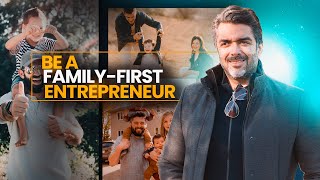
Avi Arya talks about building a digital marketing agency while keeping family at the center. He shares how he grew his business without letting work consume his personal life, and what he learned from early struggles in his family's business.
The gentleman who wanted to throw me out of the house now wanted to have strategy discussions with me. Convert your mess into your message. Whatever didn't go right for you and now you figured it out. You can help other people figure that out, convert that into a course. Whatever profession you've been in or whatever life experiences you've been in, every badge that you get from Harvard, Princeton or Yale today is a life experience.
Hi, it's Jonathan Goldhill and welcome back to another episode of the Disruptive successor show. As you know, this show is by, for and about family businesses. And so this show is going to be a little bit different today because we're going to talk to an entrepreneur who put his family first and built his business around his passion for his family. Avi Arya is the father of two girls, Raya, aged 14 and Aviana, age 10. And as well he has six dogs and he's a husband to a superwoman. He's a streetcar racer turned hotelier, now a social media marketer and the founder of Internet Moguls who lives in Vancouver, Canada and vacations regularly with his children in at Disney locations in Hawaii and more places I'm sure he'll tell us about. He believes in working together as a family, his two daughters and he recently launched a book called the Internet Moguls of the World where they traveled around the world and interviewed 60amazing digital entrepreneurs including Gary V, Pat Flynn, Patrick Ben David, Dan Loke and more. He wants my audience to know how to run a remote organization with videos, doing webinars and spending time with his family and kids. Avi, welcome to the show today.
Thank you Jonathan, thank you so much.
So just tell everyone a little bit about your history, like where did you grow up, what did you maybe what was your first business venture? Was, you know, was your family, were your parents business people?
Right.
Tell us a little about your background.
So Jonathan, we are doing this interview today. It's on the 16th of October, 2022 and on the 29th I'm going to be 46 years old. But the story that I want to tell you is when I was 18, born and brought up in New Delhi, India, all I wanted to do in life was to race cars. My dad used to go to sleep and I used to steal his car keys from under his pillow and go and race with people. And in my 18 year old head I was good at streetcar racing and I was born to do this. My second dream was I wanted to go to the Oxford University and wear an Oxford blue blazer. Not because I was so much into studying because I. But I was always into people I knew that was a melting pot and I wanted to be a part of that. Jonathan. Very quickly, life gave me a beautiful lesson when both these dreams came crashing down when one day I got a call from my dad asking me to come to his office from home, which was about 40 minute rickshaw ride, a tuk tuk ride. So I went to his office and I remember, Jonathan, that story as if it happened yesterday. I walked into my dad's office, there was a red carpet on a wooden floor, there was the smell of incense. You know, he had, he had just finished his prayers, he had incense, the smell of fragrance of incense there. And he had these two landline phones. For a lot of people who don't remember, these are phones with wires coming out of the walls. And these landline phones were off the hook. Now Jonathan, my dad's phones were never off the hook. He was always expecting something or the other to happen. And so I knew there was a serious conversation coming. He sat me down and he said, son, we've had to sell the house because of a family separation and because we, business loss and all of that. We had two cars, we've sold the cars. At no point can I send you to Oxford to study, stop doing all this streetcar racing and everything. I've got three kids, you're the eldest and it's your responsibility to now help your dad within troubled waters. From tomorrow morning, 7 o', clock, I want you to start reporting to the office. My dad's office was a small 27 room guest house, not even a motel, a small broken down guest house that he was running. I think he could have put it better. But in five minutes he told me that the world is crashed around all of us and you know, like level up and deal with it. And as an 18 year old, the only thing that I could feel, I should have felt empathy for him. I should have said, how did it happen, dad? How should I help? But all that didn't happen for me. It was anger, like, how can all this happen to me? So I said, what if I don't come from tomorrow? He said, leave the house. You know, if you can't help me, then, you know, just leave. So I barged out of the room. And then in true Bollywood style, my mom was waiting outside and you know, and I, you know, I, I was, I was not crying but I was just raging. And after one or two hours discussion with my mom, I think better sense prevailed. I understood. I'm a very emotional human being. I understood that I need to be there with my family and all of that. Besides, I had nowhere to go. And so the very next morning I found myself behind the reception of my dad's small 27 room guest house, a totally lost 18 year old. And every day I'm getting news that one friend of mine got into ucla, the other one went to usc, the third one went to Cardiff. And then I'm like, why not me? Why not? I'm so happy for them. But this was our plan to go together. Anyway, now I find myself at the reception. I learned a little bit of housekeeping, a little bit of guest service and all of that. We had a small restaurant as well. I was taking care of that. One day there's an international tourist who came in and he paid us in Dutch gilders, the currency of Holland before the euro came in and we converted the Dutch gilders. Now during that time, Jonathan, I'm talking about the late 90s, early 2000. During that time in India, there were two tariffs. One was an Indian tariff, one was an international tariff which meant the foreigner would pay a separate price for hotels and airline tickets. So when I, we charged, when we, when the foreign guest came in, he paid us in Dutch gilders, which was double the Indian rupees. Now I'm thinking to myself, a foreign guest can pay us double. What If I get 27 rooms into all four and all, all of them are foreigners, I get double the income, double the revenue. Maybe we can get out of this situation and maybe I still have a route to go abroad and study and do all of that. So I asked my manager who apparently was working with my dad for the last 450 years. I said, why haven't we ever not thought of this? And he just shrugged his shoulder. He will always do that. This man just made me furious all the time. Every time I had a question, he would just shrug. I was like, why don't you have an answer? I just thought he doesn't respect me. And rightfully so. 18 year old son of, of the owner is now at the reception. Anyway, so I was like, how do I get these foreigners to come to India? During that time, Jonathan, there was a new phenomenon on the market. Just like today we had the crypto. Everybody wants to do it. Very few people understand it. This was called, this phenomena was called the Internet. Everybody wanted to do it. Very few people understood it. In New Delhi, where I was located, there were only two places, the British School Library and the Sheraton Hotel. Both of them had 400 rupees access to about half an hour of the Internet which was approximately at that time about eight to ten dollars for half an hour. Prohibitively expensive. Somehow I saved money and I went to both those locations. The Internet would not work, the website would not open. But chat was easily accessible with those kind of Internet speeds. And I started chatting with my cousins overseas and I realized that people are very happy to give information on what's happening in that side of the world and. But then there were only a few hours after six months and my head was now Internet, Internet, Internet. After six to seven months I saw an ad in the paper Satyam Computers looking for cyber cafe partners contact manager Rohit Sikant. Now Jonathan, today after 25 plus years, Rohit is still a friend of mine because I was the first person in Delhi to contact him when I saw that ad. Because people didn't even know what a cyber cafe was. And I was waiting for something like this to happen. Almost like I manifested the whole industry for myself with a lot of unnecessary paperwork. After 3 months I had 6 computers in my cyber cafe in a small corner in my dad's guest house. Now I had 24 hour access to the slowest Internet on the planet. The damn thing just would not open anything. But like I said the chats would work and people were helpful. Somebody said, you know what, you need something called a website. I was like great idea. I've got some one stepping stone now the thing was Jonathan, during that time in the early 2000s, websites were done only by large corporations in America. But they were outsourcing all their work to Bangalore. So I reached out to some people in Bangalore and said, they said why does a small guest house even need a website? Like why do you want us to do this for you? I said I'm a student and I just did this. My whole story and all of that and this is what I want to do. So he said it's not going to take time, but we don't have that much time. So I'm going to work only on the weekend. It might take six months. I said I'll give you the six months, just do it for me. So it took six months. They put up some pages. Hotelajanta.com was one of the first ever budget hotels in the country to go live with a website. The website was done. I was like, yes, this is going to change my life. But like every entrepreneur realizes that success is a series of journey of multiple milestone is not just one thing that you know, wing it out of the park and everything happens. Nothing happened with the website. I went back to my people on chat. What should I do? They said, start writing some blogs around India Travel. So I started writing blogs around India Travel and the blog started getting traffic. Everything started happening. I'm like, wow, this is working. But then there's still. How do I tell my dad that this is being monetized? Somebody told me you need to put a query form or a toll free number so that people can have access to you. And yes, one more thing, you can put an email as well, electronic email, so you can. I was like, okay. So I figured that out through somebody and we put the query form, the toll free number and all of that. And to get the toll free number also I had to call my cousins overseas to say, please pay through a credit card because India didn't have credit cards back then. So all of that happened and I started getting queries and I this was the first experience of me with electronic email that I was talking to a real human being, but I'd never seen back and forth, back and forth. 15th of December, a family of four came to the airport. I took a taxi, went and picked them up. There were real human beings on the other side. I was glad to see them, that they arrived, that I could show my dad that something happened. They came to the reception. I checked them into room 302. I remember 302 or 3 06. And I remember they gave me 400 for a 14 day stay in India. That was my first ever Internet income. I went and gave it to the same manager, used to shrug at everything and he shrugged again. I was like, you know, this is it now. You converted 400 and all of that. And I thought, I'm going to get some recognition. He just shrugged again. But that was my first ever Internet. I remember thinking to myself that this is my ticket out, this is what's going to change everything. And then we have so much business coming in, fast forwarding the next two years that we had to actually lease nearby hotels to say, we have enough business, can we just lease your hotel at a fixed price because we're going to fill it up. Then the 27 room hotel went from 27 to 70 rooms in the next many years. And then we bought a hotel in Goa. And so now I run these two successful properties. So that was first part of the story. That is when companies like TripAdvisor and Expedia and Google started coming into India. Now the Internet ecosystem was so small, everybody Knew everybody. So I, I was already a first mover by far and I was recognizing that. But I, I had nobody to talk to. This Internet ecosystem helped. And I remember the head of Expedia, a great gentleman called Justdev Singh and the head of TripAdvisor, they came to me and they said, what you've done for your dad's business, why we're doing conferences because we want everybody to get into digital Internet and all of that. We're going to do conferences and why don't you come and evangelize the whole Internet piece? I was like, as you can know, Jonathan, you and I have known each other for only 15 minutes, but you can see that you asked me two questions and I love talking. So when they gave me an opportunity to talk on stage, I was like, I am talking. So I went there and I told everybody exactly what I told you, how it happened and all of that. At the end of the conference, every conference, about a thousand people, all these people came and said, can you do it for us? I was like, how do I do it for you? I do it for my dad's business. No, but can you set up a consulting or an agency? Now I don't know how to set up a consulting or an agency, what is the proposal or whatever, but the Expedia guys and all of them are very helpful, they said, just do it, this is an opportunity and do it. So on the 4th, on the 15th of August 2009, I set up a company called Internet Moguls with a four member team. And our first client was the Shangri La Hotel in Delhi. Second was the Sheraton Hotel in Delhi. And that's how Internet Moguls was born. Internet Moguls then went from four to 225 people, working with 700 clients in 10 countries. And great things happen. Obviously the journey was never like this. It was lots of bumps. I'm just telling you the, you know, the shortcut. Lots of stuff happened during the process. But then once you become an agency owner and you do all of that, you make a positioning for yourself in the market. I went and met Gary Vee, Grant Cardone, all of these kind of people. I learned a lot from them. I didn't even take, I didn't take just pictures with them. I actually met them, learned from them, had lunches with them, and then I realized one thing, that I need to do more with my own brand. So Gary B. Talks about the personal brand. So I went on that journey. Personal brand, TED talks, all of that. When that Started happening. It gave my business a very different extension. So I will not only now, I'm now not only a digital execution agency. I'm a consultant. I go and speak at events, I do workshops. Now all that gives you a lot of. It gives you a big high. People put you on a pedestal and it's difficult to get out of that now. Two things happened, Jonathan. I was at an event in Bangalore and my introduction always is, hey guys, My name is ABHI Arya. Father of two girls, six dogs, husband to a superwoman, a street car racer turned hotelier, now social media marketer and founder of Internet moguls. People clap and they, oh my God, what a sweet guy. He talks about his wife, he talks about his kids and his dog. Oh my God, he's such a nice guy. But I felt fake for the very first time because this was the third time that I, I delayed my plans to go back to Vancouver where my kid, wife and kids are just because one event after the other. And I was like, I'm saying, father of two girls, six talk, but where the hell am I? I'm not with my wife, I'm not with my kids. And then there was a conference, social media conference in san Diego. About 5,000 people there. I wanted to meet an influencer. And I. He just, it just happened that he invited me to an after party. I was like, I've been meeting, wanting to meet you for so many years. And the first question he asked me was, how's the family? I said, family is good. He said, who all you have at work, family. I said, raya and Abhiana, my kids. How old is right? Thirteen. He said, oh, so you have five summers with her. So what happened in Bangalore? And then what happened at this. Oh my God. I felt fake, I felt guilty. I felt all of a sudden all this happiness because of the success that I got felt diluted with, you know, with like, I need to do something else. And this is not the end, all of it. So obviously any plan that you want in life cannot be executed. A realization is just one step. You need time after the realization as well. So I took about two years and I said, let me put something on the back burner. Which can happen automatically. So I started building an online course on how to do micro videos because I've always been confident on camera and all of that. I was actually 108 kilos. My, you know, I was, I used to stammer. My mom got me out of this whole thing, so whole credit goes to her. But now I'M confident on camera, which I wasn't. So I thought I can teach people to say, you know, it doesn't matter how you think you look because you're not who you think you are. You're not how others think you are. You are what you think others think you are. So based on that philosophy, I'll teach people. I created a short course, 7,999 rupees. It was less than $250. And I started doing after work at 7 o' clock from 8 to 11 at night. I used to do a webinar every Monday and we used to make about 2 to $3,000 in selling the course at the end of the webinar. So this was sort of a side hustle which was happening. Then came Covid. When Covid happened, the two hotels that we have shut down, the agency shut down and all of a sudden I had 200 plus people to take care of and I had the salary due in seven days. And I did not panic, but I was, I was lost. I didn't know what to do that time. The only thing that I had was webinars. And I went, I went home and I said, can we do a webinar? My team said, we don't have enough people, we haven't advertised this week. I said, just give, just email everybody on the database. There were 600 people who came because everybody wanted connection during those days. And I started retelling them about how to do micro videos to grow your business and all of that. And it took off. In the next 75 days. We made about 75 lakhs, which is $150,000. The next two years we made $2 million just through webinars. I did a webinar every single day of the first two years of COVID I didn't take a day off. And once that started happening, I said, what can we, you know, this was my ticket to freedom. As soon as the flights opened up, I came back to Vancouver and then I didn't go to, I didn't go back to the office physical location for two and a half years. So Kobe taught us how to do webinars. Kobe taught us how to do online courses. Covid taught us how to manage teams from overseas. So that was one part of the journey. The second was once these two realizations happened to me, me and I said, let's do something together. So me and my daughter Abhiana and Raya. Abhiana. Raya is now 16, Abhiana is 13. But that time they were 13 and 10. So we said, let's form a company. It's called the Daddy Daughter Venture. We went to meet Gary Vee, Grant Cardone, Dan Rock, Pat Flynn, Patrick Pat David. And then while we were meeting these people, the COVID happened. So we could not meet them. So we started sending short. I was teaching micro video, so we started sending short personalized micro videos. Hey, Jonathan, I see your podcast all the time. Especially, you know what? Every time I listen to you on a podcast, I can actually read the covers of all the book behind you. And I know I pick up most of the books from you, so I. So that's a little bit of a personalization. I put in every video and then we say who we are. This is me, this is Raya Viana. So short personalized, three to five minute video for over 200 people. 62 people said yes. And we interviewed them and we wrote a book. The girls created a podcast and the book has sold a couple of thousand copies. The girls have become speakers, authors, all of that. So that sort of. They woke up at three at night, they edited it. So it was the first time we were doing a project together where I was still working, but. And I was also training my girls to be entrepreneurs. And now we have a project that they can obviously show off with. I hope that helps them with their college or wherever they go. But at the same time, the book is documentation of our closest times together. And so I know that's a very long answer, but that's my.
It's the longest answer I've ever had on a podcast to date. I don't even know if I could talk that long.
So.
Good for you. I thought it was fascinating. Really interesting story. And there's so many different directions or places we could go. Let's just back up all the way to like when you were 18 and you probably had a pretty big chip on your shoulder, I would imagine, like with your dad telling you that information, I mean, that's just shocking. And so. So just. Okay, let me just go a little deeper. Were you living with your mom or your dad at that point when you started working with him?
Absolutely. Throughout. I. Even now when I'm in India, we are in the same house, so we've always lived together.
So the mother. Your mother and father, they split up, but they stayed together in the same.
No, no, they didn't. They never split up. And. But we were always. It's just my mom was waiting outside the door because she knew that my dad is going to. You Know, not sugar coated, drop it like a ton of bricks. And she. You need it for that emotional support.
Gotcha. So how long did it take you to get over that sort of anger, frustration?
Did it.
Was there like a. Just a. Did it just. It almost sounded like in the story that you showed up the next day and you were ready to work. But I can imagine an 18 year old having a chip on his shoulder for quite some time.
You're absolutely correct and thank you. I don't think anybody in my life has ever asked me how I felt ever. After doing so many of the interviews, or even my parents, they should watch this interview and ask me someday how I felt. But anyway, so the very next morning I found myself behind my dad's reception was because like I said, I'm a very emotional human being and oh, my dad and mom are going through troubled times and I'm not helping them. I just needed that story. They told me the story and I was all theirs and I was all for the family. But when it came to the anger going, the anger kept on coming back when I saw my friends going, you know, like, oh my God, why not me? Why not? Sure. And then they were there for four years. So they would send emails with attachments of pictures of where all they'd been and the girlfriends that they had and the cars they drove. So the anger was there for three, four years. But once I started getting on stage by companies like TripAdvisor and all of that, inviting me on stage and I'm wearing a suit and I'm all up there and people want to, that's when I, that's when I found myself again. I had something to stand for. So that's when I said, you know what? Now I can go into an executive program anywhere. And so I still want to go abroad and study. I cannot not go to Oxford. Even if it's a small certificate now.
You can afford it. Yes, but you might not have the time and you'll be away from your kids. All right, so tell us about your dad. Like, he's watching you have some success and you're, you really are what I would call a disruptive successor.
Right?
You're in this hotel business and you're, you've decided that technology, the Internet, marketing, this hotel, like this is the future. It's not just sitting around waiting for like local people to come and stay in being a budget hotel. And, and so that was very disruptive. Like how quickly or slowly did your dad come around to saying, avi, you're Smart kid. You've got something here and I trust you. Or did he, you know, did he all, like, what was that experience like? Because I think that's one of the really big challenges with family businesses is that. And, you know, people aren't like you doing with their teenagers, like, teaching them entrepreneurship. They're, you know, the typical. The prototypical father of daughters or sons are thinking that no one can do what I did. I did it myself. And, like, I won't trust them. They can't handle it, you know, so, like, absolutely.
So. So with my dad, like, I speak to him every day. My dad and mom are my biggest coaches, mentors, entrepreneurs. I spoke to them early in the morning, two hours before they know that this podcast is going to drop. So I'm very close to them. They're in India. They still work as hard on both their hotels. So what happened was that during that time, I had also. Because I was like, you know, this hotel is always going to be my dad's. I need to do something on my own. So I started a few travel websites. I got carried away. I booked a hundred domains and I started doing websites on all of them. Bad decision. I should have focused. But anyway, I had this one website called Cheap Air Tickets India. That one website took off and got a lot of traffic. So I got a call from a company called Make My Trip, which was the Indian equivalent of Expedia. They said, we love the traffic on your website. How about I do we do an affiliate program? And at that point in time, I didn't want to sound like a phone, like a fool on the phone and tell them that I have no idea what you mean by an affiliate program. I said, I'm busy in a meeting, if you don't mind, can you send me an email? So they send me an email which. Where they describe what an affiliate program is that I'll put. They'll put their booking engine on my site. My traffic converts through Make My Trip, which is the Indian equipment of Expedia. And whatever money they make, they'll share with me. I didn't still understand it, but I had nothing to lose. So I said, okay, very soon, because there was a lot of traffic on the website, we started getting 2 and a half, 3% conversions on the whole traffic. So we were doing approximately 40 to 50 tickets a day, which is not a very big number, but that I didn't speak, but for every ticket, I was getting about 15. So I was making a lot of money. I was making five to seven hundred dollars A day in net profit. And that lasted for a year and the website went down. I couldn't handle it and I didn't know how to, I didn't know how to do all this right. I was just an accidental first mover. So it lasted for a, what should have been a business till date. So when those things started happening, my dad maybe realized that he's not a one hit wonder, you know, so one trick pony. So that's when he said two things to me. He said a, remember one thing, you definitely are a first mover, but it's not going to last. Everybody, all these people are taking your knowledge and they're telling you to be an evangelist and all of that because everybody else wants to get onto the bandwagon that they want to take from you. So you have to think of the next five steps already. Second thing he started saying was, which was which never happened. You know, I, I often joke and I said, the gentleman wanted to throw me out of the house now. Wanted to have strategy discussions with me because he would often, you know, call me and say, when can we, you know, see what's happening in the books for the next six months or whatever. I'm like, oh really? Now we want to see what's happening on the books. So, so that happened. But my, I think it's my dad's strategy. It sometimes work mostly and sometimes doesn't. But he, he doesn't like to give a pat on the back for, for a long time because he's like, you know, he thinks that it'll, it'll. I, like I said, he's my mentor, he's my coach. I still, whatever I do now, most of the time, I want my mom on one side of my head and my dad. And I'm like, will they be proud of me? Because my dad is always right, if you have an opportunity, juice it. My mom is like, if you have a human being in front of you, serve them. So between my dad saying juice the opportunity and my mom saying serve another human being, I'm somewhere in between. So every time I try to make a decision, I'm like, will they be proud of me? And if they are. So there's a sort of my benchmark for that. My mom is all praises and my dad is like, you know, some now on WhatsApp, once in a while in the family group in front of all my siblings and he's like, when I post a picture, I spoke on stage, there were a thousand people on the webinar at 3,600 people that he sent a message saying, that's my son. So that is all the reward that I need.
That's great. That's a great story. So what do you learn from your relationship with your mom and dad that has you being different and showing up differently with your children?
You know, I think my what happened was that every time that we went through adversity and it happened two, three times, I told you one story, but it happens, you know, like, two, three times. Adversities happen. Even Covid was a big adversity because the entire everything was hospitality, and it went down. But whenever we sat on the dining table, there were two things. One, my mom, whenever she got anything to eat or, you know, she always made it seem like, see what we have. Guess what? We eating sandwiches today. And, like. And she almost made all of us people feel guilty if we were not overly excited about life or having food on the table. So my mom and dad have never, in very different ways, they've never allowed me or my siblings, and now my wife and my kids, whenever we're in the same house, it's almost frowned down upon if you crib. So life is beautiful. Everything is great. We have a. You know, we have food on the table. You know, you have everything, and you have an opportunity and you have health. So that. That has always given me a good night's sleep knowing that everything is okay. And I'm blessed to still have them in my life. So even now, they're the same. They send me messages through my wife or through my kids. They know if I'm going through some stress or the other, it's okay, it'll work out. This is. Whatever. So that breeding ground, if it's okay, I'm with you and I know you can do it. And how do you know I can do it when I know I can't do it? Yeah, we knew you could do it when you didn't know you could do it when you were 13, when you spoke on stage as an overweight guy who was stammering. We knew you could do it when you didn't know you could do it when you did your website and all of that. And so we know that you will figure it out as well. I'm like, you know what? These words mean so much to me. Just do me a favor. Just repeat them every Sunday and do it in front of all my siblings on the family group. That's great.
So do you know the statistics about family businesses in India versus the other countries in the United States? Because my Research suggests that maybe 95% of all businesses in India are family businesses.
I won't be surprised.
I think 97% is actually a number I heard. And you know, the United States, there's a surprisingly large number of businesses that are family businesses also. And it may be approaching 60%, I think. But, um, and, but, but India, because the, I don't know if it's the economics over there and families having to really, you know, support each other and, and like work with each other, they don't, they don't have the, I don't think the wealth that we have in the United States where there's the mobility and, you know, you don't want to work for your parents, go, fine, go to college, go do something else. I mean, I understand that there's just a really tight family bond that would suggest that, you know, people would, many people would be put in the position that you were put in. I mean, it's interesting to hear that your friends were going off to United States universities. That's, that's pretty impressive.
I went to one of the best schools in the country, so I was, I was privileged that, that way. So. But it doesn't happen with everybody and everybody doesn't have those kind of friends and all of that. And for my dad also, it would have been, you know, it would have been a struggle to send me abroad. But he was still preparing for it till he wasn't. But it could be 95 or 97. So then India, there are obviously 60 countries within a country, so I can't generalize. But the one I know is there's a very poor people, so their children have no option. I can't give you education. I'm. I'm a rickshaw puller or I'm a, you know, I've got a small grocery store which makes maybe a thousand dollars a month, so. And the child has to join. And then there are the rich and affluent. It's equally difficult for both because the rich and affluent were almost like, you're going to the usc, go have fun, I'm going to buy you a Ferrari. But when you come back, you're going to work in the family business because who's going to take care of the billion dollar empire? It's equally difficult for them. So I see a lot of my friends in both phase, like, I've got a chauffeur who'd been driving my car for the last 20 years. His kids were going to poorer schools, and he still had one thing for them. He wanted to get the girls married off early so he doesn't have their expense. And he wanted to have the guys join him and you know, drive and become a driver with him and my, my and, and the kids and my driver's kid revolted and he'd been to another city and but my rich friends who have billion dollar businesses there, they, they still try to open a department or do something which is a nonprofit, whatever, just because they feel this is mine. So the. So it's very funny. There are many stories in India and there's one in Vancouver. So I'd gone for a holiday a couple of years ago and I saw this gentleman who made a 100 acre farm, a vineyard and we met him and all of that and it's like 10 award winning wines and all of that. So he said we came in 1935, we bought everything from Spanish immigrants and now we're the number one vineyard and 100 acres and all of that. But my son who's 27 years old, he wants to go to work in a bank for $4,000 a month. So we have no option. But in the next 10 years we sell and we'll give it to somebody else and somebody else. So this the, the urge. And my dad was not happy with it for the longest time and I'm sure he's 100 not happy with it even now that I chose to do something on my own because he did last time he told me was 10 years ago that if you and I were 100% together that from two we could have had multiple hotels. So the. There is this thing of not being able to get out of a family. Difficult.
Very interesting. And so. All right, so tell us a little bit about your digital agency. What, what are you up to these days? And are your daughter still participating? Do you see them participating in the future of the agency?
So what's happening is right now that from doing a lot of execution. So we were a team of 225. We scaled down Covid made us do that. We had a team of what anywhere from 85 to freelancers, about 100 people. We work full time with us and so we do a lot of execution for brands like Thai Airways, Mercedes dealerships or four points by Sheraton Hotels, all of that. But what really excites me Jonathan is for the last five years I've been coaching and teaching entrepreneurs on how to have their own success in. So I run a mastermind where we have right now 35 entrepreneurs. And so these kind of. That's one and the other is I go into small and medium sized companies and I coach and train their teams on how through videos they can get their brand out there, how they can get leads, how they can get sales. And while all of this, there are seven elements that I teach. Why, how all of this can happen from anywhere in the world so your boss does not need you in the office every day. You can be happy with your children and it can be an ideal life. I mean, there is a possibility, yes. You have to learn a few skills. How to get people on, through Facebook ads on your webinars, how to actually close, deliver value and close sales on a webinar so that when you put the laptop down, you have a few thousand dollars for the week and you're like, yeah, I'm done. And then you go out with your kids. So I, to demonstrate that, I went to Disney maybe four times, I went to London and I documented all of that on my YouTube channel to say, hey, this is the webinar, it's done. This is the money that I made. Now I'm going down the roller coaster, right? And all of that because I wanted to tell people that it took me a long time to learn and understand that this kind of model is available. And then people started saying that are you living in two countries? And all of that. Why don't you document this and start making a book out of this. So this, that's what gave birth to the, the newest baby in the house, which is the Family first entrepreneurship series, where it could be corporates or individual entrepreneurs. Today I coach, mentor them on how they can do everything from anywhere in the house. Because a family of four, Jonathan, an average travel time of one hour. So everybody's traveling four hours a week, four hours a day, 20 hours a week, 80 hours a month, a thousand hours of things. So a total calculation comes to about two and a half, three years spent in traffic from the family, just in traffic. Now if we, if I can help save 30 of that time, say every. And out of those four members, one of them becomes a family first entrepreneur and starts doing this webinar and whatever and teaching them. So they reclaimed one year back and that one year can be put back into at least six, seven more vacations so that they feel more fulfilled. So that's sort of the new journey that I'm on. My girls are in it for the interview still, the podcasting still, the YouTube still, the editing of it still and putting it on the channels. But Raya is applying for college this year, so she's taking a break. She's taking a lot of time off. She's giving me maybe two hours a week. She used to give me a full, full day every week. And Abhiana is still 13, so she's like daddy's. So whatever I tell her, she's with me. But they all want credit for everything, of course. Their co founders, they want to see where the money is. It's in the bank. We made $8,500 as a team selling those books. Like when do we get that money? I said, this is the company's money. So it goes back, give us an idea and we re promote it, but it's not going to come to buy shoes or sneakers or whatever. So right now both the kids are applying for TED Kids next year so that they become TEDx kid speakers. And yeah, so just a little bit on that.
What a fabulous story. And kind of reminds me a little bit of the story of you when you were 18. I mean, your, your daughter, your two young daughters are looking at $8,500 sitting in a bank account which to them might be like, that's enough money to go to the moon and back. And dad saying, no, no, no, this is the company's money, this is not your money. Like, we have to reinvest this and make this grow into something else. And, and I'm like thinking like, this is like the 18 year old who just, just got told that he's not going away to university in America. He's got to stay and work in this company. I mean, I don't think kids don't, don't do well with that kind of like deferred gratitude, gratification. They, they want it today, you know. And so I think you're teaching them a really great, like that's a, if they can be accepting of that and you know, have the wisdom to understand, then you're, you're teaching them something that's really remarkable.
The credit goes to my wife on that part because kids go through different cycles. So my elder daughter Raya, she wanted to become a professional bodybuilder last year, so she got into bodybuilding. She said, dad, all the interviews we've done, everybody said work with the best teams. I said, yeah, so I need the best coach for bodybuilding. I said, yes, so research and do your work. So she came and she came up with a coach who charges $145 an hour. So for coaching. And I said, he's the best. Yes. Where the money come from. My first instinct was I'll Give you the money, you give it back to me. My wife was like, no, you must work with the best. Figure it out. So few hours of babysitting a week up. After all, he's going through an IB program. So very tough program. Then she does her bodybuilding, then she does her babysitting, and then grocery store. So approximately 800, $850 an hour. And she pays for her. So she is going through a very, very tough.
850 an hour.
No, she's. 850amonth. $850 a month.
Oh, okay.
The whole.
So she's paying for her. Look, look at that. That's great. That's so good. So good that you're teaching them that. So, all right. And so your digital agency, it just. It's expanding. Is it? Do you have a very hybrid model where there's people in an office and many people are also just virtual, like they're wherever.
So one of the biggest lessons in my life was and. And. And I told people, I said, I finally found something that is not available on Google. Google tells you how to start a company, but when Covid happened, I actually googled just to document it and make it a joke later on. How do you close a company in 24 hours? Because the government wants you to close offices in 24 hours. How do I send 225 people back? So obviously it took us more than 24 hours. Took us almost three days. We sent everybody with the desktop, with the computer, somebody on a train, somebody in the bus, all of that. And then, then we had no revenue. We had no revenue for two years. But so. But the webinar started taking off. So that took care of all of that. But now we came back to half the team, the same profitability. So that was a big learning for me that I was, you know, I was just over expanding on revenue, and I was not really focused. So. So now we have 15% people working from anywhere in the world. Because I have somebody in China or London who can write a better script or better English or better Spanish or do a better design. Why not? I think it was stupid to think that anybody should ever. I want to have the best agency in the world, but for that, you have to come to my office in Delhi or Vancouver and work in that specific location. The best talent would say, you come to me. So 15% of those people, we, you know, we get from everywhere, but at the same time, we realize people just do not work when they're not in that ecosystem. We had to quality 5% people back to the office now we're back full force. We're not still back to the same pre Covid numbers in terms of revenue, but we back to the same profit.
That's fantastic. So yeah, I work with clients that have some hybrid models and I think there's some challenges to it doing design or engineering or software development. I mean you're sitting in front of computers, you could be sitting at the desk next door or you could be sitting at a desk, you know, 3,000 miles away.
Right.
But, but there's time zone changes, there's conversations around the water cooler that don't happen so organically.
They're.
There might have to be more scheduled. I certainly have found that this has given me a lot of freedom. I've been doing online coaching of groups starting back in I think 2005. I gave a talk in Las Vegas and recognized that these franchisees basically or licensees, they were all over the country and they were in the same industry and why not put them in a coaching group together? So I, I started doing web based coach training in and groups in 2005. So when Covid came it was a natural thing for me. Like you know, Zoom Ring Central. You know, I mean Microsoft Teams was like I didn't know how to use that but I don't think it was around back then. So yeah, really was doing. I used to a company called Ready Talk out of Colorado and I, you know, PowerPoint projection, you could then see people and I mean it was, it was pretty good for what it was back then. And, and then that I realized like I don't even need an office anymore. Like I don't even need a filing cabinet anymore. And, and now I work, I'm in, I'm in Southampton, New York but normally I'm in Thousand Oaks, California or traveling to see clients when I'm working with their teams in person. I mean and I didn't know that, you know, it's no longer about wfh which is work from home because that's an old thing. It's wfa. It's work from anywhere or work from work from abroad. So yeah, so travel has been such a big part of my life. I've been to Europe, been back and forth between New York and California a number of times. Heading to Mexico and heading to the Caribbean coming soon. So.
Wow, lovely.
Yeah, it's great. And this has been so fabulous talking to you and or rather listening to you tell a great story about your company. And so Avi, is there anything that you would like Listeners to take away. Is there maybe a call to action, a special offer, some kind of invitation, Anything you want to put out there to people?
Absolutely. So thank you for that opportunity. So two things. One is that doesn't matter how old you are. 35, 45, 55, 65, 75. If you are somewhere feeling that, see, we as entrepreneurs or any human being, we, we almost put entrepreneurs as if they're from Mars and everybody else is from, you know, like we're all going through something. Doesn't matter if you're in a job or you're an entrepreneur. As we get anxious, we, we get fearful, we feel like crying, we feel alone. And the one thing that comes to everybody's rescue is another human being. In terms of family, it could be your best friend, it could be family, somebody to lean back on. And that, that is the best medicine today. I mean, yes, there are amazing medicine, science and all of that, but nothing like any human being that you call a family to pick the phone up and go and meet, have a drink with. But because of our work, because we have, because costs are rising around the world. I can't afford my house, I can't afford my car. So I don't have time. I need to make enough dollars. And when I make enough dollars, I'm tired. I don't have time to go to that family reunion or that school reunion. So becoming a family first entrepreneur makes it easy. Today you can convert your mess into your message. Whatever didn't go right for you and now you figured it out. You can help other people figure that out, convert that into a course, whatever profession you've been in or whatever life experiences you've been in. Every badge that you get from Harvard, Princeton or Yale today is a life experience. You went through three life experiences and you arrived. Congratulations, you got those three degrees. Take any of those life experiences and be empathetic towards the others who were not able, who are not able to cope up with it, Create an online course or a program around it or a coaching program and start selling it through webinars. People love to connect and you don't need a lot of people on the webinars and you don't need a lot of people to be able to make this at least $100,000 business. And that's what I do. And so for all of you people who are listening, my best channel to be our LinkedIn or Instagram where I'm at. AskAvyaria A S K A B I A R Y A Just send me a DM saying you want to book a call with me and you heard me on Jonathan's podcast and I'd be happy to book a call with you in the next 48 hours of hearing from you.
Sounds great, Bobby. Thanks so much. I really appreciate your sharing your, your wisdom, your heart. You know, it's always interesting to listen to someone who comes from the country that you come from when they speak. Sounds so different than listening to the voices of Americans. And yeah, there's a, I think a high trust factor that it comes from the heart and that it's got a lot of good intention behind it. So really felt that with you today.
Thank you, Jonathan. My mother always says that you see in others only what you have inside of you. So thank you for seeing that.
Yeah, thank you. All right, folks, Avi Arya. Askaviaria.com. is that right? Or just.
Yeah, askavyaria.com but on Instagram, askaviaria, just the handle. Ask Kavyana A S K E B I A R Y A Perfect.
And they can find you on LinkedIn as well.
That's right.
All right, folks, if you like this show, please tell others about it, share it, subscribe. Give us a great rating on your podcast listening application of choice, which is Apple and Spotify for most people. And stay tuned for future episodes. Thanks a lot.
Hi, guys. Avi here. Thank you very much for watching this episode. It's so much fun bringing all of this to you, but honestly, it is difficult editing, post production, getting people together. But when you watch till the very end, it feels great. So thank you very much. Now I'm going to give you something, an opportunity to connect with me and my ecosystem. I have an email called workwithavyariamail.com now, what are the possibilities of working with me? Number one, if you are somebody who's liking this content that I'm putting out and saying, you know what, Avi, I want to get into your coaching, I want to get into your ecosystem. I want to understand how this works. I have a school called the Internet Moguls business school where we have two programs for entrepreneurs. Send me an email at work with avarya subject Internet Moguls Business school and then tell me about your business. What are the challenges that are happening? And accordingly, one of our sales consultants will call you. They'll tell you about your business and finally they'll connect you with me and we'll see if you're the right fit to work together. Number two, if you want me to consult, consult with you. Just consulting. One on one Understanding your business, giving you a three month, five month roadmap. So work with Avia subject consulting and then give me all the details about your business. Next if you want my agency to help you, you could be a product or a service, a coach or trainer, whatever you want us to help us set up your get known, get leads, get sales and set up a proper system for you. Then same thing, work with Aviaria and in the subject you will write agency help and in the end tell me exactly what you want me to do for you and what are the challenges that you face. And if you want to work with me in my team as a freelancer, as part time, full time, you know, get into the team, work remotely from anywhere in the world, again work with Avyaria and say I want to join your team and then tell me about yourself. Ideally for all these things, when you put in a subject, follow it with a nice micro video. So I know more about you because I check every email myself and I try love to get back to you and connect you with the right people in the right company. So eventually when we talk we have all these things figured out. Finally if you want to interview me for your podcast or your YouTube channel, email me at podcast with aviaria mail.com so there you go, two ways to connect with us. Work with Aviaria and you've got the multiple options and you've got podcast with Aviaria and we can podcast together. So thank you very much for watching the videos. Don't forget to watch all these videos. Send me an email. Would love to hear from you. Thank you very much ladies and gentlemen, my name is ABHI Arya signing off for now. Look forward to seeing you in the next video. There's a link over here which has got all my emails for you to get in touch with me as well. Click on the link and get in there. See you. Look forward to hearing that email from you. Bye for now.
More from Avi

The strongest mindset doesn't begin with meditation. It begins at home. Before you conquer the wor

The strongest mindset doesn't begin with meditation. It begins at home. Before you conquer the wor

Your mindset isn't something you fix once. It's something you train every single day. Just like yo

Don't build a company just because your friends are. Build one because you're ready. A startup is

Everyone dreams of becoming the boss. Very few understand what that really means. The moment you b

Most entrepreneurs say, "I don't have time for coaching." The truth? You don't make time for what

Over hiring doesn't always solve problems. Sometimes, it creates them. Having a small buffer in you

"The highest-paid" isn't the goal. The highest-value is. People often ask why premium mentorship co

The founder will always be a bottleneck... at some stage. The goal isn't to pretend you're never th

People ask me how I stay consistent with my morning routine while traveling across countries and tim

People ask me how I stay consistent with my morning routine while traveling across countries and tim