Meet Canada's Fastest Growing Agency Founder And How He Made A Multi Million Dollar Agency |Avi Arya
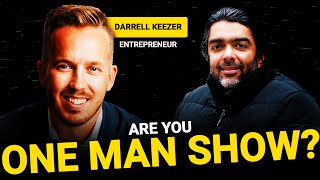
Daryl Keezer, CEO of Candy Box Marketing, talks about building one of Canada's fastest growing digital marketing agencies. He covers client management, team scaling, and what it takes to hit multi-million dollar revenue while staying profitable.
I believe that entrepreneurship is a team sport. The best entrepreneurs that I've ever run into are guys that ask really good questions and that admit when they're wrong. And before you think about profitability, think about your customers profitability. You figure out how to bring value to your client rather than yourself. You're going to be very successful.
Hi, my name is Avi Arya. Father of two girls, six dogs, husband to a superwoman, streetcar raiser turned hotelier, then marketer and founder of Internet moguls. What up, Internet moguls? The premise is, see we work with a lot of digital agency owners and I would say 75 to 80% of themselves find themselves lost on what's the next step. You know, they get excited, they start an agency, they get a first few clients. Once they start losing clients, then comes the catching up game. I've already got a few fixed costs. I don't know how to get the next big client because I have fixed cost. Should I go with any client who comes in? But then what happened to my ideal customer that I wanted to go for? And then I'm so I start compromising and then I start hating my agency. And outside my brand keeps growing because I'm an agency person, but from inside I'm struggling because I hate my business. So a lot of people come and say I started with this. And then there are some people who say, you know what, I've reached the one million dollar mark. Done. Well, what route should I take now? I'm unable to handle the sales and operations both. Should I haven't, should I have had a co founder? Is it too late to have a co founder? Or should I now start thinking of merging with a WPP or a Dentsu or what should be my next route? So between all of those questions, we started this agency series to be able to help people find their next step through people who've already found their next step. So that's sort of the premise of the show. And thank you very much for taking the time out. How we start the show is with a specific format. I'm going to take, I'm going to do a short. We call this the hero introduction. I always believe, Darrell, the shortest introduction between two human hearts is a good story. You tell somebody your true honest story and you connect the heart for life. So what I'm going to do is I'm going to tell you my story in less than 10 seconds and then I'm going to request you to follow a similar format and tell us yours.
Okay, great. I'm Game. Let's make it happen.
Awesome. So, Daryl, my name is ABHI Arya, Father of two girls, six dogs, husband to a superwoman, a streetcar racer turned hotelier, now social media marketer and founder of Internet moguls. Over to you.
Perfect. Daryl Keezer, CEO of Candy Box Marketing. My wife and I were crazy enough to have four kids in five years. So as you can tell, we've never had cable. I spend my summers water skiing at the cottage. I've got a dog named Rex that was a pandemic purchase and I currently have the privilege of leading one of the fastest growing agencies in Canada.
That is fantastic. Which is the. Which out of all of the. I mean, you have so many things to be proud and grateful for. You have a nice family, you have good work, which is growing. So I talk about, I want to talk about the most important aspect right now. Rex. How did that he happen?
Yeah. My, my. I'm a family guy. The most important thing for me is my kids. I know that sounds cliche, but I only work 35 hours a week because the other time I'm a full time dad and that's my favorite job. And my kids were asking me for a dog and my wife and we were very much not on that page. For years I told my wife we could have kids or pets, but not both. And finally during the pandemic, she issued the final words where they asked her for a dog and she said, go ask your dad. At that point, I knew that I was the only person on my team and it only took me two weeks to cave after we found the perfect puppy and, and his full name is Rex Dasher. He's an international gentleman and he is a Boston terrier and my best friend.
An international gentleman. A terrier and now your best friend. I love that. Fantastic. Because you know, one of the definitions that we write in our book, I did mention this earlier. I'm supposed to send you a copy as well. So me and my daughter, we worked on a project on a book and podcast and we interviewed a lot of people. And the one thing that we like to do when we, what we have to do when we interview people is when we do a background search. We like how family oriented are they. I mean, there's no judgment over there. But the thing is if, according to me, success is when you're able to spend more time with your family and grow your business and you know, and today everything is possible. So thank you for sharing those details with us and congratulations on Rex. I'm sure I'm 100% sure he's your best friend. And comfort and solace and so many things these animals bring to us. And I've got Benji by my side. He's a little. He's shy, but I'll make him say hello to you before we finish the podcast. Daryl Running an agency for a lot of youngsters are getting into the agency business. A lot of advertising professionals who maybe got laid off or felt that, you know, I now need to branch out. They're getting into the business, but mostly a lot of youngsters, they like the fame behind it, they like the followers, and they like to instantly put that tag saying, I'm an entrepreneur, agency owner. For a lot of people, they do that. And that initial exuberance helps them get a few deals. After that, one client leaves, the other one comes in profitability, all of that. So my first step is, when you start an agency, do you have a conscious decision on what kind of clients you're going to go after? How much are you going to charge, what should be your profitability? Or you go in, make a dent in the market and then figure your way out?
Yeah. Oh, such a good question. First, I want to respond to that first bit where if people chase fame, that's fleeting and you'll have bigger ups and downs than anybody else, and I don't think you'll make it. I'm just being honest, like people that chase fame, it's not good, it's not healthy, it's not good for your mental health. Chasing fame means you're always comparing yourself. And I've heard it many times before. I don't know who first said this, but they said that comparison is the beginning of depression. And so I actually, I wouldn't, I wouldn't if that's. If you, if you have visions of grandeur and being praised by others and being popular, that's not going to be enough. Because a lot of what you're going to have to do, you're not going to be popular doing it, including saying no to clients, including admitting that you're the biggest problem in your business on a regular basis. And I'm not just being falsely humble. I'm the biggest problem in my business. And I could probably talk for more than one or two podcasts on my issues. So that's the first thing. But the second question you asked is, do I determine my profitability, my business plan and type of customers, everything right away? I don't think so. I think that the first year, you need to learn, which may mean that you're trying with different customers. You don't even know what you're good at. And before you think about profitability, think about your customers profitability. And if you crack that, like if you figure out how to bring value to your client rather than yourself, you're going to be very successful because you're focused on that. If you have this perfect business model to get 10 new customers a month paying you x amount of retainers and all that stuff, once again you are, you're shadowboxing like you're, you're going after stuff that is going to be very hard to fulfill and you're assuming too much. People think that entrepreneurs have it made. I believe that entrepreneurship is a team sport. And the best entrepreneurs that I've ever run into are guys that ask really good questions and that admit when they're wrong. And so if you go out there with your shiny new business plan and images of yourself buying a Tesla Roadster in two years, I'm concerned. But once again, if you figure out how to solve a major problem in the market and make other people successful, you've got a future in digital marketing.
I love that good entrepreneurs ask good questions. Think of the value that you're going to add to their business plan before you think of your business plan. First year may not be the right year for you to have it all figured out. So jump in gets you get your hands dirty. Think a lot, ask right questions. And more importantly, comparison may be the beginning of depression. So don't start from there.
Yeah, yeah, it's very dangerous, right? And we've got so much to learn. Like I, you know, even in what we've done as an agency, I run a digital agency called Candybox. People are like, you know, people will say, well, it's amazing what you've done. But I'm like, honestly, I'm just getting started. I've got a lot more to learn and I don't know, I don't know what the next five years holds for us. I've got an idea, but that constantly has to change. It has to be sanity checked, right? And sometimes you'll find out you are wrong. If I was right more than 80% of the time, Avi be a stockbroker, but I'm not. And so I'm a marketer and that's okay by me.
That's fantastic. I'm loving it. You know, normally we take notes and I'm supposed to send seven pieces of, you know, takeaways so my team can edit the seven. I already have seven right now. So it's going to be slightly hard, but thank you so much. This is, this is amazing. So, so I understood. So well begun is half done. Begin with the right mindset, asking the right question and specifically knowing that you're doing it to add value to somebody's life, you will yourself find your success. Great. Now coming to this whole talk of an agency should be micro niched on a specific industry with a specific problem or generic or both. What are your views there?
Yeah, my view is look at your skill set and what you like to do. Some people like to dig into one problem and solve that. You can be successful. Other companies diversify, you can also be successful. And so it just depends on what you really feel like your skill set is if you're very good at something. Let's just say it's like, I don't know, digital marketing with home services. And you really want to dig into home services and that's your connection, that's your network, go for it. But I don't think there's a wrong answer with this one, Abby. I think it really depends on the person. For our agency we do have a couple areas of what I would call specialty. So we're really good at generating business leads for other businesses. So B2B lead generation is our specialty. But that doesn't stop with one industry. We're in insurance, transportation, home services, financial services, manufacturing, distribution. And there's a certain formula we use for a lot of these things. The formula is the same. The industry can change. And so you know it. Once again, going back to the first question of what should you do in the first year? Learn, you know, like learn are you, you know, what are you good at? Where are you having successes? One industry that intrigued me years ago was the private airline industry. Working with like private jet carriers and selling that. And I found out after only a few months that it was a, it was a pure vanity industry. Everybody wanted to be in it, but there wasn't actually that much money into it.
Right.
And so if you have this plan, but then you go in there and you realize, hold on a second, like this isn't a good industry. Don't be so married to your idea that you can't quickly pivot to something else. So I would say, I heard a quote once, action brings clarity. And people think they have clarity in their business plan, they don't. They've got a, they've got a 12 month guess at best. But once you apply action to it, you're going to figure out if it's true or not.
Lovely, love that. So Daryl, we spoke about having you know, value creation for others and you know, your own value creation, your own business metrics will work out. Is it possible when an agency, a new agency team is formed and they want to work with a client and they say, see, I want for me to leave my job when I'm getting say $250,000 and I've got a co founder, 250,000 for us to leave our job. Makes sense if we go to a million dollar a year agency for example, with that business metric in mind, can I choose an industry saying that, you know, I will not work with hotels, I'd rather work with real estate people because if they sell a 1 million, if I can help them sell 1 million dollar apartments, it'll be a bigger payout for me, so I'll make more money. So is that a conscious choice and can these choice, are these good choices to make in the beginning when you're starting out?
Yeah, absolutely. I think that's wise because sometimes the scariest things about like our, our dreams is that sometimes we can actually have the wrong dream. You know, like where it's like I want to accomplish this and the worst thing that can sometimes happen is that you do and you realized that it's, it didn't give you the end result. You mentioned real estate as an example. I thought about becoming a realtor early on in my career and one person said to me, they said you're going to do great. But they said one thing and it completely tanked my dream. And they said just be okay that you're going to be working evenings and weekends because that's when people want you. And I'm a family guy first and foremost. And like being at a sporting event and then getting a phone call and needing to leave and get somebody else to pick up my kid was never an option. It was a dream. And I'm glad that I figured out earlier on it was the wrong dream because it just, it's not good. And so you've really got to think about your own values and figure out if I succeed in getting this dream, am I going to like my life? Am I actually going to enjoy this? Is this going to bring me satisfaction and does this align with my values? Because you may be chasing the wrong thing and unfortunately sometimes people chase that for years.
If I win, am I going to like my life? That is a bulborne moment for me. This is, you know, many times when we do interviews, you know, you're doing it for a selfish reason, because you get a lot out of it. This. If I win, am I going to like my line? I'm going to use that as a. As a sort of a filter when I make bigger dreams for myself. So. Thank you, Daryl.
Oh, so it's. We're all works in progress, right? We're trying to figure out. None of us have this thing called life figured out.
You know, when you said, I am my biggest roadblock or problem in my business. Can we talk a little bit about that?
Yeah. So. So when you're starting a business, you've got strengths and your strengths when you start a business and when you collect people around that idea, they get amplified and your vision grows, and you get more people on board with your vision. And it. Imagine it's like you're planting seeds of your strengths, but at the same time, you can't separate your weaknesses from those seeds. And those things permeate, too. So if there are certain people that, let's just say they're not good, they're really, really good at innovating things, but they're not good at the mundane tasks of, like, just the repetitive tasks that they need to do. If they don't quickly find solutions to that, they don't realize, like, that's. That's part of the whole plant, right? That's. That's going to be part of what goes on. And so you need to solve that quickly. A lot of entrepreneurs think that, I don't know, they just think too highly of themselves, to be honest. They're just like, well, I've got all these great ideas and it's a great course you do, but you've also got a lot of weaknesses that are going to work against you and your business. And I mean, I could. I could spend the rest of this podcast going into my weaknesses, but, like, there's tasks that I don't like doing in my business. There are people that are very much. They love to kind of like, draw new plans, almost like creating a dot of a plan, and then other people like connecting the dots. Very rarely are you doing both. And so you've got problems, and you need to find a team around you to help solve those problems so that you can be a more holistic team. I love entrepreneurship as a single, not single, like I'm married, but as a single person and not a partner. Because whenever you have two partners come together and there's problems, it's always like, well, what. What partner is responsible for this? What partner is falling down? And sometimes that can get a little intense and you're already smiling. So you've, you've been through that. But when there's something wrong in my business, I can find the problem just by looking in the mirror and saying, you're the issue. I have yet to build a sales team. Sorry, I've yet to build a very strong sales team at Candybox. There's my weakness. That's one of my biggest. Not good at leading a sales team. And so the agency, you know, like a lot of the sales team depend on me to bring it in. I'm not good at regularly scheduled meetings, so I need operational people that can run those meetings effectively. I'm not good at paperwork whatsoever. I hate it. I don't even have a printer. Okay. I hate paper that much. And so I need somebody to take care of all the paperwork. And so we've got to understand that like, you know, you're, you're an incredibly talented person. But man, you've got to watch, you've got to watch the rest of your weaknesses around you. If you take a look at Steve Jobs, man, that guy had some serious weaknesses. And anyway, he suffered from like owner's delusion of what the company could do. He falsified numbers. He needed people to make more realistic decisions along his way. And so you've got to gather a team that will help you grow in your strengths and then mitigate for your weaknesses.
Amazing. That is. I truly say that I do many interviews, I speak to a lot of people and I respect all of them. I learn a lot from everybody. But maybe because we are in the same agency field, everything that you're saying is like for my, I almost want to take it back to my team. Like why, why is everybody not here for this interview? And when we start an agency, you could have a micro niche or not. Like you said. We spoke about your, your making, mapping your long term goals with which industry you want to work with. And if you win, are you going to like the life you like? Because if you don't, then you're going to start not winning as much and not enjoying it. And so we, we spoke a lot about how to start right when it comes to working alone versus getting either a co founder or a director in your company or somebody who starts off and later on has a vision to become, you know, get some shares in the company or just a few or rallying a team around you, which is no stake in the skin in the game in terms of shareholding, which is a better strategy or what would you Say, would best way to get this vision sold and get a few people and get an agency going.
Yeah. So a lot of people have strong opinions on this. I do as well, unfortunately. So I think that partnerships very rarely work. And I'm gonna, like, let that one lie. It is very hard to have a good partnership that have equal talents and yet complementary talents that have similar visions that can handle the good times and the bad. And, you know, the worst thing that can happen to a business is that it starts failing and the partners start fighting one another, because then you take your eye off the ball. The next worst thing is if you succeed and then they're fighting again. So I actually don't recommend partnerships unless absolutely necessary. Unless you're like, we both critically need to be in this in order to succeed. Other than that, hire people. Because it's very, very hard to get people on the same page. Now, that said, there's a lot of people that have done it successfully, and I respect them, and I think that that's. That's great. But it is a rarity for partnerships to work, and I have the pleasure. I typically meet with about three to four business owners a day. And most people will start off by saying, I started this business as a partnership, and then this happened, and then, you know, I bought them out. And that can stall a business for 12 months, which is incredibly painful. Instead of doing that, a lot of times people are looking for even capital or different talent. My recommendation is try to find, instead of finding, like, startup partners or startup capital, find startup customers, meaning customers that, you know that are willing to invest in your business and in you starting up and growing and giving you the capital or the ability to hire people right at the beginning to make that dream alive. That does two things. Number one, it gives you that capital to get going. And number two, it validates your business model at the point that you're starting. Because it always freaks me out when people are like, six months, nine months, 12 months into launching their business. They don't have any customers. They think they have something, but it's like, you don't have anything unless one person says, I'm willing to pay for that. You don't have a business. You have an idea, and you're betting a lot on that idea. So I always tell people, instead of, like, trying to get everybody to, like, invest and approve and be a partner and validate, you validate yourself. Find that somewhere. You know, if it's yourself, it's your spouse, if it's God, like, you find that validation and then you go out and push. I just find partnerships very dangerous.
So, you know, I like your school of thought on that. And how do you then rally a team around yourself? Like, how do you get them. They're not partners, then how do you get them invested in a similar vision?
Yeah, you've got to communicate, then communicate and communicate and communicate over and over again. I actually almost want to change my title in my company from CEO to CRO, meaning Chief Repeating Officer. Because every meeting that I'm in, every Monday morning meeting, every team meeting, I'm communicating the vision. Where are we going? What are our values? What is our purpose? What are the things that I like that I see in the company? What are things that I'm not okay with in the company? And just going over and over and over again. You've got to, like, if you'll say it a hundred times, people will still ask you what the focus of the company is. Like, they don't always get it right away. And then look for those people that are interested in going the same direction. When you go to hire somebody, sometimes people say, well, they can do the job well. That's good. But are they bought into the vision? Like, are they good with where you're going? Because if they're not in the interview, they're not going to be in a month's time. Like, that's not happening. And so, you know, I ask people questions during the interview. One of my questions for everybody is, you know, there's a lot of agencies out there. Why are you looking to work for kennybox? And I let them talk for a long time, and I find out if they want to work for a Candybox or if they want a job at Kenny Box. And those are two very different things. The second thing in terms of, like, catching on to vision and stuff is, is you getting your. Even your potential new team members communicating back to you. Do they understand the vision and keep hearing it from them and seeing are we aligned or not? And to be honest, a lot of times this stuff seems like fluff, you know, like, it literally seems like fluff. Like, oh, here's my vision. Here's my mission statement. Here's this, here's that. But are we acting out those visions? And so when I take an action in my company, I'll tell everybody I'm doing this because this is our vision as opposed to it's on the wall, guys. Like, read the mission statement. It's on the wall. Nobody cares what's on your wall. Nobody cares what you have as A plaque. They care how you live. And so if you can demonstrate them. Hey, guys, you know, at KennyBox, we are Canada's premier digital marketing agency, period. So if somebody comes to an idea and they say, darrel, I've got a great idea and we're going to be able to sell our services cheaper by doing this, I'm like, that's not premier. We're premier. We're not the Walmart of digital marketing. We're not the Toyota of digital marketing. We are, you know, we want to be the Tesla of digital marketing. So we're not going that way. And people start to learn and respect that over time. It is not a one and done, as you know, Abby, like, you just have to keep repeating it and repeating it, repeating it, making sure that people are on board.
And it's often a test of our own resolve, right? Because it's when you are tested for how strongly you stand by your values and principles. Because if they are tested or if people are trying to deliberately, and most times not deliberately go against the value system, you're like, forget it. How many times can I say, tell somebody not to do it. Forget it. Let them. And then that the company starts changing, you're like, no, hang on, I'm not happy with that. I didn't have a good night's sleep. I have to call that person out tomorrow morning and say, you know what? This is now not how it works. So it's a test of your own resolve on where you want to, you know, stand as a human being, as an agency owner. So amidst all of this, do you also share your values and principles and with your clients and which. Which may also have to say that, sorry, we not the right fit for you, and have these go just because they're not the right fit?
Absolutely. No, absolutely. All the time. We do turn down clients before they sign up with us if they're not a good fit. We usually smell that out in the sales cycle and we'll just kind of back away from clients that if they don't want to treat us like a partner, like if they treat us poorly, if they're not professional, if they don't have the same values, not exact same values, but there's certain things that are. That are quite important to us. So if somebody starts talking about, like copying their competitors or doing that stuff, we just politely back away from the table and just say, you know, this is. This is good. And sometimes it's hilarious because in negotiations they'll start asking questions, being like, well, we're not really sure if we want to work with you yet. We're evaluating three different vendors, and I'll just say very honest and like, well, we're not actually sure if we want to work with you yet. And I don't think this is going to be a thing. And they'll take it on. And then every once in a while, you can't. You cannot make your agency bulletproof for clients that aren't on the same values, because that's hard. It's very hard to do during the sales process. And so we typically fire at least one client a year that interrupts our values. And we don't just do it suddenly, we communicate, we repeat it, and then we fire them. And it's amazing what it will do to the team when we fire a client, because they'll know, oh, we're serious about this. Like, and. And I. It's not even Darrell that fires them. I actually, from the beginning, I've always said, if we're going to fire a client, whoever is dealing with the client, they get to make the decision to fire them, and I'll do the dirty work so that they know that it's in. Within their control to fire the client. And sometimes they say, you know what, Darrell, give me another month. I think I can work this out, right?
And then.
And then they're like, it's not workable. And then they'll give it to me and I will fire the client and I'll refund their money and we let them go. Because, I don't know, you live once, right? Like, you don't want to run an agency where you hate your job because you're afraid of that next scathing email with F bombs in it. Like, I know that's not good, right? You lose your people.
Thank you for saying that. Because we have a poster in our know in our company as well. And this is something that we repeat every. We have a Wednesday morning meeting. We repeat something that in. In. In Hindi we say, pyar se bhat karo. Let's talk with respect and love. So are you talking respect and love to your colleague? Is somebody. Because it just. It's a small thing, but it goes a long way in understanding what are the values, you know, and you know, and most of the times we emailed our clients sometime before COVID and said, I want to spend more time with my kids. And many of our people do. So can you stop? Can we. Can we figure out a way of meeting on Zoom? This is before Zoom became a thing. Because an average Customer is calling a project team. Hey, I don't like the font and design. Can you come to my office? Even though we are in the same city, it takes two hours to travel back and forth. Now that four hours could have been spent with his family and he'll be a happier person. He'll fix your problem anyways. So the team saw that as a very proactive effort. Some people were like, you know what, I go to my client, I have a cup of coffee, I have fun, I get to leave the office for a while. Why is he taking away those privileges? But for the most part, you have to protect the sanity of the whole relationship. So. Yeah, thank you for validating that.
Yeah.
Daryl, now moving on. Yeah, so it, you know, it started off by, you know. Yeah, it started off by saying, does your family need more time? Where are you? Where can you take that time off from? Scanned and saw lots of time spent over there. Daryl. Moving on to retainers. So when clients, when an agency goes and says, you know what, I want to start charging retainers versus a one time fee, is there a strategy that you follow when you quote to a client, I have to have a 50% operating profit and then after tax I have to have 30% because that's what makes the whole organization my plans for tomorrow, expansion into another office or all of that. Is there a conscious effort when you quote a price and add a profit to it?
Yeah. And now that's always in flux. And so we build a retainer structure based on, on client like requests, how big we think the campaigns are going to go, how much work over time. And, and we are data driven. So we've got a lot of key performance indicators that show us the time that will be needed. And when customers are, let's say out of line or they start taking more, we just actually have honest conversations with them and just say, hey, we, we love working with you. This is really great. But based on these things, this is, this is taking us more time and we don't want your business to suffer because of it. By moving our deadlines out, we almost never have problems with moving our retainers after we've established them, especially if you're giving good value now, you know, the, our average retainer lasts for five years and nine months. Oh, wow. Yeah. And we know that the agency world, that's not the case. It's a big difference. And, and one of our core values we believe that really keeps us on is that we believe in marketing that actually works. So if something isn't working, we will let the client know and say, you know what, Avi, we want you to be successful. This isn't working. So this is what we're going to try. And so our customers don't feel like they need to pull the plug on stuff. We're the first people that are like, okay, let's make an adjustment here. Let's change something. And we spend a lot of time building relationships with our customers to make sure that we've got line of sight to the decision maker. And we built good relationships. So if something's not going well, it's not like we're waiting for that email. We know it because we connect with them and we understand where they're at. Email is a terrible tool for communicating issues of the heart. And so we encourage people to get on phone calls, zoom meetings, discussions, or in person. I mean, you know, pre and post pandemic to make sure we actually know what's going on with our client. And we have very high retainers. You know, our philosophy is if, if we're making money, then you won't fire us. So if we're not, that means we don't have a business relationship. We have a retainer, you know, like, and that's, that's not good enough. Right, because retainers can be canceled at any time. And our, you know, all of our contracts are net 30 days. People can cancel anytime 30 days. So we live month to month making sure that our clients are happy.
Wow. Five years, nine months is. Is definitely admirable. And so, but is, is there like a formula, like a profit should be this much or based on your, your ca, your chartered accountant or anybody guiding.
You, or we have general, like, principles on financially in the background of what we'd like to see. And I wouldn't be able to explain it all here, but there's a lot of key performance indicators where we're no. 1, we're profitable at a certain point. But on the other hand, we are one of the fastest growing agencies in Canada today. And the biggest reason why is that we go back and invest in the company, in people in training, in business development. And so another nice thing about not having a bunch of partners is there's not a whole bunch of people trying to get money out fast from the business. And so, you know, this year we're purchasing a $2 million facility to start our multimedia department and do that and buy vehicles and do different things. We open up a new office. We've got one in Toronto, we've got one out on the east coast in Halifax. And so people say, well, you know, Darrell, why are you growing? We invest in growth. And they're like, okay, but what's the secret? It's like, that's it. We invest in growth, we invest in our people, we invest in our clients, and we grow. You don't invest, you don't grow. There's no secret. It's very simple. And so in regards to profitability and everything, we're. We're really. We spend. Spend more time on the growth on the top line rather than the bottom line. Just trying to make sure we're growing our top line. So we grow about 40% every year, give or take.
Nice. Darren. When it comes to, you know, you have. You have very clear and from the heart, I wear this hoodie of mine called Heart Worker. You know, that your, you know, you. You draw out of either fear or love. And every time, if you can be conscious of where you're taking a decision from, you know, it makes a more conscious organization. And this is sort of reminder for myself and my team. So I wear this on my team calls, you know, and they do as well. So you have a very clear understanding, and that's very apparent. It's coming from the heart. And is. There is no urgency or, or, you know, or. Or speed or anything in your voice, which is. Which shows me that you are. This is not something which is uncomfortable for you. These are not things that you aspire to be. These are things that you just are. And when in a person's conversation, in voice modulation, normally, you know, is this something he wants and he aspires to be, or there's something he already has? Now, with that level of clarity, do you have a core team that you work with and say, because you grow fast, growing agency and you have offices in different parts of the world, it may not, you know, how does Everybody have these SOPs lined up and saying, this is the level of profitability. These are the key indicators, call up the client when it's not working for them and all of that. So there are. So do you work with a core team and make sure that they know what's happening? And that's how. It's. How does this vision, how does this authenticity flow from you to everybody else?
Sure. So, Avi, I wanted, I want to correct and just say we very clear on some things, but we're still learning. And so we know. We know in some areas, but we've got to meet regularly to make sure that what we think we know is actually true. So how do I answer this question. So there's two inputs. One is my core management team. We meet regularly, we have built a structure, key performance indicators, key KPIs, because data doesn't lie. And so we've got KPIs and you think, well, is that just profitability? No, it's like it's client acquisition. It's our team happiness, our net promoter score with our own team, our net promoter score with our customers. And we've set up like a number of dashboards so that we can take an honest look at facts and discuss it as a group to see what are the areas that we're not doing well and provide continual improvement on the other side. I'm part of a local group of CEOs and I report to them on a monthly basis all my numbers, all my KPIs, what's going on, good, bad and ugly. They're not competitors. They're like from different industries. And they also provide me with a lot of good insight so that I can be even clearer. And to be honest, they'll challenge me when they don't think it's true. So if you hear brutal honesty, it's because that's my monthly meetings is just finding out how to be brutally honest. The last part of what you just said, of how do I make sure that the team is on the same page, is time. And there's no shortcut. So every Monday morning meeting, it's a half an hour meeting and we spend time communicating our values. We were welcoming in new customers. We give praise to the people that are doing things that are value, that our company finds valuables, including launches and designs and conversion rates and different things. We spend time on IT management team. We spend time on it and we're communicating and over communicating our reviews. We spend time on it like we're, we're constantly communicating so that it's not, so that it's lived out. And if I had more time, I would do even more of that. And as a CEO, a lot of CEOs get in an agency and I think, I think a lot of people, this may, this, this one may hurt a little bit. If I see an agency and they're about up to 10 people and I find out that the CEO is involved in the running of the business, meeting with your existing clients, doing your campaigns like, like actually like turning the wheel of what the agency is doing, you'll never grow. You'll never grow because you can't, you cannot do that and make sure that everybody's on the same page and Communicate and all that stuff. You're. You're way too much. You just don't have enough time. You're way too much focus on the work. You will never be. Be able to have time to be patient and onboard somebody properly and communicate your values properly, because you're always just going to the next client meeting. And so whenever I see a competitor and even if they're like 13, 14 people, but I find out, oh, the CEO is opening up Photoshop or changing code or he has to be part of a pitch, you're capped, you're done, you won't grow. And maybe I'm wrong and you can prove to me the guy that. That has done it, but I'll also probably show you the person that's working 80 hours a week and not. And hating his agency.
Yes.
So, yeah, there's a balance there. And if you're an agency owner and you feel like, I can't do this anymore, and it's 12 people and everything like that, you got to take a look at your task and your duties and making sure, like, are you really needed in that client pitch? And if so, have you really trained your people? Do they really know what they're doing? Because that's, that's the hard part.
You know, Daryl, across Canada, America, Dubai, I mean, I've interviewed and spoken to agency owners. The one thing that I found common is that what you said, that one guy takes pride in saying that I'm everywhere, but at the same time, when you have a discussion with him over a drink, he's almost in tears saying, I'm everywhere. You know, in the morning he was like, I'm everywhere. And like, I'm every. He's crying.
Yeah.
And it's. When you dig deeper, it's like, because his retainers are so coming out of the fear, charging so little, he doesn't have time to hire a good team, and so nobody else can deliver what he can deliver, and he's not able to break that cycle. I've got 30 clients who pay me nothing, and I need 10 more just to be able to survive. And all these 40 clients don't have give me enough money to hire a good team, and they're stuck in that cycle.
Yeah. And it's the difference in between a business and a company. Right. You can run a digital marketing business and where you're doing the work and that's fine. But it's not a company. Right. A company is people. A company is equipped people. Not. Yes, man. A company is people that are experts, that can go into that meeting and win. And those are two different things, right? It's like, are you a doctor or are you training doctors? Choose which one. And there's even some guys, like, guys be like, you know, where are you on Instagram? Like, I'm all over Instagram and, you know, here's my 50,000 followers. And I'm nothing against that, but it's like, do you know where I am? I'm meeting with my key leaders, making sure that they know what they're doing. I'm meeting with, like, our new accounts, like, bringing them into the business. Business I'm working on myself, or I'm a dad. And it's like, well, you don't have 50,000 followers. I don't care. I have a life. And I saw. I've seen. And I. You probably have to, Abby. I've seen over the last decade, those social media, like, gurus that come out and they're on, like, their Instagram stories. They've got like 30 a day. And then you find out they're divorced, they're depressed, they hate their job, they sell their company, they start drinking, they're like all these different things. And you're thinking, yeah, it wasn't sustainable.
Yeah.
You know, and you can do that for short periods of time. But it's like, where are you on Instagram? Not there too often. You know, why I'm running my company, and that's okay.
And that being okay is such a validation, you know? We have almost 1100 members in a digital agency tribe. About 600, 700 people are regularly watching all our episodes. I can just imagine 600 people right now. We'll get an aha moment saying that it's okay not to be an Instagram star, as I'm running an agency, focusing on my business and going back home in time and taking care of my family. So thanks for saying that.
Yeah, it's important that the last few.
Minutes I want to focus on a question that comes. So what we do is we send an email to everybody saying, this is our new agency series champion. So it's called the Digital agency owners championship 2022, where we are interviewing champions. And so, you know, we sent your profile. And so one of the questions that comes every time, especially, you know, agencies, a family person running, not funded. You know, you're not part of Dentsu and all of those big companies, so you're managing your own cash flow, your own everything. Can you share with us and our listeners and viewers some sales strategies that work to get good clients wow.
Yeah, Great question. You want all the secrets, Avi, or just.
Just the one that was working for Candy Box.
Perfect. Yeah. Let me. Let me give it to you for free. All right, you ready for this video? Video. Sending out regular videos. Why digital marketing? Everybody does digital marketing. Like, I drive down the street and on the stop sign, it says, like, there's a link, look little like, sign in front of it saying, google and Facebook ads, $200. And you're like, what the heck? Like, that's what I do for a living. Like, I run a multi million dollar agency and somebody has a sign out there that, like, is saying, I saw.
That here as well.
Yeah. And it's like, it's hilarious, right?
So.
So people don't hire agencies because they have a good offering or because they have good pricing or any of those things. They hire agencies that they trust. Okay. They hire agencies that they trust. I get like 10 emails a day from people overseas asking to do my digital marketing. Do you think I trust any of those people? Not even, like, nothing. Like, I would never even consider hiring any of those people. But how do we establish trust with people? And that's FaceTime. Like, even, like, over this relationship, Abby, and in this zoom, we've been building trust with one another. So I trust you a little bit more than I did before. And there's something magical about being in person or video. And so Candybox. Everybody that we touch, we send out emails to, and we send one email per month and that's it. But it's a good quality video email where I'm speaking to people as a normal person, to all of my people that are normal people. Like, normal clients. And I think it's, you know, the list is 5,000. And so over. Over time, people feel as though they can trust Candybox. Why? Because they know Darrel, and Darrel's talking about the real problems of the day. The second thing is, if you want business, sometimes sending a video email to an individual person actually works. So I do it all the time. I'll just be like, I want to work with this client. I don't need a thousand clients. I need 10 good ones. So I find them like, we're going to help them, and I go onto the website, I create a video, I say, hey, this is what my vision is for your company. This is what we could do. I send a video email, and I expect a response, and I get it. So instead of blasting a thousand people with these things and saying, SEO, ppc, mobile management, all like, we've seen that crap, that is just noise. But if they see Daryl Keyser in front of their website talking about how I'm actually going to help them grow their business, I've got their attention. And yeah, those are my biggest ones. Video, video, video. If you don't have a video strategy, you don't have a good digital marketing strategy in 2022.
Interesting, interesting. Love that. So once a month, that emailer that goes to a data which is slowly being built up, it's 5,000. But these are people who know you and expect an email from you. And because you've been sending it consistently, there is that trust that something new is going to come every time. They look forward to that email. I'm sure the open rates for that list is higher than most open rates. And. And then when you want to actually go after a client, you send a video directly to that person, communicating your vision and, you know, as. And this is virtual FaceTime, you know better than sending a text email. Yeah, got it.
And they're going to be your best clients as well, too, right? Because you don't want any client. You want good ones. And the people that are responding to a spam email, do you think they're good or do you think they're just going from.
Oh, wow. Oh, that's interesting.
Not paying one vendor and I'm gonna not pay this vendor, and then I'm gonna get free work out of this vendor and then free. They're the worst clients. So it's like, you may be more successful than me at getting new clients, so I don't mean you, but it's like those people may be more successful getting new clients than me, but, man, I get good clients. Like, I get clients that want to build relationships with me.
Fantastic. I love that. Daryl, what is the one thing that, you know, I. I love the conversation that started with you saying that for me telling somebody else to pick up my children and me going for that was a no no from the beginning. So I just loved that. That right off the bat. And then when you brought in Rex into the conversation, I became a bigger fan of yours. What? What? What? What? I. So I learned. That was the first thing I learned, you know, because I like to spend a lot of time with my kids, my daughters, two of them, 16 and 12. We wrote a book together. We interviewed everybody. They met Gary Vee, they met Grant Cardone, they met Patrick, Pat David, all their staff. And then we put a. We. We sent short. We had sent 200 personalized videos. We've documented every single video. And 62 people said yes. And the girls documented 62 journeys. And we brought a book together, interviewed them. There's 62% podcast, 62 YouTube interviews, and all of them are here. And the girls are now talking on stages and doing all of that with it makes me. And I shared this with you towards the end of the interview just because, you know, I thought this, this, something like this would resonate with you. So my biggest mission is the girls wrote to Ariana Huffington and she gave them a link to write on Thrive. And so then they now post articles directly there. So that confidence that they've got, that, you know, they've got most of these people on, on dm and sometimes they just DM them. I can't, but they do. So it's very fulfilling to be able to do things with your family. My last two questions are around that. Looking back, if there was one thing that you would like to do differently in life, what would that be?
In life or in business? Sorry, you said anything.
Whichever thing comes to mind.
Yeah, the thing I always tell people about business that, like, I've been running this business for 14 years, but we've only been fast growing for six years. And people always say, what was the change? Because I could have done it at the beginning and I didn't. The number one thing I would do to grow faster and to do better is hire faster, hire faster, take risks faster. I would only hire somebody when I absolutely needed them. And when you hire faster, it creates an urgency in your company to grow. Like, so even, like, if I know that I've got another person that is on payroll, I'm. I'm going to the next deal. Subconsciously, if you're overloaded with work and you've got too many things to do and like, that's, that's actually going on in your life, you will actually, your subconscious, not your conscious, your conscious will say, I want more sales. Subconsciously, your body is like, no, no, no. We've working 80 hours a week. We're not getting any more sales. And so I believe people subconsciously sabotage themselves and not growing their businesses. But when you hire somebody and your conscious and your subconscious understands that there is, there's more people to take on the work and everything like that, you grow. So I regret not hiring people faster. I waited until the last minute. I waited till it was absolutely necessary, because as soon as you hire somebody that, that is directly coming out of, like, for me, my own pocket. Right? So you're literally giving yourself a major demotion with Hiring somebody. But that is the only way to grow. Growing a company of people, not a business that believe in the same direction. That's, that's the way to do it. So if you're nervous and you're not sure about pulling the trigger, I'm not saying hire anybody, hire the right person, but hire faster. And every single time I've done that, I recognize, man, I should have done this like years ago. You know, like, why was I spending my time driving to deposit checks at the bank when I could have been meeting with my next customer? That was stupid. So you've just got to do it better.
Love it. So the last section of our interview is where the guest asks me a question which I don't answer right now on the show, but I answer it. And when the show is produced, we send you everything together.
Great. Awesome. I would love to, man. I've got a bunch of questions. Okay, let me organize my first one. What is your view on the growth of like multimedia marketing and companies taking it in house? And to give you more context, you know, going on TikTok. Sorry, writing a blog post, posting something on Facebook was very easy to outsource before, but having regular TikTok video is a different ball game. So what is your view on. On, you know, the agency sees value when people are taking more of their marketing in house.
So, you know, I love that because very recently we were talking to a client in Mumbai. It's a very, very large client. TV producer of lots of TV shows. My take, and I always put a disclaimer with the understanding I have today because nobody knows it all, but my take on the whole situation is that what I told this client of ours was have somebody who understands this new and evolving medium head the department. You just put in the money with the right person because you will put in a million or $2 million to set up a TikTok. And you know, everybody's creating in house team. But then it's so fast evolving. Do we need vfx? Do we need changing screens? Is the reels going to be the new thing or is it going to be something else? Is it going to be long form content? Are they going to be super bowl type of ads or are you going to be long form content that converts? Is it going to be more for. Are people going to be coming to agencies for automated webinar videos to be shot that I want a 15 minute automated webinar that's going to drive 1 million dollar sales for me every single month. I see a lot of people doing it. I'm ready to pay $50,000 for that film. So are you equipped to do that? So because it's changing so rapidly and the requests are going to be so many, a multimedia studio which has a couple of million dollars of investment should be ready for all of these things and to be able to change. And so there should be somebody who's nimble enough to understand the pulse of the market and saying, you know what? Kids want just rainbows and so they have to have a rainbow effect. And so, you know, so can we do that in all our videos? Because that's the most trending reel. Can we have a DJ box which is spinning out the most popular royalty free music? Because if we can create 60 reels a day for one of our biggest influencers, we can make that, make those people superstars. But that has to happen at scale. So how's the music going to work and all of that? So, so investment, all this is the easier part, I feel. But having somebody who understands that this landscape before you build a studio is already changed, what the customer will want is already changed. So you have to have somebody who's constantly telling you that these are the changes that are needed in the studio to make that multimedia setup. That's my two cents on that.
Oh, excellent. No, I think that's so good. Empowering the right people, the industry experts with the business model and let her rip, right? Because it's true. Like they know, they know the program and having, you know, some 50 year old guy come up with a TikTok strategy package is hilarious. Like, it's just stupid, but people are doing it 100%. That's awesome. Here's my second question. You being a family guy as well too, what are your personal life hacks on balancing your family with, with work? I'm not talking like your values, but what if like, hey, this is a hack that I have so that I, I can, I have enough time with my family? What does that look like?
So one thing that I've consciously done is that I have always spoken about what I do, what daddy does at work, to my kids. And so they've, like I said, we went to meet Gary Vaynerchuk, we had a nice meeting. He called us for lunch again. The kids went with me. The second time we interviewed him together. My daughter's in that interview together, so now she shows that to people. Every time I spoke on stage, I took my kids with me. My younger daughter left in an hour. She's like, this is too boring. My elder daughter stayed with me for eight hours. She loved everything from behind the scenes and all of that. And now she wants to become a speaker. We go to social media marketing world. It's part of our calendar every year. And so I go and network and meet with people. The girls have just been there, getting slightly bored. But there's a reward at the end. After that we don't 44 days of Disney. But this year they volunteered at the social media marketing world. So they got those T shirts and they got to meet people from around the world. And both my daughters had one thing in common. They both poles apart. But this year they told me this was the best trip ever because of the three days at the social media marketing world. So my hack is. And then we wrote this book together, co published it, their co authors, 33, 33 and 34% partners. We made it, co published it, their co authors, 33,33 and 34% partners. We made $8,500 so far on this book. It's equally in everybody's bank. So what I'm doing is my hack for this family thing is to be able to get them involved in what I am involved 80% of my time so that I don't have to say this was work. So when we went to San Diego, when we go to San Diego every year or when we go and meet any of these influencers, when we do these interviews, 50% of the times they say we want to come with you. That guy is very cool. So they'll come with me, they'll hold the camera, they'll edit whatever they do. So that's my life hack. So when we come back, we like, oh, my wife is like, how is daddy daughter day? So I went to work, but it became a daddy daughter day. So yeah, that's awesome.
Oh, I love that very. That is a very unique hack. I'll throw that out there. You don't, you don't hear that very often. Lastly, I want to know about your dogs. I told you, I have a Boston terrier. Tell me about your six dogs.
Awesome, Daryl. Thank you so much. So I'm fortunate to have a mother, mother in law and a wife. We're all, you know, very, very serious dog lovers. So when we, so we have a rescue at home in India and we have dogs coming in at all times. When we moved to Vancouver about 15 years ago, we had one dog. And then here in our new home over here, we realized that Vancouver is a place where most of the dogs who get tortured, mistreated they come on weekends because why, why is it that Saturdays, Fridays, because Monday to Friday a lot of people open their homes as rescues, as you know, for rescues. But weekends people are like, you know, don't disturb us. We have our family times. So therefore there's a pile up of, there's a, there's a waiting line of dogs to be waiting to have a temporary home for a few weeks or a few days. And if they don't, if the rescue gets over full, then those dogs are put to sleep. So every Saturday, Sunday, dogs are put to sleep because the rescue, you know, gets. So that was a major concern, which my wife said, you know, let's. That's. We just had to go to a website or somewhere and say we're open seven days. How does it matter? I mean, we get excited when there's a doorbell at 3am and saying, you know, there's a new dog coming in. So we opened that up. So at any given point we have two, three, four, five, six, seven dogs. Some of them are coming and they're going to die in a few months. Some of them are going to live with us forever. We want most of the dogs to come and live with us forever. Benji chose to stay with us. Tony, we just lost, we lose the dog every year because they come at various stages of their lives. So we have different dogs from spaniels to greyhounds to Benji, who looks exactly like Benji. So he's a bit of a terrier. Then we had Tony, who we just lost, who was an American Bulldog, 85 pounds, humongous guy. And so, yeah, we have dogs of. And then mostly rescues. We can't really pinpoint what. We had a dog from India come in here. I don't know how he, he found us, you know.
Wow, that's crazy.
Darrow, thank you so much. This was amazing. My regards to your pleasure.
Thank you so much for reaching out.
More from Avi

The strongest mindset doesn't begin with meditation. It begins at home. Before you conquer the wor

The strongest mindset doesn't begin with meditation. It begins at home. Before you conquer the wor

Your mindset isn't something you fix once. It's something you train every single day. Just like yo

Don't build a company just because your friends are. Build one because you're ready. A startup is

Everyone dreams of becoming the boss. Very few understand what that really means. The moment you b

Most entrepreneurs say, "I don't have time for coaching." The truth? You don't make time for what

Over hiring doesn't always solve problems. Sometimes, it creates them. Having a small buffer in you

"The highest-paid" isn't the goal. The highest-value is. People often ask why premium mentorship co

The founder will always be a bottleneck... at some stage. The goal isn't to pretend you're never th

People ask me how I stay consistent with my morning routine while traveling across countries and tim

People ask me how I stay consistent with my morning routine while traveling across countries and tim