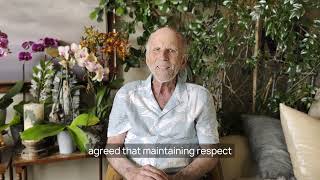
A psychotherapist explains how to have political conversations that don't destroy relationships. Pause when emotions spike, ask open questions instead of arguing points, and agree beforehand that nobody has to change their mind. The goal is understanding, not winning.
After 50 years of experience as a psychotherapist, I have learned that good intentions and sincerely stating our truths are not enough to ensure constructive political discussions. It's easy to believe that we're prepared to talk until things get heated and relationships get damaged. With hard won experience, I've realized that sincere conversations about politics require more than intention in each stating our truth as we see it. This requires humility, deep self awareness and careful preparation. Before entering into political dialogue, I encourage you to reflect deeply. What is your true motive? If your motive is to change the other or to show them the truth to express your frustration, it's best to step back. Real dialogue can only happen if we can stay open, curious and respectful, even when faced with views that are the opposite of our own. Even if you are intellectually ready, emotional readiness is essential. When anger or fear arise easily, it's wiser to wait until you can be more centered. Another key truth. When we remove the extremes, we need to see that in more than three quarters of America, both sides want a stronger America. Different news sources create different perspectives of reality. But most people across political lines still value fairness, freedom and opportunity. We need to avoid demonizing those who differ. No one is immune to believing false narratives, including ourselves. When we remember that each person's views are shaped by their upbringing, trusting what they read or hear are unique suffering experiences and struggles, it's easier to approach dialogue with humility. One of the greatest tools we have in these conversations is asking sincere, open ended questions like what led you to that conclusion? Which sources of information have you found reliable? How do you see this affecting the poor or the middle class? How do you think this affects our relationships with other countries? When questions are asked from genuine curiosity, not as disguised attacks, they open hearts rather than close them. When it's your turn to share, speak from your experience. Use language like I believe or I feel concerned because or I may be wrong, but what I understand is be brief, stay grounded and when appropriate, acknowledge that you don't know all the answers. Humility opens doors. Righteousness, impatience and certainty shuts them. Before starting the conversation, it's helpful to propose a simple agreement. Neither of us needs to change our mind for this conversation to be valuable, and we realize it is very unlikely to occur. This relieves the pressure and protects the relationship. If emotions rise too high, agree to pause or even stop altogether, knowing that preserving respect matters the most. I want to share a personal story. A dear 50 year friend and I disagreed deeply about whether Black Lives Matter protests or the January 6th insurrection caused greater alienation in our country. It hurt us both. We ended up not speaking for nearly a year. When we finally reconnected, we agreed that maintaining respect was far more important than winning any debate. Through that experience, I saw even more clearly how dangerous it is to assume the worst about people based on their political views and how common it is to be misled by partial or distorted information. This led to a regaining of a holistic mutual love and and respect. So who is best to engage in political dialogue? Those who care more about mutual respect than about agreement? And who is wise to refrain? Those who feel compelled to just express their truth? Those who feel difficult frustration rising quickly? Or those who experience profound discouragement when hearing an opposing viewpoint? This is not about judgment. It's about protecting both yourself and your relationships. Emotional safety comes first. It's also important to recognize that extremists on either side are almost never reachable to change their views. It's the vast middle, the 80%, that holds the greatest hope for mutual understanding. Focus your efforts with where real listening is possible. Before you engage, prepare yourself. Notice when you start preparing your next rebuttal. Instead of listening, reaffirm your intention. Are you here to learn or to convert? Know when it's time to walk away. Remember, each person's views carries meaning rooted in their life story with their sources. Afterwards, take time to reflect. What did you learn about the other person? What did you learn about yourself? Express gratitude for their willingness to engage. If appropriate, follow up with a short note of appreciation to strengthen the bond. In these polarized times, choosing dialogue over division is an act of citizenship and strength. Respectful conversations renew trust not just between individuals, but in the very fabric of democracy healing. Political dialogue is not about convincing others we are right. It's about opening space for dignity, understanding and peace. It's about remembering that beyond all the noise, we are all still neighbors, still part of, likely the best hope for our human family. Thank you for considering this path. I welcome your reflections and would really like to hear your most Sincere thoughts@awaressthat heals.org.