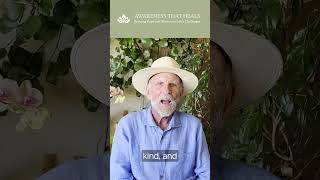
Robert Strock developed Friendly Mind during an emotional crisis after a kidney transplant. The practice means noticing destructive thoughts, saying no to them, choosing kinder ones instead, and shifting focus from how you feel to how you respond. He later added medical treatment, but the mental shift kept him functional and compassionate when emotions were overwhelming.
Reflect on one of the most painful moments in your life. In those depths, were you able to find a reliable voice that guided you? I want to share a practice I call Friendly Mind or Wise Mind, born during the hardest period of my life, that guided me when I most needed it. And I hope it will support you as well. After a kidney transplant, I had a severe reaction to the medication. Sleeping just one hour a night for six months. Emotionally shattered and unable to feel joy or any good feeling, I found myself tormented by thoughts like, will I feel this dead forever? Then a shift happened. I realized my anxious, hopeless thoughts were feeding my suffering. With a background in meditation, I silenced those destructive thoughts by passionately and gently saying no to them as they arose. I reminded myself, you don't know the future. This thought isn't helping you or even at all. Reliable Friendly Mind emerged from asking, how can I best take care of myself right now? Even when I feel lifeless, I could choose and fall thoughts that were wise, kind and constructive. This wasn't about feeling better, it was about thinking better. Over time, I trained myself to guide my inner world. Emotions still surged, but I no longer fed them with thoughts that made them worse. To support Friendly Mind, I asked others, not how are you feeling? But how are you doing with your response to your feeling? This helped shift attention from emotion to empowerment in my thoughts, intentions and actions. Though Friendly Mind didn't fix my feelings, it allowed me to stay functional and act with compassionate and appreciative thoughts. It became my most powerful tool for myself and as a therapist. Later, I found a way to support myself by creating a chemical balance in my body, which for me ended up being a game changer. So I got to feel good too. Eventually. Ask yourself, can you guide your thoughts when your emotions take over? Are you motivated, maybe even inspired, to make this become your greatest strength? My wish for you is that you will be able to support yourself with this practice.