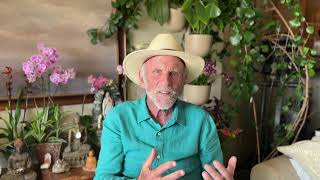
Robert J. Strock argues wealth functions as a socially idealized addiction, leaving the rich feeling empty despite cultural rewards. He offers therapists questions to help clients examine whether money-seeking actually improves their lives, and describes a shift toward valuing sharing as key to personal healing and addressing inequality.
Foreign. This is part three of a series, the Undiagnosed Illness of Civilization. This one focuses on the psychology of wealth. Addiction A Hidden role for counselors and healers Our culture celebrates wealth as success. Yet beneath the surface, many who achieve it report emptiness, anxiety, or a sense of never enough. This is why I call wealth a socially idealized addiction, a compulsion that society rewards but rarely names. It harms not only the poor, who are sometimes denied even the opportunity to survive, but also the wealthy themselves, whose lives frequently lack a deeper fulfillment. Therapists can use these questions to guide self inquiry. Is my pursuit of money aligned with my deepest sense of quality of life? Am I confusing accumulation with safety or meaning? Could I discover greater fulfillment through relationships, creativity, or contribution? These are not moral standards. They are openings to discover what truly nourishes your life. Many people eventually reach a profound shift. Giving feels no different than caring for themselves. They arrive at what I call the love of sharing, a joy that comes not from guilt but from an inner recognition of connection. One philanthropist described it simply, when I give, I don't feel like a thank you is needed. It feels the same as giving to myself. This way of living is not a should, but an opportunity. And when those who love to give find each other, they create communities of trust that counterbalance corruption and excessive self interest with gratitude and care for humanity. In an age of growing inequality and global division, ignoring the psychology of wealth, addiction means overlooking a root cause of our crisis. By helping all of us reflect on our relationship with money, counselors can support not only personal healing, but also the recovery of a civilization that has mistaken accumulation and lifestyle for meaning. Check out part four, How AI combined with Buckminster Fuller's dream of cooperation, could turn humanity towards survival and shared flourishing.