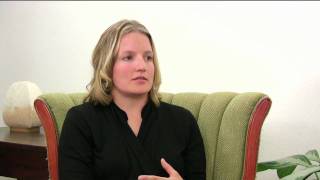
Someone who gives care 99.9% of the time is learning to ask for help instead. The facilitator suggests a daily practice of requesting what you need, with gentleness, and telling people close to you that you're changing so they can meet you halfway.
I find that I often feel resentful. I know I feel resentful anytime. A lot of times when I'm not appreciated or where I'm giving and giving and I feel like I'm not getting anything in return, maybe not even acknowledgement in return. And that happens with my. I take care of people and I do it. It's what I'm comfortable doing. And I don't often stop and ask for much in return. But then I feel resentful because nothing's returned. And I put myself in this position and I do it often. I'm aware I'm putting myself in this position and I would really like to get under that resentment and be able to or learn how we can go from that feeling of resentment to the more vulnerable place and express that vulnerability in a way that will get our needs met.
So what percentage of the time do you think that you're offering to care for people and what percentage of the time do you think that you're asking for something for yourself directly?
I'd say 99.9% of the time I'm offering to care for people.
Yeah. Okay, so as we sit here now, do you get it?
I get it.
Okay. So what happens is when you get that you're imbalanced 99 to 1 and you know you're setting up a self fulfilling prophecy of not being cared for in as reciprocal a way as it's going to make you joyful and nurtured in life, you're a good nurturer, you're a good empath, but you're not a very developed receiver. And so what you want to start to do is develop a guiding wisdom practice where you remind yourself, oh, remember to ask for what you want. And each day you want to plant a seed and maybe a hundred seeds where you say to yourself, 99 1, remember to ask for what you want much more often. So it comes closer to 50. 50. Now, of course, we're not talking about in your professional life, of course, but in your personal life, you want to have that be balanced. And just by reminding yourself to ask for what you want more directly, that's going to be one key reminder. Then there's a second reminder, which is what's the tone in which you ask for what you want? Because if you're like most people who are classic caregivers, the tendency is when it comes to asking for yourself, it comes out a little bit gruff, rough, resentful, agitated, and not very much fun to hear the person feels blamed. So you also want to remind yourself, not only ask for what you want, but can I ask for what I want from my heart? Can I do it softly? Can I do it with presence? Can I actually pause for a second? I want to remind myself to pause for a second and ask for what I want as softly as possible. So can you visualize yourself developing a practice where you're balancing this 99:1 pattern and see the impact that could make in your life?
I can. I can. And I know I need to. It leads me to also wonder how we can go from there, because the people in your life become accustomed to you being the caretaker, and they expect that from you. So how do we. How do we re reinvent ourselves with those people that we're surrounded by that. That see us as the caretaker all the time?
Great question. You need to include them in your new awareness. You need to go to them and say, you know what? I take responsibility. I really take responsibility. I've been out of balance in my life. I've been just asking questions and asking questions, and I realized that I actually have some hurt and some sadness and even some feelings of not feeling appreciated because I haven't really asked you to ask me questions. And I want to let you know I am reinventing myself. And will you ask me more questions about myself? And if you laugh like that again, it's going to be healing because it's very sweet, it's very warm and engaging, and it shows your sincerity. And when you do that, it allows people to feel like, oh, I get to love her and I'd love to love her because she's been loving me. And the ones that don't feel that way, you know, they're not really the ones that you most want in your life anyway. And so it really is a gift to everyone because you're giving them a chance to give to you, and you're giving yourself a chance to receive, and you're ultimately creating a greater balance in your life and in theirs.