International Day of Yoga Celebration
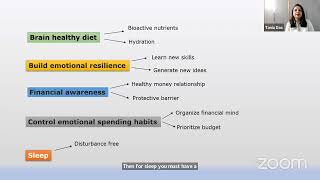
The live YouTube session, hosted by Badrinath Gella on International Day of Yoga, combined a guided yoga practice, a philosophical overview of yoga, community announcements, and guest expert talks. Badrinath opened with community engagement (member surprise, Breath Flow Mastery promotion) and asked participants about their yoga experience. He presented yoga as a holistic way of life, defining it through three core definitions—chitta‑vṛtti‑nirodha (cessation of mental fluctuations), excellence in work, and maintaining equanimity (samatvam). He outlined the eight‑fold path (yamas, niyamas, asanas, pranayama, pratyahara, dharana, dhyana, samādhi) and emphasized that yoga’s goals transcend physical alignment, health, or weight loss, serving instead as a user‑manual for balanced decision‑making. Badrinath contrasted the high adoption of yoga in the West with its limited practice in India, warning of future societal health challenges if yoga is not integrated into daily life. He then led a comprehensive physical session covering warm‑up movements, standing poses (Tadasana, Vrksasana, Trikonasana, etc.), seated and prone postures, and a concluding shavasana. After the practice, Dr. Tanya Das, an assistant professor of biochemistry, delivered a talk titled “Top 5 Emotional Care Steps for Better Financial Health,” linking emotions to financial decisions and recommending: (1) brain‑healthy diet with bio‑active nutrients, (2) building emotional resilience through new skills, (3) financial awareness as a clear money‑relationship, (4) controlling emotional spending by decluttering the mind and prioritising budgets, and (5) sleep hygiene (blue‑light reduction, red‑light cue, routine). Finally, Dr. Ankit Agar, an orthopedic surgeon, was introduced to discuss the health benefits of breath, setting the stage for a breathing‑technique segment. The session blended instructional yoga, motivational philosophy, community building, and interdisciplinary wellness education.
Chapters
So the ground rules, please make notes. Today we are going to practice some energizing practices, and I am going to give a big surprise to my Silver members as well as like also a huge announcement for every one of you who are here. Okay, and how many of you have joined my Breath Flow Mastery Workshop? Please type in the chat box if you have joined. Breathe Flow Master Workshop, please yes, type S in the chat box if you have joined the Breathe Flow Master Workshop. Balaji, yes, Shamali and Amardeep. And thank you, thank you, nice to see you again. And I would like to stay connected with you for whole life. Like even though if you are not part of my community, doesn't matter. Like I'll be doing some events and I'll be inviting you, please join. And I really appreciate you all for being here. And like, everyone, please take a picture, take a selfie, or whatever picture you want to take. Please take a picture and post it, post it on your social media that you are practicing, uh, yoga on the day of Yoga Day, right? So do not forget to post that. So please, uh, everyone, please take a selfie or a picture, whatever you would like to take, and post it on the, on your social media or WhatsApp status, wherever you are. Like, people should feel that like, okay, I am practicing on the day of Yoga Day. Okay, right. So with that, let us begin our session. My first question to you all who all are presenting here: since how long you have been practicing yoga? Please type in the chat box since how long. 1 year, 2 years, 6 months? When did you start practicing yoga? Like when it's been how many years? Please type in the chat box. Once you type that and and other people, my question is, what is yoga? Anyone would like to say what is yoga? 5 years, 5+ years not practicing. Aravind, it's fine. Like, today is the day 1. Aravind, okay, today is the day 1 for you. Since childhood, wow, but on and off. Okay, fine. So Aravind, today is the day 1 for you. And 6 months, and very good. So what is yoga? Means alignment of breath and mind, body. Okay, so like, okay, anything else? So one day I went to the class while I was in Netherlands. I went to the class, I have 20 members in the class. I asked them, why, why did you come to this class? All the 20 members gave a different answer. Somebody said for alignment, somebody said for a back pain problem, somebody said for muscles, somebody said for mental stress, somebody said for something, something. Today I am going to tell you, they are saying different things. Somebody said peace, somebody said back pain, somebody said losing weight, somebody said something else, but all of them are practicing same thing. I'm not giving different thing to each one. So what is yoga? Yoga is not a tool or technique or alignment or anything else. Yoga is not for curing the diseases or like something else. Yoga is a way of life. Yoga is a lifestyle. There are, as I played in the video, there are 3 important definitions of yoga. First definition is Yoga is chitta vritti nirodha. Stoppage of mental modifications. When you stop your mental modifications, that is called yoga. Yoga is not about alignment. One branch of yoga— please mute yourself, Shambhu. So it's one branch of yoga. Many people associate yoga as an exercise, yoga as asanas, yoga as pranayama. Whatever I am teaching, I am teaching breathing techniques, I am teaching breath flow mastery, somebody else teaching chakra healing. Someone is teaching something else. Somebody is teaching meditation. Somebody is teaching kumbhak therapy. Everything has come from yoga. Whether you practice Sudarshan Kriya, whether you practice Isha Foundation, whether you practice something else, something else, everything is known as yoga. So the— what is the goal? In the, in the time, do not forget the goal of yoga. It's not for alignment. It's not for losing the weight. It's not for curing the diseases. These all are byproducts. You don't need to ask for them. Don't go to yoga class for alignment. You should have a bigger goal than this. So I was surprised when I went to Europe to pursue my master's degree in the year of 2015, when my friend asked— Italian friend asked me, do you know yoga? So I asked her, how do you know yoga? Yes, I am from India, so I, I naturally know, I heard about yoga. But how do you know yoga? So I was shocked that like more than in India, people in abroad, Europe or US, practice more than in India. 18, 99% people in Netherlands know about yoga. 58% people in Netherlands practiced yoga at least sometimes. 27% people in Netherlands practice yoga regularly. After knowing this, I was shocked. In India, I don't think one, even one person will practice regularly out of this much population. Even though it's coming from India, but West has adopted yoga because they found value in yoga. We like Apple phone, we like whatever is happening in the West, Western clothes, Western culture. Western apps, Western technology, right? So why Westerners are adopting yoga and Indians are losing? When I closely observed— I lived in Europe for 7 years— I closely observed why these people are practicing yoga. What is there in this? What I understood is Whatever they have gone through 20 years before, India is going through now. Whatever they are now, India will be in next 20 years. By that time, you will have money, you will have house, you will have everything, but you don't— you will not have a healthy life to, to use them. To utilize them or to live with them. What you will have at the time, next 20 years, I am telling, 90% of Indians will have only house, only money. That's all. They don't— they will not have good relationships, they will not have good emotions, they will not have good health to use that money, to use that houses, to use that properties. Mark my words and see that no one can change this and this is going to happen. Okay, so we see like only 26 people in this class, right? So if I do BreathFlow Mastery workshops, I used to have 50-100 people. So, but only 26 people on the day of Yoga Day. So this is where like people in India pursue yoga. But because you are here Everyone, because you are here, please take this science seriously. Beyond asanas, beyond alignment, beyond your health issues, beyond whatever you think of, your problems will evolve. If you still believe buying a car will solve your problem, if you still believe buying a house or not buying a house will solve your problem, if you still believe having a child or not having a child will solve your problem, if you still believe getting married or unmarried is going to solve your problem, you are not ready for yoga. You have seen all these things in your life. You have seen all these things in your life, but still you are not happy 100%. So yoga is knowing about the life, how to live the life. Whatever we are teaching, we have taken 1% of yoga, right? So second definition of yoga, which is excellence in your work, is yoga. And third definition, whatever you do As a mother, if you serve your kids, that is also yoga. If you cook food, that is also yoga. Whatever you like in your life, when you go deeper into that, that is called yoga. Samatvam yoga vishuddhi. Third definition is samatvam yoga vishuddhi. Maintaining the equanimity is yoga. This is the toughest part for everyone. So yoga helps you to bring that balance. Yoga helps you to achieve that state of mind. Yoga is not for alignment. Yoga is not an exercise. Yoga is not a tree pose. Yoga is not a headstand. Yoga is not touching your toes. Yoga is going to help you. Yoga is a state of mind where you take right decisions, where you choose right choices for your health, for yourself. Yoga is a user manual to know about yourself. It connects your body, mind, and spirit. It's a holistic practice, works in physical level, mental level, emotional level, and spiritual level. Otherwise, why there is a Yoga Day? Why there is no jogging day? Why there is no running day? Why there is no fighting day? Why there is no other day, other day, other day? There are so many other fitness regimes. You can go to— if you want flexibility, you can go to gymnastics. They will align your body more, they'll make your body more flexible. Why yoga, right? So on the occasion of Yoga Day, it's very, very important for me to establish this mindset in you all that you have to think beyond. Please think beyond. Whenever you go to any yoga class or any tutor or any teacher, don't go for like your back pain. Don't go for this one. You want to achieve beyond that so that your back pain will automatically will cure. You don't need to ask for that. Ashtanga yoga, Eightfold Path of yoga, Yamas, which are internal, external disciplines, how you have to behave externally. Niyamas— how you have to live internally. Then comes asanas. The purpose of asanas is not alignment. The purpose of asanas is not to make you flexible. The purpose of asanas is to make you ready for pranayama. The purpose of asanas is to make you ready for meditation. The purpose of asana is to make you ready for samadhi. Then comes pranayama, so that when you remove all those blockages in your body, the prana The energy, the prana will flow properly into your body. Then comes pratyahara, which is withdrawal of your senses. You are always pulled outward. Your senses take you out. When you see something, you want that. When you smell something, you want that. When you hear something, you want that. When you touch something, you want that. When you withdraw those senses, that is called pratyahara. Then comes, once you finish all these 5 steps, Then comes dharana, which is concentration, focus. Then comes dhyana, which is meditation. Once you achieve the state of concentration, it's a meditation where you do not have any thoughts. Many people say like, I do meditation, I just close and sit, I'll think about what happened in that auntie's house, what happened in this auntie's house, what happened with my husband, that husband, this husband. That is not meditation. Closing your eyes is not meditation. After that, the last step is samadhi, the goal of yoga. Whether you practice Sudarshan Kriya, whether you practice the karma yoga, whether you practice that yoga, this yoga, beer yoga, goat yoga, any yoga you practice, the goal is to achieve the state of samadhi. UN is not a small organization. United Nations, I.K. Rajasamiti, United Nations is not a small organization to declare Yoga Day. They have researched well. 178 countries in the world has like supported Yoga Day. 195 countries in the world celebrate Yoga Day. I myself represented 2 countries, Italy and Netherlands, on the Day of Yoga. We celebrate very huge, very big. We celebrate for whole week. We celebrate with huge crowd. And whole month it's a big festival across the world except in India. In India, only in the cities or only by political parties it happens, but other than that, no one in India take pride of it. 90% research on yoga happening in the world, across the world, not in India. Only in India, his contribution is only 10% for the research on yoga. So we have to see where we stand in in terms of this. Okay, so I request every one of you, please integrate yoga into your lifestyle beyond exercise, beyond your health issues. Yoga has a solution for every problem in your life. I am telling you, I have seen, I have read Yoga Sutras, I have read Bhagavad Gita. Every chapter in Bhagavad Gita names yoga. So please take beyond that. With that, let us begin our session. So everyone sit comfortably, back straight, neck straight. Close your eyes, observe your breath. Close your eyes. Let us chant Om for 3 times. Inhale. Om. Oh, repeat after me. Sangha chetvam. Absorb, absorb the vibrations. Rub your both hands, cup your eyes, open your eyes within cup of your palms, and slowly release your hands. So let us begin our session. So please stand on your mat wherever you are. Please stand. So place your both hands on your waist. We'll start with head rotations. So head rotations are very, very important practice because all the nerves in your mind branch out from your neck region. It's very, very important to keep this neck region proper. So place your both hands on your waist, looking forward. So slowly turn your head towards your right side. Center. Everyone, please practice along with me and turn towards your left side. Center. Change. Center. Change. Center. Now while exhaling, bend forward, try to touch your chin to your neck. Do it slowly. Remember these 3 things: be mindful. Whatever you are doing, be mindful. Understand which muscles are engaged. In— while inhaling, raise your head up, look up, and be with your own limit. Do not overstretch. Do it as per your capacity and try to maintain the smile on your face. Center. Bend forward. Center.
Up.
Center. Center. Now we'll do a complete rotation. While exhaling, bend forward, turn towards your right side.
Up.
Left. Down. Right, up, left, down. Right, up, left, down. Now change the direction. Left while going up, inhale, right side and down. Only the head should rotate. Inhale, going up. Coming down, exhale. Last round, come down and center. Relax. Now place your fingers on your shoulders. You can also practice all these things by sitting on your chair as well. So join your elbows. Everyone, please mute yourself. Join your elbows. Inhale, raise your both hands up, back, down, and front. Up, back, down, and front. Up, back, down, and front. Now change the direction. Back, up, front, down. Back, Up, front, down, back, up, front, down, and relax. Now roll your shoulders backwards, everyone. Volume level is bit low. Okay, I'll increase, I'll be a bit louder. Inhale, roll your shoulders backwards and forward. Now we'll do the trunk movement. Extend your both hands forward, palms facing to each other. Slowly twist towards your right side, look towards your right palm. Center. Twist towards your left side, look towards your left palm. Only your spine should twist. Your hips remain in the same position. Center, change. Center, change. Inhale, center, change. Center, change. And center, and relax. Very good, perfect. So now Slowly make— place your both hands on your waist. Rotate your hips clockwise. Now change the direction, anti-clockwise. And center. Now make a fist with your both hands, rotate your both hands, both, both wrists. Change. Relax. Stretch your fingers, stretch your fingers, stretch, stretch, and make a fist. Stretch, fist, stretch, fist, stretch, fist, stretch, fist. Now inhale, raise your both hands up and make a circle. While inhaling, raise your both hands up and down. Up and down, up and down. Now change the direction. While inhaling, go up. Exhale down. Inhale up. Do not bend your elbows. Your elbows remain same. Up and relax. Relax. Now we'll go to some poses. So for this, please everyone, make sure you are on your mat comfortably. Let me show you all. So first we'll do Tadasana. So both legs apart, or you, if you want, you can keep closer, but give at least 1 feet distance. Interlock your fingers, palms outwards. While inhaling, raise your both hands up so Stretch up. Those who are comfortable, those who do not have blood pressure, slowly lift your heels up. Lengthen your spine, lengthen your complete body. Slowly, heels on the mat and release your both hands. So I may not be able to share all the benefits. Please refer to the booklet which I am going to share you after this session. So the next practice is Vrksasana. So first we did, we extended all our body, then we are trying to do balanced pose. How balanced you are? Let's check. So hold your right leg, those who are comfortable, okay? So place it on your thigh, left thigh. So do not place it on your knee. You have to place above your knee or below your knee, or below, down. If you're not comfortable like this, you can place it like this, okay? So I am comfortable like this, so I'll use this. From here, those who focus on one point in the front, those who are comfortable like this, keep it like this. But those who are comfortable to raise your both hands up, while inhaling, raise your both hands up and join your palms. Exhale, hands down and leg down. Now opposite leg. While inhaling, those who are not comfortable, you can stay here. Those who are comfortable, inhale, raise your both hands up. Look forward, try to balance yourself. Understand how balanced your body is. If you cannot hold in this position, you are not balanced in your life. Exhale, hands down and leg down. We did, uh, balanced pose. Now we are going to do backward bending and forward bending. And sideward bending. Okay, so place your both hands on your waist, elbows parallel to each other. Slowly push your hips forward and roll your shoulders back. You drop your head back and shoulders back, your chest facing towards the ceiling. Your hips are going forward. Stay here, relax your neck. Inhale, center. This is chakrasana, ardha chakrasana. Inhale, raise your both hands up. Slowly, while exhaling, bend forward wherever you can reach. Bend forward, padahastasana. If you are comfortable placing the palms on the mat, you can place the palms on the mat, but do not bend your knees. Your knees remain straight. Open your— slowly stretch your both hands forward. Inhale, come up. Exhale, hands down. So we did backward bending, we did forward bending. Now we have to do side bending. For this, we'll practice Trikonasana. Turn your Right, both legs 3 feet distance. Make sure your both heels are in the same line. Both heels are in the same line. Turn your right foot 90 degrees. Open your both hands on your shoulder level. While exhaling, slowly bend towards your right side. Your left hand goes up. You can either look towards your left palm or You can look forward, whatever you are comfortable. Ask anyone, any of your family members to take a picture so slow, so you will be remembered that you have practiced yoga on the— okay, stop. You're gonna come to the center and right foot in. Now left foot 90 degrees, slowly extending forward and bend laterally, bend towards your left side. Right hand goes up. Inhale, center. Very good. Awesome, everyone. Now come to Vajrasana. So Vajrasana is one of the important pose. So let me— like, please come on your knees. So you have to Join your both toes. You have to join your both toes, both heels apart. You have to sit in between your heels. This is the only pose you can do after having food. Okay, so come to Vajrasana. Slowly stand on your knees. Those who are comfortable, those who are not comfortable, place a pillow or like towel below your knees. Okay. So, or else you can just sit on chair and just bend backward or forward, whatever you want, but try to move some— move your body. Okay, make your both hands on your waist and slowly push your hips forward. Drop your head back and shoulders back. Inhale, center. Now slowly sit in between your heels, both knees, both knees apart, and place your both hands on the mat. Slowly walk forward, walk forward, and drop your forehead without lifting your hips, without lifting your hips. Slowly drop your forehead on the mat. Okay, stay here. I'm just watching every one of you whether you are doing properly or not. So those who are sitting on the chair, just bend forward, just bend forward. Yes, and touch your toes. So Ankit, if you are here, please type in the chat box. that element. Okay, Abhishek. Yes, so stay there. Now slowly walk back and relax. Now we are going to do Uttana Mandukasana. So in the same position, raise your both hands up, place your right palm on your left shoulder blade, left palm on your right shoulder blade. You can sit, you can do the same thing while sitting on the chair. Those who cannot sit on mat, you can do the same thing while sitting on the chair. Look forward. Slowly raise your both hands up. Exhale, hands down. Great. Now stretch your both legs forward. Fold your right leg from your knee. Hold your right leg with your left elbow. Hold your right knee with your left elbow. Place your right palm behind you and twist towards your right side. Left hand— left leg toes are pointing towards the ceiling. Left leg toes pointing towards the ceiling. Slowly inhale. And look forward and release your leg. Now opposite leg. Those who are feeling the pains on your toes, slowly stretch your toes forward and backward, toes forward and backward. Rotate your toes up and down and relax. So now we are going to do opposite side, like left leg. Fold your left leg knee, hold it with your right elbow, place your left hand behind you, and slowly twist towards your left side. Look back. And center. Look forward and release your hands. Now we are going to do prone positions, lying on your abdomen. So slowly, with support of your hands, please lie on your abdomen. Now we'll do bhujangasana. To practice bhujangasana, So you can place your elbows next to your chest, both legs together, both legs together, elbows next to your chest, forehead on the mat. While inhaling, raise your head, shoulders, and chest. Look forward, stay here. Raise your head, shoulders, and chest. Normal breathing. Breathe normally. Slowly, while exhaling, bend forward, place your forehead on the mat. Now we'll do Shalabhasana. For this, place your palms below your thighs. While inhaling, raise your head, shoulders, and chest, and also raise your both legs up. Your complete body is up. You are balancing on your abdomen. Slowly relax. Place palm on top of the palm, both legs apart, heels on the mat, and relax here. Place any side of your cheek or forehead and relax for few seconds. Slowly inhale. Raise your head up and turn on your back. Turn on your back. Now we'll practice Uttana Padasan. To practice Uttana Padasan, both hands next closer to your body. While inhaling, raise your both legs for 45 degrees. Raise your both legs 45 degrees. Exhale, relax. Now raise your both legs 90 degrees. Those who are not comfortable to raise like this, you can fold your both legs from your knees and raise your both legs 90 degrees. Slowly exhaling, Drop your both legs on the mat. And now fold your both legs from your knees, bring your knees towards your abdomen, interlock with your fingers. Stay here, pavanamuktasana. So those who do not have any pains, those who do not have any neck pains or neck-related problems, you can raise your head up and take your forehead towards your knees. Slowly drop your head on the mat. Roll on your sides, left and right, forward and backward, and relax. Both legs apart, hands apart. Palm facing upwards, come to Shavasana. Slowly take your awareness towards your toes. Relax your toes. Relax your ankles, heels. Relax your shin and calf muscle. Relax your knees, thighs. Relax your hips, pelvic region. Relax your lower back. Relax your spine, muscles around your spine. Relax your abdomen, your stomach, your chest, both hands, fingers, palms. Relax your neck, muscles around your neck. Relax your chin, mouth, nose, eyes, and ears. Relax your facial muscles, forehead, and top of the head. You are completely relaxed from your toes to the top of the head. Feel the relaxed position, calmness, and stillness. Slowly move your toes and fingers Rub your both hands, tap your eyes, open your eyes within cup of your palms, and slowly release your palms. And turn towards your right— fold your both legs from your knees, turn towards your right side. With support of your hands, please sit on your mat. Are you relaxed? I would like to check whether Tanya is here or not. So Tanya, are you here?
Yeah, I'm here.
Yes, great, great. So I would like to introduce you all, like the— like, please come back of the shavasana. So shavasana is done. So now we have a guest speaker, Dr. Tanya Das. I thank you so much, Dr. Tanya Das, for taking your time on this busy schedule and coming here and helping our audience to understand about the importance of the emotions and other, other aspects, right? So I— please everyone, welcome Tanya. Please type welcome Tanya in the chat box. So Tanya is an assistant professor and she's also has done PhD in biochemist, and she has a lot of qualifications. So we are blessed to have her today. And Dr. Tanya, the floor is yours.
Thank you, thank you, and happy 9th International Day of Yoga to everyone, and I hope you enjoyed the session right now. And yes, can you share the screen right now? Hello?
Yes, you can, you can, uh, share the slides now.
Yeah, yeah. Can everyone see my screen?
Yes.
Yeah, the topic that I wanted to talk about is to give you top 5 emotional care for better financial health. But the first question I would like to ask everyone that what emotion has to do with finance anyway? Does anyone have any idea about it? Okay, so we take our financial decisions, right? And that, uh, it is directly related to our financial health. But on the basis of what we do take those decisions? Sometimes every day is not same in our case, in our life. So every day is different. So what actually runs behind the back end is our emotions and how we feel about it. So that's how emotion is connected with finance, because our financial sector of our life is run by our common emotions that we feel every day, and but it is like hidden, uh, hidden task. That is, uh, it is a role player that is happening in the back end of our mind. So do your emotions interfere with your money management? Have you ever felt that your emotions interfere or ruin your monthly budget plans and everything? If it is, then you need to understand that how emotions play all these roles behind the scene. Then do you fear, do you fear about losing money? So these are the top 5 emotional care steps that I would like to tell you to build your financial health. First is brain healthy diet. Now the brain is our central director. It is responsible for all our motor skills, So, but you need to add some premium fuel into that, into that direction, so that it can perform well, it can take good decisions and all. So what are the daily diets do you take, and in terms of food, so that your brain is taking all the tasks in a way that you are heading your life in that direction of your goal. The second is build emotional resilience. Now, what is emotional resilience and how do you build that? It is a tool that gives you the mental strength. It builds you— it builds for you the mental toughness. So this is a bouncing back attitude, like, to the face of any challenges that come, that may come in your life. Like if you're going through a financial stress, maybe a challenging situation, but if you have the bouncing back attitude, you can face any sort of challenges that may come your way. The third is financial awareness. When you are financially aware about your situation, then you know exactly how to prioritize your finances and its plans. Then the fourth one is control emotional spending habits. Now what do I mean by saying that emotional spending habits? Because it is reported that 90% of our buying behavior, purchasing behavior, spending behavior, we do based on our running emotions. So how do we stop that emotional spending habit? Because that definitely ruins our smart money management. And last is the sleep. I cannot, uh, emphasize more enough on this because sleep is something that recharges our brain because it cleans out the toxin that generally forms for some neural activities. It recharges our brain in such a way so that When you know it better, that when you sleep better, you can— it reflects in your decision-making abilities, your plannings, and your communications as well. So I would like to give you some example where these pills can help you. Like brain healthy diet, you can start with bioactive nutrients. Now what is bioactive nutrients? That we are blessed with plethora of vegetables and fruits in our— on the, on the face of our— of this planet. So all these vegetables and fruits, they are having some active ingredients that we know as antioxidants. So what happens that sometimes we indulge into junk foods and the fast foods and everything, so it is having all those trans fats. So what are trans fats? This is an inflammatory object that can inflame your body. and that will, you know, accelerate the process of aging and other disease formation. So you would like to avoid those foods which are having trans fats and everything, and the red meats and charred meats and everything. So better you, you know, invest on this bioactive nutrients that are available in vegetables and fruits. And of course, hydration is very much important for your brain to be active. Because it gives you the oxygen that you need for its regulation and other steps. For building emotional resilience, you can learn new skills, new skills like maybe new language. Maybe you can invest in learning a new instrument like guitar, playing guitar. So these things will also form new neural paths in your brain, and it will help you building that emotional resilience because this is in one way or another going to build your confidence in it. And once you are confident in one field, you know that it's going to be a chain reaction in other fields as well. And then generate new ideas. Sometimes what happens— these are the few things that we, you know, we don't actually emphasize on doing it on a daily basis. But if we do it, that's when the compounding effect is going to amaze you. The more you generate the new ideas— like, like if you are running your life in old patterns And if some new problem, like, comes in front of you, you cannot just play the game having the old patterns and old tactics and tools. You are going to need that new skills, new things in your life so that you can, you know, encounter all these problems. So I would rather, you know, want to direct you in that way so that you build new skills and generate new ideas every day. So that you can face those problems and challenges in your life. Financial awareness will help you have a healthy money relationship. Now sometimes what happens, we don't even know that on everyday basis how we're treating the money. I consider money is a vehicle. So some, just for an example, just take like you want to go to some place, on what sort of vehicle would you like to take? If you are going out of state, obviously you would like to, you like to have a vehicle that is going to make your journey comfortable. So obviously you would want such kind of vehicle like in a better way, in everything, like fueled up, all oiled up, and it can perform well. So obviously you, you are going to need to have a good relation with money so that it can give you everything that you want. Because as you know, if you treat something badly, it cannot give you something good in return. So consider on this point. Then protective barrier— sometimes what happens is not just the internal, sometimes you are affected by the external environment. So how can you, how can you help yourself? What you can do, you can have this protective layer around your emotional tank where you are more aware about your financial goals, your financial health, and where you are standing at this moment, your current position, so that you, you know exactly where to jump and what will be the length of that jump. And are you armored up with all the barriers with you? Like to protect yourself. So you need to be financially aware in that area. You need to have that protective layer because sometimes what happens, we do carry on others' emotions in our lives and we're affected by that. And on the basis of that, we don't even know what sort of irrational decisions we're taking and how it's going to impact us later in our life. Then control emotional spending habits. You can organize your financial mind. How do I say it? Organize. Sometimes we declutter our mind with unnecessary thoughts, thoughts which are unhelpful, thoughts which are unuseful for your self-growth. So you better declutter those unnecessary thoughts to even play with you. So I would rather suggest you that what you can do is that if you handle some things so clumsy, obviously it's, it's not going to appear well. So better organize it, better prioritize your finances, and then move forward. Prioritize your budget. It is, uh, like proportional with the emotional spending habit. Sometimes we just swipe things, we just buy things, and that's going to give you the purchasing pleasure, but that's a temporary fix and you don't want it because after forward, what happens? You'll end up having the guilt emotion that why did I do it. So obviously you would like to prioritize your budget, and I would suggest that sometimes if you, when you go for buying some things that you don't want in your life or don't need in your life, you take a deep breath and focus on your goal and then decide whether you need that thing or not. Whether you want to buy that thing or not. Then for sleep, you must have a disturbance-free environment. And, uh, I have, uh, myself, uh, enjoyed doing it. Like, before going to sleep, you must turn off all the devices because sometimes what happens, it's a blue light and your brain doesn't understand that whether it's daytime or it's nighttime. So, uh, You, when you turn off all the lights around, like the blue lights one, your brain knows that it's time to sleep. So after, what happens sometimes that even after closing off all the devices, we feel like our brain is still active and we are not able to sleep. So what you, you can trick at that, you trick your brain at that moment. Just put off all your devices and put on a red light. In your room. Yeah, yeah, yeah, I'm about to finish it.
Yeah, thank you.
So that red light is going to make your brain think, okay, it's the nighttime, it's no more the sunny day, and it's time to sleep. So then it will help you to sleep fast. And the last is the routine-specific. Sometimes routine is best. I know it has all the advantages and disadvantages, so let's focus on the advantages. So make a routine for yourself that when exactly you are going to get your 6 to 8 hours sleep. I hope this will help you. All this step will help you building your financial health. Thank you.
Yes, thank you, thank you so much, Tanya. Of course it will help them. Like, now they understood that like to have financial health, they also need to take care of their habits and their, their own health, right? So otherwise, uh, they will not achieve their financial health, and they'll not even achieve their own health, right? So I hope it's very clear of everyone, right? So personal health, personal habits create the wealth, okay? So you are the one. So thank you, everyone. Please type thank you Tanya, and thank you so much Tanya for coming here and taking your time for having Yes, yes. So next I would like to invite Dr. Ankit Agar. He's an ortho surgeon. He's going to talk about, uh, health through breath, right? So like, uh, he, he like the best thing, you know, like he's from Telangana, like he also prescribes meditation in his medicines, you know. So this is the first time I am hearing that like a doctor who is prescribing, prescribing medicine. And I will— everyone please welcome Dr. Ankit. So Dr. Ankit, are you here? Ankit, you are not audible.
Yes, can you hear me now?
Yes, yes, I can hear you now. So where you are? I just wanted to pin you. Are you on video? Yes, I am. Okay, yeah, perfect. Let me pin. No, yes, Ankit, thank you for being here, taking your time and coming here to explain us, talk about, uh, the importance of breath. Dear friends, we are going to practice the breathing techniques after this talk. So this is a very, very important, like, please listen to Dr. Ankit. So he's, he has treated thousands of patients, you know, like successful patients, and he holds his own, um, like, hospital in Telangana. So, Dr. Ankit, the floor is to you.
Hello everyone, uh, thank you so much for having me here, Madinath, and it was really beautiful seeing you take them through all those yoga poses. First of all, I'd like to wish all of you a happy International Yoga Day. And you know, it's, it's a topic which is something very close to my heart because being a doctor, I've always been on the path of medicine, been on the path of traditional as well as modern medicine throughout my last 10-15 years of working. So I'd like to ask, first of all, by a raise of hands, whoever is on screen, how many of you would love to be healthy and energetic? And how many of you would love to be healthy using the power inside rather than the, you know, depending on the medicines and using your money outside?
More from Badarinath





How Conscious Breathing Transformed My Health, Family & Career | Inspiring Success Story

International Yoga Day Celebrations 17th to 21st June | Morning 6 AM | Evening 7 PM

30-Minute Breathing Exercises | Reduce Stress & Improve Lung Health | Yoga Day | @badarinathgella


