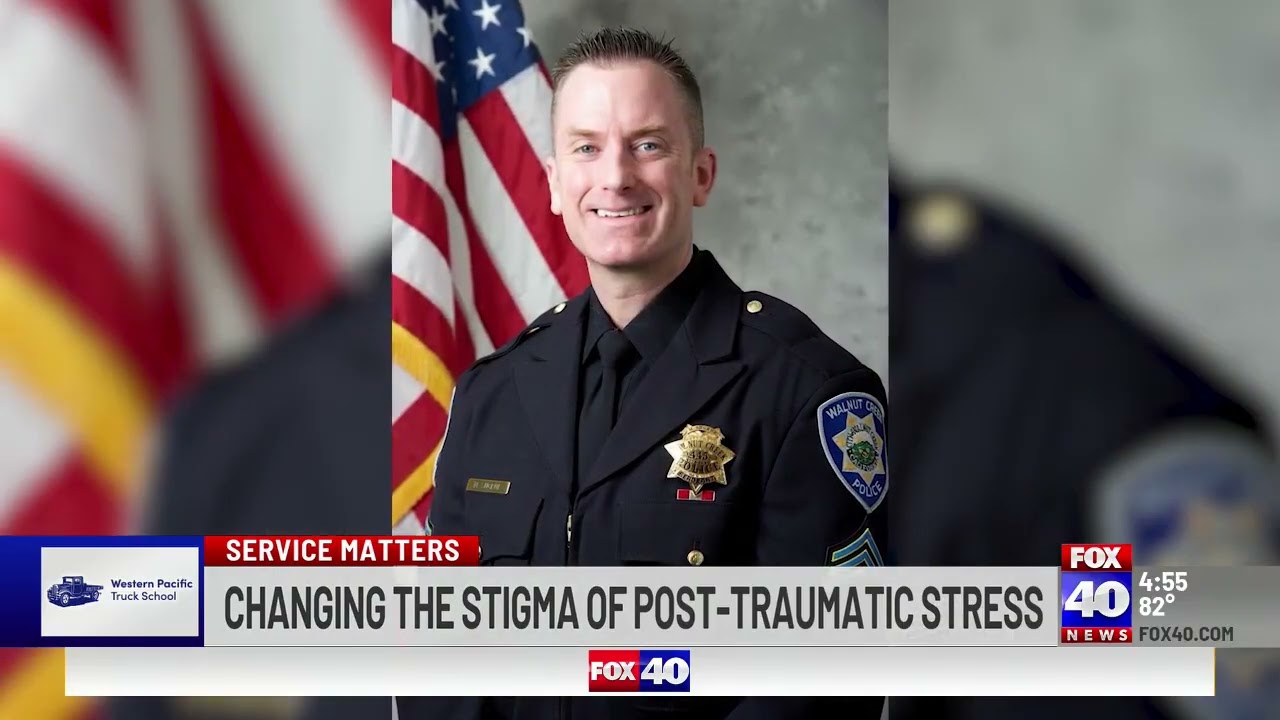
The video features Michael Sugru, a former Air Force officer who became a Walnut Creek police sergeant. After a 2012 officer‑involved shooting, he endured years of cumulative trauma, a federal trial, loss of his marriage, deteriorating health, and suicidal thoughts. In 2018 he medically retired and shifted his focus to helping first responders cope with post‑traumatic stress. Sugru discusses the misconception that a single event causes breakdown, emphasizing the accumulation of incidents, the stigma within law‑enforcement culture, and the high suicide risk among officers. He stresses the need for open communication with families and peers, and describes how his new role—building supportive connections and co‑authoring the book Relentless Courage: Winning the Battle Against Frontline Trauma with a psychologist—aims to destigmatize mental‑health struggles and encourage early help‑seeking among first responders.
Chapters
He shares how years of traumatic events culminated on one night in an officer-involved shooting that led to him leaving the police force and committing his life to helping first responders who are struggling.
I think there's a misconception where people think, you know, it's this one huge traumatic incident that breaks us or that really hurts us, but in reality, it's a combination of, you know, incidents year over year over year.
Michael Sugru joined the Walnut Creek Police Department immediately after serving as an Air Force officer for 6 years. Shortly after Michael was promoted to sergeant, he was involved in a shooting in December of 2012.
And that really forever changed me. It changed my path.
He says the toll the shooting took was greater than he ever imagined.
So I suffered in silence for 4 years. Um, after my shooting, I actually ended up on trial in federal court in San Francisco. Even though we saved lives, we saved a couple's lives, we saved our own lives, we were sued. Um, during that process, I lost my marriage. My health started to fail. Um, literally everything around me was falling apart, and I got to the point where I didn't want to be here anymore.
His mental health got so bad, Sugru started to put himself in harm's way at work.
I believe that if I died in the line of duty, my daughter would always be taken care of. She would never forget who her dad was. I would be a hero.
Finally, in 2018, he medically retired from the police force and turned to helping other first responders dealing with post-traumatic stress injuries.
The biggest mistake I made was that I thought I would protect my family and my loved ones by not bringing work home. But when I come home in a bad mood or pissed off because of these horrible things I had to deal with and I had to see, I need to communicate that to my loved ones to say, look, you know, I had a really bad day. This has nothing to do with you.
He says the support is necessary as law enforcement can be a lonely profession.
You know, we train on firearms, defensive tactics, use of force. Laws of arrest, all these different things, but we don't train how to prepare ourselves for our greatest threat. Law enforcement officers are much more likely to die by their own hands than any other cause in the line of duty.
He hopes his story will help destigmatize the hardened culture often shared amongst first responders.
And because of this culture, it's looked at as being weak. It's looked at as being shameful. And many officers, including myself, I was scared to talk about this stuff because I thought I would be outcasted, that nobody would want to work with me, nobody would trust me. But what I found through my work is that so many are suffering in silence. And I tell people all the time, I'm not special, I'm not unique, I'm just willing to talk about it.
And the connections he forms now with the first responders he helps fills the gaps left from his time as a police officer.
And I miss it. I gotta tell you, I miss it. It was in my heart, it was my everything. And that's what the people need to know, is that we're out there doing it all. We care. We care about you. We care about our families, and we're willing to die for you.
So Michael has written a book alongside a psychologist about his experience. He hopes others will read it and seek help when they need it before it gets dire. His book, Relentless Courage: Winning the Battle Against Frontline Trauma, is available throughout many online booksellers.