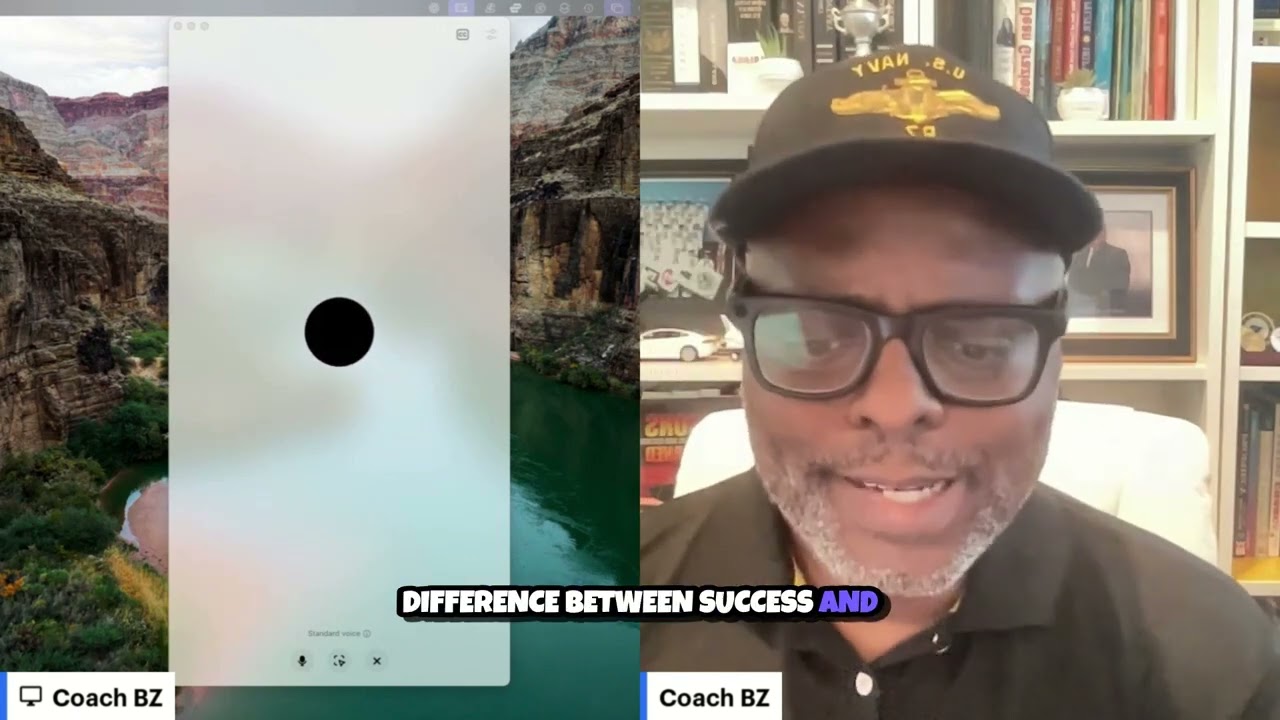
Two speakers discuss shifting from being a high-performing doer to a guide who develops others. Speaker B, retiring from the U.S. Navy after 20 years in tech, references Dr. John C. Maxwell's distinction between success and significance, emphasizing the need to prepare the next generation and build legacy leadership through empowering teams rather than micromanaging.
Chapters
That's such a powerful evolution, Coach. What you just described is the shift from being the hero to becoming the guide. It takes real humility to step back, let go of perfection, and say, "I'm not here to do the work. I'm here to build people who can." And you're absolutely right. It's not easy, especially when you know you can do it faster or better. But leadership isn't about being the best at doing. It's about being the best at developing others. That mindset—empowering, resourcing, and coaching instead of micromanaging—is what creates lasting impact. That's how you multiply your influence. If you had to give just one sentence of advice to someone making that leap from doer to leader, what would you tell them?
Well, I'm reminded of my primary coach, Dr. John C. Maxwell.
Take your time. This one's big. What would you say to that high performer who's just been promoted and is struggling to let go?
Yeah, Dr. Maxwell taught me the difference, right, between success and significance, right? Success is all about me, right? And significance is really when you pivot and it's not about you anymore, but it is about the people you are developing, right? Leaving a legacy. Like now, I've been in the tech world for more than 20 years now, and I might be retiring from the US Navy. So what's really important now is the future leadership of the Navy when I am gone, right? And being able to impact the next generation of leaders, train them and develop them. Being able to pass the torch.
Exactly. Right? That's legacy leadership in action. You're not just building systems.