Part 2 of 4 Stockmanship 101

In this instructional monologue, the presenter demonstrates low‑stress cattle handling techniques while moving a herd across varied terrain. He emphasizes using subtle horse positioning and “turn‑away” angles rather than direct pressure to guide individual cows, allowing the herd to self‑propel. The narrative walks through moving cattle toward water points, navigating brush, pens, and steep cuts, and shows how minimal intervention—quiet dogs, gentle pressure, and strategic pauses—reduces stress and encourages natural herd movement. The speaker also discusses grazing management, highlighting how cattle can self‑regulate feed intake when stress is minimized, and contrasts this with intensive or regenerative grazing misconceptions. Throughout, he reflects on observations of cattle behavior, the importance of timing, and the simplicity of the approach when patience and proper angles are applied.
Chapters
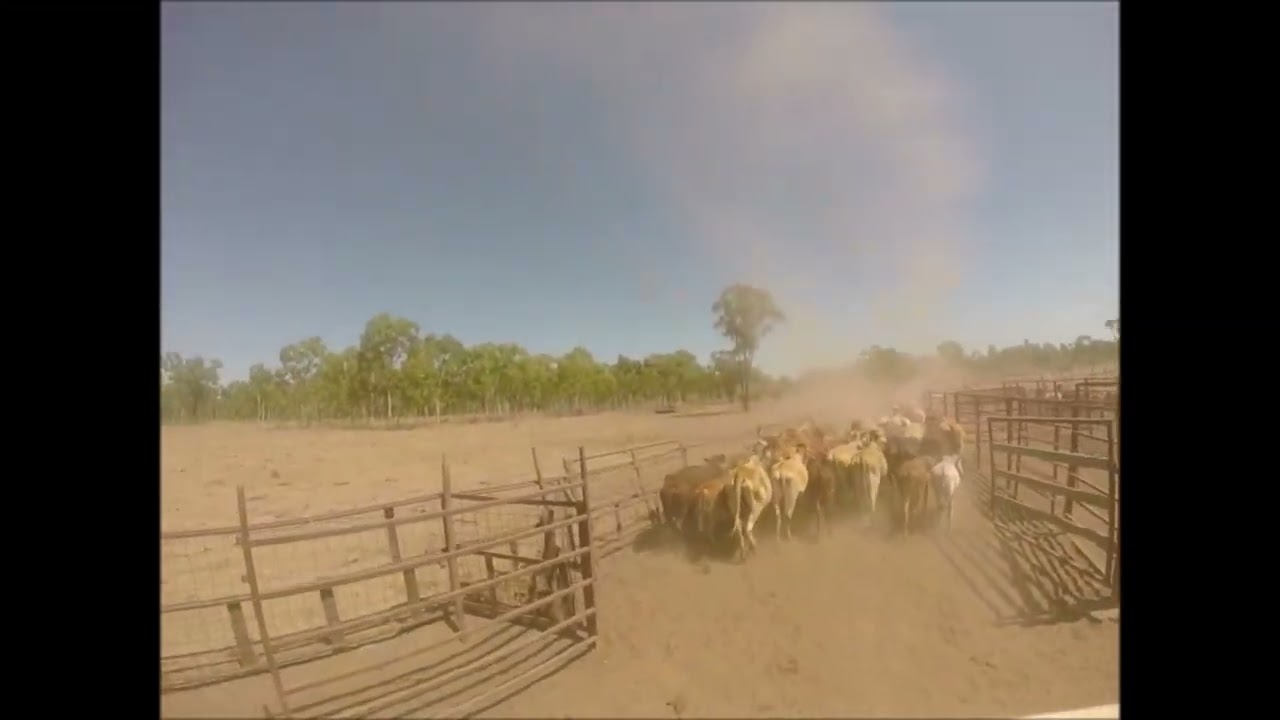
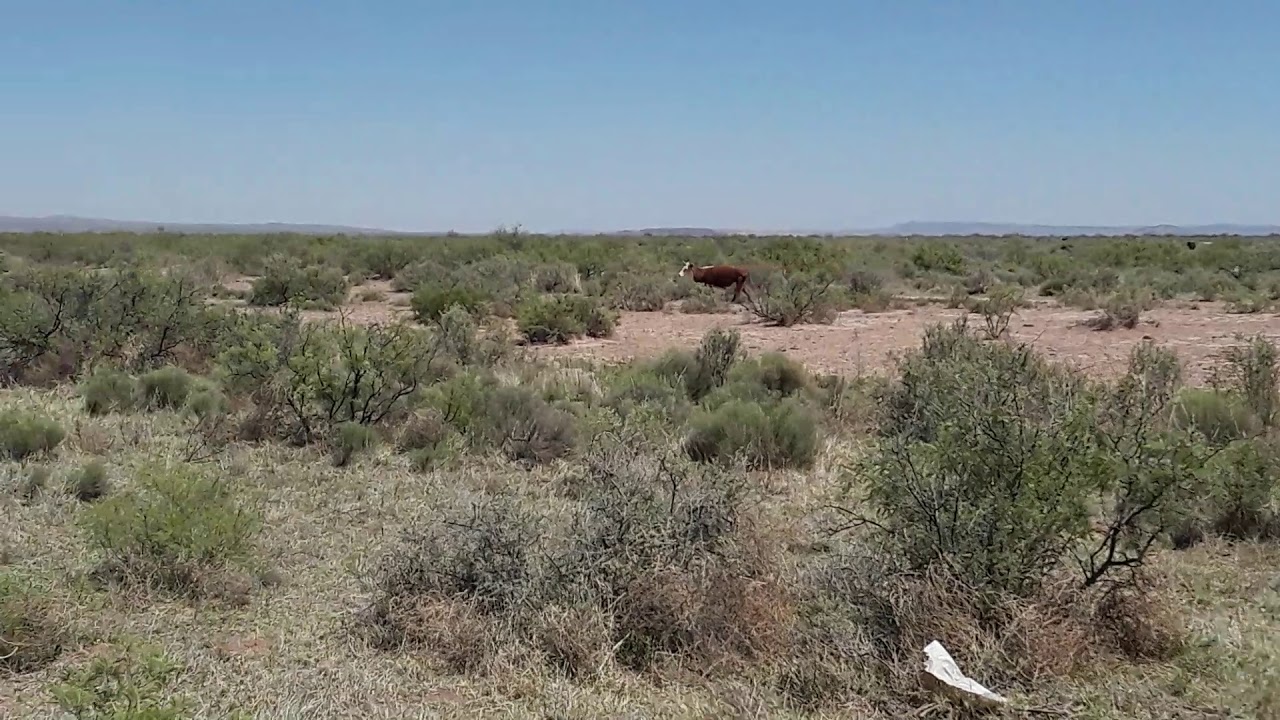
Now I'm going to go off to the side again. Give them a little bit of room. Notice that lead, that bull in the front went off the right direction. I have to come back for this cow. Okay, right there, turned away and she went right back. Let's look at that again because we'll put it in slow motion this time so you can see it because that kind of happened quick. Put pressure on her, a little bit wrong pressure. I messed that up. The cow turns. First move on that horse is away, and she instantly turns back to the cows. If I would have jumped up there and tried to get on her head, I might have beat her. I might have gotten her to go ahead and turn back towards the cattle, but they would have also sped up. And eventually we get all the cattle— or not all the cattle, we get a bunch of them down here going by the pens. I decided let's take them over the pens and put them through. Ah, right there again, there was another little fade turn, and we're just putting them in there just to be putting them in there for general purposes. Right there, as soon as you go away, that cow goes around. And if you notice I'm not putting a lot of direct pressure on. We've got cows laying down in the gate. This place has got that water set up right at the gate so that they kind of ball up there. And this cow, I let it set because there's no way to really get in position on that gate. I'm going to come back and pick her up later. Get up here, get that corner turned around a little bit. They're starting in. I'm going to come back. Said the cow didn't want to go around me. She goes running off. I go off to the side again. She turns back into the, into the herd. And there they go. Okay, we thought about leaving these cattle in here overnight and, and doing some work with them, try to get some individual stuff. Then we have a cow down here calving, so it was like, well, let's just kick them out and Send these over towards water. So I got a little bit of motion, that front started to go, and then they stopped to look at that cow. I'm going to go back up here towards the front, kind of straighten them out from going to that cow. Now watch what happens when I go, go up the side. There's going to be here in a second, there'll be some cows speeding up and going fast, but they slow down when they catch up to the other cows. They do not go running past them like they'll do, you know, if you get a dog running a cow up, or you get to chase them up with your horse, and they will take off and— They'll go. Pass up 2, 3, 4, 5, 15, 20, and that gets that motion going between all of them. Now look at that, those 2 right there, I'm back to that Hereford. Catch up, the Hereford speeds up. As soon as she's caught up, she goes back into a walk and everybody slows down to whatever speed that she's going. I'm not doing anything. You don't have to push them. That when they feel like they're too far back, they'll run up on their own. If they don't, get out there in front of them and go against them. And actually, within a couple of weeks of doing that right there, if you've got a cow that's stuck in the back and it is way back there, you can start trotting back and they will catch up on their own. Now if you notice here, I angled that horse a little bit going to the left away from the cattle, and when they come out the gate, they just automatically wrapped around the way I wanted to instead of going back to where we picked them up yesterday. And they are, they're just moving out. I mean, they may get a little bit of trot in them once in a while. But they're heading right where I want them to go, going to these cattle that are out there in front of them. And I'm going to trust that they are going to go to water to the top of this— top left of the screen where all those big bushes are. That's where there's a dam that I'm going to start watering these cattle on and start putting them together as a herd. And I'm a long ways away from there, just going. Okay, now I'm on the other side of the ridge and above the— right directly above the water. The cattle in the left-hand part of the video had started up. I hadn't even seen that bull. But as soon as that bull saw those cows going, what does he do? He picks up and goes. I'm not going to put any pressure on him. I don't want to make him think that I am forcing him to go with those cows. Then we get in this draw right here. There's cattle up and down this draw, a few of them, and there's a few water holes in there. So I'm getting them down to this water so that They will all water together and we can go to lunch or whatever, but try to make it back at about the time that we think that the cattle are going to want to go off and go back out to grazing. And then we're going to take them out and make them go the same direction. And if you notice that set of pens down there, that's an extra obstacle on top of the brush. That's an old pen that They use for trapping cattle. Now here I am down in the brush, and I'm not crashing through there. I don't want to make a lot of noise going through the brush. You go through the brush, they don't know what it is. They think something is— there's either another cow in there running from them, running from something, or they think that something is after them and they take off running. And Now you got to remember, yesterday all of these cattle were wilder than a March hare. So I'm just easing up here, and it's, you know, you got to kind of pick your way around. But I'm just doing just a little tiny bit at a time. We've got her attention. There she's turning. And she just starts Walking out. Now I've got to ease up in here, and there you go. Get that other cow. But you don't have to make a big deal of a lot of noise and a lot of barking dogs. I love working dogs, but I like my dogs to be quiet when I do have one. They're just starting. I'm not, I'm not doing anything. They just kind of head that way. And you got to remember that some of the cattle that are in here have not been handled in 5 years. That's why they were all running off yesterday. Took it, just took a step there, backed up, gave her time to think, give her time to figure out where she can go through that brush without poking her eye out. This little heifer here, she's kind of cute. She's, she's gotten to the point already in just one day— she was in the bunch that went into the pens— and she's more curious about what you're doing than afraid at this point. Trying to figure out how to get around this bush and head in there at an angle. Or how to do it and keep my horse's head tilted a little bit away from the cow. Just changing that angle of your horse's head sometimes gives the impression on the cow that you're turning away from them and they'll turn. This here didn't need it, just needed to wait just long enough for her to go ahead and turn around. And this quote-unquote gate in the fence isn't really a gate, it's just where the wire is down between 2 posts and nobody ever got around to fixing it. Now that red cow is taking off the wrong direction. I ease up here, find a spot in the brush that I can Get right there. Wait. Like I say, wait for it. And I'm just easing through there. And see, I hit that spot, she turns. Stop and just wait a minute. She goes on around. Now I can go the rest of the way through. And now I am— I'm just gonna assume today— see, I stopped and waited and she turned around and hit that hole. They know where the gate's at, but if they're worried about what you're doing, they're not going to find the gate. More often than not, when a cow misses the gate, it's because the person's in the wrong place and The cow is worrying more about that person than it is the gate. And I'm wanting them to go east, so I just go down the road to the west a little bit, and I can't get through there because there's a fence there. And once I get kind of headed almost the right direction, I'll go back in. And this isn't rocket science. People tell me, well, it can't be that simple, it can't be that simple. And I keep saying, yeah, it is that simple. This is one of the simplest things in the world to do if you just take your time, use these different angles instead of putting a lot of pressure on them. Step in here and pick up this knucklehead. There again, here she goes. Just give her time to see those other cattle and they go to them. Okay, I've got some cattle up above this brushy draw and I'll let them go a little while, and as long as they're headed east towards the fence, I go ahead and get up here and just work it real nice and slow and easy. I'm not going fast. I don't have anybody watching those other cattle up there because once they head on a direction, they may change it a little bit, but it's— you're not losing them. I mean, the pasture is only 4,400 acres. It's got fences all the way around it. They will not get away. So just take it easy and, and set the cattle up to do the right thing. They start out and those 2 cows up there, I'm ignoring them. I may not even see them at that point, but if you watch, they know that that's the other cattle leaving and they just follow. There's a lot of people that say, well, our place is so brushy, you know, it makes the cattle wild. The brush doesn't make the cattle wild. What makes the cattle wild is letting them sit in the brush and never riding on them, and then going in there with a pack of barking, biting dogs and, and a bunch of guys gonna play Cool Hand Luke and charge through there 900 miles an hour. Now here the cattle are scattered up. That cow's going the wrong way. And I turn away from her. Once again, that turn away from her, and it— she turns around to go the right direction. Turn away from her and see, she stops to look like, well, what the heck, aren't you supposed to be chasing me to McDonald's? And she just lets down and relaxes and goes on over. There's no big, big problem if you use these type of turns so that your, your cattle aren't being excited by the way that you're turning them. And you can see up, up ahead further, you can see the other cattle out ahead of them. I'm just kind of drifting them up towards there. I mean, I'm hardly even getting my horse sweaty, and it's in, it's in the high 80s. Sometimes you gotta head right at them in that brush, but then you turn right. The front end of this got to running away. There's some of them cows in from that first group yesterday that were kind of wild, so I'm getting up ahead of them to stop them. I generally like to have all the cattle together, but those cattle are coming up the side of the hill. It's getting late at night. Rather than totally block them up, what I, what I do is I just slow them down till most of them get started grazing. And this is a bad place to be stopping. When you, when you stop your cattle, you got to pay attention to your geography. And you look at this, this has got a steep cut bank going down here. You got one place to cross. Those cattle are going to That are next to there will probably graze across it. And just because they're changing direction to cross it, they're gonna be heading due west. The other cattle up there are gonna be heading north, and then they're gonna have to turn around and, and graze back down. The ones on the south, as these cattle turn west, they're gonna kind of graze over towards them and then try to follow them. But they're— the lines that they're grazing on are going away from each other because of that draw going down the middle. And I come back down here. You can see those cattle up here, the other cattle down in the right-hand corner. I'm trotting on across. All I'm gonna do is pick these cattle up a little bit and graze them more or less towards that bunch, and that's it. That's the night. I'm not gonna sit there and mess with them and try to say, hey, you guys got to be with these cows. You guys have, have got to all be facing the same direction. I prefer for them to be facing the same direction, but the way this situation's setting up, they're not perfect. It's no big deal. There's only perfection in the movies, and this movie is more about reality rather than perfection. So now we're going to go on to day 3. Some of these cattle were up at the top And brought them down. They're headed towards water. Hmm. I am not doing this. This is what they're— they're just doing that. They're headed to water down there. And if we get them all start drinking at the same time every day, then they're all going to be thirsty at the same time. And I'm out here, I'm gonna Just ride off from the side of these a little bit and get these headed towards the other cattle. I'm not in a hurry. Cattle aren't in a hurry, but they're all going to come to get together down at that same dirt tank. And I just ride off. I'm going to go out over here and I'm going to look and make sure I don't have more cattle scattered around. Now here we are in the afternoon. I went out about 2:30 this afternoon. It's when I left the— it's when I left the barn, which is about 2 miles away, to trot back out here. And sometimes your timing's off and you might have a few cows go out early or— and go a different direction. But we're still in the training phase, so we don't really have a set time of exactly when they're going to come off water. So here again, I'm riding away from them, and you can see that Charolais, the wider that, that point gets out there, the more she turns her head, and she's going to hit that trail that goes through the, through the bushes there. She's a little bit leery about it. But I'm just easing up there. I'm not trying to— oh man, we got to get up here, we got to stop these cows, we got, we, we got to get them going. You know, it's just taking it easy, hitting your angles right. Just gonna sit here and wait, ease up, wait a little bit. They turn back up to let them get going. They were slowing down because I was too close. They kind of got into a little faux pas in there of some sort. Give them a second, that Shirley's gonna go on through. I'll let those stand there and I'll ease on up, keep the motion going on these. And then stop and wait. Just give them a second. There goes that one walking around the back. Go up, just put on just enough pressure to start them. Turn away just a step and they turn right on through and away they go. This isn't hard. This isn't Rocket science. Now, if you remember yesterday, what did I do? I set them out going out to the east and north, and that's kind of the way that they're wanting to head. It's Until they see these cows over here in the pen and they're like, oh, well, let's go, go over there. Now see, this is what makes it interesting here, is how to duck underneath this stuff and you can't. If I duck in back of them, let them turn around to look at me, pull back out. And I'm going to duck around them and start them basically from the front of the cattle. And they go on by me and head on out. Now look at the brush. That cow down in there will pop out here in just a second. I'm not having to do anything. I'm not having to ride into the brush and beat up my horse or be Treat myself up, catch a mosquito across the eyeball or rip off an ear on it, they just come on out. It's not any, not any big deal. I mean, they're basically almost doing this on their own. Well, she's peeing. I'm gonna go ahead and I'm gonna give her a chance to pee. I mean, I don't like somebody coming up and telling me I've got to quit peeing in the middle of when I'm peeing, so why would the cow like it any better? All those little things are stress on cattle, and, and that removal of stress is the thing that will Help these cattle act as a herd. There's not hardly any feed out here that you can see. It's all hidden under the bushes. But if you take away the stress of when you're handling them, they don't have to compete on water. Yeah, sure, they might be 100 yards apart, but they're grazing in the same direction. That's how far apart they, they need to be, and they can get all of their nutrition rather than saying, okay, We think— there's that word think— that this is how much feed it's going to take to keep these cattle for a day. Well, that's where people get into problems when they start doing intensive grazing, whether they're considering it to be holistic grazing or regenerative grazing, is they are taking these cattle and— Saying you can only have this much, and that cow may need a little bit more. And this way, with this method here, you can pinpoint basically where you want to be grazing at, but yet the cow can judge for herself how much feed she needs. And rather than, than placing them in one area and going out and trying to figure out the exact spot to put them every day. You have them going up to where they grazed today, and then tomorrow you'll go past that or set them off to the side. So now instead of trying to get that cow to go around, instead of trying to get ahead of her, I just start riding Out of the way, up the hill. Now we're back over on the backside. We got a few of them back here. Once again, I'm just gonna ease up here just enough to get them to going. You don't really— I mean, once cattle start going, most of the time that cattle stop When they start their motion, they start going. Most of the time they stop. They might stop if they found a good piece of feed they're going to eat. Most— more often than not, when they stop, it's because the person that's handling them is in the wrong place for them to want to go that way. So they're either breaking out away from the direction you want them to go in Or they're gonna stop and look at you, and then you go, oh, stupid cow, we gotta make him go. And we jump up there and put the dog on him, or we jump our horse up there, let him bite him on the butt and have him go. And I don't know about you, personally, I don't like somebody biting on my butt to make me go. So there again, yeah, that looks really cool, and that dog's making that cow go. But it's causing stress in that cow that you don't need. I'm just kind of up here above them, just riding just above them enough that they can— that they— all they need to know is that you're there and you're still going in the same direction. Now this is day number 3, and you got to realize, think back to how these cows were On that first day. They were selling out, running. They didn't care really what direction they were going. They were just going. Those other cattle are out, out there quite a ways, and that's okay. They're not running off or anything. They're just out there kind of A little bit of walking, a little bit of eating, a little bit of walking. They're not really up and traveling because I didn't put enough pressure on them for them to really take off. Now they've hit the road, they're gonna start maybe going, but it's still no big deal because that is where we want them to go today.