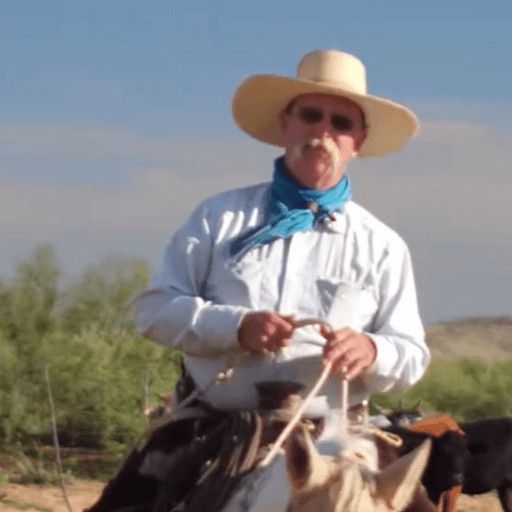
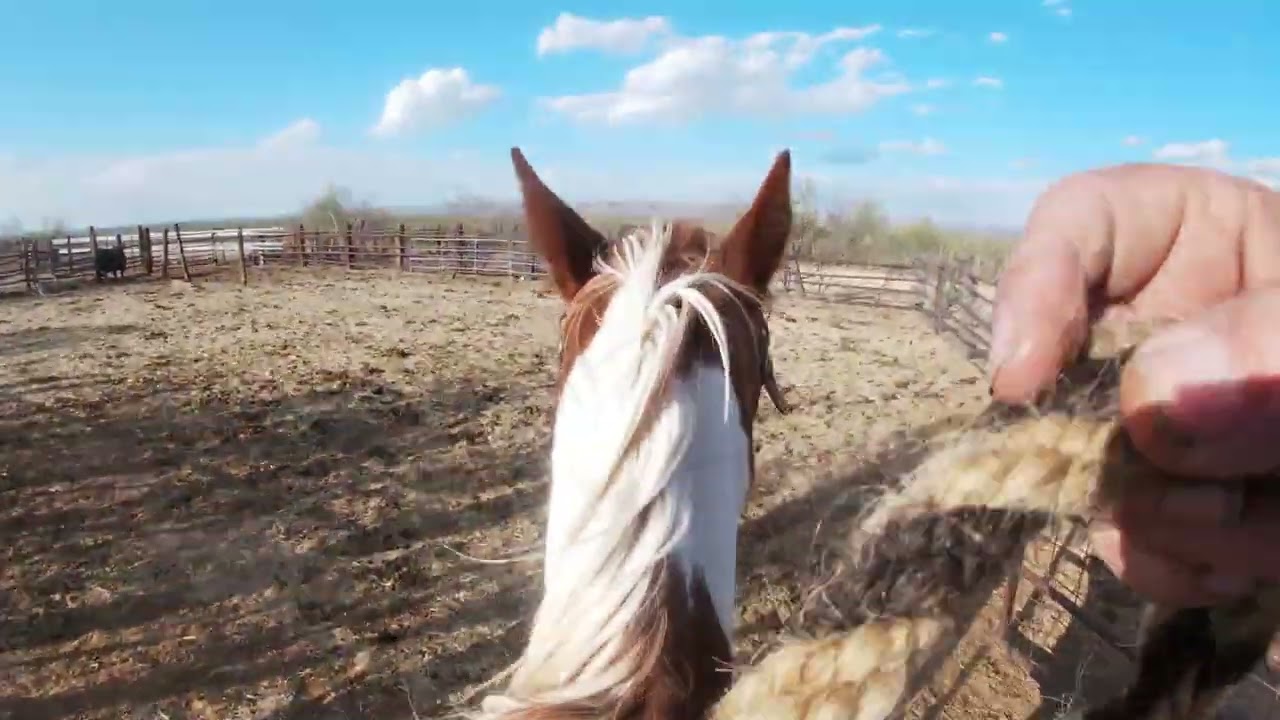
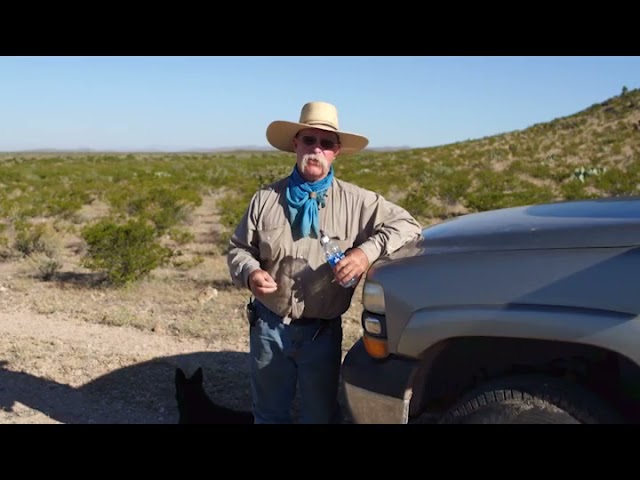
In this segment of the Stockmanship 101 series, the presenter walks through a real‑world cattle handling scenario where a small group of cows is isolated in brush while the main herd grazes elsewhere. He explains his thought process for locating the stray cows, using terrain (ridges, waterholes) to encourage them to rejoin, and deciding whether to move the main herd early or wait for them at water. The narration details the use of hip turns and fade turns to guide cattle directionally, and reflects on how the two groups naturally merged at a water source the following day, illustrating low‑stress herd management. The presenter emphasizes that watching videos alone cannot replace hands‑on practice, urging viewers to apply the concepts in the field. A brief outtake with a second speaker adds informal banter.
Chapters
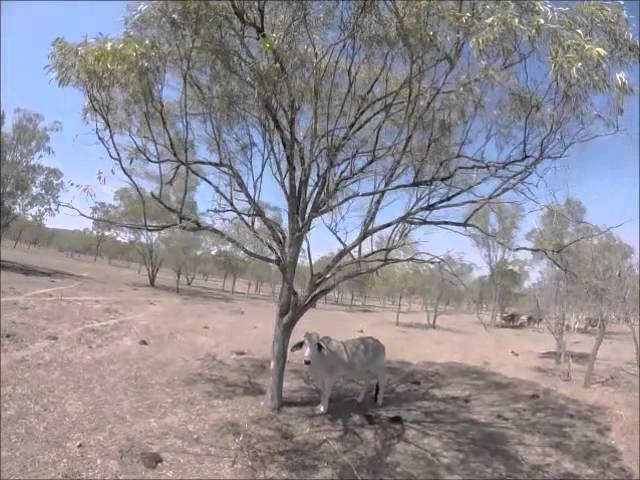
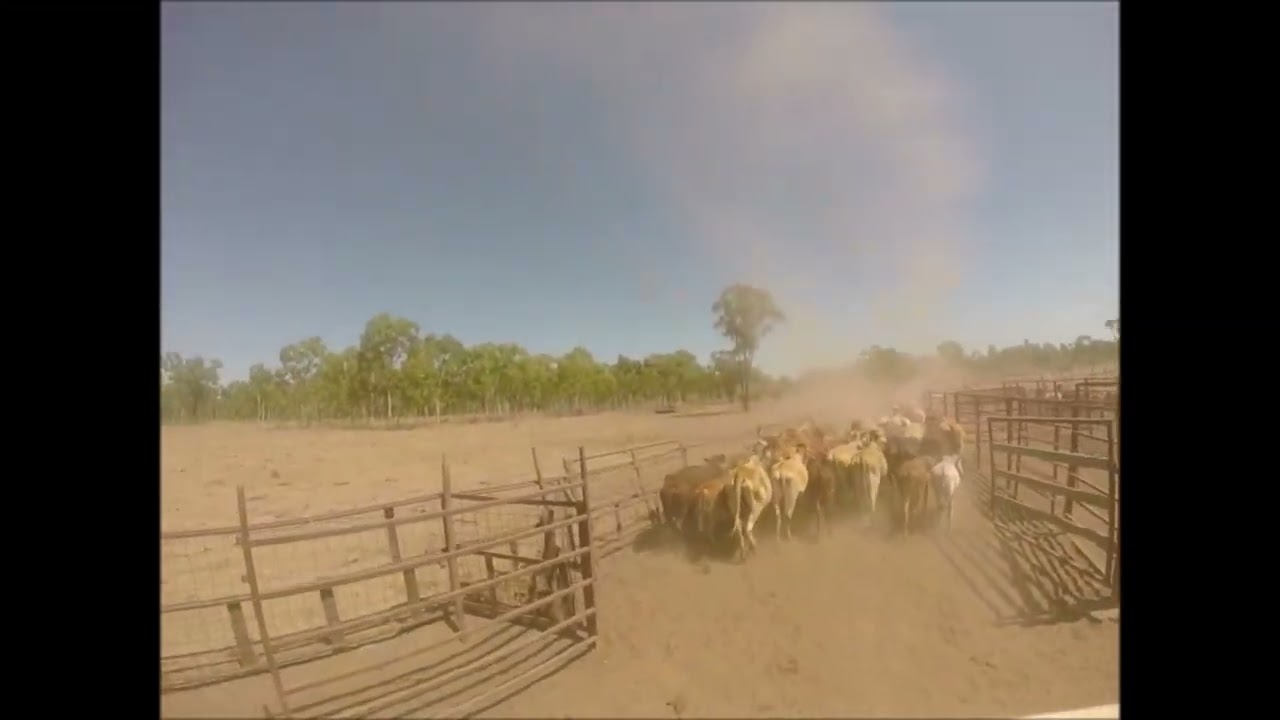
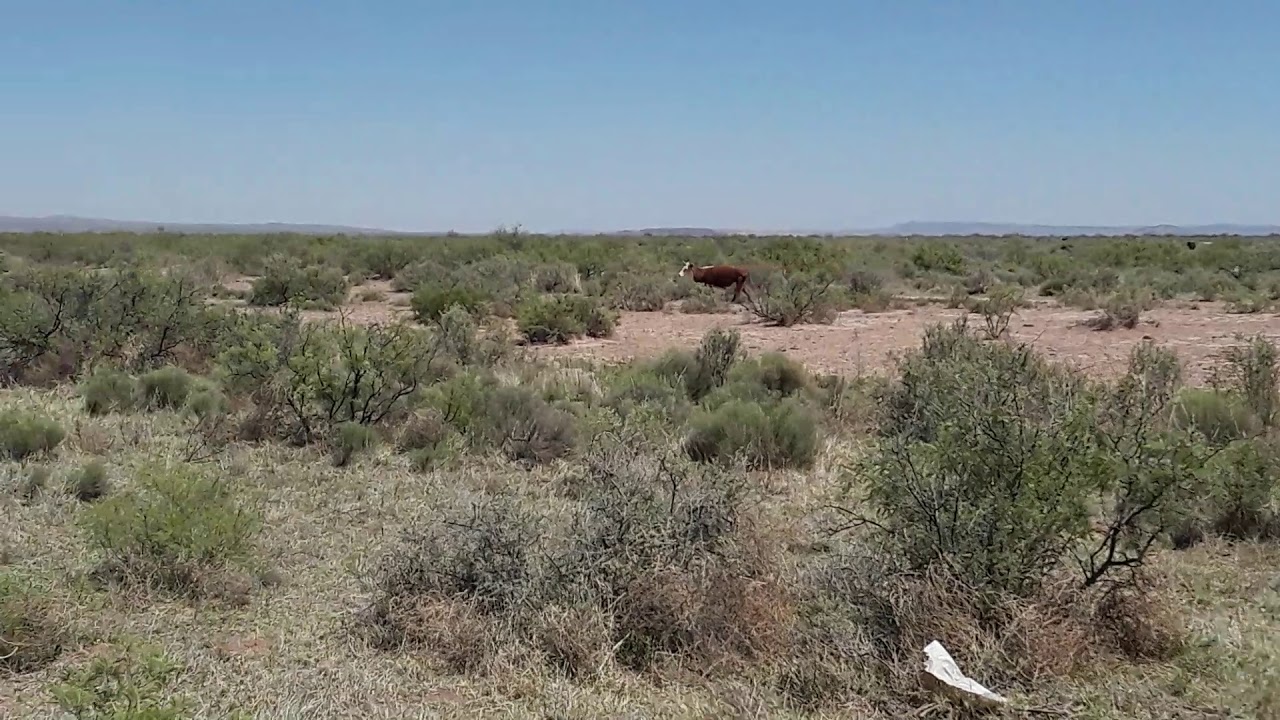
She realizes, oh, I'm not with the other cattle, and she turns around, she goes to the other cattle. Now I'm getting out here. There's 2 things going on, going on here right now. One, I've realized I don't have enough cattle, and the second thing is I know I've got a few more Down in the brush. I've got, I figure, 5 or 6 more down in the brush. And instead of going to get them, I'm going to see if they're going to just come out of here and follow. And I'm going to take them over the top of the ridge today. And when I get these cattle off over that next ridge, what I'm going to do is I'm just going to let them go. And let them go until they decide it's time Time to start grazing. This is the little bunch here that was— sure enough, it was down in the brush and they were sitting down there and they're looking at the pickup and didn't want to come up the hill. So I'm going to take them over and take them to where the other cattle are, which is up here. Now the million-dollar question is, where are the other cattle and are they spread out? This is the one half and they're all up here content. Relatively speaking, this isn't too bad a feed for this type of a place, this type of condition. Once again, they're having to look in the bushes for the feed. But the bushes are a little bit closer in some places, and this area tends to have enough feed. See, they're all kind of grazing out in the same direction. These cattle are acting like a herd. It doesn't really look like much at this point because there's not that much grass. If there was a lot of grass, they'd be tighter. And here we've moved over To the other place, and there's nothing on water. And we're going out, and right there is our friendly little witch cow that, that left the herd. And these cows picked up the motion on her and they followed, and there's the other half of our herd. So even though I made a mistake by leaving that cow in there, leaving a little bit early maybe, The cows that she took, we have 2 herds, 2 sets of cattle acting like herds. If I was actually working on this place and I'm trying to get them to act as a herd, I have 2 choices here. I can come over here a little bit early and go move the other cattle, which would make the most sense. To move these cattle up to where the other cattle are, or I could go out when the other cattle are coming to water and try to force them over here. But picking these up and going to the other cattle and just blending them into there would be less stress on it. And that little black horn cow that's looking back up at the drone— she's that sensitive— she would be calmed down by the time She went at this pace over to the other cows. So even though it's a, it's a kind of a mess-up, it's still good because we've got 2 herds. Okay, in the last 5 days, you've witnessed these cattle going from wild to mild and going from scattered out across the pasture to basically being in 2 groups and grazing. Shh. And grazing as a herd so that you can control where they're grazing, how long they're gonna be grazing for. And just to show how well that cattle will stay in an area if you let them, this set of cows here is an I have a set of cows that I come out and I check on once a week and ride them and push them around to different places for fresh feed. And they can go to the base of these far mountains over here, within a mile and a half of the mountains to the east, and within about a mile of the mountains that are in back of me. So there you have it. Now, you might feel that you watched this video and maybe you learned something, you feel like you learned something, or you feel like you didn't learn something, and that's common on any of this because you can't learn really how to do this by watching a video. You can't learn anything on cattle handling or horsemanship by watching a video. All you can do Is get the ideas in your head and go out and try to practice it. The more you work with your cattle, work on your approaches so that the cattle, when they leave, they go around you, they go away from you, they go where you want them to go rather than go up and force it. Just use these hip turns and fade turns to where the cattle will just turn and go in the direction that you want. And just enjoy working with your cattle because— You've got that and making money with your cattle, and that's as good as it gets. Okay, just as a follow-up to let you know what happened and give a little bit more understanding on the way this process works. The day after we quit filming, and we had them in 2 groups because that wild cow drug about half of them off to the other side, we went ahead and we started on the editing and the narration. And the day after that, I went out to pick up my horses. And I decided, just as a lark, I'm going to go out and just take a look at these cattle and see where they're watering at. The groups had changed size, which would have meant that one group would have started wandering off and joined up with the other group, or if one group joined the other. And as it turned out, the water that the— that last group was watering on, that the wild cow had led them down to, they hit all— every last one of them joined up with the other herd and went back to drinking at that. Waterhole. Dam where we were filming out of. So if we would have wanted to continue with this and take this grazing program, continue with it, and concentrate these cattle where we wanted to, we wouldn't have had to do— done anything more other than just go back down about the time they were going to be coming off the water, place them and leave them, and it would have been done. We wouldn't have had to have done any more work. From those cattle being in 2 groups because they went ahead and they found each other and were going right back to where we wanted them.
Uh, talk a little bit and let me see if that's—
Why do I have to talk? You're acting like this is an interview or something.