Wildhorse 2022 Progression

A rancher documents three years of regenerative grazing on 1,100 acres, showing how cattle hooves and manure transformed bare, eroding soil into productive pasture. Bare ground became a mix of annual and perennial grasses. He planted expired dried beans to boost soil biology and found that better soil reduced weeds and improved water infiltration, even with minimal rainfall.
Chapters
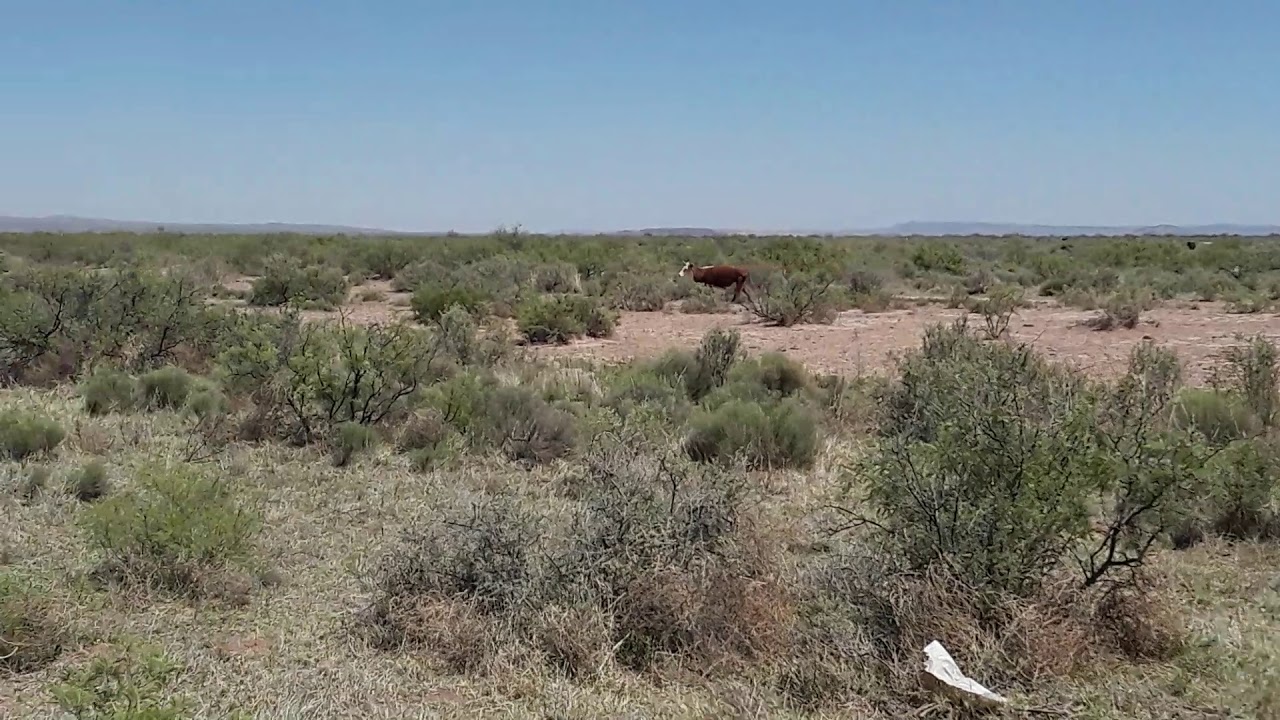
Oh, just a little shot here of some improvements that we've made and what happens with fertility added by cattle and a little bit of rain. Now this area right here all looked like below me. I fed some cotton trash on here last spring and They didn't go through all the contrast the last day or last week that we shipped, so there's a little bit too much on there. But it's got a little bit of volunteer cotton coming up, a couple of weeds. But you get over here on the edges of this and we have an incredible amount of pigweed coming up that is all just Here because of the added fertility from the cow manure and urine and the hoof action loosening this stuff up a little bit. Okay, this area, you follow this on up here, was actually the start of some erosion. Cattle got to Laying down in there a little bit. I threw a few flakes of hay in here and they started laying down and have these grasses started. There's several types of annuals, a little bit of Bermuda, there's some windmill grass. But once again, getting animal impact To go ahead and get this started is change the soil profile to where now this will quit eroding because, well, it's got grass to hold the water back. And if we look out here, all these clumps of tall green that you see are actually different annuals and maybe a little bit of Bermuda grass and A little bit of windmill grass, otherwise known as Rhodes grass. Okay, anybody wondering what that is there? Just doing a little bit of experiment. People had a bunch of beans, dried beans that were expired. How you can expire dried beans, I don't know. But I've taken— putting some of these dried beans here, seeing how it's going to slow up the water. We've had about half an inch of rain or so since that hit, so now we'll see what happens. I think some of these beans look like they may be starting to sprout. So just another little bit of experimentation of adding a little bit of soil biology And working off that instead of chemicals. Here's another area. That was all bare ground in 2019 when I started this, and I haven't had 5 inches of rain yet this year, but yet I'm still building grass. This right in front of me that looks kind of bare is kind of a combination of a few weeds and a little bit of grass. And I'm coming up over here and I've got half a dozen different types of grass. I've got some— a little bit of annuals in here. Got some windmill grass, a little bit of Bermuda. There's a little bit of blue grama mixed in here and ryegrass, perennial ryegrass. And this was bare clear down to that line of brush down there and beyond and all the way back to the brush that you can see at the far end. So once again, all we're doing is we're using animal impact to add to the soil fertility And then let the plants go through the natural plant succession. There has been no seed planted here. These grasses are— is what is in our seed banks that we don't even know they're there or what plants are there until they start coming up. But once you start changing the biological makeup of your soil, Through your animal impact, it starts changing things to where your bare ground will go to weeds, your weeds will go to grass, and all of a sudden you've got feed. And this ground like this with a lot of grass cover is going to take more rain before it starts running off. It's going to go into the ground and make your— Soil. ground be more water efficient, improving your water cycles and your carbon cycles. Okay, this is the other side of the draw that I posted a little bit earlier. This was all bare ground in the summer, spring, and fall of 2020. Just the herd impact, no seed added, and we're getting this side filled in here. Probably a total of at least 200 acres between this and what's on the other side of the draw. Not including the rest of the pasture. And we're looking at, though, probably 1,100 acres in this pasture done without adding fences, without even daily herding, just coming out and looking at the cattle once a week or twice a week. Okay, this area, if you follow this on up here, was actually the start of some erosion. Cattle got to laying down in there a little bit. I threw a few flakes of hay in here and they started laying down and have these grasses started. There's several types of annuals, a little bit of Bermuda, There's some windmill grass, but once again, getting the animal impact to go ahead and get this started has changed the soil profile to where now this will quit eroding because, well, it's got grass to hold the water back. And if we look, Out here, all these clumps of tall green that you see are actually different annuals and maybe a little bit of Bermuda grass and a little bit of windmill grass, otherwise known as Rhodes grass. Okay, anybody wondering what that is there? Just doing a little bit of experiment. People had a bunch of beans, dried beans that were expired. How you can expire dried beans, I don't know. But I've taken— put in some of these dried beans here, seeing how it's going to slow up the water. We've had about half an inch of rain or so since that hit, so now we'll see what happens. I think some of these beans— I think they're going to be okay. Look like they may be starting to sprout. So just another little bit of experimentation of adding a little bit of soil biology and working off that instead of chemicals. This is another area There was a pivot which was completely covered in tumbleweeds so bad that you couldn't drive a tractor through it without high-centering it. This is the 3rd year, and as you can see on this right here, 90% of the green that you're seeing on here is different annuals and maybe 1 or 2 perennial grasses. Coming in. And as you see, there's not many weeds here. That's what using plant succession does, is once you start improving your fertility, the fertility will support the plant life you want, and the weeds, which you don't like, Well, those weeds are basically choked out because of the fact that the soil fertility is too high for them to grow. It's like when you buy a plant at a nursery, it tells you what type of soil you need, what type of fertilizer, how much water. So anytime that you change your soil fertility, you're going to start— Choking out the weeds. Either improving your soil or having it go bad. If you are losing soil fertility, your weeds start coming in, and we try to say these weeds are invading, but all they're doing is filling in the areas where the grass can't grow because the fertility is not high enough. Now you start changing your soil fertility And I'm not talking about chemical fertilizers and sprays. I mean, this is just all animal impact. And this is the result on the 3rd year. And amazingly enough, out of 3 years, I've only had 1 year on this project where I had over 5 inches of rain. So Trying to say, oh, we're not getting enough rain. Well, that only goes so far. You've got to set your ground up to where it will take the moisture and improve the fertility, which makes it more water efficient, and you can start getting the things coming in that you want rather than, than having weeds invade.