Part 3 of 4 stkmnsp101

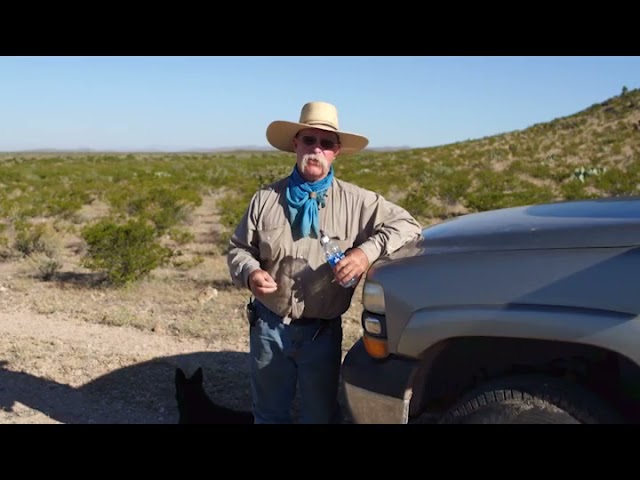
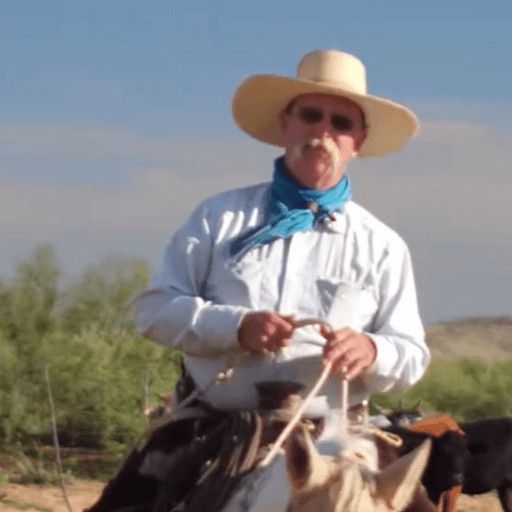
In this instructional monologue the presenter walks through a multi‑day, on‑the‑ground demonstration of low‑stress cattle handling. He shows how subtle body positioning, small directional steps, and an understanding of cattle’s natural herd instincts can be used to move animals through brush, pens, and across terrain without chasing or applying heavy pressure. The narrative covers reading ear‑posture and body language, using the “predator‑mode” mindset (moving away from the herd to draw attention), maintaining optimal distance, and allowing cattle to self‑organise into a herd. He contrasts feedlot versus extensive grazing situations, shares experiences from Australia and previous work, and explains how minimal infrastructure (few water points, no fencing) can be sufficient when cattle are guided correctly. Mistakes are highlighted as learning moments, emphasizing recovery rather than perfection. The overall message is that gentle, low‑stress techniques reduce effort for the handler, improve animal welfare, and result in better meat quality.
Chapters
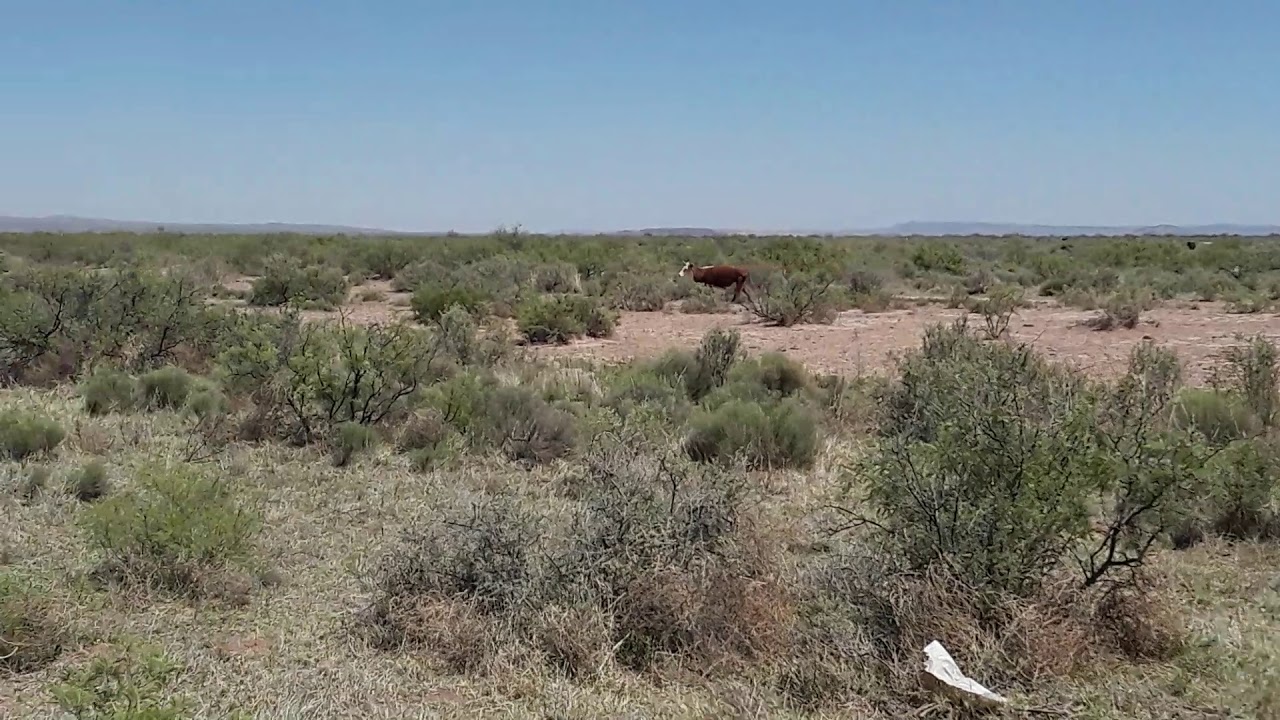
Once again, I get up here. I'm gonna get a little bit closer to them. They kind of know where that trail is at this point. Now I'm gonna duck off. And once again, that just— I mean, that was just a very little slight move to the outside. That red cow turned, white cow saw that turn out of the corner of her eye, and she followed it. And they're not doing it because I'm chasing them. They're doing it just because I'm more or less where they think they want to go. And then you change their mind just that easy. And like I say, All of this works in a feedlot too. Now I'm going to do something just a little bit silly here, just, just because I can do it. I'm going to take them— I've got cattle on the other side of these pens, so instead of kicking these straight out, turn away where they straightened out for that hole in that pen. I'm gonna take them through this pen and around to the other side to the other cattle and then take them all out. Okay, I'm up there a little bit too far. The only person that isn't going to get out too far or never make a mistake isn't doing enough, or they've never done it at all. But see, when I turn around and I go back against them, I'm not chasing them, and they just go up there and follow the other ones. Trot up there a little bit, and then as soon as she gets up close to that other cow, she slows down. Just like traffic. You might get irritated if somebody's not going fast enough for you when you're in traffic, but you really get irritated if you've got— if you're in traffic and maybe you're pulling a trailer with a load of cattle in it and you got a bunch of idiots running up the back of you and honking the horns and blowing by at 90 miles an hour. It makes you a little nervous. And that's the same way with these cows. They don't like the stress of heavy traffic and getting passed up by other cows. All I had to do there was step up in that direction and stop, wait a minute, and they come right back out. I got out of position there. I kind of messed that up. I drove that cow down, down the wrong way. But because the cow is going slow, I trot up just enough to get up here, get in front of her, and stop. Okay. Just a couple of steps, and it's not fast steps. That's one thing a lot of people do. They want that cow to turn around and go, and they'll take a big move at them. And that was at their head, but it was very slow, kind of relaxed, and they go, well, okay. That right there, all I did is take one step and just have that horse move her head around to where it looked like it was going away and she turned. Same way with that black cow there. If you turn that head sharp like that, or just a quick move off to the side when that cow is Going the wrong direction or thinking about it. And you gotta read the cattle. You gotta look at their ears and read and try to beat them to the punch a little bit if you can. Now here I am, I'm coming up the back. I mean, I'm not— you don't have to try to keep them bunched up. And when, when people are trying to get cattle to act as a herd in some of these different projects that have been going on, They want those cattle tight. Here, you gotta figure they have to go between the bushes, from bush to bush to get something to eat. So that means these cattle have got to be spread out more. Now, if it was lucky enough to be in Montana where the grass is lush, or maybe down on one of these holistically run places where they've been at it for a few years and they've got their flats all Real grassy, these cattle will come together really tight. And you have to take and turn around once in a while and make sure in this type of country that you haven't missed anything. Looks like I must see something here. Nope, I didn't. What I thought was a cow was just a reflection off a prickly pear cactus. Yup, it made me go out and ride more, but There was nothing there. But what happened to the cows? They didn't go anywhere. Gonna get up here a little bit and get up in front of them. I want them to stop in this general— or not stop in this general vicinity, but I want them to stop their motion. I want them to start thinking about grazing. That little girl there, she just— she picked up and moved. I didn't have to really do anything, but no, no direct pressure on her. Ease out here just a little bit. And have you noticed, as soon as I started easing out, she turned right straight to those cows? It wasn't pushing her to the cows, it was drawing her attention to where the cattle were by going, by going away from her. When you do that move, it sounds confusing, but if you think about this like a predator, okay, they're trying to get away from the predator and they're running hard, or in this case, if they are sitting there grazing, they go to run. Well, if they see the predator come at them, they're going to speed up. If they see the predator start heading off in a different direction, they're going to go away from it. And the funny thing is, if you watch cattle long enough in a set of feedlot pens, you're going to see cattle actually kind of do a lot of these things by themselves. You know, a boss cow going back of another cow at an angle, and they'll kind of turn around to make sure she isn't going to come up there and beat her up. But it's a language that the cows are using themselves. And not something that a pack of dogs or coyotes or wolves or mountain lion or anything else is going to use, because a mountain lion or coyote never turns off those animals. So if we keep thinking that we've got to go to the head, what we're doing is we are acting as predators. We've got to be able to remove ourselves from the Predatory mode. Just as completely as we can. And these cattle have actually got pretty good motion going up here, but they're moving quiet. You get a chance to sit there and look, maybe whip out your guitar and play some cowboy songs. You don't have to push it and beat yourself up to death. Energy conservation begins with your own body, and the easier you make it on the cow, the easier it is on your horse, the easier it is on you, and the more tender steaks you're gonna make. I'm gonna get up to the front, but— I don't have to hurry, just a nice little jog. And the thing is that one of the things that everybody doing low-stress cattle handling say, if you go the direction of the animals, they're going to slow down. And this is very true to a point. You notice these were slowing down. I'm at the right distance from them. If you're too close to them and you're going the same direction, all of a sudden you start chasing them. If you're too far away, they just ignore you completely. So you need to gauge your distance, and that is going to be different with every set of cattle. It may vary, as in this case here, day to day. If you remember back to that first day, that first set of cattle that that I was trying to get over to that track to put them underneath the trestle, I was a quarter mile away from them when I turned them. And some of those cattle may be right up here in the lead and they're slowing down as I go by them and I'm nowhere near a quarter mile away. As long as you don't go to chasing them around, cattle will Generally settle down a lot faster than people give them credit for. There are those cases, you know, if you get somebody that has got cattle that are about half wild and they're out there in them horseback all the time since their cattle are wild, they get extra help, people with four-wheelers, and they're out there charging around. The cattle get worse and worse and you can actually, from You can turn those cattle around and have a nice calm set of cows, but it may take you a couple of years. If you have cattle like this that, yeah, they haven't been handled much over the last 5 years, but they haven't been handled wrong, they settle down pretty fast. When I was in Australia last year, we had cattle that were— we were picking up that were 3 and 4-year-old Cows and bulls both that had never been handled, and they were pretty much about like these cows right here were within about this same time frame of just a few days. These cattle are pretty much slowing down to eat for the most part. Some of them are kind of facing the wrong way a little bit, but I'm not going to worry about that now. You don't want to be If you go to adjust one side, you put pressure on a cow, she takes a couple steps over, and then it may be a delayed reaction of a few seconds, but then you get another one to go over, and then another one to go over, and then pretty soon you got something way out on the far side that they move over and they're heading the wrong way. Then you go and you correct that one and it just goes right the way back through. It isn't much. You don't think of it as much stress, But it's just enough to make them to where they're not going to want to be anywhere around each other. Most of these cattle are eating. This little bunch over here is not really looking like they're really relaxed yet. I'll get up here and I'll just hang around for a little bit. Turn away from them. Let them realize that you're not going to them to do anything with them. Now they're heading right over there, kind of turning towards those other cattle, even the ones in the back. These ones in the front are the ones that are— they don't quite know what to think, but they're turning. And that's good for day 3. When I say it's simple, I mean it's simple. If I can figure this out, you know, I figured— didn't figure this out. I just got lucky to be handling enough cattle by myself and just accidentally Stumbled on it and then wondered why my cattle were acting this way and experimented with it, and that's all it took. As you can see there, they got to go a few feet in between pieces of grass and now in those bushes. That white cow there, she's got her head buried down in the bush because that's where the grass is. This country's a little bit harder to get a grazing stop on them because they don't have enough grass to stop and eat. And all these cattle, I mean, like I say, there's still a few of them that are turned the wrong way, but they are basically going in the, in the same general direction. You don't want to take the flow out of them like you do if you're— okay, we want you to sit right in this one spot. Because sitting in that one spot, they're not going to get fed. They're not going to get enough feed to keep them going. So they've got to be allowed to graze as far as it is to eat and get filled up. And in this situation, you're also— because they've got to look for the feed underneath the bush, you can graze through that same place 2 or 3 times, and then they'll get to all the feed. Okay, this is day 4, and in the auspices of being honest and being able to show you how much less work this is, we came up on the ridge today and just kind of looked down there and we just decided not to do anything with these cattle. We just let them all come into water. So basically where we have been coming out here and setting up or making them come in at the same time, today all we did is go out there about when, when I think the cattle are going to come out. And they're already getting used to the fact that, okay, we're going to go, the other cattle are over there and they're turning over. Working my horse plumb to death. Them over there. They're just going. I'll sit there and I'll wait and I'll watch. And today's gonna have to be fairly short because we do have some thunderstorms coming in. But when you look at how much fencing that you would have to put up to make this work through the gullies and the brush and trying to keep that fence going, It'd be almost impossible. But one person come out here and spend a couple hours in a day and you've got your cattle moved and you're also able to scout out for grass. You're not having to spend anything on fencing. If you wanted to do it, you could actually run a water line into this dirt tank and keep this water fresh and water this whole side of this— this side and this basically end of this ranch off of— or this pasture rather— off of this dam. And there's another dam on the other side of the pasture that can water the other half. These cattle, they can go quite a ways. And people keep saying, do you have to have 900 feet between waters? And that sounds good, but it's actually way more water points than you need. Now this situation here, we're coming up and I'm letting those cattle go, and I've got cattle down that lane. So once I get these cattle all going out, I'll ride down the lane on the outside to bring these cattle up, but I'm not doing anything really to force them into doing it. And if you notice, that is the same direction that I sent the cattle out yesterday, and they were relaxed enough about it that they're going out there today. I didn't have to You turn them there, they're just going, oh, we're going back up there to where we were yesterday. And once these cattle get trained and you've got more feed where you can let them go back to the same exact place every day, they will do that on their own. You can let them go for 2 or 3 days. Now that heifer there didn't want to go, and I just moved my horse's butt over towards it just a little bit. She moved up Now she's watching me, and she's just gonna walk off here in a second. In the meantime, I'm walking down here. I walk up this fence. I can't get all the way to the cows, but I got just enough movement there to get a little bit of motion. And those cows just automatically, because they know they're supposed to be with the rest of the cows, because that's what cows are supposed to do, They get up and they walk towards them. None of it's rocket science. It's just working with their natural instinct in the way that they behave like cows instead of some sort of a bovine World Federation wrestler or something. You don't want them fighting you. They don't need to be fighting you. They only fight you if you're fighting them. I'll just sit there and looking. I put a little bit too much pressure on that calf and he passed up 2 calves and then slows down and he just, he's relaxed again. Now I kind of messed up there. I went up just a little bit too far, and what did I do? I turned those cat— that calf the wrong way. That was 100% my fault. I can't blame that on the calf. I'm the one that put the pressure on, and it wasn't much pressure, but it was just enough. So now he's trying to find a hole in the fence. Angle away from him a little bit. Don't speed up and chase him down there where he busts through the fence. He turns and he's running back down. Kind of hit a little bit of an angle there to where he'll go back down the fence. And he finds the gate on his own. Didn't have to have any cutting horse or world champion cow horse. They'll find the gate on their own if you give them the chance to find the gate. Anytime you keep trying to make them find that gate, they're just gonna— they're gonna be watching you more than they are where they need to be going. As you can see here, we got a pretty good little thunderstorm starting to head in. And in this bunch of cattle here, this is part of— these are that bunch that from the first day was fighting. And if you look on here, there is a black cow that's sitting there by that bush looking at me over the top of the other cow. And this witch, I have been kind of fighting with her on my way over here every day. You see her and she goes running off, and I'll run out and I'll block her up a little bit and maybe turn her. And then once I got her to where she's standing still, I ride off and leave her. Today she joined the herd, and I'm about ready to make a big mistake here. And mistakes happen, but it's not whether or not you make a mistake. Everybody's going to make a mistake. It's how you recover from the mistake. And as you can see there, I'm quite a ways off, and that little horned blacktail there is looking at me, and her attitude has got the rest— has got about half of the rest of these looking at me. And I'm easing down just real slow. I don't want to have her just bust away. Get down here kind of in front of them to where when I move up to the side a little bit, they are going to want to go back towards those other cows that are all kind of slowly working up the draw. Now there's a gap between the front cattle and the back cattle. That is no big deal because those back cattle are still grazing towards the cattle in the front. Now I'm out there in the front and you can see that, that cow, she's got her head up a little bit and she's just looking right square at me. Thunder's starting to kind of Pop a little bit in the background once in a while. I've been hit by lightning twice, so I don't want to be turned by that third strike. And as soon as these cattle get to grazing down that way, I'm going to go ahead and back off. But there she is, she's got her head right around that butt of that red cow and she's looking at me. I got just— okay, just far enough back for Her attention's a little bit diverted towards those other cows, but this cow isn't wanting to be part of the herd. She's wanting to get away from everybody so that she isn't being picked on by the big bad cowboy. She still hasn't figured out that, that I'm not gonna be chasing her. I'm not gonna be jumping out there and roping her, and it's gonna make a difference on day 5. Okay, we're putting this in here just so you can kind of see the, the view from the brush of what I've been kind of rolling with getting these cattle off the dirt tank. I've got these cattle back here. You got to try to figure out a way and approach To get them to go the way you want. Now I'm wanting to go to the right. I can't really get around them right, so I'm gonna cut through here. Yeah, where do I go? Where do I go? It's like the old cartoon, which way did you go, George? Which way did you go? And once I get through that mess, I'll stop for a second, get my horse to unhook her cheekpiece off her bridle off the bush, step up here just enough to get them to turn. Now they're kind of going off, but I've got that angle on them coming across the bushes, and they went around me. It's like trying to figure out which way to go here. I'm going to put just enough pressure on this cow for her to look up. I'm not going to try to make her go across the water. Look up, and when I back up, she turns around and goes to the other cattle. Not putting pressure on her, but taking that pressure off of her after she's had just enough pressure for, for her to have to look at you.