How To NOT Be A "Starving Artist" (My Perspective)
Lennon Bone argues that starving artists fail not from lack of skill but from poor storytelling and packaging. He points to examples like Coolman Coffeedan and Bob Dylan, and cites Seth Godin's insight that people don't buy drill bits, they buy holes. The real move: define what your art means, build experiences around it, state clear beliefs, and cultivate an audience of true fans.
Questions this video answers
Lennon Bone
September 8, 2020
$1,000
Chapters
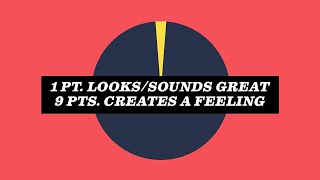
So what constitutes this idea of being a starving artist? So I think it's pretty simple. It's somebody that just doesn't make money doing what they do. But why is that? Is it because they're not good enough at the craft? I want to argue that you don't actually have to be good in the technical sense to be a great artist. There's a lot of really, really cool people that I follow that I love. One being Coolman Coffeedan, if you follow his stuff on Instagram. I was actually short once, just like you. Well then. But then got these AirPods. I mean, as you can see there, I think he makes hilarious stuff that's really entertaining. But it is so basic in terms of the shapes and the things that he's using. I also really like Skye Baines, who's somebody that I follow on Instagram too. She does really cool, inspirational work that is driven more by the words than it is the image. As for music, some could argue that a guy like Bob Dylan has very little skill set in terms of being good. You know, the guys voice isn't that great. He's not a great guitar player. I mean, when you look at the mastery level that we see from some individuals versus these people that we still love, I just can't get behind this idea that the reason somebody isn't making money is because they're not good enough. So just being good enough or not being good enough isn't really the thing that makes somebody an artist that is either successful or a starving artist. So what else could it be? So when I think of great art, I think it's one part looks good or sounds great, you know, the technical side of it. And it's nine parts feeling. It just creates and evokes some sort of feeling. And feelings. While color palettes and sounds and all of these things do help evoke some sort of feeling. I don't believe that they're necessarily the entire package. What I think evokes a feeling really comes down to your experiences and your beliefs. It comes down to this story that we're told alongside of either the artist or the artwork. When we look at what art has been and what it is now. The consumption of art through things like social media is completely different. If you go to an art gallery like you used to in the olden days or pre Covid times, you're looking at this thing and you have an artist depiction or like a description of what they were thinking about where they their mindset was when they created this piece. Now you go on social media. And some people do that, but the majority of people don't. They just expect that because they have this thing and they posted it online that somebody is gonna connect to it on a deeper level, surely by visualizing it and seeing it. But art in and of itself has always revolved around these ideas of experiences and beliefs. Are we trying to change somebody's mind on something? Is there something we feel really strongly about? And that's what allows other people, the appreciators, the fans of, to be able to attract themselves to this piece? So I believe the first step in not being a starving artist is just understanding what your art actually means or what you're trying to say. I think you have to learn how to create experiences for people through social media or live events or things like that. I think you also have to learn how to communicate in a way that allows people to relive experiences either with you or you're telling other people's stories that allow people to relive other experiences. And you also have to draw really blatant lines in the sand to say, this is what I believe as a person. You can either agree with me or disagree with me here when it comes to me. Like, I wholeheartedly stand against these hustle mindset people. The people that believe you have to buy ads to be some big hotshot thing, or the people that believe you need to have the biggest following, you know, that you need to create popular art to be able to make a career of what you do. I just don't believe in any of those things at all. I believe that now is the best time that we've ever seen to be creative, individual, and that there is an audience out there for you. I believe all you need is a thousand true fans to be able to make a living from your art doing the thing that you love to do. And just like any great business, I believe more artists should start to diversify their revenue streams so that they have more opportunity to make money doing work that's meaningful to them. Now, there are plenty of people that are going to disagree with me and say that doesn't stand behind what art has always been or what artists are. Again, completely disagree. But for some of you, that made you feel something. Either you don't like me anymore, or you may like me a little more. Right? But how do we sell these feelings? So if we're trying to make money, how do we make these feelings and then sell them? Seth Godin, who's an amazing marketer and strategist, talks about this idea of the quarter inch drill bit. So he says if someone goes into a hardware store and they buy a quarter inch drill bit, they're not actually buying the drill bit. They're not. They're buying the hole that they're making, and they're not even buying the hole. They're buying the shelf that they're building and putting on the wall, but they're not even buying the shelf. They're buying that feeling that they get when the guy comes in, he builds this thing, gets all the stuff off the floor and into this organized, set up, perfect situation. And his wife comes in and gives him a kiss and says, thank you for your hard work. He's buying this sense of accomplishment and prosperity, pride. People buy feelings, they're not buying things, they're buying the end result of that thing. So if somebody's selling a portrait, they're not buying a portrait, they're buying a piece of themselves. They're buying a story. And you have to be able to tell that story so somebody can connect themselves to it. So the thing that I want you to start thinking about here is how does this thing that you're creating make you feel? Even more importantly, how do you want it to make someone else feel? How do you want it to make the viewer feel and start to talk about those things? Then think of this. How would you want this person to feel if they purchased this from you? So understanding that feeling as well is really important. I helped my wife design these portraits that she did for families. And so the thing that we talked about was how you're not buying a portrait, you're buying a collaboration, an opportunity to remember your family in a tangible way, to remember the joy that you have in this moment, to remember the hardships that you're overcoming. Right? So these are all feelings, these are descriptives of things that we want people to feel by the end of that. Now, how do you make them feel that you create more experiences? So for her, she did a great thing where she would call the mom and talk to them and actually discuss what they want from this thing, why they feel, what they feel. Talk about these things like the conversation, the relationship, all these extra opportunities to connect with people, make all the difference in the world. There is no reason for you to be a starving artist anymore. You have every opportunity to use the skill sets that you have, to box those up into sellable pieces that you can either create artwork or services or anything like that to be able to actually make some money. You have opportunity here more than you could ever imagine. You just have to start believing in yourself and searching for those opportunities and seeing what you can put together. And that's why I'm here, is to help you do that. So I brought up this idea of my wife and how she started selling her portrait. She made a thousand dollars in a week putting these things out there. I think this is totally worth checking out. And this just talks about all the things that we put into place to make this work. So go watch this video, and I'll see you over there.









