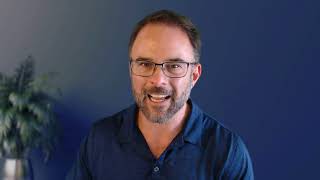
My Investing Message To My Younger Self (And The Lessons I Learned the Hard Way)

In this 30‑minute interview, host Josh talks with AI consultant and investor Brad Costanzo about how his understanding of economics and personal experience shaped his wealth‑building philosophy. Brad explains why the fiat monetary system erodes cash value, the importance of moving money into assets that outpace inflation, and how his early mistakes—margin‑trading loss in the 2000‑dot‑com crash, risky natural‑gas well investments, and volatile crypto swings—led him to adopt a risk‑averse, preservation‑first mindset. He champions Bitcoin as a scarce, decentralized store of value that protects against money printing, while also holding “trophy” real‑estate in Portugal for lifestyle and cash‑flow benefits. Brad breaks down six core investment risks (price volatility, dilution, fundamental downturn, corporate mismanagement, liquidity, competition) and shows how Bitcoin mainly faces only volatility. He discusses private‑equity and angel investing, emphasizing due‑diligence, illiquidity, and the need to invest only what one can afford to lose. For newcomers with modest capital, he advises building an emergency buffer, studying Bitcoin, and allocating a small, situationally‑dependent portion to higher‑risk assets. The conversation also touches on AI’s rapid impact on business models, the importance of distribution, IP, and talent as defensive moats, and Brad’s broader mission to accelerate intelligence across financial, social, and artificial domains. He closes by sharing free educational resources (a Bitcoin Quick‑Start Google Doc) and contact information for his consulting firm Accelerated Intelligence.
Chapters
So I've got another incredible guest today. I've got Brad Costanzo. Uh, he's of Accelerated Intelligence. He's, uh, one of the leading AI consultants out there. Uh, so if you're a business owner, then definitely, you know, reach out to Brad. You know, Brad's one of the smartest guys I know when it comes to AI. He's always staying on the cutting edge. He does this stuff 24/7 around the clock because he loves it. So he is ahead of the curve and he can help your business as well. But today we're going to talk about Brad's position on building wealth, and we're going to dive into, you know, some, some of his knowledge, some of his strategies, some of his tactics. And this way you can leave this episode, uh, grown just from listening to this over the next 30 minutes. So I'm super excited to dive in with Brad today. Uh, Brad, welcome to the show.
Thanks for having me, Josh. Love talking about this stuff.
Yeah, I'm excited. You know, I've been excited to actually connect with you about this because there was a Facebook post that you posted that just I really loved it. It resonated with—
I just pulled it back up.
You pulled it up? Yeah. Well, you know, um, why don't you tell people about that post?
Yeah, so in that post, it was back on September 17th, right? And, um, and by the way, today is— we'll have maybe a little bit about AI, but because I want to show kind of how it will play into wealth building, but, uh, it's not about AI. So, um, back on September 17th, uh, it was the day that the, the one of the most recent times that the Federal Reserve came out and dropped interest rates by 25 basis points. And I just made a post and I said, you know, most people have no idea what this means because they have very little or no economic literacy. And that's understandable because, um, modern economics, which I do have a background in— my degree was in finance and economics. I've been interested in investments for a long time. But one of the things I'll get to a little bit later is how I was always misguided about the role of investments and how it cost me probably a fortune, guaranteed a fortune. But I said, you know, most people don't have financial literacy or economic literacy because modern monetary theory and Keynesian economics, which many people may not know what that is, is purposely opaque and confusing. So you don't even understand it. Because I said, look, if you know, if you have no assets, then the price of everything else goes up and you're left holding the bag. And it's not the fault of the president or the GOP or the Democrats or anybody else. It's really the system that is broken, right? It's this— we live in what's called a fiat monetary system, which means that our currency is backed by absolutely nothing. And a lot of people think it's still backed by gold. It's crazy, you know, that, you know, Nixon took that away in 1971 officially. And, you know, I think it was in 1946 that Roosevelt was the first one to kind of start to sever this. And to 90% of people that I talk to, especially the average person, they don't really know what that means. They don't know what it means to be living in an economy that really— like, our economic system as we're living in it now is like 50— what is that, 55, 54 years old? Like, since 1971. And if you have assets, you do well. If you don't have assets, you go broke. And this is really what's happening. And it sounds really fundamental, but like, well, what are assets, right? Well, you know, assets are places to park your money because since the money is not backed by anything and we all know that the government keeps printing money and printing money. Actually, that's not true. The government doesn't print money. Banks and people print money. But it's a huge myth. But as more money and more money and more money gets printed, all the money that you're holding on to gets completely devalued, right? So that's why prices are going up. Prices aren't going up, the value of your money, what you're— the purchasing power of your money goes down, going down. And, you know, a lot of people, if you start to study economics and you start to pay attention and things, it starts to click. But I've noticed for the vast majority of people, and myself included, with a finance and economics degree, I never actually thought about that and what it really meant in, um, real-world terms. And so this was a really long post that I made, and, you know, you can share it with anybody on there. But, um, you know, I think the key piece is me trying to educate people to what it looks like in this economy where money will continue to be printed, which means the value of the currency will be debased. Money has to go somewhere. So if you don't have any money, you know, if you're just earning paycheck to paycheck, this is You know, it's hard because you have to earn, you have to earn your money and then save your money or bet your money gambling or bet your money in really risky crypto things because people are running out of options and AI is accelerating that. So they're swinging for the fences. Many are losing. But if you do have assets or you can start to try to acquire them, this was the big shift that it took me a while to realize. Like when I was growing up, I thought buying assets was so you can make more money. And so you can get wealthy. And, and it's actually— yes, that, that does happen. But the real reason you need to buy assets is because you have to get out of cash. You have to get out of the savings because that is a guaranteed way to lose. And then what that does is it forces people into becoming investors when oftentimes they have no business being an investor. The average person doesn't study investing. They don't know what it is. They just know that so-and-so is buying houses, so-and-so is buying index funds, or Bitcoin or whatever. So they throw their money in there. And I was doing the same thing. I was putting money away and investing, you know, since my 20s to make money as opposed to avoid losing my ass in the existing system. And it wasn't until much later in my life where I realized that, wait a minute, if I, if I focus— it's almost like, you know, you know how fear drives us more than gain? Like all people, like pain. I was living from this, oh, I want to, I want to get rich, I want to make a whole bunch of money. And I, so I made stupid mistakes. But if I was, if I, if I was leading with, I want to avoid losing money, and the easiest way to lose money is to hold cash, then I would start to look for places to park my money that are good long term, that go up every time money printing goes on. And I would, I would put it there, and I would not try to get rich. I would try to not get poor. As a byproduct, especially if you lead with that risk-averse mentality of like the goal— like Warren Buffett said, the number one goal of investing is don't lose money, right? But most people, myself included, never did that. It was like, but if you do, it makes you look at your investments more, um, closely. And what is— and you start to really understand what is risk. I had no idea. I used to think volatility is risk. Volatility ain't risk in most cases, but it starts to make you study the things and then it makes— it gives you that imperative. I need assets because in this existing system, which is rigged, we do not live in a capitalist economy. We are living in a complete aberration of a crony capitalist, part socialist. We're not a capitalist economy. And in this absolutely messed up economy, it's imperative to get your assets in a place that are protected, but they also will grow faster than inflation. And this is a really long-winded way, but it was like I had these real nuanced realizations that, um, my motivation for investing— even though I've invested and I've made some money and I've lost a lot of money, uh, have been great— I was doing it for the wrong reasons until maybe the past 5 or 6 years, and that made all the difference.
Yeah, it was a very pugnant post. Yeah, I lost you for a moment, but you're back.
We were talking about, uh, was there a moment we were talking about the Facebook post? And I was saying, you look, I could read the whole Facebook post. It's kind of long. I don't know if people want me to just recite a Facebook post, but—
oh no, yeah, I actually was more interested in finding out more about like your background and, you know, something that happened in your lifetime over the last 10, 20 or so years that shifted your mindset, you know, around building wealth. Because it sounds like you had some events happen in the past. It did.
And, you know, I'd love to—
for you to share more about that.
Yeah, so it kind of ties back into with what I was saying, um, my motivations for investing. So, uh, when I was a kid, my dad was a financial advisor, um, and stockbroker. And so we bonded over him teaching me basic stock investing and, oh, here's how you understand a balance sheet. It was really cool. And I started to like investing with the kid, like stock investing. And I was like, oh, I want to work on Wall Street someday, etc.
Uh, because this is cool, just like that.
And this is the way to make money. And that's all I thought. I was like, this is cool, I want to make money. Like, um, I want to be Bud Fox in Wall Street, right? So, um, and I, so I majored in finance and economics. And, you know, after college I actually became a financial advisor with Prudential Securities and picking stocks and mutual funds and balanced portfolios, etc. And back then, I mean, they drilled it into our heads when I was like 25 years old you know, people with money, their number one goal is not to make a lot more. Their number one goal is to not lose what they've got. So the more money somebody has, typically the more conservative they are, although they have like some— but in my 25-year-old, you know, not rich mind, I'm still thinking, I don't know, the reason to make— to invest is to make money. And so, you know, and back in, uh, back in the late '90s, I was, you know, you could throw a dart at a board at a tech stock and, you know, doubles, and Cisco at any price, all that kind of stuff. And I started buying on margin 'cause this is cool, like this is easy money, right? And then in 2000, everything, what was it? Yeah, 2000, everything started to fall apart and I lost everything. So I had like at 26 or 27 years old, I probably had $120,000 to my name, which is amazing. And then I lost 100% of it and I was back to zero.
Wow. Okay.
Yep. So then, but you know, I'm an entrepreneur, I figure shit out. So I started investing in real estate, flipping houses. And, um, that was maybe like 2004, 2005, and I started to make some money. Luckily I did not get— because I was not buying and holding, I was just kind of rehabbing and flipping. Made some money, money back, cool. And then, um, um, all right, I'm out of debt, I'm back, I'm back, I got like 6 figures in my account. And then a guy down the hall from my office owned, uh, oil exploration company and talked me into a couple natural gas wells, which to this day it They should have been well, but I ended up— I thought I was going to invest like $20,000 or $40,000 in it, ended up investing over $100,000 because they have things called cash calls, and I didn't know what this was. And I was looking at this with the— with greed, greed lens. Like, I want to make money if this works, right? It looks relatively low risk. If this works, I'm gonna make like $6,000 a month, like passive. Cool, this will be great. Again, and I'm like, son of a bitch.
Wow, gotcha.
I'm gonna learn one of these days. Then, then I sat back for about 10 years. I barely invested my cash in the, uh, stock market at all. Like, after the 2008 crisis, actually, I made a bunch of money back doing something else, like working, because, you know, I've had this like yo-yo thing with my wealth. And, uh, I keep on realizing, like, you know, I'm doing something wrong. Like, I'm a smart guy, why do I keep on making money, losing money? What the hell? And then, um, but I invested in myself, in my business, so I made a bunch of money back then. Then came crypto, right? And then, so I started dabbling in crypto, dabbling, in like 2017, watched it go up and down, ignored it. In 2020, I started to get real serious and I started to go all in. And guess what happened? I remember after about a year and a half, I was up a million dollars in profit, uh, you know, off of maybe about a $300,000 investment or something like this. And then about 6 months after that, during the crash, I was down, um, about $250,000 negative of principal.
And I'm married.
My wife is like, bro, like, bro, I don't know if you call me bro, you know.
Okay, my wife, my future wife calls me bro sometimes as a joke.
Yeah. And then so, um, and then it happened again. And this time I actually thought I was being wise. I was reading about all the crypto tokens and coins and Bitcoins and the Ethereums and all these other little things. And at the time when I was up like a million in profit, I was like, oh, I'm gonna put, you know, 50 grand in this crazy token that I think is gonna rock and roll. Because at this point, 50 grand was like, I don't know what, 3 to 5% of my crypto portfolio. I'm like, eh, I lose it, big deal. But then when it all goes down, that 50 grand, all of a sudden it's not 3 to 5% of my portfolio. It's like, I lost that. And it's like, no, that actually was like, you know, what you got left, that $50 grand would have made a big difference. That may have been, you know, 10% of your portfolio, right? So, and so now I'm sitting here and I had a come-to-Jesus moment, right? And I was like, okay, I really have to look at what the hell I'm doing. And when it comes to crypto, there was one thing that still stood out. I had Bitcoin and I had a bunch of other stuff, and the majority was in Bitcoin, luckily. Um, and I started to realize I made this mistake a million times thinking I'm smart, getting blindsided. I still believed in Bitcoin because I'd done enough. I'd probably studied that more than anything else. And so I sold all my altcoins, which we like to call shitcoins, right? I sold them all because I started to see— I saw through the matrix. And I also started to really study economics, Austrian-style economics, like real, not Keynesian crap bullshit that we live in right now, but Austrian economics and understanding the way the money works. And I started looking to Austrian economists like Mises and Hayek, etc. Started reading books from Bitcoin, like hardcore Bitcoin maximalists, like where it's like Bitcoin only. And it— I just went back to first principles and I really understood the reason that all these altcoins and crypto go up is because people are looking to gamble. The reason Bitcoin is going up is the nature of— if you don't understand Bitcoin, this may not make sense, but the nature of Bitcoin, it's scarce, It's the most powerful decentralized computer in the entire world. It does what it's supposed to do. And the reason it's going up is because the dollar is going down and it's a damn near perfect sponge for excess liquidity in the market. And the more I studied it, the more I realized that two things. I didn't know what the hell I was doing. And the reason people— the reason the real people who are making a lot of money buy Bitcoin and they hold it and they don't leave, they realize that Bitcoin has no top because, you know, the— there is no bottom to how low the purchasing power of the dollar or euro or whatever can go. And all the people making good money, they were sitting back patiently and just slowly siphoning money from a broken system to an unbroken system. And they realized volatility, long-term view, which is called like a low time preference, long-term view escape the broken system and find the system that's the least broken. For me, it was Bitcoin. Now, Bitcoin's not the only thing I have. Bitcoin is still my absolute all-time favorite asset for reasons. It is so hard for me to invest in.
That was gonna be one of my questions is, you know, what are your favorite assets? You just answered one of them.
Yeah. So, and the other— so the two places I have most of my assets— well, three besides cash. I do have cash, like, you know, keep, keep liquid for a, uh, yeah, emergency buffer.
It's kind of nice.
And you got to— yep. Dry powder, opportunity comes. Um, what I call trophy real estate. So trophy real estate is real estate that is— somebody's going to always view it as a trophy. Um, no, I could go out and buy, you know, 10 different houses around, you know, in the Midwest or whatever, and, you know, lower, lower houses, and, you know, deal with renters and, you know, appreciation, and it's great. Nothing really against real estate, but those aren't trophy assets. A trophy asset is something I might want to live in. So I, I had started to think about, well, what would I buy, etc., back in like '21. And, um, one of my friends and now clients, um, from internationaliving.com, they, uh, they, they help people find international real estate in resort locations that have high cash flow potential and are awesome. So I ended up buying a property and then a second property over in Portugal on the coast, southern coast of Portugal, right by the beach. Um, great terms, like, you know, about $500,000 for one, $600,000 for the other. One of them, I have a 30-year mortgage in Portugal, Portuguese bank, 30-year mortgage at 2.9% interest.
Oh wow, nice.
No, 2.1, 2.1, even better. The second one is about 3.4%, which is lower than about half what I can get over here. And what these things are, I have somebody manage them, they're cash flowing. We go visit, we stay in it, and someday, you never know, may retire in those. But it's a trophy asset because people all— there's always going to be rich people and they're always going to want beachfront real estate, right? So I look at that as a trophy where worst case scenario, like, I even— I rent my existing home in San Diego. We rent it. I— but I live in like a $2.5 million house for, uh, a fraction of what it would cost to live in this place because we have a killer deal. But so I put my assets in trophy real estate and Bitcoin and cash, got a little bit in the stock market. But it's really hard for me to actually justify investing in many stocks when I know what Bitcoin is. I can put it in there and I can most likely outperform it, especially if I've got a time horizon more than 4 or 5 years. So yeah, I've greatly simplified my investment thesis to a really, really large degree.
Okay.
Peace of mind. Uh, it's like if I were to sum it up, it's like the reason to invest is to avoid losing money. The easiest way to lose money is to keep it in cash. So if you want to avoid losing money, find the assets that have the lowest risk-adjusted return. But then— and I feel like I'm on a soapbox here, so stop me if we want.
No, you're good.
But, um, but then understand what risk means. So a lot of people, especially if they don't have, you know, they've never invested in, you know, Bitcoin— I'm most— I'm sure most of the people here have invested in, you know, stocks and real estate and crypto and stuff like that.
Yep, yep.
A lot of people see, you know, shit, uh, Bitcoin is like $98,000 today. It's down big. It's down like 21% from the high recently. And a lot of people like, oh my God, it's so volatile, that's so risky. Like, what is risk? You know, right, right. If I'm not— if I don't need to use that money right now, and I don't Um, but I do believe that the trend will continue because I know what it is and it'll continue to go up. And if I hold it another few years, it will be a lot higher than it is. Then volatility doesn't bother me. I don't— you know, volatility is only risky if the money you put in there needs to be used for something else for your lifestyle soon. And so to me, what risk is means, you know, One is existential risk. Like, there are many businesses who've gone out of business, right? If you look at the past, you know, every decade, it's like the Dow Jones 30 switches, you know, who's in it. And there's a lot of businesses that go out of business— Kodak, Blockbuster, all these companies that we thought were going to be around forever, they disappear. AI— welcome.
I've got fun memories at Blockbuster.
Yes, I hear it. Uh, AI is accelerating the risk of these companies going obsolete. Yeah, companies, everything. Like, like AI is a very, very big risk. So the uncertainty of investing money in a company when you don't know it'll be around tomorrow is enormous. You've got management risk, supply and demand risk, regulatory risk, you know, tariff risk, currency risk. You got all these other risks. With Bitcoin— and this actually comes up to a— like, I— this is a text I sent today— with Bitcoin, the only risk for me is that Uh, something will dramatically change with Bitcoin's network and like wreck it, which hasn't happened in like 15 years. But like, there's no management risk, there's no real, you know, I mean, there's supply and demand risk, like demand risk if people stop wanting it, but hasn't happened yet. Keeps on going up and up and up. And I'm like, I don't have to worry about all these things if I can stomach volatility. I'm good. So my buddy Steve, who is also, you know, He's got Bitcoin and, you know, he's a bit more, um, goosey than me on this. So he sends me a text today and I'm just gonna read the text. He goes, um, something about, hey, you watching, um, you know, you watching what's happening? And I was like, well, he goes, Brad, are you watching? And I looked at the market today, I was like, I wasn't, you a-hole, but I am now. Thanks, Dad. And he goes, oh, you're welcome. And he goes, have you got your stop losses in place? And I go, no, this money's just in the vault. And he goes, so no matter how far it falls in this bear market, you ride it and hold? Volume's off the chain. And I go, I rode it to $16,000 last time and bought more. Likely I would only sell in one of three cases. Number one, I really want to— want or need to buy something else more, or I have like a major thing I have to, you know, fund. Number two, something fundamentally changes with the Bitcoin network. Fundamental. Like, it's— if it changes overnight, like, oh crap, the whole thing.
Yeah, that could definitely impact that.
Yeah. Or number 3, the government or the governments decide, you know what, we're just gonna stop printing money. We're gonna, you know, we're gonna go back to a sound hard money system, and we're not just gonna print money for infinity. Now, you know, number 3 ain't gonna happen. Number 2 hasn't happened yet. Nothing's fundamentally changed. And, you know, if there's something I want to buy more or I need to buy more, technically I could borrow against it. I'd also sell it too. So that's my, that's my investment thesis there. And honestly, I'm probably done buying real estate, with the exception of if I find a smoking deal on a place or I find something that is just like lifestyle Hell yes, gotta have it. Like maybe some amazing land and, you know, some stuff I just really want to do with it for, you know, something truly amazing. And by doing this, by just hacking it away to the first principles, understanding what risk is, understanding to, you know, just get out of this broken system as quickly as possible.
Yep.
Made more money, I've slept better, and these things don't faze me. So now the advice I give to anybody is, it's one thing in this system, buy assets with the best risk-adjusted return and understand what risk is for you. Because if volatility risk is something for you, then don't throw all your money in Bitcoin. All right. Maybe you put a bunch in cash, maybe you put some in real estate, maybe put in Bitcoin, maybe buy AI stocks and S&P 500 and you diversify. That's fine. But I think a lot of people miss these first principles. It took me a lot of money made and lost through the years, and trying to make a bunch of money and be greedy, I would have been, you know, looked at those assets closer and maybe just held on to them instead of like buying and selling and doing other stupid stuff.
But, well, what would you say to someone that is, um, you know, very risk-averse and, you know, holds on to their capital, like hoards it, you know, is very afraid to lose it because they've worked hard for it? You know, what would you say to them about how to approach risk?
So similar to what I was saying is like you have to define— first of all, it depends where you're starting, right? Like, so let's say if you have $10,000 to your name, you know, I say, you know, that's a whole different story than if you have a million or $10 million to your name, right? So, um, number one, have an emergency account. There is nothing worse than being paycheck to paycheck and then having to whore yourself out for a paycheck doing something you don't want to do that's hard to escape, which is the majority of the population. So get your cash buffer, uh, I like to say at least 3 months living expenses, ideally 6. It provides the peace of mind and it quiets the noise so you can make better long-term decisions. That's number 1. Number 2. So by the way, and that allows you to stomach volatility more. So if you define risk as volatility, but you know that, look, if this goes down, I can still live for 6 months if I lose my income. You're right. Okay, now I can invest in slightly more volatile stuff because I'm okay. And then the other piece on risk is think through, like, what are all the different types of risks? And so I actually, I did another, um, uh, I'm gonna— I'm looking this up on my own, um, Facebook history. And here, January 13th, 2022. And this is a short one, so I'm going to read it. Too risky, I said. All investing involves risk, some more than others. When investing, there's a few important risks to be aware of. Number 1, price volatility. Price could be up or down when you need to get out. Number 2, dilution from additional equity issuance. So that could be when a stock price goes up, a lot of companies issue more stock to raise more money. Right. They're like, hey, you know, this is basically like printing money. They're like, hey, our stock price is up, let's issue more shares. But when they do that, it, it dilutes the existing shareholders. You know, if you had 1% of a company and they double their stock amount of stock out there, it's now cut in half. And like, wait a minute, you know, my stuff's worth less. Um, and that also happens, right, if you're holding cash and the government issues money, they're diluting you. That's a risk. So your purchasing power goes down. So price volatility, dilution from additional issuance. Number 3, a downturn of underlying fundamentals. Something changes in the underlying asset that makes it less valuable than it was before. For instance, when Netflix started to come out, they started to eat away at Blockbuster. Blockbuster didn't pivot, and their asset was a lot less valuable because, you know, a competitor—
yep, yep.
Corporate mismanagement. Idiots in charge of something. They make mistakes. Somebody does something really stupid. Maybe they get indicted for fraud. But yeah, you introduce people, you introduce greed, and you introduce mistakes. 5. There's only one more. Two more. Liquidity risk. You can't sell when you want to. That's a big risk in real estate. Right. So let's say you need some— real estate is the most complex thing to buy and the most complex thing to sell. Nobody sells real estate. I mean, very few people sell real estate, you know, and get cash the next day unless you're selling for like a 60% discount to a cash investor, right? Hard to get your money out when you need it, but that's a risk. Like when—
yeah.
And 6, there may be some other ones, but I think these are the only ones that I know of. Competition arises and takes market share. No, see, iPhone versus Nokia, something better comes along, and that's really related to the downturn of the underlying fundamentals, but something better comes along. And what I said then is, look, there's other risks too, but those are the big ones. Bitcoin has exposure to only one of those— price volatility. But that's also a feature, not a bug, because if you've held on to it for any 4-year period, I believe maybe 4 and a half, since its inception, you're up.
You've—
nobody has lost money if they've held on to Bitcoin for like 4 years. Therefore, I said, I would argue that Bitcoin is not a risk asset but it trades like one, thankfully, because that volatility swings both ways. You can't have something that's only volatile to the downside unless it's just going to zero.
Don't think zero—
well, the price you pay for it going way up, you know, what goes down, you know, what goes up will come down. Well, what goes down will come up as long as everything else is in place. And that's how I look at Bitcoin. And so that's how— those are the ways that I definitely define risk. So any time you're looking at an asset, all right, look at price volatility, ability to be diluted. You know, angel investments. There's a lot of people who've invested in early startup stage capital, and then that company raises money via angels and VCs and dilutes the early shareholders to basically nothing. Right. Downside of underlying fundamentals, corporate mismanagement, liquidity risk, and competition arises and takes market share.
That's great.
So if you know what those are now, you can start to look for investments. Right. And then if you kind of barbell this with, I've got my riskier investments, maybe they're more volatile, maybe I've got a few moonshots, but then I've got my cash on the sidelines to make sure I'm good, you know, if crap hits the fan, then, then I should be solid. And I think that then the best investment to make, though, is in your own skill sets and your own ability to be resourceful and make money in any market regardless of what it is.
Yeah, no, I totally agree with that. Number one for sure. Um, how do you feel about 5 to 15% of your portfolio being in private equity investments? And also, what advice do you have for anybody considering a private equity investment?
Um, so with private equity, there's multiple ways to do private equity. Yeah, there's angel investing, like, hey, a friend of mine has a startup and I'm going to throw some money at those. Those are the riskiest things you can do. And I've got Yup, some good money and some angels that have been sitting out there for 7 years and it looks like it's going to do good, but I can't cash that in. Very illiquid, right? Private equity, which is maybe, uh, private equity is typically more established, like you're investing with players already who know what they're doing. Maybe they're buying other assets that are, that are, uh, you know, I, I'm investing in the management, I'm investing in their track record, I'm investing in the underlying fundamentals of this. Et cetera. Uh, private equity is big risk, big reward, but, but those risks are corporate mismanagement, illiquid.
Uh, yeah, some of the things you said. Yep.
All those other things that are there, right? Um, yeah, private equity is a great non-correlated asset to other stuff. So in when you're diversifying and doing asset allocation, some of the best things you can do is find assets that go up when others goes down, or that, you know, they're just not correlated at all, like —right. I may have— let's say I've got like 60% in S&P 500 and 10% in cash and maybe another 20% in riskier investments. Like, I didn't even mention Bitcoin or whatever. Like, maybe I have some crypto tokens that could 10x or 100x, or maybe I've got some private equity. So private equity is not always dependent upon the market because it's just— right— upon are they executing on the vision for the, uh, companies. Yeah, you're running, and those are private, right?
Is it a good team, a good business owner, a good entrepreneur? Can it— can they continue to weather storms? Because there's going to be storms. And are they continuing to grow and execute like you said?
Yeah. And that— when I was talking about what are the main assets I invested, like, I have a little bit in a, you know, like a private— it's not a hedge fund, but it's a privately managed portfolio. I got real estate, I got cash, and I have a significant amount in this angel investment, a lot more than I wish I had in there right now, but it still has the ability to, you know, be a unicorn deal. So cool. Nice. So that's kind of how I look at it. But at the same time, I'm not looking— like, I don't personally look to invest in more private equity unless it's just so sexy and I'm like, this is— this looks good, I believe in all aspects of it, I'm going to put some money in there. But I'm only going to put money in there, you know, that I can afford um, to lose. It's not right, wreck me. And, um, yeah, so that's kind of how I look at private equity. I think, I think it can be good, but it can also be a crapshoot. So weird. Were you just waiting and it came back? I was actually talking, so I don't know if it's my connection, yours. I mean, mine seems to be fine. I don't know. But anyway, we were just talking about private equity, so if you want to say, whoops, we just had a glitch there.
So, okay, well, we just had a glitch, but we're going to continue now. Uh, so we were just talking about private equity and, um, how to properly risk assess private equity and, um, how it should be included in your investment portfolio. Um, you know, question kind of related to what we were just talking about, Brad. Um, you know, if someone were to come to you and say, hey man, I've got $25,000 to invest, you know, how would you— how do you recommend that I invest this? And they've got, you know, 90 days of a runway sitting in an account so they can afford to invest that $25K. You know, what, what recommendations would you have for them?
Well, the first thing I would do, and I would kind of— this goes back to my financial advisor days— is I would, well, tell me what else you've got. Like, if, if you've got 90 days runway and only $25,000 and nothing else, um, I'm gonna say, well, number one, what are you trying to accomplish? Right, a bunch of money. Are you trying to invest for the long term? Uh, are you planning a big purchase over the next few years? Are you, are you going to try to buy a house with that? Like, are you— maybe it's a husband and a wife and they're, let's say, 30 years old and they want to buy a house and they're going to need a down payment. They don't want to tap into that 90-day runway and that $25,000, you know, they needed to grow, um, much more stable. Because they can use it versus, look, I got 90-day runway, I got $25,000, I want to sock it away and make sure that I'm good over time. In that case, I would want 100% just say, study, buy Bitcoin, study Bitcoin, buy more Bitcoin, right? But study it. Don't just buy it without studying it because people who buy it without— and I don't want to just be like, oh, Bitcoin proponent, but there's reasons that I believe so much in it. The people who buy Bitcoin and do not study it sell their Bitcoin way too early, and that wrecks people when they're buying in Bitcoin. The more you study it, the more you go, okay, I know what I own and I'm going to wait this out. I'm going to lock it away for 4 or 5 years even though it's perfectly liquid. But that's, that's what I would technically tell them. Okay. But let's say they've got 90-day runway. They maybe they own a house. They've got an affordable mortgage payment, they don't have anything major they're planning for, they just want to, you know, they want to, you know, just accrue wealth. I would probably still say buy Bitcoin. Or, you know, if this, you know, if this private equity deal looks really good, maybe do it, but just understand there's a lot more risks there. And typically swinging for the fences should only be done with a smaller portion of your capital. Than everything else. So if that— and let's also say that they've got 3 trophy properties and a half million dollars in Bitcoin or whatever, and they got $25,000.
Yeah, different situation.
Put it in— it's 100 situationally dependent on what they've got, what they're— what they want in the near future and the long-term future, and what they're willing to stomach.
Yeah, I'd say, um, if there's a sexy, you know, private equity investment opportunity that produces passive income right away and has an opportunity for wealth building in the near future, um, you know, and they've done full, you know, risk assessment, due diligence, etc., then I think that that's a, you know, definitely a great, you know, great ball to, you know, swing at.
Um, otherwise, private equity that starts to produce money right away, like, those are the best because, like, right, and once more, I'm kind of throwing in private equity, angel investing, in like I'm lumping them together. Like, angel investing is typically not liquid at all, and 99.9% of the time it's not generating cash flow. They're trying to get off the ground. A lot of times private equity can be like, no, it's private equity, it's a private company, but we're producing income. So if I can— it may be riskier because it's not as liquid, but let's say I'm putting in $25,000 and this thing is making, uh, $1,000, it's paying me $1,000 a month. I'm like, well as long as I believe in this company, that they're going to be around for 2 years, I'll at least make my money back, right? And then once more, that's assessing the risk, right? Assessing the features of that investment. Like, not all private equity deals are the same, you know. There's a lot of people— good example, um, Tai Lopez and his group are under a lot of, uh, you know, scrutiny right now. I think scrutiny would be a fun word for them. But, you know, they were swinging for the fences. We're gonna go out and acquire— we're gonna raise a bunch of money and acquire all these failed brands and we're going to revive them, etc. And I don't think there was going to be immediate cash flow. Maybe they promised it, I don't know. But, um, that's a lot different than saying, listen, I run— like, I'm really good at running and operating businesses, acquiring and running and operating businesses and scaling them, etc. And I've identified these ones that are, you know, within a short period of time they're going to be cash flowing, or immediately, blah blah blah. It's like, oh cool, that's a totally different story. Like What are y'all invested in? I better know it, believe in it, and I better understand it enough to know what those risks are. Will AI obsolete it, right? If somebody— That's a big question for sure. If somebody comes out with a little software program that does, hey, I've got a cool AI software program that manages all your social media for you, that might be cool. But I'm looking at the— I'm looking— and there might be a big need for that in the market. At the same time, things are advancing so quickly. And other companies are able to do it better and faster and cheaper, there's no moat, right? There's no protective mode protecting that. So I'm gonna look at it.
Yeah, you're touching on definitely a topic that's top of mind right now. I even just in the last 24 hours came across like an agentic AI software that overlaps with one of the features that we have in mind for our future agentic AI software that we're building, that we're looking to finish the MVP MVP by January 2026, specifically for, you know, Shopify physical product e-com companies, because it really fits into our e-com aggregator, creates a moat, helps us, you know, have more value as a company because we want to take the company public and maximize its value in the public markets in 2026. But, but yeah, man, I mean, it's, you know, it's, it's a delicate direction to go in because there's lots of competition. There's people developing software on the weekends overnight, you know, half the time with bot coding these days. And, um, and you really have to like move fast, have something, have something that is highly differentiated.
And, um, on top of that, you have to be— I worry more about the big incumbents. Like, the— okay, the more niched down you are, the, the smaller your market, your total addressable market is. However, the more broad you are, the larger it is, but the more of a target you are for either let's say OpenAI, Google, Anthropic, somebody else, Microsoft coming in buying you, awesome. Or just saying, that's a really great feature. Our code, our engineers are gonna add that to our platform as well. And that's happening over the past few years with AI is a lot of really innovative new softwares come out and somebody bigger goes, yeah, we do that now too. Yeah. You know how I use the whole like AI to generate your social media content, et cetera. There's a lot of companies out there that do that. Google in Google Labs just came out with a new little small app called Pomelli, P-O-M-E-L-L-I. It's 100% free. You go there, you enter in your, your domain name, it goes and it scrapes all of your information and it creates social media posts for free. And they're pretty darn good. Wow. So, okay, Google goes, thanks for the idea, guys. Now that we can buy you, or we can— we can just build you overnight.
We've got the developers and engineers in-house.
Yeah. And the only things that would, um, position you to be bought instead of, um, instead of competed, like, obsoleted, is a couple things. You have distribution that other people don't have. Like, you are plugged in, and it would cost them a lot more money to go get the distribution that you don't have. Distribution is king in, in markets. Number 2, you've got IP that they cannot just steal. Like you've got rock-solid patents and they want to— they just want to buy the patent. It's 10 times easier. Or you've got talent on the team that somebody wants to buy. And that happens. In fact, that happened recently. I think it was— I can't remember if it was Meta who did this or OpenAI. It was somebody. I think it was Windsurf was the AI coding tool. And, uh, I don't know if OpenAI might have bought it. I don't remember. It was one of the big, big incumbents. They didn't buy the company. They didn't buy Windsurf. What they did is they bought all of the individuals. In essence, they hired the owners of the company, and I think they bought the IP, but they didn't buy the company itself. So all the big shareholders, they got new shares in— let's say it was— let's just say it was Facebook. They got shares in Meta and Facebook. And they came to work for Facebook and they made like $20 million each or $200 million. It was something ridiculous, right?
But all those tech companies in Silicon Valley are just trading people back and forth.
Yeah, so I could put money in that and they might just buy the people. So let's say you've got a company, and this is a risk, right? Like you've got a company, you've got some world-class AI engineers and other people else like that, you guys are creating something. What's to stop some of the big guys? Like I may have $25,000 in your thing, maybe I own half a point, and you own 51% of the thing, everything belongs to you. Says, Josh, we'll give you $200 million to bring you and your top 5 engineers over and just work. And then, and maybe we'll even buy the IP from you, but we're really just hiring you to come over and build this stuff over here. Um, that's a risk if I own half a percent and then that thing goes to crap. That's what happened to the people— I think it's Windsurf— that happened to them. And it's a real risk. So investors have to be aware of that, but also the founders of businesses like yourself and private equity you have to think about that. Like, will I get obsoleted? Will I get purchased? Can I IPO? And these days things are moving so quickly, you know, sometimes just getting purchased as opposed to IPO can be better. But, um, yeah, it's complex. So when it comes to wealth, I steer away from complexity unless I'm doing it with like swing-for-the-fences money.
Yeah, yeah, yeah, for sure, for sure. Well, man, this has been a great conversation, but I want to be respectful of your time. I know we're already a little bit over, but, you know, let's wrap this up with how people can follow you, you know, learn more from you. And potentially even if there's some business owners listening to this, because I know business owners, you know, we typically care about money and wealth. How can they reach out to you and start working with you? Well, yeah, my website is acceleratedintelligence.ai.
You know, you can email me, Brad, at acceleratedintelligence.ai. Ai. I'm @BradCostanzo on all my socials. You can reach out there. If anybody, you know, if I've struck a chord with people about Bitcoin and like, I want to go a little bit deeper, I have a completely free— it's like a Google Doc with— I call it a Bitcoin Quick Start. And it's just—
this is really cool that you're going into this because actually a question I wanted to ask, and I was actually about to ask to wrap this, is is, you know, how can someone do their research on Bitcoin and learn more about it? Like, like you said, this way they're an educated investor before they dive into investing into Bitcoin.
Yep. So you go to, uh, bradcostanzo.com/bitcoin-quickstart. There is no opt-in, you're not signing up for an email list or anything else. It's just a totally free Google Doc that I've updated over time, my thesis, because I've had friends going, hey, you seem to know about this, can you just help me get started. So it's just a totally free resource. And, um, yeah, they can hit me up. You know, I do business and marketing consulting. I do AI education enablement implementation. And I love, I love talking— like, the finance stuff is not part of my, um, my— like, I don't have services and offers. I'm not an advisor anymore. I don't sell Bitcoin. You know, I don't make money off—
you don't want to—
you want to hold it. Yeah, exactly.
Especially the trends, you know.
But I think it's important, and I hate seeing what is happening to the— I was going to say the, the country, but it's really the world with this broken financial system. So I love educating people, you know. Part of my, part of my platform, you know, the website Accelerated Intelligence, um, I bought that for two reasons..ai. I think it's a cool website. It looks great, you know. It looks like AI. And, um, and I really started to think, like, am I just going to be an AI consulting company or education AI only? No, because I started to think about what is, what is intelligence, right? Well, it's not just artificial intelligence, it's just one form of intelligence. It's one lever and one tool, but there's a lot of different forms of intelligence. There's, you know, like social intelligence, relational intelligence, financial intelligence, investment intelligence. Artificial is just one of them. And one of the things I'm really trying to do with my own personal brand is explore all the various aspects of intelligence and how we can ideally use AI to accelerate our ability to learn more and to do more. Financial intelligence is just one piece, but I love talking about all this stuff. I'm not a one-trick pony, but if anybody likes this and they want to reach out and be friends or be a client or whatever, happy to.
Well, all this is going to be in the show notes, and I'm going to definitely point people to definitely follow you, definitely go to that resource on your website so this way they can learn more about Bitcoin. Because, you know, this has been very educational and it's been also just amazing just, you know, hearing from you, you know, just different, different, you know, wisdom nuggets that we could all absorb and apply to our own lives. So guys, you know, definitely take action from this episode. Follow Brad, go take advantage of that resource on his website. We'll have it in the show notes below. And Brad, if you want to say it one more time, that's fine. People can type it in right away and, you know, check out that Bitcoin resource you mentioned on your website.
Yeah, um, bradcostanzo.com/bitcoinquickstart.
Quick start, got it. Cool. Okay, bradcostanzo.com/bitcoinquickstart. All right, guys, well, Brad, thank you so much for being on the show.
I appreciate it, man. Thanks for having me.
All right, have a good day. You too.
More from Brad

Seriously. If you pay mortgage or your rent this is like an IQ test Bilt https:/bradslinks.com/bilt

AI Native email marketing: Send emails from Claude/ChatGPT with NitroSendAI (Review, Not Sponsored)

How to Migrate ChatGPT Memories and Chats to Claude (Including Claude Cowork Triage)