In this persuasive monologue, Braden Hirsch argues that sales have shaped history, using the 1626 Manhattan Purchase—where Peter Minuit secured Manhattan from the Lenape for $24—as a timeless case study. He explains how Minuit succeeded by deeply understanding the Lenape’s values, framing an offer around their needs, and building trust through empathy and delivery. Hirsch then maps these historic tactics onto modern sales, emphasizing that while tools like CRMs and automation have evolved, the core principles—active listening, value creation, storytelling, and social proof—remain unchanged. He concludes with a practical checklist: ensure you’re selling something the buyer wants, present it as a solution to their goals, and create certainty so the prospect feels buying is inevitable. The video ends with a call to action to learn more through provided resources.
Chapters
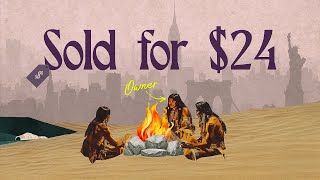
Sales have shaped the course of history in ways that we rarely think about. Behind every great civilization, every technological leap, every global empire lies one fundamental skill: the ability to sell. And perhaps no story illustrates this better than the Manhattan Purchase, a deal worth just $24 that changed the world forever. And today you'll learn how understanding to sell has never been more important than right now. The year was 1626. The Lenape people lived on a little piece of land that we now call Manhattan. To them, it wasn't just home. It was a sacred piece of land. It was their hunting ground, their community. But to the Dutch, and to Peter Minuit in specific, Manhattan was something far more greater. Hmm. It was a chance to claim a piece of the New World. The Dutch had one goal: to secure the land for the new colony. But they couldn't just take it. They needed the Lenape to agree to the trade willingly. Obviously, the Lenape didn't list the land on Zillow while they waited for their phones to ring, and the idea of selling had never crossed their mind. Now, you might think, how could you get someone to agree to selling something that they have no interest in getting rid of? Well, what the Dutch had to do was understand the Lenape's perspective. What was valuable to them? And what was an offer that they would feel dumb saying no to? So Peter Minut did what any great salesperson would. He started studying his buyers. To the Lenape, money was meaningless. Their whole economy was based on beads and knives and tools. They were not just objects, but symbols of power, symbols of status, of survival. Their concept of value was so different compared to what we see as valuable today. Peter Minoo understood this, so he decided to craft offers based off what they value most. This principle has not changed. The best salespeople just focus on their buyer's needs. The concept of value is different from person to person, even to this day. One man's trash is another man's treasure. Only when you ask good questions, actively listen, and understand your buyer can you find out what is it that is most valuable to them. That is how you connect with the person that you're selling to, whether you're selling beads in 1626 or software in 2024. Sales isn't about pushing what you have. It's about finding out what they need. Peter Minew knew exactly what to do. He crafted an offer based off the needs of the Lenape tribe. He didn't craft an offer based off what he thought they needed. To them, these weren't just tools. They were rare, a status symbol, and essential for survival. Many of these items were like nothing that the Lenape have seen before, and more importantly, they were far superior compared to the tools that they already had. By framing this offer as something that they couldn't get elsewhere, he made it irresistible. He made it an offer that they would feel dumb saying no to. Now, what is the reason why you buy something today? Has anything truly changed? People buy for one of two reasons: for status or security. But compared to the 17th century, people did see the value of certain goods very differently compared to what we see today. So the best way for Peter Minuit to close the deal was to pitch his product to the Lenape's language and to present what was valuable to them. The Dutch didn't just show up and demand land, they built trust. The Lenape felt they were gaining resources that would benefit their community while the Dutch secured a piece of priceless land. In sales, trust is everything. The best deals happen when both sides feel they won, and trust is built through empathy, through transparency, and delivering on your promises. Fast forward nearly 400 years and Manhattan has become one of the most valuable pieces of real estate on the planet. But the principles behind the original deal hasn't changed. From trading beads and tools to closing 6-figure deals online, the principles remain the same. Sales is always about understanding people and listening. Today's salespeople have tools that Peter Minut could not have imagined. CRMs, automations, data management. Unfortunately, Peter Minut did have to meet with the Lenape in person. He couldn't just send a Calendly link and say, I'll see you on the next call. But the fundamentals remain the same. Create value, build trust, and solve a problem. The tools evolve, but the art remains timeless. Now, even though times have evolved, sales is not about having fancy tools. It's about mastering the fundamentals that make people say yes. And it starts with active listening, not just hearing what they say, but understanding what they mean. Then comes storytelling, the one tool that builds emotion. It's not about saying words, but painting pictures of what's important to the prospect and where they want to go. And finally, social proof, because nobody wants to be the first customer and we typically believe what we see. So if we see someone cross the bridge, usually we'll believe that we could do it too. Today, the opportunity remains the same. Whether you're just starting out or just looking to refine your craft, the art of selling is your gateway to limitless potential. From selling tools and beads to million-dollar deals, the art of selling has always been about two things: having a product that someone wants and presenting the product as a solution to their problems and their goals. You're showing them the possibility that the outcome exists. And then you're showing them that it's attainable, that it's within their reach. You turn doubt into certainty. And when people feel certain, something shifts. They make a decision. They don't hesitate. They don't need convincing because now not buying feels like a missed opportunity. So ask yourself two things: are you selling something that someone wants? And are you presenting it as a solution of where they want to go? This is a craft that stays with you for life. So if you want to master it, you'll find everything you need in the link below. The tools are in your hands. The skills are timeless. Once you learn to sell, you will never starve.