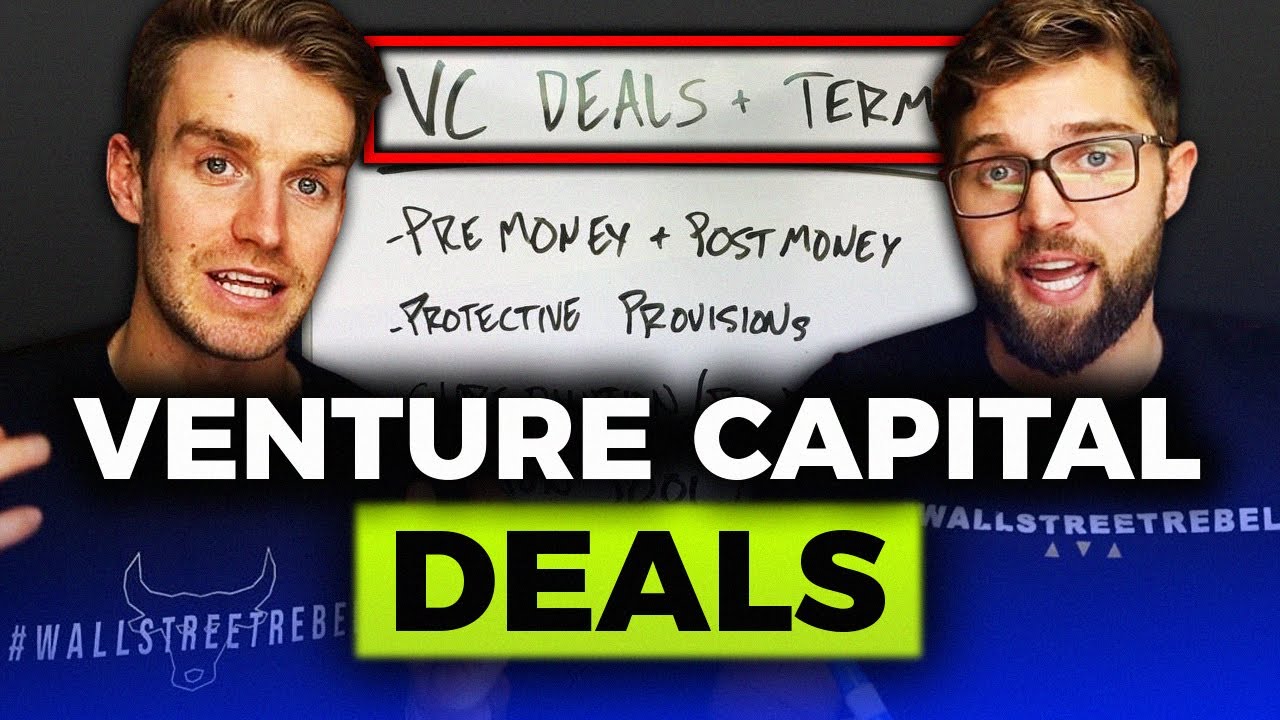
In this interview, host Bridger Pennington talks with venture‑capital veteran Lincoln Archbold about the end‑to‑end logistics of VC investing. They begin by outlining the five key traits to assess in an early‑stage startup: the product/technology, the management team, product‑market fit, total addressable market (TAM), and the financials, followed by a risk‑assessment checklist. The conversation then shifts to deal sourcing, emphasizing the importance of staying informed through newsletters and databases (e.g., PitchBook), building a strong brand and network, attending or hosting demo days, and cultivating off‑market relationships to become the first investor on a deal. Next, they walk through the due‑diligence workflow once a pitch deck arrives—initial screening, requesting detailed documents (financials, patents, cap table, etc.), and the practice of referring unsuitable deals to other VCs to nurture ecosystem relationships. Finally, they break down the anatomy of a term sheet: pre‑money and post‑money valuations, protective provisions, dilution and pro‑rata rights, equity types (common vs. preferred), option pools, board seat negotiations, and no‑shop agreements. Throughout, the tone remains conversational and instructional, with a measured‑optimistic stance toward the VC process.
Chapters
Alright, so in this video, we're gonna talk about venture capital deals, terms, and what are some things to look at when investing into a new startup company. Since there's some good overview to look at, we got Lincoln Archbold with us today, our resident expert on venture capital. Has worked at previous funds, all this kind of stuff. We said this in the previous video, but Lincoln, walk us through right here at the beginning the 5 things, traits that you're looking for when analyzing a company. Cool.
Right, so VC investing is unique to other investments, right? I mean, first of all, the financials are usually very skewed, right? They're assumptions on assumptions on assumptions, right? So, you know, an early-stage company, there's just no proof of concept, right? It's all projections. So the first thing that you really need to look at is the product, often referred to as the tech, right? Even if it's not technology, but just what, you know, what is the offering? What is this company bringing to the table, okay? And it, you know, you know, what does it look like? What's the value there? The second thing that you really are looking at is the management, okay? These are such early-stage companies that curveballs are gonna be thrown and they need to pivot, okay? And it's not the product that's gonna be able to pivot, it's the entrepreneurs guiding it, right? And so management is such a crucial thing, like really looking at the entrepreneur, looking at the team that they have that they've hired, and What their track record is in the past, right, that's shown that they are gonna be able to navigate difficult times.
The next one is product-market fit, and this is where a lot of VC people will say this is their secret sauce. They can look at a product, they can look at a team and say, yes, that product will achieve product-market fit. If you foresee that in the future, that's typically when a company becomes profitable and can take off if they can achieve this.
Yep, and also just like looking at the total addressable market, like, you know, what's the TAM as it's referred to, like what's happening in that space? You know, how many people are adopting this? How many people are going cordless, right? Look, and you know, watching Netflix and Disney instead if you're looking at a company that sells, you know, TV satellite, right? Like what is going on in the market and how is this product going to fit into it? And then probably fourth, right after that, is finally the financials, right?
Mm-hmm.
If they're raising money, they've probably done a little bit in revenue, but especially if it's technology, it's probably very unprofitable at this time. It's early stage beta testing, whatever. There might be different regulations that you need to hurdle. So at that point, you can really look at, okay, what's their business model? Is it sustainable? Are they gonna have gross profits if they do what they say they are? And how many employees are they gonna need to hire at different points in time, right? So that's when you either yourself or analysts that you hire just really break down the numbers, okay? And then lastly, you know, obviously there's a bunch of different things that you can look at, but really assessing the risks of the investment and saying to your— and asking yourself what could go wrong here? And, you know, could a competitor come in and take over this space? Could, I mean, could their product be minute, right? Irrelevant with the changes of technology. So asking yourself those types of questions is vital.
So this is what you need to look for in a company, and obviously there's gonna be other things that you're gonna have on your due diligence checklist, but more importantly, how do you source these deals, Lincoln? Where do you go to find these companies that are looking for capital? And a lot of times it's first to the punch. How do you be that company that's first to the punch, that can be one of those first investors in to scoop up great young companies before all the other wolves come and find them?
Well, I think that's a great question. I think the first thing that you need to do is just be informed. Right, so I'm just gonna put down database here, slash news, okay? So there are all sorts of newsletters that will file, you know, these daily reports of which companies in what industries got funding from which VCs, right? And just understanding where the capital is going and what the trends are, and just making sure you're staying on top of those.
Yeah, there's lots of newsletters, lots of great things. Actually, inside of our Black Card program, we have one called PitchBook.
Yeah.
We pay $25 grand a year subscription to have access, so if you guys are in Black Card, Yeah, so BlackCard, you'll have access to that through us, where we have— they have a great database of what companies are raising money, what rounds they're at, A, B, C, and seeing what investors invest in there. It's an awesome database to get you on the tip of the spear to know what's going on in the industry.
That's right. Yeah, so that's probably the first thing, is just being informed. And then the second is, you know, just kind of your presence, okay? The first thing you need to do is let everyone know that you're a venture investor. That you are looking for small companies to invest in and you let everyone know that you have the money, right? And then a lot of the times they will just come to you, but you should also have a good, you know, image, brand image. If you can get involved with any sort of media and just show that you're a good company to work with, maybe it's your reputation or your philanthropic efforts, right? But just making sure that you have a good brand around yourself. Okay, and so that comes into your network as well. And then there are demo days. So different conferences will be held where startups come and they just all go up on stage and they pitch their company and their idea, and that's great, but what's better is if you hold your own demo days, right? Where as a firm you say, hey, every Monday any company can come on and pitch us, right? And it's just a great way to source new deals. But as in any other industry, off-market deals are going to be the best, right? So, you know, creating those relationships with companies that don't think they need to raise capital right now but might in the future, right? So that when they do, when the day comes where they do decide to raise dollars, you're gonna be the first person that they call. So just really extending your reach and getting involved in the seed startup community as much as possible. So that's great, you know, understanding where the deals are coming from and how to source them, but what does it actually look like once you get that first deck, right? What do you do? So once you get the deck in your inbox, you're probably gonna look at it, decide if it's something you're interested in. If it is, then you can start your due diligence process. Hop on a call with them, ask for more information, okay? It's very common that venture funds will request to have you send over everything you've got, right? Your financials, any sort of patents, any sort of legal documents, your filings, anything, your cap table, anything that you have, right? A venture fund is gonna wanna see it. And I just wanna mention to you that if it's a company that you don't wanna invest in, it's in your best interest to send that to a venture firm that you think would. Why? Because venture firms usually go into investments together, right? It's not just usually one firm is raising money for one company, right? It's usually 5 different VC firms are putting money into a company. And then this way it's cultivating better relationships, right? And then if they have a deal that doesn't fit their investment criteria but might fit yours, then they're gonna send one your way, right? You get by giving first.
So Lincoln, walk us through the term sheet. If you're gonna make an investment, what does that look like?
So once you've decided to invest in a deal, there's gonna be this document called a term sheet. All right, and there's a couple things we just wanted to mention to educate you and inform on what's going on in there. Now first up, if you haven't watched the video in the Excel templates module, there's a video called Cap Tables that you should go take a look at because we talk about a lot of these things. But first up is your pre-money and post-money valuations.
So these titles are pretty self-explanatory, but we'll go through them. So pre-money evaluation, is the evaluation you had on the company before your investment came in, pre your money or your round.
So somebody— so another, a different venture capital firm could have evaluated this company at $3 million on a last, you know, prior raise.
And then now on the post-money valuation, this is how much the company is going to be evaluated after your investment comes in. So back to the example, if it was a $3 million valuation here, you put in $1 million. Let's call it now the post-money valuation is now $4 million. However, sometimes it's not just straight dollars and cents. It's not $3 million, you put in $1 million, now it's worth $4 million. Sometimes your post-money valuation now can be up to $6, $7, $8 million depending on what the equity is worth in the business.
Another thing that we need to talk about that's in the term sheet is protective provisions. So what that means is essentially there may be stipulations on the capital. So there may be stipulations on this money, right? Where, okay, yeah, I'll give you $10 million, but I'm only gonna give you $1 million every quarter as long as you're hitting these benchmarks, right? Or maybe every time you make a purchase above $50,000, I wanna approve it. Okay? So there's, there's these different provisions that you can have in your term sheet and negotiate to make sure that your money is safe. So another thing we wanna talk about is share dilution and pro rata.
So these are protections that you can have or maybe another VC company has against their shares getting diluted. Just right in the name, right? So if you own, for example, 20% equity in a company and they raise further rounds in the future, a lot of times companies will have provisions that say their shares cannot be diluted unless You come to them first, they get an opportunity to participate in future rounds of fundraising.
Right, and then of course on top of that, there's different types of equity, right? There's common equity or preferred equity, and which ones have voting rights. So just making sure that you're covered on all, on all fronts. So another thing we want to talk about is option pools, all right? This is a pool of money that's set aside to incentivize employees, usually a smaller percent like 5 or 10%. To, you know, help them engage in the business, right? But venture investors will usually say, hey, look, if you add an option pool, which we want you to, right? Usually funds will want the companies to have an option pool. Only the founder's shares get diluted and not, you know, the external investments, right? So just making sure the terms are defined with option pools so that either the investors or the founders don't get screwed over. Right. These are all things that need to be negotiated. So another thing with the option pool is kind of a board seat. So usually VC firms will take a board position on the company that they're investing in, right? It doesn't always have to be that way, but it's totally negotiable. And what does that board person have? What rights do they have? How much voting rights are included with those shares, right?
Again, that's all up for negotiation when you're looking at investing in one of these companies.
Yep. And then maybe lastly, I just want to talk about a no-shop agreement. So a no-shop agreement is essentially once you have these terms laid out and the term sheet is signed, it's all on like on an if basis.
If everything—
if you are what you say you are. So essentially then usually the venture firm will have like 40 days to go deeper into due diligence, right? And actually go spend time with the company. And make sure that they are who they say they are, that their contracts or customers are who they say they are, just kind of to verify anything. So even once a term sheet is signed, you know, the investor can back out, right? In venture capital, nothing is final until the money is wired, actually. So a lot of these are not like totally binding agreements, right? Because there's so many things that can happen, either the entrepreneur was dishonest deceptive in some way, shape, or form, or just things happen, right? So nothing final in venture capital until the money is transferred. All right, so in this episode we talked about, you know, how to find deals, how to look at deals, how to assess them, and essentially how to close on deals, right? All in venture capital specific to this industry.