How To Heal Your C-PTSD through Education of Addiction
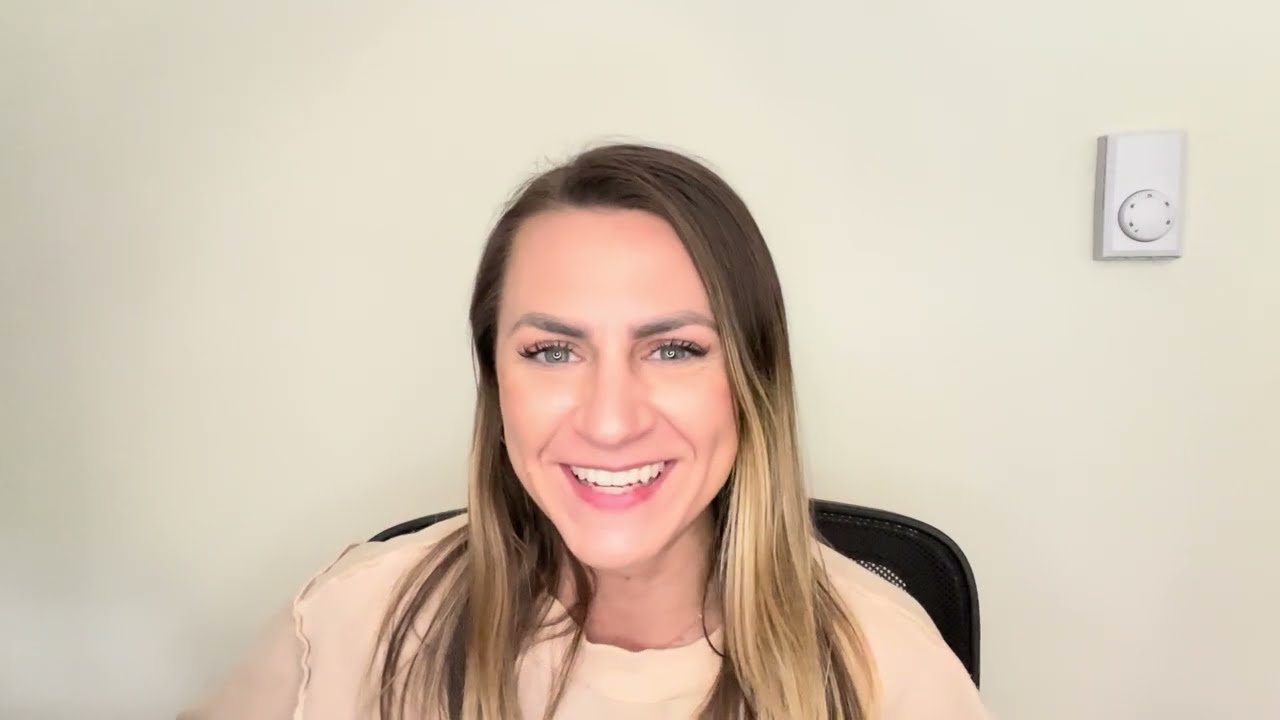
Brooke Richey, a musician and trauma survivor, explains C-PTSD through the lens of addiction: a misfiring reward system in the brain. She traces how childhood trauma like being forced to watch The Passion of the Christ can wire suffering into your sense of righteousness, and offers a concrete fix: identify three positive habits that feel good, then use those rewarding feelings to replace compulsive patterns.
Chapters
Hey folks, welcome to my channel. My name is Brooke Richey. I'm a 20-plus-year vocalist and multi-trauma survivor, 2 things that require the human voice in order to success— success— succeed at what you're doing in life and also overcome your, your traumas. Um, I'm also an indie rock artist, a film composer, and looking to get on more stages for inspirational speaking gigs and working on a book right now too. I tend to do everything all at once as a trauma survivors know so well. And so thanks for being here. If you are someone who's looking to get out of psychological quicksand, something I like to call this place of being stuck in life, you just can't get any movement in any direction whatsoever, this place is for you. If you're an artist who is feeling kind of held back in their potential, that they're not quite at the places that they're They want to be in their journey and their vocation at this point, then this place is also for you because the voice plays a huge factor, especially if you're a singer, in where you go in, in your life. The, the strength of your own voice, um, the physical voice. So today I— this whole series right now is on reverse engineering your CPTSD through a variety of means, and today I want to talk about addiction. And how when you educate yourself on addiction and look for addictive patterns and qualities in your life, you can actually reverse engineer your CPTSD. And the first instance for an example of this that I, I remember seeing this in my life was when I was going to church week in and week out, and I would come back home from church and I would be emotionally drained. I didn't know exactly what it was, but I just remember this. I remember this clear day where I, I had gotten back home from church. I had graduated college at this point. I was about to graduate. And I just remember feeling, why am I still dealing with the same emotional things from 18 months ago, from 3 years ago? And why is that coming up right now? And all I could I didn't know it at the time, but I knew that there was an addictive pattern going on. I had that awareness. And in order to heal, you always have to leave the places that are causing the harm, right? And so this kind of got me into a place of, well, if I'm getting this triggered at church, what am I supposed to do? I should probably leave the church. And that's, that's ultimately what I ended up doing. And I I've been on a solo journey, was on a solo journey for the last, um, almost a decade of finding God in the wilderness, really. And this isn't a channel to really talk about religion and whatnot, but I am a very spiritual individual. I'm a very spiritual being, and I'm very connected to the spiritual realm. And that's just— it will come up in my my talks here and there, this concept of God, Source, Universe, whatever you believe that is moving you on to be a better person and not harming yourself or harming others. I think it's a good thing, um, and that's just my, my opinion, okay? So you don't have to take that as universal truth, but if it resonates with you, great. So addiction and addictive qualities, right? So Why, why this is such a— I think this is such a crucial topic for complex post-traumatic stress disorders. It's because people with, with the disorder, it's because our brain is already weakened, right? And we know that people that have experienced trauma tend to get into addictive behaviors a lot more than people who haven't. There are those stories, right, of like, People that have worked on Wall Street and they're like, hey, try this, this meth or this cocaine or whatever. And it's like in an instant they become addicts. You know, like we see those things, but that's not always how addiction happens. It's not always from just trying a substance once and then you're hooked. Addiction can happen just because of the weakened state of your brain. And the really what it is, is a miswiring of your reward center. So the reward center in your brain is connected to something that brings this tiny little glint of pleasure, right? Of a reward, of a, oh, if I do this thing, it's going to get me X, Y, and Z. It's going to get me this result. That's addiction in a nutshell. It's just connection to something that's pinging that reward center in your brain, even though it's harming you. So another example of this, and I've shared this in my story, I was forced to watch the film Passion of the Christ when I was 9 years old. This put the thought pattern in my brain that if I suffer, the more I suffer in this life, I'm essentially excelling myself to godliness. I didn't think I had to be Jesus. I didn't get to the point where I was like, I have to take my life or anything like that. I've never been suicidal. But the point of the matter is this pattern, this thought pattern— and I also grew up in a religious household— this pattern that got in my brain was if I do all these, you know, quote-unquote righteous things, suffering is righteousness, so to speak. And that was the addiction in my brain for decades of if I suffer, I'm being righteous, which means I'm being perfect like my Heavenly Father is perfect, which means I'm doing the right things. Which in the big scheme of things, it was a whole, um, overcompensation to prove myself to get the love and respect and just everything that a kid needs when they're growing up. And so on and so forth. So I hope this is tracking with you. I want you to think for yourself. This is— these are examples from my life. I want you to think for yourself. If you're here and you have CPTSD, what are some addictive qualities I know I have in my life? What are some addictive patterns? And seek those out. And here's how you can find the difference. So think of— there's— addiction is essentially the extreme of a positive routine. So if you want to look at the inverse, right, this is a— this is the number one thing that helps, um, that has helped me in my journey is looking at the inverse, looking at the opposite, um, in order to move forward. So find a positive routine in your life. That could be you go to the gym regularly, you are always doing meal prep. There's got to be— you like, you're still here. Is the thing. If you think you're, you're not doing anything right and your life is just a mess, you are still here. So there's got to be positive habits and positive routines. There's something you're doing right. Okay, so I want you to identify those, at least 3 routines. Identify at least 3 positive routines and habits that you have and ask yourself, what do those feel like? To you when you engage in those routines. So for me, I love to wake up in the mornings and I go for a walk. I love to have downtime in the mornings before I go and just get on with work for the day. Do I nail it every single day? No. But the point is, when I'm in that routine, when I'm in that space, I feel very good about myself, and it's a positive experience that leads to more life in my life, and it's light. Okay, by actually, it's not weighing me down, right? Because it's spurring me forward into more life and action and creation and whatnot. So the inverse of that is addiction. So addiction, anything, anything like this thought pattern that I had in my brain for 2 decades, anything can be an addiction. Um, it's going to feel like a twisting knot. In your body, of you feel like you're compelled to do it, but you're restraining yourself at the same time. And ultimately, you want to ask yourself about the reward center. And this is a— this can be the biggest breaking point for you in your journey in healing complex post-traumatic stress disorder. It's when you realize that thing that just happened to me just rewarded that negative reward center, the messed up, the broken reward center. You got to find the thing that rewards the positive reward center. And it's the same, it's the only— there's one center in your brain, but it's when you can recognize and identify, oh my gosh, that thing just rewarded the thing, the trauma. It was just reignited. And when you reach that point of awareness, you are taking control of your story back. Which is why I say educate yourself on addiction, even if you don't struggle with addiction. And this struggle with addiction, by meaning, people hear that word and they think it's drugs, it's alcohol, it's substance abuse. It's not. Um, or porn, or, you know, whatever else that is egregious and gruesome and whatever in this world that people can do that are addictive behaviors. It's not just that. It can be purely psychological. Here's the definition, I'll read it. Addiction is when you have a strong physical or psychological need or urge to do or use something even when it's harmful. So that can be a substance, that can be a pattern of thought. And I think with complex post-traumatic stress disorder and survivors of trauma, we need to be ultra aware about addictive tendencies because of what's already been damaged in our brain, that being our memory center and our prefrontal— Fore— Our prefrontal— I can't say the word— our prefrontal cortex, which is our decision-making center in the brain. These are already damaged for us, they're already weakened, and which means we are more susceptible to addictive patterns, which is why it's so important to identify them, to be aware of this thing just reignited that negative reward center pattern in my brain. And that's, that's probably what was broken for you in your originating traumatic event. For me, that was when I was 9. That was broken. My reward center was actually broken in this experience. And what I want to verify, validate for you is you can find this. And it takes work, I know, and it's frustrating and all of this stuff, but you can find that broken spot And once you find it, it's like finding that broken fuse in your brain, right? It's the broken fuse in the car, in the radio or whatever, where you're like, oh my God, there it is, there it is, I see it, I see it, I see it. Now I can get to work and now I can actually fix it. That's why, you know, now I'm just going on and I wanna wrap up this video, but find the addictive behaviors. Find your positive routines, and the goal here is when you can find the addictive behaviors and patterns that you have. For me, this was actually going on an escalation of of to to losing my life. Seriously, like this is this is how serious I want you to take this is my just look at my experience. I got it in my mind that I have to suffer to be righteous, and that's going to get me this pleasure reward center in my brain that I did something right in the eyes of my parents. That in a nutshell, okay? Because I could identify it, I could say, okay, so that was— that's wrong. That is so wrong. That's not how you're That's not how this pleasure reward center in your brain is supposed to work at all. It's backwards. And so then what do I do? I learn and I take the uncomfortable steps to flipping the script. Okay, so that for me now means what? It means when I work, I earn something. And work does not mean suffering. Work is not suffering. Um, You know, there's so many aspects to my story which I'll have to get into in other videos of just the types of spiritual entities and demons and whatnot that have plagued me. But, um, the point of the matter is track back. That's what I want you to do. Track back of, yeah, I tend to do this thing a lot, or yeah, I tend to feel this way, like Oh, I'm doing something right, but oh my gosh, that's terrible and it's hurting me. It's when you can find those things, those things of, I did it, but oh my God, that hurt me. Like, this is still hurting me is the thing. And to actually look at it like, if this— ask yourself, like, if this is going to escalate, because this is what addiction does, you you, you, um, grow a— it heightens, like everything heightens. What's the word I'm looking for? Um, like pain tolerance. You grow a tolerance for it, and that means you increase the need, the urge, the desire for that thing to keep happening in your life. And when you look at my, you know, this is all just psyche Like my psyche, but your psyche is everything. Your mind, the health of your mind is everything. And I was on this steady escalation of the more I suffer, the more I suffer, the more I suffer means I'm actually going to gain a reward. It's so backwards, right? Like just, it's so backwards. It's so messed up. And so track backwards, right? And it might not be this immediate Oh my gosh, that just pinged off the reward center in my brain. You might not be there right now. Where you might be is what I said just before this, of this thing just happened again. I feel like I accomplished something, but it's crushing my soul. I feel like it's— I'm not succeeding because it happened again. But why do I believe I have to keep doing this? You know, that's the question you got to ask yourself. Why do I believe I have to keep doing this thing that is hurting me? Right? So if you'd like help with any of this, I have a few resources for you in the comments or in the description of this. And please drop in the comments what you're struggling with, what you want to accomplish, what you want to overcome. When you make it known in the world and you share your experience, experience with others, you are taking ownership of your issue. And it's not ownership of something that's wrong with you, it's ownership of an issue you're facing. And so when you face that issue and you share it with others, you release the strength and the power it has over you. You put it out in the light and you share it. And when you share it, you're saying, I'm going to take control over this, I'm going to be responsible for this, because now What's going on? People are watching you. So, and and the other thing is, as a CPTSD and trauma survivor, like you can't be isolated. Isolation is the worst thing for you right now, and that's why you got to share and you got to connect. So I welcome you into a few things. I have the voice community on Facebook as well as a holistic voice training that. Teaches you about how to develop your holistic voice in order to take control of your life and get out of psychological quicksand, to overcome blind spots that you're trying to figure out. You know, raise your hand if you're like, yeah, I feel like there's something wrong with me or something happened to me, but I don't know what it is. This is for you. Like, please click on this training and go watch it directly after this. Because you don't want to stay stuck. And the longer you stay stuck, the harder it is going to be to get unstuck. It's just time, and that's human psychology. So you've got to create movement around your issues in order for you to overcome them. Okay. And I welcome you into Amplify Your Voice. That is my 40-day reset program that is designed to get you out of that psychological quicksand. It might help you uncover traumatic memories and suppressed memories. And I've seen that happen with clients. And it will also help you just amplify your voice. Like, that's the name of it, right? It, it helps you strengthen your voice and connect with others and strengthen your network. I am rushing this video. I'm so sorry because I have to get going to a call. But thank you so much for being here. And I mean that from the bottom of my heart. Because I know the struggle is real. And like a great mentor of mine always says, honor the struggle. You're here for a reason. Don't lose sight of your light. Protect it. Okay? Don't let people take it from you. Protect it. Um, yeah, I think that's it. So thank you so much and love to you and all the power to you on your journey. And I'd love to connect and see you and amplify your voice soon. See you in my next video.
More from Brooke


It’s really that easy. Join me today or tomorrow in Amplify Your Voice Workshop








