Narcissistic Traits & Trauma Recovery: Why Do They Always Do Something Different Than What They Say?
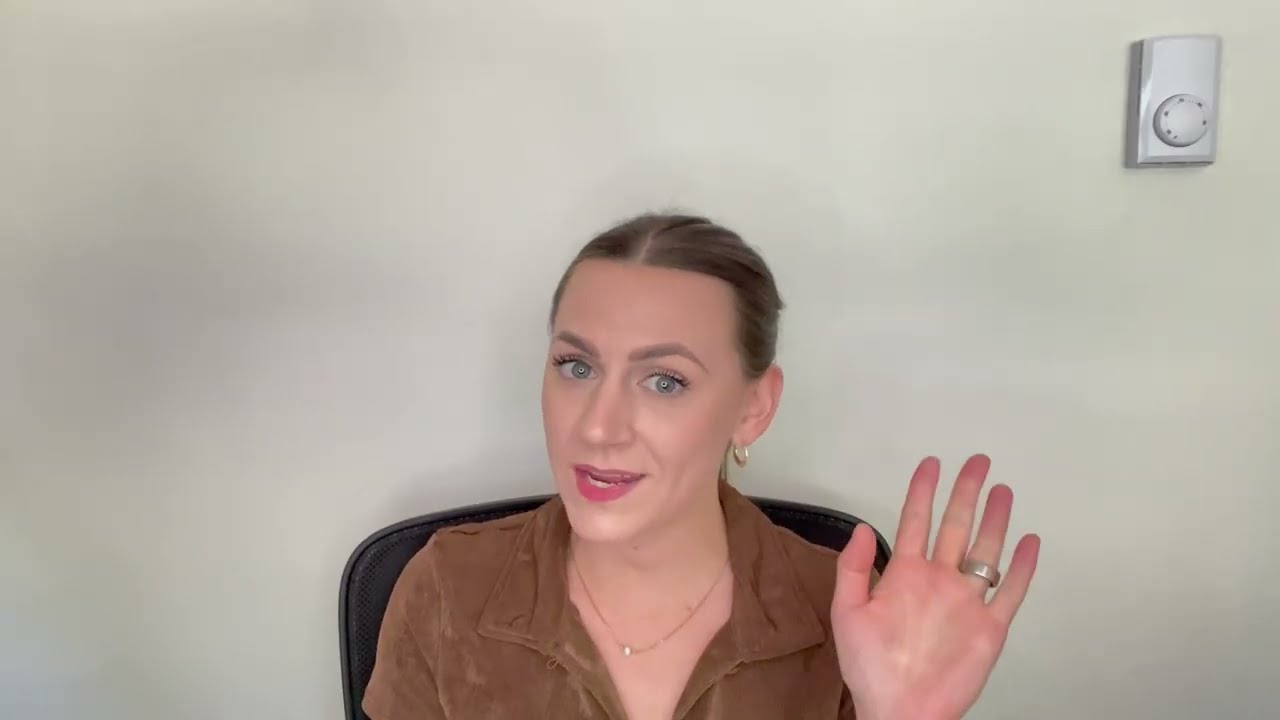
In this solo YouTube video, composer and trauma survivor Brooke Richey explains why people—especially those with narcissistic traits or complex post‑traumatic stress disorder (CPTSD)—often say they will do something but then act differently. She frames the voice as the primary regulator of self‑expression and argues that a "damaged voice" from early trauma creates a subtle cry for help that manifests as incongruent behavior. Four main mechanisms are outlined: (1) recovery overwhelm and a damaged voice that prevents the person’s needs from being heard; (2) fear of authority, leading to a guarded “neutral” stance that avoids confrontation; (3) fear of responsibility and accountability, which fuels active avoidance and self‑sabotage; and (4) unprocessed shame, which intensifies the need for validation and vocalization of trauma. Brooke emphasizes the therapeutic value of validating survivors, verbalizing painful experiences, and using voice work to restore agency. She promotes her own resources—the 40‑day "Amplify Your Voice" Reset Program and a "Scapegoat Survivor Guide"—as practical tools for listeners seeking to reclaim their voice and move beyond trauma. The video concludes with a call to share the content, practice self‑agency, and engage in voice‑based healing.
Chapters
Hey folks, welcome back to my channel. I'm Brooke Richey, a film composer, indie rock artist, budding author, and I do a few other things. But really what I'm here on this channel doing is helping folks reclaim their voices through voice work and music. Being a multi-trauma survivor from about the age of 9, living with complex post-traumatic stress disorder for about 22 years and still healing that, I have dissociated for about 20 years of my human experience. And I'm here to show people how the voice is really your number one tool when it comes to regulating, communicating, and navigating in life. And so this series is on how to improve communication with trauma survivors. And here's the thing, and if you've watched my last couple of videos, I talk about narcissism and how narcissists are actually trauma survivors more than you might think. Narcissists are not born, they're made. The difference between narcissism or NPD— did I say that right? Yeah, NPD and complex post-traumatic stress disorder is the CPTSD swings. You swing hard when you're doing the empath stuff. Uh, NPD, you swing away from being an empath. And so that's kind of the difference there. But this video to dive right in is on narcissistic traits and trauma recovery. Why do they always do something different than what they say they're going to do? And I know you know what I'm talking about. It's the person that says they're always going— they're going to do this thing at this time, they don't do it. They're going to go pick up that thing, they don't do it. They say they forgot. They're going to go do that thing, but they do something else instead. Which in their mind equates to having done it. Okay. And why does this happen? Because there's a, there's a few, there's a few reasons why. The first one is, it's just recovery overwhelm, and it's their voice being damaged. That because your voice— so think of it like this, because your voice is the regulator, communicator, navigator, right? And channel this back to The first thing that happens when a baby is born, they cry. You know, we want them to cry because we want to know that they're okay. Okay? And as the baby continues to grow— and if you've been watching this, you've heard me talk about this— as a baby continues to grow, whenever there's a problem going on with the baby, they cry to let their caregivers know that something's wrong. Okay. So the recovery and overwhelm of a damaged voice Is this. Voice is supposed to transmute, translate into action. Something's supposed to happen. When it comes to the baby, obviously the baby can't get the care, provide itself its own care. The caregiver needs to do that for them. But this is the action that's translating. They cried, they get what they need. The baby cried, they get what they need. Now think of this for yourself or anyone. They speak something and they don't get what they need. Okay? So that's, that's just it right there. It's a subtle cry of saying, my voice was damaged. I'm going to say I'm going to do something, but I'm going to do something else because my voice was damaged so long ago. Does that make sense? I hope I put that in the right, in the right phrasing, but that's, that's essentially what it is. It's a subtle cry for help because at this point they've been going on for so long with their voice being suppressed because that's what was shown them in maybe their developmental years, that they're just going to essentially misuse their own voice. Because that is the purpose of the voice. It's to create life. And when they've in the past had their voice taken, abused, suppressed, uh, their words manipulated, why say something that they're going to do to make someone else happy or to do something for someone else when they never were provided the thing they were supposed to get when they cried out for help. Does that make sense? So it's a, it's a very— this, I think this just goes under the radar at this point right here. I think it really goes under the radar that when people say they're going to do something and they do something else, it's actually a subtle cry for help of, I want it to be different, but no one's hearing me. No one's ever heard me. And this is the hardest thing because it's just an awareness issue. That's all it is. And I, like, I'm thinking this like from my own experience. When I became aware of, oh, I know why I'm doing that, because I struggled with this too. I would do this. I would, you know, you get into waves of— um, I'm actually— I got to get it to my next point before I jump into that. But basically, Fear of authority. This is why this happens, why someone does something different when they say they're gonna do something. It's a fear of authority. That's a narcissistic trait. Trait. Okay. To say something and do something else, right? It's a narcissistic trait. Basically, when it comes to the fear of authority, if a trauma survivor and/or narcissist can get by in neutrality, They can just coast on by in neutrality. Like, easygoing is good, calm and peace is good. Neutrality, where you kind of find peace, this sense of like no one's bothering me sort of deal— really what it is, it's guarded. It's being guarded up. Neutrality is you're guarded up and It's a, you know, it's just, it's a subtle form of a guard up of saying like, no, I'm still here with everyone, but I'm not like fully present, you know. And back to my introduction, I've dissociated for 20-plus years and realized like, as I've gone on my healing journey, this is a problem. This is not safe. Neutrality is never safe. And unless neutrality has like one, one purpose, it's to pivot, shift, transition. That's it. Think of it like a car. Like, what do you put your car into neutral for? That's it. So fear of authority, they'll do the opposite or something else. Because it means they won't have to experience the damaging event that's still unresolved for them. So that's why they do something different, uh, if they get by in that neutral zone. Because trauma, it's an extremely intense experience for the person, for a human to go through. And so neutrality feels safer, but it's actually not. Um, so point 3, why did— why else does this happen? Uh, fear of responsibility, accountability. This is what I wanted to get to a few minutes ago, that the person is not ready to advance, they're not ready to mature, and they're still figuring out major roadblocks. They're still, you know, their basis of their mind, their subconscious mind is still Still facing these major roadblocks. That is their everyday life. Like, I want you to imagine, you know how they say like, what were you— did you grow up under a rock? It literally is like that. Like, they wake up, it's not bright and sunny outside, although the light's there. They're under a rock. It really is like that. So. It's basically what this is, this point, is it's a major act of avoidance. So think of it again, like trauma is an extremely severe, intense experience. It's, it's a lot of energy. It's a lot of things to process because of the nature of it. And so what's the opposite of that? It's either nothing. Or you can kind of coast by in neutral, right? It's funny, I'm wearing this neutral shirt right now. That was not intentional. Um, I like brown. Uh, so basically it's an active avoidance of really getting to know themselves, because this is the thing, if they, if they are going to get to know themselves, they have to get to know that trauma. They have to look at that trauma. They have to look at it because what they're going to find there is the kid, the person that was abused. And the, the thing about it is getting to know why that thing impacted them so much. Like, what were the things that made it so harmful, that made it so tragic? You know, and like, speaking from example, I think of myself at 9, and like, what were the things about it that just made it so terrible? It's that it was a mix, you know. It's like, um, sourdough is good for sourdough, right? But if you're trying to make Like sourdough. What would not be good with sourdough? You know, sourdough and rye. Like you're not going to make a sourdough rye. No. Or you know, for my fellow Aussies, like one time I tried a Vegemite roll thinking it was a cinnamon roll. I was so disappointed. But then I grew to like Vegemite just a tiny bit. Um, the bitterness grows on you, I guess. That's— I don't know. Um, but it's like that where it's mixed in with all the goodness and that, and it overshadows the goodness. So major, major, uh, active avoidance is when folks do this when they're doing something different than what they say they're going to do. Um, and so major also along with this is when it comes to success and career. And, um, there's this movie I think called Failure to Launch. I can't remember which one it— that's about, but I just remember the title. Um, but it's that concept Of— there's— they're failing to launch because they haven't worked out this thing. And because they don't want to have to face that extreme looking at the trauma, they can just get by in neutral. It's fine. It's not fine. Um, but that's up to them, is the thing, to determine if they're okay with just fine in neutral for the rest of their life, or if they want to be brave and look at it. Um, but it's— it— this is what happens, like, to be good but not too good, right? And when they're feeling like they're starting to get success, they'll actually sabotage their own success so that they can go back to that neutral zone of like, nope, this is where I'm safe, because it's getting too close to that feeling of the Extreme extremity of what trauma was. And trauma, like, it wasn't a good experience, but what did it do? It came with an ego. It came with this sense of you're the special one, right? It's getting too close to that. And so that is, is, you know, if— As I'm talking about this and like my last video on workplaces. Like, if you see someone do this at work, they sabotage their own success. They are probably just processing their own trauma, and it has nothing to do with you. It has nothing to do with company. It has nothing to do with anything except for them feeling this fear of, oh my gosh, I'm getting too close to this similar feeling. And this is really big with complex post-traumatic stress disorder. I personally think any narcissist has CPTSD. They just— they are the people that say, I never need to go to the doctor, and then 30 years later they have a slew of medical conditions and health issues going on. Okay, but basically that's why this happens, folks. Um, why do they say and do something different than what they say they're going to do? It's because they're not in alignment with their voice. Bottom line, they're not aligned with their voice. And the reason why— bonus point number 4 is shame. This is really all wrapped up in shame that's not dealt with right away, which is why I say get vocal right away, right away. When something happens to you, when you're starting to feel something, don't wait because you're letting it harbor and store in your system. And so this is where validation can really, really go a long way. For the trauma survivor and/or narcissist. When you validate them on something that is their perception of really painful, right? Um, something they're unhappy with, it goes a long way because it etches, it just, you know, chisels just a little bit away at that shame that's been You know, hardening around their heart, their mind, in their spirit, cementing in the way that they do things. And, you know, it just chisels it away a little bit. It gets a little bit lighter. Um, the hard, tricky part is getting them to whip up and wake up and realize that they can do it themselves. But that's what I'm hearing. Hoping to show all these folks how to do. So just for a last note on this, to kind of put some perspective around this, think of when you've done something that you knew was wrong, uh, whether that was treating someone poorly or you broke a rule or, you know, you just did something that was out of line and you knew it was wrong. After you did it, maybe you were in the act of doing it knowing it was wrong, and you decide to come clean about it. And what does that do for you? It releases the guilt and shame, and you're able to move on much, much quicker with your life. And you're also doing that for the other person that you wronged, or, you know, whatever was wronged. But you're releasing the guilt and shame. Trauma works the exact Same way when it comes to exposure. So trauma, if it's not exposed, right? If it's not verbalized, if it's not shared with another person, and the other person validates back to them, that's terrible. I am so sorry you had to experience that. What are you doing to process, you know, or whatever, like, Just being there with a person. When that's dismissed, when that's dismissed, when a person is just trying to process, we are keeping this problem of narcissism growing in our world. And I know this is a hot topic right now. So listen up, folks. When you dismiss a person processing, What what's happened to them? Let them process it. Just let them process it. And if you can, try and hold some space for them because this is the the real thing on this is people don't know what they're doing when they're doing wrong. They do, but they also don't because of the psyche, the subconscious mind, the subconscious mind that is built off of confirmation biases of how life is supposed to look. Look of how it's supposed to go, right? Or maybe someone actually has like a legitimate disorder. They have complex post-traumatic stress disorder, they have adjustment disorder, and turning around to blame them as opposed to asking what's going on here is a better path forward, in my personal opinion. And I, I think you might agree with me if you're here watching. So, uh, anyways, thank you so much for tuning in, and I hope this helped you. And if you think that this would help someone else, please share it with them, because I am working on radical change around shame. The quicker you say something that happened to you, the easier your life is going to be, the sooner you're going to be able to move past it. And especially in the case of childhood trauma survivors, or maybe you were the scapegoated kid— I was— The quicker and more you can make a habit of this, the more, the easier it's going to be to run your life. Right? Right. The, the more self-agency it brings because you're not dismissing yourself. You're not betraying yourself. And so if you need help on that note, if you need help with any of this, please take a look at the links and the resources below. I have Amplify Your Voice, my 40-day Reset Program. This is designed to help you just fine-tune, get right down to the root of what's blocking you, and get you on your way in life. This is all done with voice work. And I also have the Scapegoats Survivor Guide linked below for you, and that's for my fellow goats. You know who you are. Don't be afraid to click on that link and get going at your work. In healing because the whole world is just waiting for you. That's, that's just it. Like, the whole world is just waiting for you to be your authentic self. All right, with that, I'll see you guys in my next video. Tune in again and take care. Blessings. Do the work. Just go look in the mirror and ask yourself what's going on. That's it. That's all you gotta do. All right, bye. Peace.
More from Brooke


It’s really that easy. Join me today or tomorrow in Amplify Your Voice Workshop








