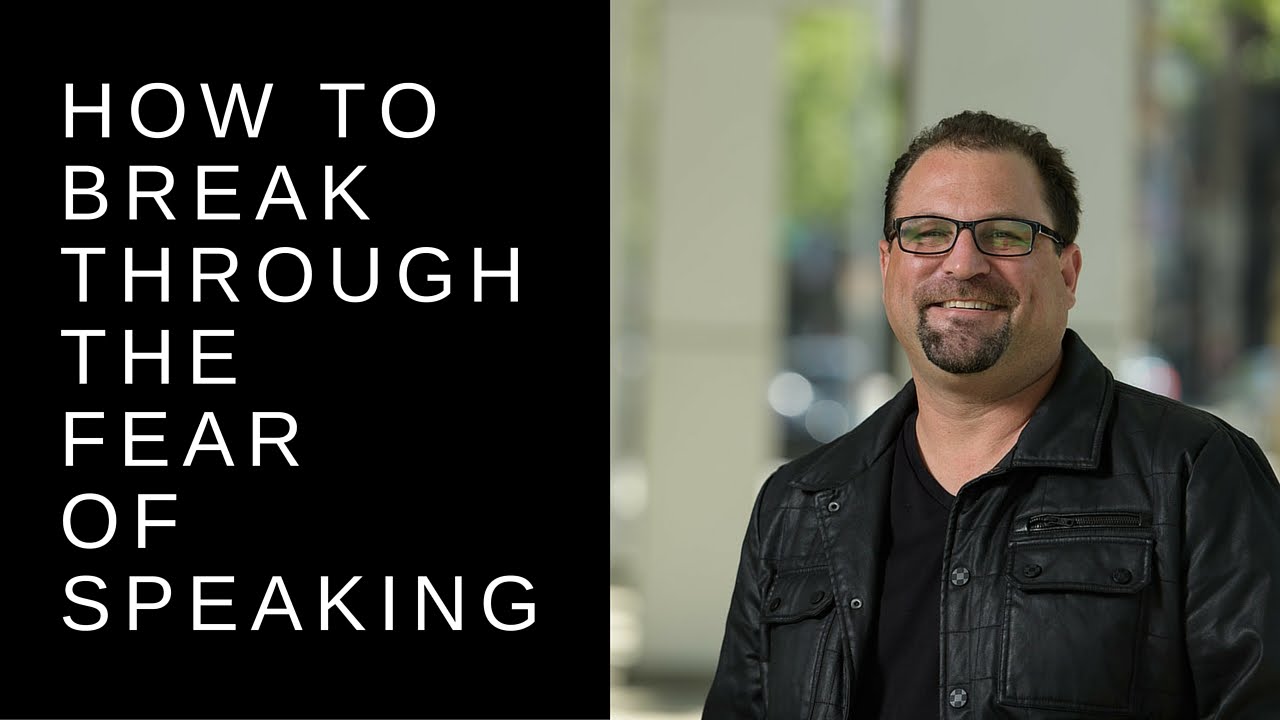
In this solo YouTube talk, Bryan Kramer addresses the common anxiety of speaking in public and shares the personal journey that led him to overcome his own fear. He recounts delivering his high‑school graduation speech, earning a communications degree, and later experiencing a sudden bout of stage fright after college. To rebuild his confidence, Kramer sought out any opportunity to speak—Rotary clubs, community groups—focusing on topics he was passionate about. He emphasizes two foundational pillars: speaking about what you truly care about and being meticulously organized, knowing the flow of your presentation beyond a word‑for‑word script. He discusses the fear of audience rejection, urging speakers to solicit feedback and view the audience as allies who want them to succeed, likening the experience to starting a class with an automatic A. Kramer also provides concrete practice techniques: rehearsing in front of a mirror, recording oneself, or presenting to friends, family, or children to internalize the material. Throughout, he maintains an encouraging, conversational tone, urging viewers to be authentic, prepare thoroughly, and adopt a mindset that the audience already wants them to succeed. He closes by inviting comments and offering to share more tips.
Chapters
Hey guys, it's Bryan Kramer, and I am really excited to be talking to you here because I've had some people that have reached out to me and asked me specifically about how to overcome the fear of anxiety of getting up and talking in front of people or people on stage. It's really, really hard. It really is. I empathize with a lot of people out there who are really trying hard to get up and give an impact to everyone out there in the audience and really make sure that they are doing their best. Not only that, but just getting the courage to even do it. To get up on stage is really one of those things that you look at some people and they make it effortless. They make it look so good that you just wonder, how do I start? Where do I start? Well, that's what I wanted to help you out with here. I've been asked recently how to overcome that anxiety of even just getting up on stage. How do you get past and get over the hump of people that are out there in the audience and what they're doing and what are they thinking and how do I get Get over this. Well, here's what I've done. Just to let you know where I'm coming from, I faced that. Now, I actually gave the address in high school, my high school graduation, and did it without fear. I actually had that somehow, that ability from the beginning to be able to do this, and it's just part of my superpower, one of the things I'm really good at. But after even having a communications degree in college and speaking all the time, I came out of college and I had a really hard time speaking. I all of a sudden developed this anxiety or this fear of speaking and getting up on stage. I then had to go back and figure out why it happened all of a sudden. It was interesting. I had to take everything that I was looking at that I previously thought and re-engineer how to get in front of people. What I did is I got in front. Of anyone that would let me talk to them. I went out to Rotary Clubs. I went out to any kind of organization that would let me get up and talk to them about different things that I was interested in at the time, which is in the marketing capacity. And I was able to get in front of them and talk to the things that I was very passionate about. So that A right there helped me to overcome it. I had to talk about the things that I was passionate about. If I had to talk about something that they wanted me to talk about, but I wasn't very passionate about it, then I learned very quickly not to say yes, because right there you're not going to do well. You have to start with what you truly believe in and then find a place to speak about that. So that's first and foremost. The second thing is you've got to get really organized. Organization is one of those things that can make or break how you feel when you get in front of people. I didn't know this as well as I know this now, and that's because I gave a TED Talk. Really honored to be invited to turn in an application and be accepted as one of the TED speakers at a TED@IBM conference. I was just so excited, but what I didn't realize is that I had never been formally trained to talk as a speaker. Now, last year, after all of this, I had spoken over 50 different times, 50 times this last year. Now I understand what I'm telling you now that will shortcut your time to getting this done right. And it's that. This is it. Get organized. Know exactly what you're going to do before you get up on stage so that it is so, so memorized inside of your head. Not, not the script itself, but understanding the flow of the screens, understanding which story goes to which screen. Okay. Once you know that and you're passionate inside, the organization the capacity to organize and the capacity to talk about what you're really passionate about. Those 2 things will make your experience that much better. Now, here's the other thing. There is a fear of rejection. There's a fear of rejection that the audience isn't going to like what you have to say or that the audience isn't going to receive it well. Or maybe they're not going to laugh in the right spots or they're not going to say the right things. We have all had that happen to us. So if that does happen, you're not alone. That just means that you can go back and you could look at those spots and say, how do I change what I did to get the kind of reaction that I'm looking for? Is it the right story that I need to tell? Or are those the right things that I need to talk about? Is it resonating? Those are the kinds of things that you're going to get feedback on afterwards. That's what you need to ask for every time you speak. But here's the last thing I'll say about that. Everyone there is really there to support you. It's like going into a class when you start at the beginning of a semester. My dad always used to say, you know, when you start a class, you actually have an A. You're just working your way down. And that's exactly the same thing that I want you to think about with walking up on stage. Everyone wants you to succeed. They all want to come and they want to get so many good things from you and so many things out of this session or this keynote or whatever it is you're talking about. So the most interesting thing that you can do, the best thing that you can do, is to give them your you. Be you. It's you they want. They want to hear what you actually think. Because when you start to tap into your passion, your voice, who you think you are, And tell that and show them, you will always come through. You're always going to do better because that's just a human quality. So that's one of the biggest things that I wanted to talk about today. Now, the final thing that I'll give you is just more of a tip, is that I want you to actually stand in front of a mirror or stand in front of a video camera or stand in front of your wife or your husband or your friend. Or your best friend or even your children and give them a taste of what you want to talk about. Do it with them and really put yourself into it. When you do that, you're going to bring the experience into yourself and memorize it way easier to the point where when you get in front of everyone on stage, it's going to be that much better. I guarantee it. Going over it with somebody, going over it with a buddy, going over it with a camera and watching it back, as painful as it is, will give you the edge you're looking for. So that's the tip that I wanted to give you, is that it really does help to practice. Not just practice it by yourself, but in front of a person or some recording device. That's gonna help you. Okay, I've got so many more tips and so many more things that I can tell you, but first I just want to make sure that this is really helpful, that it's resonating with you, that You're getting everything out of this that I wanted to. Make sure you prepare. Talk about the things you're passionate about. Make sure that you're being you, and make sure you understand that the audience already wants you to succeed. So you're already there. Go into it with a mind where you already have an A plus, and you're gonna kill it. I promise. Okay. Thank you so much. Leave a comment below. Let me know what you think. What other things do you want to see? Do you need more tips? Happy to share. Thank you again. My name is Bryan Kramer, and I'll talk to you soon. Bye. Bye.