#H2HChat How to Create and Measure Shareable Content on Snapchat with Tim Staples
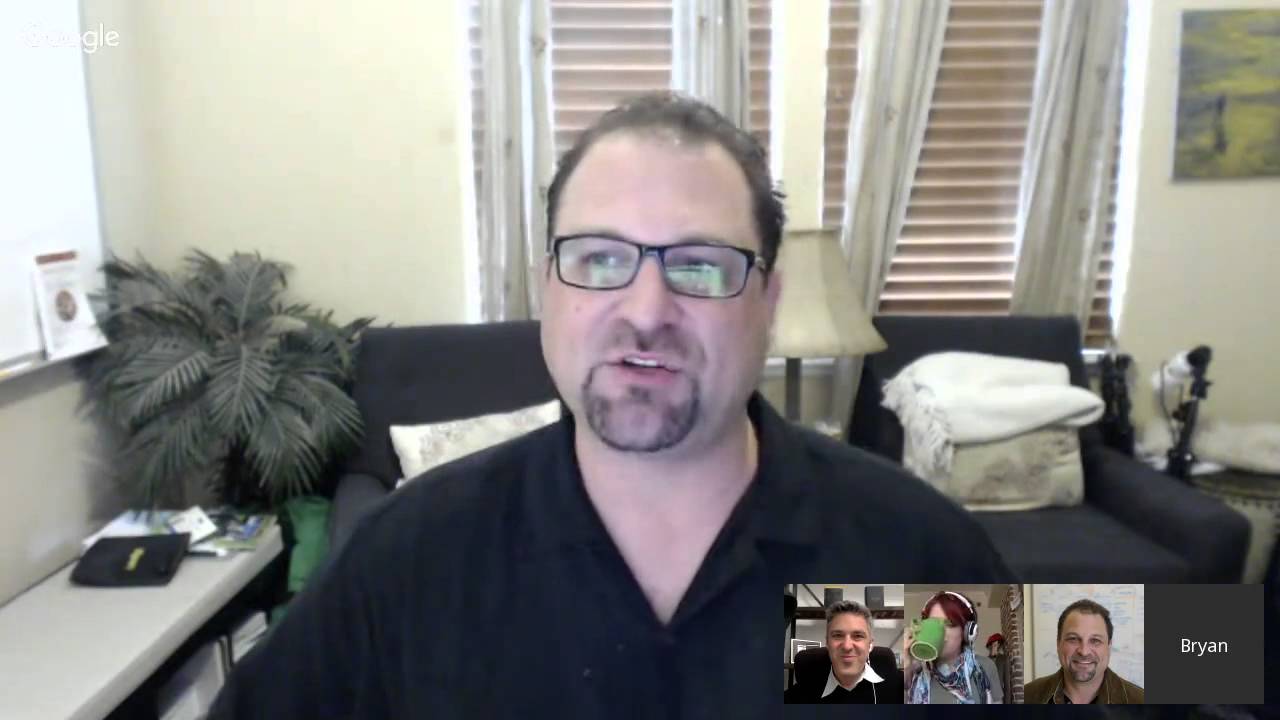
In this May 2016 YouTube livestream, host Bryan Kramer interviews Tim Staples, co‑founder and CEO of Shareability, about leveraging Snapchat for brands and influencers. Tim outlines his background in agency work and influencer campaigns, then explains why Snapchat is the next major social platform—highlighting its privacy‑first, intimate nature and the shift from YouTube and Facebook to Snapchat. He contrasts Snapchat’s “anti‑social” design (no share button, disappearing messages) with other networks, noting the difficulty brands face in audience discovery and measurement. The conversation delves into the split between native Snapchat content and the curated Discover channel, arguing that influencer‑driven native content offers the greatest growth potential. Tim shares practical advice on production value (favoring authentic, low‑budget content), audience targeting (focus on 16‑24 year‑olds), and the importance of niche, passionate followings over mass reach. He discusses the early‑stage ecosystem, including influencer hubs like the 1600 Vine apartment complex, and the challenges of scaling brand presence without existing influence. The dialogue also covers Snapchat’s future—API rollout, algorithm changes, and monetization—while acknowledging concerns about privacy, sexting, and the platform’s likely lifespan. Throughout, Tim emphasizes experimentation, quality over quantity, and the need for brands to invest resources to succeed on Snapchat, while recognizing measurement remains rudimentary (opens, drop‑off, sentiment) and will evolve over time.
Chapters
It is Bryan Kramer. We are here for another H2H Chat. So excited to be here because we've got some, some really fun stuff in store. If you are interested in having fun with, have never had fun with but would like to learn about, or want to see anything that has to do with this really cool word that has been floating around the internet more so in this year than I think anything else that has been floating around, and that's Snapchat. It has been such a great little social media network, and I'm having a ball on it. I can't stop snapping. And in fact, if everybody wants to smile, I will snap us right here. Cheers! Cheers! Alright, we are snapped. See, it's that easy. I just snapped us, and now everybody Gets to see it on the Snap Universe. So really excited about that. Just going to say hello quickly to Susie. We have some audio issues, so we may have to work through that here. Do we hear Susie? We don't. We don't. She is still having some audio issues, so we're going to work through that. I'll let Susie and Maya work through that maybe in the background while we continue to move But without further ado, let me introduce you to a guy that I've actually met, had spent time with. We've had a lot of fun talking about Snapchat. His name is Tim, and Tim is— hold on one second, Tim, with the audio stuff, I then lost my introduction of you. That's okay. Give me one quick sec here. Okay, here we go. Tim, first and foremost, how are you doing today?
I'm good, Bryan. Thanks for having me.
Yeah, thanks for coming. Tim, we're really excited about this day here. Just to give everybody out there a little bit of an idea as to who Tim is, Tim is the co-founder and CEO of Shareability, which is kind of funny since I wrote a book called Shareology, so we already have a lot in common there, working with global brands, studios, and digital influencers to create and distribute content that people love to share. He's been a part of some of the biggest viral successes of the past few years for brand clients like AT&T, Pepsi, Pepsi Hut, and the Olympics, including Shareability's global hits Fresh Pet Holiday Feast. I love the name. Spider-Man Parkour, The Dangers of Selfie Sticks PSA, and Ronaldo in Disguise. Most recently, Staples and Shareology co-founded ROC, an audio technology company in partnership with global football superstar Cristiano Ronaldo. Very cool. So prior to Shareology— Shareability. See, now you got me saying Shareology.
Yeah, you're trying to combine the two.
You're confusing me. Staples, Tim founded Converge, a new media promotional firm that created brand social campaigns with over 100 celebrities including Rihanna, Victoria Beckham, Courteney Cox, 50 Cent, and Steve Nash. Before Converge, he was managing director of integration for Omnicom, the marketing arm advising major brands in sports Quite an impressive background. Tim, why don't you give us just a little bit about yourself besides what we can read on a piece of paper? What are we missing that's the real Tim?
Yeah, the real Tim. I've been around the brand space for a long time. I've been really passionate about this change that you're so familiar with, which is how social has kind of taken over. And, you know, the days gone by are about brands beating their chest and trying to project a message onto an audience. And the future is all about inviting that audience into a community and being part of that engagement. And so I think we do have a lot in common, you know, from the shareable content side. We believe shareability is the future in terms of using content that is actually valuable for a consumer instead of projecting your message onto a consumer. So our passion is all about creating content that people actually want to watch, and we've had a lot of success in creating content that actually blows up. Across the internet. I think we've had over 20 videos on the front page of YouTube without any paid media support.
Wow.
Yeah, so we really understand how to create and program content for social, and now we're starting to get involved with launching longer-form content and television and films and launching some of our own brands. You know, we've had success blowing up other brands, and now we're starting to launch some of our own, our first being this brand with Cristiano Ronaldo, the football star.
Wow. So how did you choose Snapchat as the place you wanted to— I mean, you guys were doing so well with YouTube. What did you see in Snapchat that helped you?
I mean, I think it's all a mix, as you know well. Everything 2 years ago was all about YouTube, and then last year Facebook made a huge push in terms of video, and for a while it was kind of 50/50 YouTube and Facebook, and now we're seeing clients even veer further to Facebook than YouTube. And now, you know, for the next 12 months, we think Snapchat is coming like a freight train. Literally every meeting we're in with big brands, you know, everything is interesting and you're talking about all these different pieces of content, and once you say the word Snapchat, everybody shuts up. And literally leans forward and wants to hear what you have to say. I think no one's quite figured it out yet, and I think there's a long road ahead, but everybody's saying the exact same thing, which is we need to be relevant on Snapchat. For us, it's always about what's next and how do we be a part of it.
Great, and I think I heard background noise from Suzy, so I think her sound is working.
Can you hear me?
Yep. We are.
Alright.
Awesome, nothing like switching laptops to do the trick.
Good, good. All right, we are back with the full crowd here. Okay, so Tim, I want to dive into that more and talk a little bit about not only why you chose Snapchat, but what you like about Snapchat. What is it that you're putting your company in, you're investing in this? Why?
Yeah, we're going to make a big We already are. I think number one, the results or the trends are pretty obvious, especially here in the US. There are over 100 million users and just everything is heading in that direction. Things move fast in this space, and like I said, it went from YouTube to Facebook and now everything is heading towards Snapchat. But the interesting stuff to us is As much as we talk about shareable content, you know, YouTube was an open platform, Facebook was an open platform, Snapchat, when you look at the roots, it was actually built for privacy, right. It was built to have these disappearing messages that you could share with your close friends, right. So in some ways it was the anti-social network, right. So now as we've gone through this this period where everybody wants to be famous and everybody wants to share everything with the world, now the next evolution seems to be a little more nuanced where you're sharing with your close friends and you're having a much more intimate experience. And that might be 2 million of your closest friends in the case of some of the biggest Snapchatters or the Kylie Jenners of the world, but it's a very different experience and I think when you talk about shareable content, You know, we're always so big on the share button, right, on Facebook. We'll launch a video to get 50,000 shares, 100,000 shares, maybe a million shares if we do something really big. There is no share button on Snapchat, right? So it's a whole different process and a whole different ecosystem in terms of how you build audience. And the cliff note is it's really, really hard. And I think, you know, we're seeing that brands are really struggling to figure it out. I think that's going to continue.
That's great. I've said this before in H2H Chat, and I'll say it again for anybody that's new. My daughter is on Snapchat, and when I travel, it's the one way that I get to actually talk with her. I think she's okay with it better than text messages because they go away. Yeah. I can't hold her to whatever it is that we were talking about very easily. It's sort of, kind of possible, but not too easy. Even more so still, to get her to come down for dinner, I Snapchat a picture of dinner. She comes down, and if I yell up to her, it doesn't work so well. Snapchat is not just in business, it actually works in life. I'm here to say that for sure. The concept of sharing is obviously near and dear to my own heart, obviously having written a book called Shareology and studying the science and the art of sharing. I'd love to know more about Shareability and what you guys are about, what you guys do.
Yeah, so I think it all comes to this core concept that you understand, which is value for the audience. In the past, you had these networks and studios that owned the very few pipes that went out to the audience. So that's a television show, or if that was a film with theatrical distribution, You know, a big company controlled that audience, and as everything has evolved and social media has opened up that pipeline, now everybody can broadcast at any time to anyone, right? But what that creates is a lot of noise. And so as social media has come up and evolved from MySpace onto Facebook and YouTube and now Snapchat, you know, everyone's got something to say, and, you know, the world is a very chaotic and noisy place if you go online. Things are coming at you from a million different directions, and how do you even begin to kind of sort through all that madness? And more importantly, if you're a brand that now needs to go build an audience and build a consumer following, how do you think about trying to make sense of that madness? And we've seen a lot of brands that, you know, for the last 50 years really was about create a 30-second commercial that was all about, you know, the value proposition that they had, and then they literally project that onto an audience. be it television or otherwise. And as I think we've seen over the last 10, 15 years, the success of commercials has decreased dramatically. And, you know, I always— if I'm in a room, I always ask a very simple question, who here likes commercials? And, you know, a hand has never gone up, right? And so, you know, I think everyone knows that that needed to change, but we had a whole industry not only on the brand side but with advertising agencies and marketing companies and production companies that were all built around this 30-second spot. And I think with any time that you're that ingrained into a certain way of doing things, it's going to take time to change. And then you multiply that by the fact that social media, you know, these new networks and channels, they change very quickly. So one year, like I said, it's YouTube, and the next year it's Facebook, and now it's Right. Snapchat, Instagram, and how all those things work together. So, you know, almost impossible for a brand to really understand and master one, and just when they're starting to get a hang of it, you're on to the next 3, right. So we live in a very chaotic marketplace, and what we're seeing, you know, I've worked with brands, some of the biggest brands in the world for the last 20 years, and what they're trying to figure out right now is how do we build a long-term relationship with our customer. We used to rent that relationship from big media companies and studios, and now that model seems to be going away. Now we're in this chaotic online world, how can we be meaningful? And so the core premise behind Shareability was to create content first and foremost that has value for the consumer. So I'm not thinking about me, the brand, I start by thinking about the consumer and then I work myself back to myself and the brand, right? That's number one. And then number two, to think about different concepts and videos that actually take, you know, kind of take on these shareable emotions. And you know, you've written a whole book about this process, so you know about it more than anyone, but there are certain emotions that make you share, right? Whether you're excited, whether it's comedy, whether it's inspirational. Things that as you are on social media, something that's very intimate, how do you provide something of value to your friends and followers that you would actually want to share? And if that comes from a brand, you know, the bar is even so much higher that you would want to share that on your personal social media accounts. So Shareability was started to try to crack that problem of how do we communicate to an audience in 2013 and now 2016, and how do we start to be a translation device between brands and their customers and actually give them something that they want, something that's valuable, that invites them into the community and builds a long-term relationship.
Awesome, awesome. Okay, so it's a fascinating network too because it's so young compared to the other networks, and there isn't as much growth in the tool itself yet. Bryan was just pointing out, I mean, a year ago today Snapchat was a much different tool than it is today, and I'm sure a year from now it's going to be even different. Yeah. I'm curious how you're using it with business, how you're seeing results, and even more so the value that you see around businesses versus people. Because I'm— I personally, and I'll just throw this out there and then maybe you can kind of weave this into your answer. Yeah. I see a lot more use for people than I do brands right now.
Yes.
For now. I'm not saying that's not going to change, but right now I'm seeing a lot more of an influencer kind of use than I am for a brand to be using this. And maybe it comes down to the metrics. So anyway, I'm going to leave that with you and see what you think.
Yeah, I think first and foremost, I think the transition for brands from commercial advertising to YouTube was a difficult one, and one that took a lot of years, and there's still— a lot of them are still learning. Some have figured it out better than others, but it's still been a difficult process. And Facebook was a whole different transition that was also difficult. I think Snapchat is next to impossible for brands right now. It's so early in the process, and even for us as a company, you know, only in the last 3 months have we really started getting deep into Snapchat, and some of our big clients aren't even really on the platform in a meaningful way. So we're really at day one when it comes to the brand side of it. And as you said, you know, Snapchat is a very intimate medium. It's all about the people. And the people that are doing well on Snapchat are some of the influencers that have come from other social media like Instagram and and from Facebook and Twitter, and they've translated some of that success to Snapchat. You've got Kylie Jenner, I mean DJ Khaled is a little bit of an anomaly. He's someone that just kind of popped up in the ecosystem that people seem to like. But then even the biggest influencers that we work with, most of them have less than a million opens on Snapchat. You have less than a million followers on Snapchat, it's still so early. Where you might have 15 million on Vine, but you have 500,000 on Snapchat. So it's the wild, wild west. It's very, very early days. And because the way that Snapchat is set up, you know, as I talked about earlier, it's kind of the anti-social network. So discovery on the platform is very difficult. You can't just share a video and then that goes viral and everybody finds out who you are and, you know, attaches themselves to your account like maybe would happen on YouTube. It's much more nuanced. So we're finding that even for influencers, growing an audience on Snapchat is hard, and that's why I say for brands it's next to impossible, because they're starting from scratch. They typically don't have a big social influence elsewhere they can drive to the audience, at least one that's active. So what's happening is, you know, the influencers are really owning Snapchat, like in a way that they, you know, even further than on other platforms. I think the next year on Snapchat is going to be the year of these influencers kind of coming into prominence, and I think it's going to be the year that brands try to dip their toe into the water and they find out just how hard it really is.
You know, it's interesting because one of my best friends is a country morning DJ here in San Jose. It's one of the last privately owned radio stations in San Jose, actually in the United States. And he started out, he's been in business, he's been a DJ at that station now for I think 27 years. Wow. And so he's gone through the changes of media and seen different ways that radio has gone up and down and sideways and how advertising has changed, especially with the advent of social media. So I'll try to make this short because I have a whole bunch of questions for you. And by the way, everybody out there, please throw your questions out on #H2HChat for Steve. So Suzy can take those questions and turn them around and ask them of Steve in the second half. So the short end of the story is, I was out with he and his kids at his son's baseball game a couple weeks ago. I showed him Snapchat. Now he asks questions on Facebook, and he gets them to respond on Facebook, and then he says their name the next day on the radio and their answer to the question. So they get their name broadcast across the radio.
Yeah.
Everyone loves it. He gets hundreds and hundreds of responses, and it completely makes everything relevant that he does. Now I just showed him Snapchat, and his audience is kind of young. But here's the thing, he's showing behind-the-scenes stuff that Facebook can't show.
Yeah.
In between songs, he's showing his co-host, and he's talking about what they're going to play next, or what guest is on tomorrow, or how bad his sore throat is, or whatever it is, he's sharing that in-between behind-the-scenes stuff, and he's getting massive play in just 2 weeks, because people get to see what really goes on Not just what you're concocting for people to see, and that I think is the magic. What do you think about that?
No, that's dead on. I always say that Instagram is the platform of what you want the world to think you are, and Snapchat is the platform of what you actually are. And I think a good way to think about it is there's all these different influencers that are using all the platforms, so we just started working with Usher. And there's no better example, because he's really taken to Snapchat, and he's gotten a lot of press in recent weeks because he's kind of learning the platform and having fun with it. But watch him on Facebook and see how he interacts. Watch him on Instagram and see how he interacts. Watch him on Twitter, and then go to follow him on Snapchat, and it's a completely different experience. It literally feels like you're there in the room with him experiencing these moments In real time and living this kind of superstar lifestyle. Like last night, he was at a birthday party with Diddy and a bunch of celebrities, and you were right there singing Happy Birthday to the guest, right? And so it's a whole different experience than if you were to film that and cut it into a 30-second video for Facebook. The live element, the disappearing element, it all just creates a sense of urgency that I don't think these other platforms have, and I think that's what kids today love about it is it's very intimate. It's very of the moment. There's not this lifelong memory about it. Like your daughter, it goes away, and you don't have to worry about it. It's very much— you don't have to think too much, and you get to experience it just like that person is experiencing it. I think that's really powerful.
That's fantastic. Tell me a little bit now about— just before we We've got 10 more minutes here, so let's talk about the metrics. Let's talk about how you're using influence and Snapchat metrics, because there's only so much. Again, this isn't like Facebook metrics where you can point to— this is much more limited. What are you doing to get around that?
Yeah, they haven't opened up the API yet, and so I think a lot of interesting things are going to happen in the next year, and depending on who you believe, we're hearing a lot of different things. I think the normal evolution is you start very closed and you start to open up to outside sources, and it's all about you follow the money, right? And ultimately, how are you going to make these brands happy, and how do you reap those dollars that are coming from Madison Avenue? So I think you'll see some big changes, and you're already starting to see it from Snapchat. I think there's a big delineation right now between— on Snapchat is You have the native world and you have the discover world. And so the discover world is all these platforms that they've curated, like BuzzFeed and Vice, and they have these— they've created content specifically for Snapchat, and it's very packaged and polished, at least as polished as Snapchat could ever be. And it lives in its own interface and it's separate from native. And right now that's the easiest way for brands to get involved on Snapchat. They can buy it like they could buy a traditional media network, and that comes with its own deliverables, and obviously it's somewhat expensive because you're buying some scarcity, but it's the easiest way for a brand to get involved. Much easier to go spend $1 million and sponsor Discover than it is to go build out your own channel over the course of a year or a decade, right? We've actually looked at it the other way, which is we think all the power actually happens on the platform. And we think that the native world is where there's the biggest opportunity to have success. So we're partnering up with some of the biggest influencers on the platform, and we're actually launching different channels that kind of serve as this void in the market that's from the influencers, but them all coming together to go create really compelling content in different verticals. And the first one we're about to launch, and we haven't launched it yet, so I can't share too much, but it's going to be in the entertainment space. So it would be basically if these influencers came together and gave you their equivalent of E! News for Snapchat, right? And the biggest influencers in the world, you know, a different one every day come in with a different format, and they're talking about all the things that are happening in entertainment, they're talking about the things that are happening in pop culture. One day that might take the form of a skit, you know, around the big movie that's coming out. The next day it might be a rant about a pop culture topic. The next day it might be a celebrity interview in a unique way, but all built for the Snapchat ecosystem from the influencers that use it and know it best. So that's where we're placing our bets. Discover is always going to be there, and it's going to be an important piece of the pie, no question, and brands can access that. Natively on the platform and can take a whole different route to how you explore Snapchat in a much more kind of—
I think we had a freeze there. We may have to Is everybody— Susie, are you able to see Tim?
Yes, I am, but he's frozen.
Oh, he is frozen. Okay, I didn't know if it was just me. Tim, are you there?
Yes, I am. Can you hear me?
Okay, he's back. All right, sorry, we had a momentary glitch, and we like to call that a human moment. So one of the things that I'd love to hear from you is what How do you get content together for these superstars? How are you being real on a network that is all about being real? Yes. And still being, you know, at the same time they're probably asking you to formulate some kind of story that, you know, that is a little bit scripted so they know what to do. Like, what is it that they, you know, that's not going to make them look bad?
Yeah, the way we've thought about it, like I said, kind of like an E! News for Snapchat, but much more chaotic by design. And so we looked at each day and these influencers and we sat with them and we said, hey, what would be authentic to you to do as kind of a recurring format, but very loose? The idea here is not to program like a television network, because that wouldn't feel right on the platform. But to say, hey, if King Bach is on Wednesday, right, and he's known for doing these really crazy comedic skits, well, maybe that comedic skit that day is all about the Star Wars movie that's coming out, or the Bad Neighbors movie that's coming out that weekend. And now it just gives him context to do the things that he's doing anyway, but to do it around a specific topic in kind of in tune with what's trending that week. And then someone else, you know, may specialize in being really good at doing personal interviews and kind of one-on-one connections. And, you know, instead of interviewing their neighbor, maybe they're interviewing Usher, you know, or the big star of the movie that's coming out that week. And they're doing it in a very intimate setting that makes a lot of sense for the platform. And so, and then, you know, we're starting to do, you know, these kind of Snapathons. Where they're answering questions from their fan base in a unique way, but around a very specific topic that might be hot in entertainment that week. So everything kind of comes back to the same place. Our goal is just to put a little bit of context around it and make it all kind of make sense together, knowing that it's going to be very loose, it's going to be unscripted, and it's going to be chaotic, but that's part of the fun. And now you're tuning into this channel Because you want to be part of these big influencers, but in a very specific way. And if it's successful, this may be the way that you get a lot of your entertainment news, or eventually maybe some of your sports news, or maybe the place you turn to for comedy. But it's very of the platform, and that's kind of the belief of these big influencers, is that there's a need and a want for more content that's a little bit more structured. But maybe not all the way to the structure to the point that may be undiscovered.
I love it, I love it. Okay, so we've got just a few minutes left, and I want to just ask you a final question here. Before I do that, again, just throw your questions out. We're going to start in 3 minutes with Suzy and Tim on questions from you guys. So Snapchat questions that you have, just throw them out there and make sure you use the hashtag #H2Hchat. on Twitter, and we will go ahead and take those questions here. So, Tim, the one thing that I haven't asked you yet is what it's like working with some of the biggest influencers like Amanda, I think it's Cerny, and King Bach, and all these guys. How is that? And you just mentioned a few others. Yeah. How is it working around social media and those type of superstars?
It's nuts. It's funny, there's an apartment complex in Hollywood, it's called 1600 Vine, and it's on Vine and Hollywood Boulevard, just off Hollywood Boulevard, and it's become the spot where a lot of these up-and-coming influencers move in and hang out because they all collaborate together on their videos. So there's probably 50 big influencers in this one apartment complex. in Hollywood, and that's where a lot of these stars of Snapchat live. So you go over there and it's completely surreal because you're walking around this place and it's like a W for influencers, and they're shooting stuff by the pool, and they're off by the billiards table, and they're over here, and it's like this crazy playground for Instagram and Snapchat. And so it's really wild. I mean, you know, what we found— we've worked with a lot of influencers And I think some really get the platform and get the business side of it, and I think some of them get the platform but don't get the business side of it. And I think you've got to look really hard for the ones that actually get it. We found some good allies with Amanda Cerny and King Bach and Jake Paul and Lele Pons and Melvin Gregg. Some of these big, big influencers that are coming from Vine and Instagram and now are taking over Snapchat, and they really get it. They understand how this world works, they understand the business side of it, that they need to be in business with brands to go help grow and actually make money over time, but they know that it needs to be authentic to the channels and they know how to kind of draw that line, which is the hardest part. So it's all about, I would say, 1 out of 5 influencers actually get it, and you need to find that 20%, and you need to aggregate them and bring them together. But I can tell you, like King Bach, like, he's a guy that just absolutely gets it, and he's really great with an audience, and he's always going to protect that audience, but he's also a businessman. Amanda Cerny, she's one of the biggest on Snapchat right now. They call her the Queen of Snapchat. She gets over 2 million opens.
Wow.
But she understands the balance, and she understands how to give the audience what they want and to have fun with it, and then also how to build a business around it. So you just search for that, and then you avoid the crazies, is what I really like to say.
Awesome, man. Well, um, that is our time on this segment. I'm going to go ahead and, um, and pass you over to Suzy, who— Suzy, you're going to have to unmute yourself. I see you on mute right now. I can't seem to do it. But I'm gonna pass you over to Suzy. I'm gonna take over the Twitter handle, and you're in good hands, and you'll get some great questions. I've seen some great questions come across from everybody on Twitter. Again, everyone keep your questions coming. We've got half an hour here to take some Snapchat questions from a guy that is running his business on helping— for those of you who just joined in, he's helping influencers and brands to use Snapchat in a way that I don't think it's been used before, and that's basically because it's so new. So this is such a fascinating conversation, great topic. Tim, thank you so much, and let's go ahead and take over on questions. Suzy, he's all yours.
Thanks, Bryan, you're the man.
Cheers, man.
Cheers.
Alright, hey everyone, hey Tim, we're getting some absolute great response here in the tweet chat world. I'm going to go ahead and weave in some of my questions with the questions that we're getting here, and everyone out there, I encourage you to keep sharing your questions, this is a great opportunity to begin our conversation about Snapchat in our awesome, awesome community here. So let's get rolling. First of all, Tim, one question just for clarification. So you've been talking about brands, but it sounds like mainly though when you're giving brand examples, you're giving examples of influencers, say personal brands in the entertainment industry. Are you guys working with Do you work with any, say, B2C or B2B brands at the moment?
Yes, our core business is with B2C brands. So our biggest clients, we work with Pepsi, we work with AT&T, we just launched a big campaign for the Cricket brand around Mother's Day. We work with the Global Olympics, they brought us in to create content for a younger audience. We work with Pizza Hut, we work with about 15 kind of big blue-chip brands, we create social content for them. So that's actually the biggest part of our business, but we've gotten more and more involved in the influencer world in the past year, and that ranges from working with Cristiano Ronaldo on a new brand to all these influencers that are taking over Snapchat. So it's kind of a balance, we kind of sit between the two worlds, which makes for some interesting days as you can imagine.
I can completely imagine that. So are you seeing your Snapchat campaigns mainly in these influencer campaigns, or are you rolling them out across brands?
Yeah, so in Snapchat specifically, so on Facebook and YouTube we're mainly brand-driven, and then we'll involve influencers in the process where it makes sense. We believe that on Snapchat, that influencers— on other platforms influencers are nice to have, We believe on Snapchat they're a need to have. We think it's going to be very, very difficult to succeed on Snapchat because of how it is, the kind of anti-social network, without big pools of influence driving and helping you through your brand. So you can do that via Discover and you can kind of rent their platform, or you can do that with influencers and help to build your own platform. And so a lot of what we're doing on Snapchat is with the biggest influencers on Snapchat, and that's why you'll hear me talk about King Bach and Amanda Cerny and Lele Pons and some of these big influencers.
Fascinating. So I want to go ahead and jump into a few of our community questions. First off is from David Pepper. Hey Dave, so glad that you could join us this week. Always awesome to see your face in the Twitter feed. So what he is wanting to know, Tim, is how low or high is the bar for Snapchat production value? How much is enough?
Yeah, that's a good question, Dave. I think we're figuring this out as we go. I mean, obviously the core platform is a very low-production platform, and I think it's important to always understand that and respect it. I think what we saw on YouTube, you know, if we kind of look at history, is YouTube started out as a very low-production platform and evolved over time to a higher-production platform. That said, it was also an upload platform where you could take commercials and longer-form content, even feature films, and upload them to the platform, and it didn't stand out. So I think Snapchat is very, very different. I think it's a very intimate medium. I think anything, at least right now, that's too polished is going to stand out, probably in a negative way. But I think there's always an opportunity to push the limits of what works and to experiment. We really look at Snapchat today you know, in May 2016 as an experimental platform. No one really knows the answers. The best thing to do is continue to try and experiment. It's going to be different for every influencer and every brand in every situation, but I would veer right now on a much more authentic, organic, you know, direct intimate type connection with the phone, and I think I would play around with different degrees of production value. Right now a lot of the Snap Art is doing really well, so you get these artists that can come on screen and do really interesting things very quickly and kind of plus up the production value and storytelling in that way. And we're experimenting with a lot of that. I think that's something that's going to be hot for the next 6 months. And I think eventually you'll see the production quality continue to kind of escalate, but, you know, no one really knows. And I think that the winners in this space are going to be the ones that are continually trying and poking and Seeing what works and doubling down on that and then abandoning what doesn't. But for now, keep it really simple.
Great, great. Then I have a question here from Stacy. Thanks so much, Stacy, for joining us today. She says, what priority should individuals and small businesses place on trying to build influence on Snapchat versus other established networks?
Yeah, that's a good question, Stacy. I think Snapchat is going to absolutely be the epicenter of the next couple of years in terms of youth culture and in terms of influence, and it's going to be the place to be. But that said, I think it's going to be really, really hard, almost impossible for a lot of brands to kind of wager into it in the way you traditionally would. So it's a double-edged sword to me. I think it's important. But if you're not willing to spend the time and the money and the resources to experiment to figure it out, like brands like Taco Bell have, I think you might be better served hanging out on other platforms. I think Instagram and Facebook and YouTube are easier for brands than Snapchat is. So I think it's going to be tough to kind of just dip your toe in the Snapchat water. I think that's going to be a tough road. And I think going down the Discover path is going to be a really expensive road. So I think that's going to leave a lot of brands going, hey, I want to be on Snapchat, I know it's important, but I don't know how, and I either can't afford it or I don't have the buy-in internally to spend the resources to go build it out. So I think it all comes down to, if you're going to do Snapchat, you have to understand that it's a really difficult platform and you need to make the investment in the platform to actually make it pay out. And if you're not willing to do that, you might be better off somewhere else, because I think it's going to be a hard road, especially for smaller brands that can't bring the assets to bear and can't bring the promotional value to bear to actually get started, because getting started is the hardest part.
Would you say though that some brands, in terms of— so you're not going to go to a— you don't want to go into a social network where your community isn't present. Right, so it sounds like we're only seeing specific communities. You're mentioning influencers, you're specifically mentioning them in the entertainment and athletics industry. So it sounds like maybe there are some businesses that shouldn't even try right now. What are your thoughts about
that? Yeah, exactly. I think you know who you are and you know who you're not. If you're going to target, if a teenage audience is really important to your brand, a young adult audience is a really important brand, I think you need to get really serious about Snapchat. I think if your audience veers older, or a big percentage of it is over 25 or 30, I think it's much less of a priority for what you need to be looking at. And I think there's just more efficient and easier ways, frankly, to go about it via Instagram and Facebook and YouTube and other platforms. You know, that said, If you can figure it out, it's so early that I think there's an opportunity for brands to take a lead and to really do it right. And if that audience is going to be important to you, you know, a 16 to 24 audience is going to be important to you and your brand for the next 10 years, I think that there's huge opportunities for the brands that actually take the jump and are willing to spend the time and the resources to go figure it out. I think that it can be a multiple of 10 past their nearest competitor. Because it is going to be difficult, there are going to be barriers to entry. You know, a lot of people aren't going to have the wherewithal or the fortitude to go figure it out. So it's kind of a bipolar statement. I think if you're going to try to do it, you need to be ready to do it, and if not, then that's fine too. And I think there's other ways to do it, especially if your brand SKU is a little bit older, then I would advise you kind of head in a different direction.
So I have a question here from Cam Swegman. Cam, always love it when I see you join our Twitter feed every week. So the question is, do you think that as Snapchat gets more commercial, this younger demographic that you're talking about that's driving its popularity will move on?
Yeah, Cam, that's the thing that, you know, for us it's always about the evolution, right? And like I said earlier, from YouTube to Facebook, that happened quickly. From Facebook now to Snapchat, that's happening quickly, and they all kind of move in parallel. I think the biggest long-term issue with Snapchat, you get to a certain age and you don't want to move social platforms, right. So there's a lot of people that have now invested a lot of time and energy into Facebook that are over 30 that have no interest whatsoever in going anywhere ever, right. They use it to go share pictures of their kids or to go talk to their friends or whatever, and to start from scratch sounds like the opposite of what they want to do. Now anyone under 20, what history has taught us is that if it was the hot social platform 3 years ago or if you used it in high school, you may not want to use it in college. Right. And that's been something that started with MySpace that continued to Facebook and then went to these other platforms. You're starting to see it a little bit with Instagram, and at some point it will probably happen to Snapchat. So I think the biggest fear for Snapchat would be— listen, I think they're going to have a 2-year run any way you slice it. I think they're going to be huge for the next 2 years and probably beyond. Because they're on that path and there's no stopping that path. And then the question will be, you know, if they don't get acceptance over a certain age and the younger audience starts to opt out and go to a new platform, then that might be a tough situation where they're kind of caught in the middle. So, but, you know, no one knows, and anyone that tells you that they do is probably not someone you can listen to because it's just— it evolves at its own rhythm. And the youth is going to do what they want to do, and right now what they want to do is Snapchat. So I think you've got at least 2 to 3 years of Snapchat being the hot thing that everyone's talking about and brands are trying to figure out, and then the future after that kind of remains to be seen depending on how they evolve the product.
So as a follow-up to that, do you see Snapchat making any push in the future to diversify, to try to Extend their appeal? So it sounds like right now the appeal is for the most part, if you're looking for a young audience, go to Snapchat. But if you're saying as this young audience grows up, there's a good chance trend-wise they're going to leave, do you see Snapchat potentially deciding to evolve their platform to combat this?
I think they have to. I hate to keep I love pointing to history because history is so recent.
Those who forget history are doomed to repeat it, right?
That's exactly right. If you look at Facebook, all these platforms start out cool because they are very niche. Facebook literally started out as The Facebook, which was a college yearbook app effectively. It was for college kids and you had to have a college email address to even be able to use the platform. It
started at a certain university to begin with.
Yeah, exactly, it started at one university and then became the hot college thing. So they could have stayed and become a college app basically, and that's probably a pretty rough path, right? So now they've evolved and they're known for actually an older audience, right? They're known for a 35+ audience, so it's amazing how quickly What was that, 2005, 2006? So in 10 years they've gone from the college app to something that moms use, you know, in a lot of people's eyes, right? And so it's been a quick, quick evolution, and I think, you know, as the youngest audience always tends to move on to the next hot thing because that's in their DNA, and they don't want to use what the people used before them, or like I said, if you used it in high school, now you outgrew it for college. It's just the way— Humans work, I think there has to be evolution. And I think that not only evolution on the user side in terms of what tools can be useful to get to a larger audience or to have the younger audience involved with the product, but also evolution in terms of how brands use the product and how you can monetize the product. Because a big user base is great, and that allows for a certain valuation and all this buzz, But when push comes to shove, these companies have to make money. That's what we're seeing in the tech space right now. And without the evolution with brands and making it easy for an interaction with brand and their consumer experience, you can't scale the business, and that's certain death. So I think you'll see a lot of evolution. I think it will happen quicker than people even think. I think they're already talking about the Snapchat algorithm, which is going to help to funnel the feeds, much like what has happened with Facebook. Which will make a lot of publishers and brands really nervous, because now you get to more of a pay-to-play model over time. But I think the evolution is going to be very quick, the learning curve is going to be really steep, and I think the Snapchat of a year ago is going to be very, very different than what you see today.
Well, we'll be on the lookout, definitely. So I have a question here from Don. Thanks so much, Don, you always give us great questions. Great question. She says, do you think Snapchat will replace another social media platform? One thing in my mind that I just want to add to this is when you were talking about Snapchat as the behind-the-scenes idea, it sounds very much similar to Vine, similar to of course Periscope. So if we look and say, okay, 10 seconds is enough to be very consumable, do we need a 30-minute Periscope? Do we need just this recurring Vine? What are your thoughts?
Yeah, it's interesting how quick things change, and you're talking to these influencers, some of which were, you know, came up on Vine and had, you know, billions, literally billions of loops on Vine. You know, we're working with the biggest male on Vine and the biggest female on Vine, so they literally have crushed the platform. And if you ask them and other people like them about Vine, they will say Vine is dead. It's just no one knows it yet. Literally they'll say Vine is dead, and they'll use it just because they have an audience there, but the whole audience is starting to evolve out. And part of that was it was a really great format, and these micro episodes where you could do just a few seconds and tell a story, what we found is that the audience actually wanted more. Like it truncated so much that they actually went the other way and they wanted more. And I think a lot of the success you saw in these short videos on Vine are now being pulled over to Instagram. Instead of doing a 5-second video, they're doing a 30-second video, or it may even stretch out to a minute, and they're doing the same style of storytelling. If you look at King Bach or Lele Pons, it's this kind of over-the-top comedic kind of soap opera-y style that works really well for the platform. You can consume it really quickly, it's very shareable, it's very fun, it drives a lot of engagement, and it's very of the moment, whatever that topic is that week. And I think you can see that continue to evolve. I think that's a very polished version though, it's still edited, it's still how you want to present it to the world. And as I said earlier, Instagram is very much how I want you to see me. It's pictures of this glorious vacation I'm on, or I'm at center court at the Lakers game, or I'm hanging out with this really cool person, and I'm putting that up and wanting to get all this love. Snapchat is very much of the moment. And it's very much about what I'm doing right now and you having a window into my life as I'm living it, right? And then it goes away, right? So everything is about personal experience, and I think in some ways that's a push for the better when you look at youth. I have 2 young kids and I look at social a lot, and you worry about what it's going to mean for your kids as they grow up. For me, the whole Instagramification of the world where it's like you're always putting on your best self. That's not a really positive thing for kids to grow up with, always trying to be something that you're not. Whereas I think Snapchat is a lot goofier. It's a lot more, here's who I am, kind of accept me and be part of the thing. You're even seeing celebrities, like I said, Usher who's doing a lot of it, or some of these influencers, where they just show themselves doing stuff in a very goofy way and you go along for the ride. It's much more put the guard down, my life's not perfect, but I enjoy who I am and come and join me on this journey. I think if nothing else, that's a positive step for the youth of our country. A lot of people are not going to love social, and they're not going to love kids being on their phone all the time, but at least it's more about who I am and not who I want to be.
Should we be a little bit concerned though, since you mentioned it, since you mentioned youth, right? One of the initial things that Snapchat was really known for was sexting. Are we past that era? When we're talking about you.
There's no way we're past that era, and I think that's going to happen one way or another. I think we're in a world of technology where that stuff is going to be a reality, and I don't think there's any two ways around it. I think at a certain level, all that stuff tends to rise up and then kind of fade out over time. There's almost a novelty of it when the technology first exists. And then over time people get smarter and they see enough examples of the negative consequences of what can happen that they just get smarter about it. You know, 2 years ago people just didn't know, so they were doing it and then all these bad things started happening. And now people get wiser and more protective, and I think you'll see apps get a lot more privacy-centric. And so anyway, I think you'll see an evolution, but I think that's the future world we live in as well. with this great connection brings a whole other realm of issues and challenges that we've never had to deal with before, and I think you've got to take the good with the bad.
Yep, yep. So I have a question here from Jeremy Murphy that I think is really important, because you know we've got to talk about measurement somehow, right? It's a platform really hard to measure, but somehow we have to figure that out. So let's get this rolling with Jeremy's question. He says, what is most important in Snapchat success, quantity, quality, or engagement with friends and followers? What are your thoughts?
That's a great question. You know, I think it's so early on the platform that, you know, I think at the end of the day, if you're a brand, you know, you're looking at the same thing, which is how do I build a relationship with an audience? And our big belief in terms of shareable content is we always say that niche is rich. And that's a unique saying, it always sticks in people's heads. But the meaning of that is you'd rather have a small group that's really passionate about something that you're doing than a large group that only moderately cares. And I think Snapchat ultimately allows you, and all these social platforms, they allow you to be a lot more niche. When you were on television and doing a 30-second commercial, everything was broad, right? You could pick the show so you had some level of control over who was watching it, but you're going out to a mass audience. The beauty of digital and social is that you can be much more targeted into who you invite into your world, and naturally the people that are interested in certain topics are going to be the ones that are attracted to those topics, right? So a long way of saying, I think Quality over quantity always, but it has to be a mix of both, because if you're talking to a room full of 3 people, then you're not going to get real far on your journey, right? Right. So how do you build these platforms so you have a niche audience, a small audience that grows over time, that's really passionate about what you're doing? You do the hard work early so you grow that base, and then that base helps you grow your audience over time. That's what we've seen be most successful. Anyone can just go blare across the world with a bullhorn and say, here I am, check out what I'm doing. And sometimes that's helpful, most times that's just thin air that kind of comes and goes. And we see that if it's not valuable, if it's not meaningful to the audience, then they're just empty impressions. And I think, you know, to answer the question, I think brands need to think about what they have that's part of their brand that's valuable to this audience. And how they can give it to them in a way that they're going to be able to relate to on the platforms like Snapchat. If you can start there and I can say, hey, you, you're my audience, what do you want? And I can start to think about how I give that to you in a way that makes sense for me and my brand, you're going to be ahead of 95% of the other people on the platform. And then think about what that niche that you can own is and how you can build a meaningful audience, small at first, that continues to grow And so I think, long-winded way of saying, I think it's quality over quantity, but you have to be able to ratchet that quantity up over time.
So looking forward, as Snapchat opens up the API, hopefully adds in analytics, what types of metrics would you like to see available?
Yeah, you know, right now, and circling back, you know, obviously everything's about opens. And what we're seeing on a lot of these influencers, and then you compare it to brands, is that even the influencers on 2 fronts. Number one, they have a lot more opens, right, they have a much bigger audience, but then you see the drop-off that goes— let's say they put 7 snaps in the story, they may only drop off 5 or 10%. If they have 100,000 opens on the first snap, they may be at 90,000, 95,000 by the time you get to the 7th. So people are hanging in there and watching the whole story. I think what you're seeing with a lot of brands and some of the early experimenters is even when they're able to drive some heat around a story, they might have 10,000 opens, but they're at 5,000 by the time you get to the 6th or 7th snap, sometimes even worse. So I think it's not just about the pure number of people engaged with the content, but do they stick with the content, that's number one. And then it's always going to be about sentiment, right? Brands have always proven that you can get people or force people to watch something, and that changes, and ad blockers and that whole world is changing how you force someone to do it. Just because they watched it, did it do any good? Was there a positive experience or interaction with that content in some way that led you to some kind of experience or take a next step? Because I would argue that if not, then what's the point of doing it at all? So I think the biggest thing in terms of metrics, you'll always be able to understand the opens and the view rate, and those things are all going to be really important. But how do you start to get the metrics of sentiment, and how do you start to get to understand the metrics of what your audience actually wants in real time so that you can give it to them, and you can continue to evolve your platform to be able to give the audience what it wants, so now you have a mutually beneficial relationship. And right now nothing like that exists and probably won't exist for any period of time in the future, but I think if they can get to sentiment, if they can get to experience, and they can get that interactivity in a way that promotes an open sharing of conversation between the two sides, that's going to be so instrumental for brands to be successful.
So I have one last question here, actually a follow-up to this by my good friend Lynn. She wants to know, can we track those opens to the bottom line at all? Do you foresee that happening?
Yeah, Lynn, it's going to be hard for a while. I think that's one of the tough parts about the platform is, you know, and this is any social platform, I mean, a lot of brands pay all kinds of money to influencers on Instagram, and yeah, they got 80,000 likes, but their audience didn't connect, they were just liking something from their favorite influencer, they didn't connect it to the brand in a meaningful way that drove action. And to us that's just a hollow like, that's a hollow interaction, doesn't do any good for anyone except for it puts some money in the influencer's pocket, right. So I think the big challenge with any of these platforms is how do you program them in a way that drives business result for the brands, right. That still remains authentic or organic to the platform, and if you're working with influencers, how do you ride that balance between tapping into their influence and making that a positive experience for everyone that's involved. It's a really tricky thing, and in terms of the measurement on Snapchat today, you're at ground zero. Like literally, you're testing stuff, you're seeing what works in real time, you're trying to account for different variables that are holding steady or not in your other marketing mix. But it's the wild, wild west, and I think it's going to be a while before you really understand how to separate out those variables and it becomes a true marketing platform. And if Snapchat gets too good at being a marketing platform, will it still be meaningful as a content platform? So that's the mix, and I think you've seen it with YouTube and Facebook and Instagram. You'll see something similar happen on Snapchat. It'll never be perfect, but I think the smart brands kind of take the bull by the horns and they say, Hey, we're going to experiment with a bunch of things where we can control the variables, and then we're going to see what the end result by driving to a very specific offer or by having a very specific promotion that they can measure on their own in partnership with some of the metrics they are getting from the channel. But don't rely on just the social channel, build the teams, build the infrastructure, build the experience so that you can measure and test, and then hopefully you can ramp up the things that are working and the things that are not. Because it's going to be a long time before Snapchat, you're able to really pull the metrics you need to be able to decide dollar for dollar if that's more impactful than another platform. It's just not set up that way.
Yep, yep, yep. You've given us awesome, awesome food for thought today. Thank you so much for joining us.
Awesome, thank you, Suzy.
Yeah, absolutely, it's been a complete pleasure. I want to invite everyone to tune in next Join us next week for part 2 of our Snapchat conversation. Bryan, do you want to announce the guest?
Now that you're back. I'll announce the guest as soon as you tell me who it is.
Our guest is Nick Cicero, and our special, special co-host who will be joining me while BK is out is Bryan Fanzo. So join us for part 2 of our Snapchat conversation.
Sorry, I had a brain moment there. That's
okay, normally
it's
me.
Nick has a great tool, a Snapchat tool. Tim, you may actually love to see this because this tool will actually collect metrics around Snapchat, and it will allow you to download branded stories and metrics and have it all in one dashboard. It's kind of a cool tool. Awesome. I definitely encourage you and everyone else out there to watch this next week, because we're going to dive even more into the metrics side. I know that's continually a question that people have. But also, what are brands doing to continue along their journey? Tim, this was a great HTH chat. You trended, we trended again. here on HJ Chat, which is fantastic. So everyone out there, congrats for trending yet again on Twitter. And Tim, where can everybody find you?
Yeah, I'm on Twitter @MikoDala, M-I-K-O-D-A-L-A, or you can go check us out at shareability.com.
Great, sounds good, and you'll have a lot of tweets to tend to. Thank you so much again, and we'll see everybody next week. Same time, same place. Cheers.
Thanks, Bryan.
More from Bryan


AI Didn't Make Leadership Harder. It Made Fake Leadership Impossible | CODA Keynote | H2H 2.0
Why AI Makes Connection More Valuable | BOLD Awards Keynote Trailer | Human-to-Human H2H 2.0