#H2HChat Human Inclusion in the Digital Age with Mark Babbitt
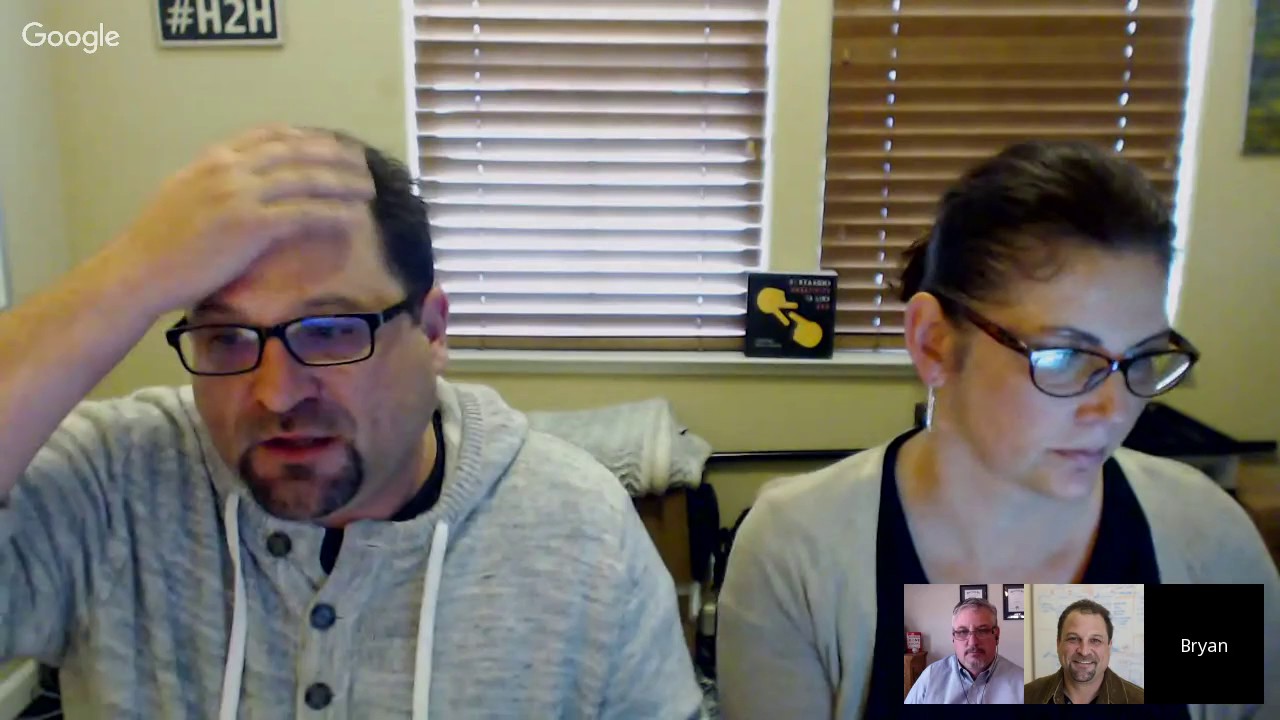
In this live #H2HChat, host Bryan Kramer, co‑host Courtney, and guest Mark Babbitt discuss the pervasive problem of human exclusion in the digital age and how it manifests in corporate culture, education, and the gig economy. Mark, author of A World Gone Social and founder of Switch & Shift, U‑Turn, and ForwardHeroes, shares personal stories about leaving engineering for purpose‑driven work, the impact of early gender stereotypes, and the need for genuine inclusion beyond lip‑service. The conversation introduces practical concepts such as “contagious pockets of excellence” (micro‑teams of the right people assembled at the right time), reverse‑mentorship, and solution‑focused workgroups. They critique traditional top‑down diversity initiatives, highlight the shift toward a testimonial‑driven marketing economy, and argue that mentorship has become a lost art that must be organic, mutually beneficial, and free of transactional expectations. Audience questions from Twitter cover topics like inclusive marketing, structuring one‑on‑one mentorship, avoiding competitive mentor relationships, and fostering inclusion in local meet‑ups. The dialogue ends with a call to action for leaders to model accountability, truth, and transparency in marketing pipelines and to continue the conversation in future H2H chats.
Chapters
Hello, hello! Welcome to another H2H chat. That means it's Monday at noon Pacific Standard Time. We are coming to San Jose, California with my new co-host Courtney.
You're good.
See how we see how we coordinated that? And you can tell the new format includes. The illustrious Captain of Fun here. And so we're going to be having a lot of fun as we go. Really excited about it. So welcome and congrats on your new book.
Thank you. It's really— Back there. Or should I say back there?
So we have a lot of stuff here that we want to cover and we're really excited to be here. With our very good friend Mark Babbitt. Mark is the co-author of the Amazon bestseller A World Gone Social: How Business Must Adapt to Survive, and On Demand and In Demand, you pick. Mark's been named as top 100 leadership speaker and top 50 leadership innovator by Inc.com. So Inc. is This little newspaper or magazine you may have heard of. Mark's president of Switch and Shift, a site that helps leaders keep their promises, enables teams to meet their potential guides, and guides organizations towards fulfilling their core purpose. Say that 10 times. Mark is also the founder and CEO of U-Turn, which I am geared towards, and I think Courtney has as well, because it really helps a lot of the younger up-and-coming leaders to really find their place in the work-life experience. I just put that into my own words because that's how I understand it, but we'll get into that here as well, I'm sure. His newest community— I did not know this— forwardheroes.org will launch in 2016. So that means it already launched.
It will talk Yeah, it did launch. We're working out some kinks, but yes.
There we go. Okay, so we're gonna have to talk about that too. Help our military veterans transition successfully into civilian careers. Anybody need a tissue box? When, when not working to help clients from startups to Fortune 100 clients, he embraces the social age. He writes for outlets like Harvard Business Review, Inc., Huffington Post, and Bloomberg News. Mark's the father of it, he knows of. I'm just kidding. And 2 black Labradors. He and the woman— he and the woman— he and the woman who barely tolerates him calls the mountains of Colorado their home. So Mark, so many things you're working on, so many things.
That took a long time to read, huh? Wow.
Yeah. But it's good. It's phenomenal. And this is very— it's moving. It really, you know, there's something a little bit about each one of those things that touches so many different parts of people's hearts. Where does that part of you come from?
Well, oh, what a great question. I— well, like John Ferrara last week, it really struck a chord with me when he said, You know, he did the corporate thing for a while and it just didn't work for him. And I'm definitely one of those guys. I did the engineering thing. I did the Silicon Valley thing. I did it for an entire decade before throwing up my hands and saying, this just sucks. This is just not who I'm supposed to be. And since then, I've tried to live a life where I'm living my purpose. And to me, my purpose is helping others. And doing the right thing even when nobody's looking. And it's the way I run my business, it's the way I raise my kids and now my grandkids, and the way I coach my baseball teams. And it's just at my core.
Oh, that's fantastic. And it's why I think, you know, we enjoy sitting down and talking with you every time we get in the same city, because it's always fun to hear your stories. And I know that That one of the things that you're also really passionate about, which is the topic of the show, is inclusion, inclusion of humans, especially in this digital age where— I'll clap for
you
when you say humans. But the inclusion of humans, and I know that that's kind of a thread, if you will, that kind of connects everything that you work on. Right? Is that accurate?
Well, it is. And I blame the helicopter parents. I blame reality television. I blame what's turned into a pretty judgmental society. But exclusion seems to be the norm. We seem to be pretty unwilling to include others in our conversations and our thoughts and our processes. And it's becoming an epidemic. And there is nowhere that's more true than in the corporate world. And it doesn't matter if you're Male, female, boomer versus millennial, you know, it's everywhere. And it's a problem society needs to fix. And I told Maya this as we were getting ready for the show. I can't tell you how much I appreciate the influence you guys have organizing all those marches just to promote the show today and inclusion as an issue. I think it was very, very clever of you guys.
It took some doing, but we pulled it off.
No, it was quite impressive. It's influence at its best, right? Because that's really— when you get right down to it, that's what people were marching about. It wasn't Republican versus Democrat and Trump versus the world. It was really about, no, we have a voice and we want to be heard, and you don't get to take that away from us.
Well, I— and for us, I will say, pulling everyone together, And so I didn't know if we were going to make it today, but I'm glad that we were able to pull that off. And so anyway, I'm wondering what— let's talk about inclusion on a deeper level, corporate-wise. What are you seeing right now with the way that people are being, as you mentioned before, discluded or— Or in ways that they should be. Why is that happening?
Well, I think for one thing, I think we've at some point in our, in our working world, we have to, we have to start talking about the how and the why or how and the what. We, we're not talking, we keep talking about the why. We're past that. You know, we, we know why corporate America should be more inclusive. We know why there should be more females in the boardroom and in the C-suite. We know why there should be more minorities in those same levels. And yet, we're not— it's not helping, right? It's— we've been giving lip service to this problem for 30 to 40 years. And yes, there have been strides. Yes, there's been progress, but nowhere near the point it should be. And I think it's because we keep talking about the why instead of the what and the how. And, and a big part of that, frankly, is guys like me controlling the messaging. It's, it's us old white guys that are so afraid of losing our current level of control that we're not willing to talk about the what and the how, at least not yet.
Yeah. So why is that? I mean, keep going with that. What is it that— why is it that we're willing to talk about the why, but we're not willing to do the work?
Well, I think it honestly starts all the way down in our education system, right? Girls are supposed to be girls, boys are supposed to be boys, that whole paradigm. And my wife is a rocket scientist, and even her own father at times said, no, you can't do that, women don't do that, right? And that's been the delivery method, right? Let's hold everybody down. Let's put people where we think they belong. And so I think it starts way, way back in kindergarten, 4th, 5th grade. But more importantly, I think we haven't yet given people a voice. I mean, we say we have, but when's the last time corporate America had a major, major problem and half the people in the room to fix that problem were non-white males? It doesn't happen, right? Because corporate America fixes problems based on title and how expensive your suit is, right? That's, that's, that's our, that's our bureaucracy system. And, and, and we, we gotta get past that.
This conversation's making me want to cry.
Oh, sorry. That's not the intent at all. We're— I wanted to come here and provide actionable inspiration. I didn't want to make you cry.
No, it was interesting. Just going back to the marches really quickly. I was watching a livestream on Mashable of the march in New York City. And it was, you know, the comments were off and all of the women were like, yes, this is so empowering. This is so amazing. And it seemed like 90% of the men that were commenting were bashing it and trying to Are people even marching? And I commented myself, I was like, oh, there seems to be a lot of mansplaining about women's marches in this feed. Like— Well,
that's— I have to tell you, Courtney, that's a problem I even face when I, when I get up in front of an auditorium or a college campus and talk about old white guy disease. I'm fully aware I'm one of them, right? And it is mansplaining a problem that affects non-whites and non-males in a very real way. And so my intent is never to be that talking head guy, you know, that is white, that does have gray hair, that clearly has been around for a while. It's to open eyes and get people to start their own conversations and do it in their own way and make it so socially acceptable, the conversation itself, so socially acceptable that pretty soon We'll, you know, we'll get where we need to be, where, where there is equal representation in the C-suite and the boardrooms.
Right? It's so overwhelming.
Well, the whole topic is overwhelming. But, you know, part of, part of our role as leaders and influencers, even though I'm starting to really hate that word, is to start the tough conversations. Right. It's, it's not, it's not to, it's not to say what everybody's going to agree to, you know, despite what we, what we do and we say on Facebook. I think, you know, Facebook in a, in a bad way has taught us how to say things we know people will agree with and it becomes an echo chamber. And, and I think it's a great way to start a tough yet civil conversation. And, and that, that isn't happening enough right now. And until it does start happening, we're not gonna, we're not gonna fix these problems.
So is that— is the negativity, you think, that is all stemming from fear?
Well, fear in many forms, right? It's fear of losing control. It's fear of losing what we have. It's fear of losing our dreams for what we want. But let's face it, an entire presidential election was just won based on fear. So it's hard. This is, you know, this is where the reality TV mindset comes into play. Well, guess what? Now we're living this weird Celebrity Apprentice life. You know, we've chosen this as a society. And for a while there, I completely had to leave social media because I couldn't deal with the negativity, the blatant hatred toward others. And And I finally realized I had to come back and actually, hopefully, lead by example and start saying positive things. I still don't post puppy pictures of puppies or anything, but just trying to start civil conversations is important.
So, so give me— give us an example of something in, you know, where you saw, you saw this change happen and then you, you were able to reverse it or you're able to create a space where in where inclusion was created, where somebody was able to, you know, lead by example in a positive way.
Well, you know, we over at U-Turn, we see this literally, Bryan, all the time. We, we see women, non-whites, different preferences, different styles, different religions out in front. But this only seems to happen— not only, that's an absolute statement. This seems to happen more often when it's a group of millennials talking with other millennials. You make it intergenerational and it becomes a whole different dynamic. And there's almost always the old white guy, or at least a white person, male or female, up in the front of the room, right? And, and, but among millennials, they don't care. They, they don't care where you came from. They don't care where you were educated. They don't care where what your economic status is. You have a voice here. And if you're a good leader, we're going to respect you for that. And they're defining inclusion or redefining inclusion. And if nothing else, here's hope for the future. 25 years from now, I'm hoping that with, you know, once Gen Z is now in management and leadership positions and Gen Y has the majority of those positions, we won't even be talking about this anymore.
Oh, good, because we'll all be secluded.
We'll be secluded in senior citizen homes.
Yeah, I will be, I will be fishing with my grandkids by then, and I just don't give a shit. I'm good with that.
So, okay, so you, you, you see this every day, obviously. How do you Companies to start to move towards inclusion?
Well, we— I actually stole this phrase from my business partner over at Switch and Shift, Sean Murphy. You know, he started this, this trend of the human side of business, and he works very hard to help companies like I do make this shift. And it's It's no accident. Now, here's what's funny is people think it's a top-down thing, a CEO thing that has to drive this. Absolutely not. Again, they're, they're actually part of the problem, right? So, so Sean has this, adopted this phrase called contagious pockets of excellence. And you take a team, you get the right people in the right room at the right time, regardless of any other factor. They're the right people to fix this problem or to meet this challenge. You build this little micro team. And you do that over and over and over again until somebody, maybe even the old white guy up in the 62nd floor, looks down upon you and goes, damn, you're doing good work. How did you do that? Right? And it becomes literally contagious. And people start to see that there is a better way other than just following the bureaucratic format to solve problems and good stuff starts happening. We're seeing that everywhere. Everywhere, even in some legacy organizations. One of our clients is in healthcare, which doesn't get more old school than that. Another is a public utility. And the change that has happened just by getting the right people in the right room at the right time, regardless of title, regardless of any other factor, they're solving problems that have been going on for years in hours, literally hours. Okay, here's the right thing to do. Let's go do it. And it's, it's, it's inspiring.
How do you find the right people?
Well, that's the hard part, right? I recently, I flew to Chicago, and we had this big meeting, big cybersecurity problem. And I was there to facilitate a meeting because people weren't getting along very well, and they weren't getting to the root cause of the problem. And I walked in, and it was, it was 13 men, no, 12 men, One woman, all white. None of them had any access to the floor where it happened. None of them had any experience with cybersecurity issues. None of them had any technical experience whatsoever with what it takes to be hacked. And I just looked at them and said, you know what, we don't— we clearly do not have the right people in the right room at the right time. You suits can't help. Mm-hmm. Can you fix this problem? Right? Let's, let's build a team to fix the problem. They'll report back to you. And the resistance was amazing, right? Because this is how corporate America does it. And it's just, it's a change that will happen anyway. So let's, let's, let's help it happen now.
So, you know, it's interesting, Rachel Miller mentioned positivity begets positivity. Which is totally true. And whoever's leading, whoever's at the executive management top, or whoever is leading any kind of conversation on any level tends to, you know, you get out of it what you put into it. So I think along the lines of what you're saying is that. And I'm wondering how that might change though with the— The working, because that's changing too. Like the working environment of how we, you know, the tilted amount of people that are becoming freelancers versus full-time, or the expectations of kids that are graduating college or even high school and thinking that, you know, that they're going to come into this full-time job that, that, you know, is going to give give them all the benefits that our parents and grandparents had in their era. My question to you is, how are all these changes going to affect inclusion when we're becoming, in fact, disparate in our own right of how we
work? Well, you know, the gig economy has been coming on for quite some time. I've been in the career space now for 20 years, and it has slowly been changing Over the over two decades, and and as soon as corporate America realized that it was cheaper to hire contractors and temps and contractors than it was to groom full-time employees, then that became a business initiative for them. And and that's okay. That's just economies changing. That's that's the times changing. That's our culture changing. That's okay. The problem is that our higher education system hasn't kept up. We're still graduating seniors from college who were 1994, and that's not okay. Now, there are some amazing exceptions to this rule, right? Babson University, Chapman, they saw this coming a long time ago, and they adapted their system to deal with this new economy where people were rewarded for their entrepreneurial spirit, warning them that, don't look, don't go Don't go out there looking for the, for the W-2 and the gold watch. That stuff doesn't happen anymore. And, and so there are exceptions, but for the most part, our, our, again, our education system is failing our young talent. And, and to your, to the other point, Brian, it's funny when you look at the numbers among freelancers, solopreneurs, contract workers, temp workers, it's very inclusive. It's, you know, these are people regardless of race, religion, color, background, anything else, that are stepping out of their comfort zone and doing amazing work and being a 1099 employee and getting the LLC or getting the partnership and doing good work without the need of a traditional 9-to-5 job, those numbers are quite encouraging. And they show us that— Bam. That entrepreneur spirit doesn't know color or age or anything else. It's really cool.
So before I move on, I wanted to make sure that everybody that's watching, please, please continue to submit your questions. If this is your first time here, you can use the hashtag #H2HChat on Twitter and, and submit any question you have. We're going to be posing those back. We'll give attribution to you and pose them back to Mark, meaning your name. So, so, so put your questions out on Twitter for us. I'm just giving you a heads up there. We've got some great people on, some of my favorite people on Twitter. I'm not going to name them all just now. We'll get to that in the questions when I get a chance to call you out. But also, the other thing I wanted to take just a quick moment and let everybody know is that we are now trending. It only took us 20 minutes, which is actually super fast. We're trending at number 32. So congratulations not only to you all, but also, Mark, to you and the content you're providing today, because obviously it's making a difference and it's hitting everybody right where I think we need to be talking. And so that's actually what I wanted to just kind of shift into now is really the topic of mentoring. Because mentoring is really— and maybe you see other ways— but the number one way we can affect change. And how do you see mentoring? Is that something that you're— how do you see mentoring today?
Well, it's become a lost art, unfortunately. And it's actually why we started U-Turn as a community. We saw back in 2008 that in the career space, job boards had ruined us. They'd taken the human completely out of human resources. They've, they've made it so impossible to build— not impossible, they made it unnecessary to build relationships and to have fun and to, and to go out and, and meet with people who knew more than we did. And, and I'll get you, you know, all you do is click that Apply Now button 200 times, something good would happen, you know, when the economy was good. Fortunately for U-Turn, and not, not so fortunately for everybody else, right about then The economy changed and the Great Recession hit, and people started finding out that job boards pretty much sucked. And, and even if we were finding a job there, because we didn't know anybody there, because we hadn't built any existing relationships, we weren't sticking around very long. Right? We were, we were just taking the first offer that came along, and, and we didn't understand the culture. We didn't even know if we would be a good fit. We didn't know if we even liked our manager. In many cases, because the process happened so fast, we didn't even meet our manager before the first day on the job. Right? And that's just insane. It's just an industrial age paradigm that needed to be blown up 20 years ago. And so U-Turn came along to help that and to help people understand how important finding the right mentors, a stable of mentors, call it a personal board of directors if you want, but find people that are already in your niche that have already been there, done that, that know a hell of a lot more than you do about what you're trying to do right now. And man, life gets simpler. And we, but we just don't do it. We just don't do it often enough. You know, I'm not a young man and I didn't come from a very privileged background. And I learned very early on, even in my military career, you hung out with the people who already knew their shit. You know, don't waste time with a grab-ass. Don't waste time with a drama queen. Go find somebody who really knows what they're doing and hang out with them. Just, Once a week, hang out with them, and you're going to learn so much more than you could in college or trade school or wherever. And that's been the model of my life. And I still do it to this day. I'm flying to New York to see a mentor. He's been a mentor of mine for 30 years. He's 84 years old now. And we're going to go out and have some scotch together on Wednesday night. And I'm thrilled. It'll be the first time in over a year I've seen him.
So, You actually, let me ask you, do you have anything that, you look like you have something on your mind here.
Well, on the topic of mentors, I was gonna ask, you know, I've had this conversation with younger people, millennials. Actually, just a couple days ago, I was at a portfolio review reviewing young artists' portfolios and they were asking for advice and one of their questions was, how do you find mentors? It sounded like they were having a really difficult time identifying the people who might be able to give them sound advice.
Well, you know, here's the deal, Courtney. Mentorship has become a problem in the last generation, maybe a generation and a half. We, you know, since we lost the apprenticeship model in the old industrial-age manufacturing methods, we didn't need that anymore, right? We became a knowledge economy. And frankly, way too many people thought they knew everything already, right? So they didn't reach out. Well, those people from 25 years ago are now the potential mentors, and they didn't have mentors themselves, so they didn't understand the importance of giving back, of living with purpose other than collecting a paycheck. So we not only have a mentorship shortage, we have a mentor shortage. And there's a bunch of us out there talking about this now. And just for me personally, nothing You know, I still do two three half-hour mentor calls every week, and and you know a college student in San Francisco or a young entrepreneur in in in Chicago, and and those calls are the ones that energize me. And and and it's not just me hopefully helping them. I learn the the old cliché. I learn as much from them as they do me, and and Forward Heroes, our new community, is actually. One of those things where, where a mentee said, you know, I, I think you need a U-turn for, for military veterans. I, I, I think, I think it's, you know, I think it's time. I think our military veterans are, are, are ready and, and, and want mentors, need mentors who have already transitioned out of the military and want to talk to somebody who knows what worked and most importantly, what didn't work. Right. And, and so An entire community was based on a 30-minute mentee call, right? So, so it isn't just one-sided. They are human-to-human mutually beneficial. And, and, and, um,
I keep interrupting. He's all, there's no applause happening in the background.
No, it's there. I hear it. Uh, so it's, so it's, you know, it's, it's not just good business. It's not just good people. It's, it's fun. And it's a hell of a way, once you hit a certain position in your life, to give back.
Mm-hmm.
Yeah. So Janet Fouts, good friend of the author— Troublemaker. Janet's awesome. She commented that our education system doesn't teach inclusivity or critical thinking. And so I'm curious, how do we all become better critical thinkers?
Well, that— well, there's another generation-old question. We're still teaching based on textbook and theory, and there's only one way to teach critical thinking, and that's to throw people in the fire, you know, and there's so many easy ways to do this, right? Again, Chapman, Willamette, Babson, they're building case studies. They're taking a classroom and making it a business, and they're making it impossible to do that business without reaching out to mentors, without considering critical thinking, without bringing the right people in the right room at the right time. It's impossible to get through that course until you do that. And that's all it is really. It's just a change in mindset among the administrators at higher education. We have to be included even in the education system, or when we get out in the real world, we won't know what that looks like. And we certainly won't know How to lead that. I mean, when we talk a lot about inclusivity, we talk about micro teams and fluid leadership. You know, one day you may be a follower, but the next project you're going to be in a leadership position, even if it's just for a project or for a very short time. And you have to be both a good leader and a good follower. And if you don't have critical thinking skills, how do you do that? Right. How do you make that transition? Right. So we have a, we have a lot to learn.
Well, you actually just brought up a really great point, which is, I believe, a great leader also has to be a great follower. So how, how do you identify those traits in people? Or how can you train that it's okay to follow as much as it is to lead?
It's such a great question. And here's what's funny. When we start talking about this leadership and following, when we're getting the right people in the right room at the right time, when we're building these micro teams, is the same exact traits that make you a good leader also make you a good follower. You know, active listening skills, huge. Collaboration skills, emotional intelligence, right? All of these things. I mean, our definition of leadership has to change, right? We raised several generations of people who were told that leadership is about being autocratic and decisive and loud and demonstrative and having all the answers, right? And we've completely changed that model now. Now, a leader's primary job is to serve as Chief Facilitation Officer and listen to everybody and say, look, here's the challenge. This team has been put together to face this challenge. What do you got and what resources do you need? And then shut the hell up. Get out of the way. Right? That's a leader's job now. Now, you know, some of that is tangent control. You know, squirrel! Sometimes you got to pull people back onto the mission. But for the most part, man, if you have really bright people in the room, they're going to solve that problem. And they don't need to tell you— they don't need you to tell them the what and how. They just need to know the why. And it really is that simple.
I'm going to move into questions, but we still have more questions here on our end. So we may slip a few in here and there as we go. That's what she says. She's gonna get that in there. So, so we are, we're gonna jump into questions. Keep your questions coming. I've got plenty, but I'll squeeze them all in because I'm really good at— we're really good at that. So we're gonna, we're gonna get going here. The first question that we have is Gina. Gina, I'm so sorry if I say your last name— Wisentowicz. Wisentowicz. Hopefully I said that right. Gina, I'm pretty sure I got right. How can companies take the initiative of inclusion and apply their marketing strategy was her question. So it's how do you include— how do you take inclusion and marketing strategy and help them to work together? We haven't talked too much about marketing. So how does that— how does that work?
Well, you know, again, marketing, like leadership, has completely changed. Our definition has completely changed. And, and there was a survey out, I think it was by BrandFog. They said that 80— 82% of men and 73% of women no longer believed celebrity endorsements. They just completely tuned it out, right? It didn't matter if LeBron James said it. I want to talk to somebody who actually used the product, who's objective, right? So marketing has completely changed now to accommodate that. We call it the testimonial economy. We'll go to Yelp, we'll go to social media, we'll ask our friends, we'll engage our network and say, Say, what do you guys think? How was that movie? How was that new Mexican restaurant? We'll go to Yelp and we'll find out what real people thought. So marketing strategy has completely changed. Now, here's the good news. It's changed more toward those digital natives who are naturally more prone to inclusivity and don't care as much about any other factor other than, can this person help me get the job done? And so that's helping. And I think I think that's part of it. I think if, I mean, if we tell CEOs this all the time, you don't, you do not need to be in the room. You, but you do, you do need to know the right people to put in the room. And that's your job. Right. And, and I think, again, it starts, it's not a top-down thing. It's not an, there's nothing worse than a CEO reaching out and saying, by God, we're changing from this point forward. We're doing X instead of Y, and we're going to become this instead of that. Never works. Never, ever works, right? Like in the history of mankind, it's never worked. And, and so what we find is that the legacy companies, those that have been around a while, they need to do it through those little contagious pockets of excellence. They need to— little baby steps, right? But here's what's funny is if this is really important to you, As a person, as a careerist, as a leader, you may have to go find the company that's already doing this stuff.
Yeah.
Right? Zappos does not have a diversity program. They don't effing need one. Right? They're completely inclusive and they have been from the start. Same with many other startups. There's no barriers there. It was never built into the culture. Now go to Procter& Gamble and General Motors and the Postal Service. Yeah, you got huge issues there. But sometimes, if this is really important to you, Gina, you've got to find the culture that matches your personal culture, shares your values. And sometimes that, you know, I talk to people all the time, they've been at companies 20 years, but they just can't, they can't take it anymore. Well, fine, go find someplace that shares your values, that it's a place that, you know, you want to get out of bed every morning, not because you have to, because you want to. Yeah. That's something we ignore way too much. You're— there's only one person in control of you, right? And, and, and we, instead of taking control, we play the victim, or, or, or we, or we, or we, even worse, we become bitter. And then we become a big part of the problem, not part of the solution.
Boy, does that underscore the importance of branding from a company level. So everyone understands exactly what your values are so you can attract the right people, huh?
Well, yeah, and that's, and that's why these stupid mission statements you see plastered on the wall, screwed to the walls on all these major corporation lobbies, they're just ridiculous.
Totally.
Nobody cares if you're providing values to your shareholders. Nobody cares.
Well, plus value is experienced. You can't tell people that you add value.
Right, right. So they're just ridiculous. So instead of, instead of plastering some saying on the wall that you and 13 other old white guys came up with in a boardroom one day with a consultant, Ask people, what's it like to work here? What are we doing well? What are we not doing well? What gets you out of bed in the morning? Are your values, is your purpose aligned with ours? Ask those questions. Start the tough conversations, and you'll learn so much about your culture and your creative process and the human aspect of your business. But nobody, nobody asks those questions. No, almost
nobody. So Gina just said, thank you, great answer. Thank you for for answering my question. The next one is from Stacy Di Polo. She's a great friend from GoDaddy, always has great questions showing up every Monday. Thank you so much, Stacy. Got tips for structure, meeting cadence, tools for personal? Where she's coming from is how do you— it's hard to allocate time for weekly one-to-one mentoring. What is— your productive side of making this happen?
Well, it's, I got to tell you, there's, there is nothing more demotivating than the traditional one-to-one. It's, you sit there, it's awkward. It's, it's, it's, it's like going over your annual performance review. It's, it's a, it's of no value to either person. Right. And, and so we talk a lot to corporations and all the way down to startups. You're going to do a one-on-one, do it. One human to another human, not manager to employee, not parent to child. But, but just sit down and if you're, if you're a damn good leader versus a manager, the first question out of your mouth on that one-on-one is going to be, what are you working on right now? What's driving you crazy? What challenges do you face? How can I help? Right? And you're going to ask those questions, not, hey, we noticed your productivity is a little slow last week, or you spent 45 minutes on Facebook on company time. We really got to stop that. Right? Not those demotivating things, but ask the questions that will inspire people to do better work. And one-on-ones are not like that in most corporations. They're punitive. They're structured. You got to check the boxes that HR gave you to check off. And it's just a total waste of time for everybody. It's an industrial-age model that should have died 40 years ago. It wasn't even good then, but it's especially not good now.
You're like a quote bomb, like putting out all these great little snippets, which I'm capturing, by the way.
So let's see, I've got another one for this guy before. His name is Brian Fanzo. He spells his name wrong. And so his, his question is, how do you avoid a same industry mentor relationship from becoming a competitive battle For mentor and mentee?
I like that question.
Well, you know, that, that happens and it gets— it happens maybe too often, right? That's a, that's a me versus mentality that again, a leftover from the dinosaur days. You know, mentor relationships must be mutually beneficial and, and, and they're— they can't be arranged. It can't be because you have a mentoring program at work, you have to set up a situation. And this gets back to how do people find mentors. Put these people all in the room, invite them to a Q&A, you know, have fun with people just sitting around talking about the challenges and the problems and what they like about working here. People will find each other. It's almost like a dating service, right? But you gotta You have to, you have to provide the location and the safe environment to make that happen. And when those mentorships happen, they very rarely turn into a competitive environment or a non-mutually beneficial relationship. And some of them last a lifetime. And it's— good work happens when you do that.
I'll ask this, and I know Courtney has a question here coming up, but I haven't seen it asked yet, and I think it's an important one. We're talking about some relationship that is, that is not financially supported, right? We're not talking about mentor relationships should not be an exchange of money. Is that correct? Or do you think that there are times that it should be?
Yeah, most aren't. Most aren't. I think what it does— you
should pay me
for your brilliance. Yeah.
For my friendship. No, I'm kidding. So go ahead. Sorry. No, I think
when there are times when a mentorship relationship turns into a coaching relationship and it is no longer mutually beneficial. I've had a few of those, but I cut them short and I go, look, I can point you in the direction of a great entrepreneurial coach, you know, a life coach, a personal coach, whatever you want to call it, but I'm not that guy. That's not what I do. And it seems like this conversation is going the same as the last conversation. And that I'm the— you're the Q guy and I'm the A guy, and that doesn't work for me, right? So, but I know people, wrong or right, I don't mean to judge other people's business models, but they sell themselves as mentors and then surprise, here's a coaching package, right? And that gets a little frustrating for me because they should be organic. Should be— another absolute statement. They, they tend to work better when they're organic and, and both parties are getting something out of the relationship, even if it's just a smile, even if it's just a break from your normal stuff. And you put, you know, you, you click the off button on the phone and you go, damn, that was fun. Or, you know, something. There has to be— there's something in it for you, or you're doing it wrong, right? So yeah, separate money from mentorship. It doesn't, it doesn't always work. It doesn't work out well.
Bam.
So go ahead. Go
ahead. Okay. So Randy Theo is asking, he's curious how inclusivity can be enhanced if there was a way to pull corporate America out of their comfort zone. We may have already kind of touched on that, but wanted to make sure that we ask his question.
Well, I saw on the Twitter stream Janet and others talking about, about, you know, the way we've always done it. We actually talk about this in our book. We call it twatty syndrome. It's short for the way we've always done it.
Hashtag wow.
And it is, it's a disaster, right? It is, it is the, it's the biggest challenge when we go into a company and help them. It's the biggest challenge we have is to say, F how we've always done it, let's do it right, right? And, and, and that's, oh my God, it's, it's, it's like pulling teeth sometimes. And it is purely A comfort zone thing. It's, you know, especially for those born and raised in the industrial age, and now, and now we're going to do everything differently. So you're going to erase 40 years of experience. You're going to tell me that how I know how to do things is no longer relevant, and that is scary right now. Dual-edged sword here. You can't be the dinosaur that doesn't see the meteor coming, but you can't be the meteor either. Right? You can't just come in and start blasting people's lives away. There needs to be empathy on both sides, right? And by the way, this is where mentorship comes in again because we've seen it over and over and over. A reverse mentorship is one of the best relationships we can have, right? If you take like a non-digital native and you hook them up with a Bryan Fonzo or somebody who really knows social, who really knows personal branding, really knows digital influence, And you add that to their tool belt, they're freaking amazing, right? But, but if you just sit there, go, Facebook, that's for kids, right? If you're that guy, you're a dinosaur, and, and we know what happened to them. It's not going to work out for you.
Let's see. So, um, we're having a very human moment because the, uh, garbage truck is coming around and our dog is barking. So welcome. Well, that happens. This is, this is human to human to lots of human error. So we've got another great question here from— let's see.
Andy
Andy. Where is Andy Andy?
Andy Andy.
Andy Andy. He had a great question.
Right here.
Yeah. Go ahead.
McElwain, guessing that's how we pronounce his name. It was missing a vowel. He asked, how can local groups, for example, meetups, work to address inclusion on a micro level?
Oh, there I see— there, that's where, that's where shit happens right there. Um, when you get people that embrace a cause and, and, and believe in a mission, and it's not hierarchical based, and it's not, it's, it's not something that, that they were told to do or they had to do, that's where, that's where amazing things happen. And, and thankfully we're seeing this in, in so Many ways now where people just get together and say, you know what, we got a problem and we got to fix it. And we can't wait for management to help us. We can't wait for the CEO to help us. We call them as a, as a tool at Switch to Shift, we call them solution-focused workgroups. And it is literally getting the right people in the right room at the right time and tackling, tackling a challenge they all believe needs to be fixed. And, and when you do that, it doesn't have to be in a corporate setting. It can be at happy hour at the Irish pub. It can be, you know, look how organic the marches were this weekend, right? That started in one conversation in Washington, D.C., and we had marches all over the world, right? It's those organic moments, those movements that make such a big difference today. And if you really want to make a difference, just put it out there in your network. I'm going to be at O'Reilly's at 5:30. I have a challenge that I think all of us are facing. Who wants to join me? Right? And then again, state the challenge, provide the resources, get the hell out of the way, and just let the conversation happen. That's where, that's when magic happens.
I'm surprised more people don't do that. I think that's a great idea. I'm stealing that.
Well, it's— I'll tell you the best part about a solution-focused workgroup, whether it's a a formal corporate thing or an informal just happy hour thing, is by definition you do not get to worship the problem, right? We're going to state the challenge once and then we're going to move along. And, and if you can't do that, if you can't make that leap from worshiping the problem to finding a solution, then maybe this isn't a great fit for you, right? It gets rid of the drama queens and the trolls and the divas and the takers. The fakers and the assholes. Those guys self-filter. They don't want to be part of this because they really just came to bitch and they don't want to find a solution, but they are passionate about the problem, right? Those guys filter out because they see people having those civil conversations focused on the solutions, and that's not their game. That's not what they do, right? And those guys always leave in both corporate environments and in the more organic environments. People self-select. And it's, it's amazing to watch.
So, Mark, curious, we, you know, there's, there's a lot of people here that I'm watching the Twitter stream. It's a stream of conversation from— that's so different from some of the other HGA chats that we've had. I think a lot of people are getting some great light bulbs. I know I am. And I'm wondering, What's the best way to set up a mentor relationship? Like, what's the fundamentals that you should— like, should you literally say to someone, I would like you to mentor me, would you be okay with that? And here are— and what are the guidelines that you should do it under? Because is there a line that shouldn't be crossed? Are there rules that you should set up, or is this a free-flowing thing and you just— It happens almost the way that You know, that any relationship happens. What's, what's your thinking there?
Well, here's the, here's the main thing. Well, I'll start with this. I've been doing this now 25 years intentionally, you know, seeking out people that I might be able to help on some level. And, and I actually started it quite accidentally. A lot of the ballplayers that I coached— football, basketball, baseball— they didn't have a dad at home. They didn't have that parent they could talk to and And it kind of became this, this, this thing that energized me, right? I'm a, I am a devout introvert, right? I, I can get up and talk in front of a room. I can do this, but I would much rather be playing with a dog out, out by the trees over there, right? And, or, or working with kids. And, and so this became my outlet quite accidentally. And, and, and in that 25 years, Brian, I have never once had somebody say, I would love for you to be my mentor. And it almost sounds like a marriage proposal, doesn't it? I mean, it's not. It's never, for me anyway, it's never that formal. And I'll tell you that in all these big corporations that have mentoring programs where it's assigned, it's a disaster. Forced, right? It's not just a marriage proposal. It's an arranged marriage. And it's, and it's wholly ineffective and it just doesn't work. And, and so I, I would actually, I think I might even be worried if somebody came up to me and say, would you be my mentor? Like, no, if we don't, if we haven't built the relationship enough already to where you don't even have to ask that question, then, then it's probably not going to work out. Really, it's not going to work out.
This is creepy stalker-ish.
No, and, and, and trust me, nobody wants to mentor a stalker. Nobody, nobody hires stalkers. Nobody promotes stalkers. Nobody mentors stalkers. Don't be a stalker. It's— that's the worst.
That's the quote of the day. Mark Babbitt says, don't be a stalker.
Nobody follows the stalker. The stalker follows you. So, so, so, so what is the— what are the fundamentals, though? I mean, what should the expected— I understand what you're saying. So it's more of a natural progression into a relationship that makes it into a mentor, uh, you know, fundamentals that should be working for you? What— how does that, um, how does that happen? And by the way, I have, I have one, and I did actually, and I still do. My, my boss, my very, very first boss, is still my mentor, and he and I have—
Very cool.
We have drinks about once every month. Sometimes 2 months, depending upon, uh, how— however, you know, much we have going on in our lives. But we, we, we sit down hours over wine and pour on all kinds of questions and shit, and he just, he just, you know, gives it right, right back to me. And it's just a really cool 2 hours that I look forward to. I think he does too, because, you know, of our relationship. So, um, 100%. I did literally ask him, hey, can we sit down every once in a while and do this? Can I ask you questions? And he was more than delighted to do it.
You
guys already had a relationship.
Yeah. So, you know, but then the ground rules, we really don't have any. There's none there. Is that normal? Is that what you're thinking?
Yes. Are we normal? Are we normal? Please validate me.
Psychological analysis.
No, we, we last time we saw each other, the 3 of us, it was at IBM, TED at IBM San Francisco, right? And there was a young man there named Connor, and Connor was lost. He was— he's a college student. He just left USC, joined this amazing new program called Minerva in San Francisco. He'd heard about this program, and he just wanted to come listen to innovative thinkers, right? But he was like literally standing by himself. So I walked up to him, introduced myself, and he and I started talking about life and what he was doing in school and what I did for a living. And And just like you would build any other relationship, it starts with what do you do, what do you want to do, that kind of thing. Connor and I then talked that night on the phone. Then 2 weeks later when I was in San Francisco again, we had lunch. Now we've talked several more times on the phone. Now I'm gonna sit down with him in person on February 20th. At no time did he ever say, hey, can I have a little bit of your time? Could you be my mentor? Right? But I saw— here's the point I'm trying to get to. As a maybe more experienced guy, I saw potential, I saw hunger, I saw drive in Conor that I wanted to be a part of, that I wanted to help nourish, right? And he's always asking these amazing questions, not just about work but about how to be more productive, how to be a mentor himself, how to give back more to the younger students in his— right? So I think that's where it starts. My guess is, Bryan, your mentor would have never spent that much time with you if he didn't see the potential in you. And that doesn't mean you need to go sell yourself to a potential mentor. It's much more organic than that. I think besides potential, you also have to share the same values or at least the same ambitions, even if you don't share the same values. And I think for it to really work, you actually have to like each other. Right? You actually have to care about each other. There has to be— the people that I mentor, I mentor a long time anyway, there's genuine affection there. And we respect each other and we value each other's time. And I think that has to be a part of it too. And I'm sure that's the case with your mentor, especially if he's looking forward to the 2-hour chats just as much as you are.
Oh yeah. So alcohol makes it a lot easier. Well,
of course. Back to the happy hour thing. I see happy hour has become a topic on Twitter too.
So what you just said though, what's the difference, if any, between just a friend and a mentor?
Well, you know, that's a great question. I just had to answer this for Business News Daily is doing a story on this. I had to answer that very question and I'm glad I did because that caught me by surprise and I wasn't ready to answer it. And here's the deal, there isn't much difference. There isn't much difference. Now mentorship is typically more career-focused. And I don't know about you, but I don't like friends who only talk about work all the time. That's not a motivator for me. It's not an energizer for me. And I think mentor-mentor relationships typically are, whether it's an entrepreneur or a young careerist or somebody changing careers or, you know, midlife or a military veteran, it's almost all career or leadership related, at least in my case. And I think I think friendships, you know, we talk a lot more about that. Now, I will tell you, I've had many mentor relationships cross over into binding friendships that, you know, again, one human to another, had nothing to do with experience levels or anything else. It was just 2 people who liked hanging out. And that's, that's the best of all worlds, actually.
You're pretty easy to get along with, Mark.
No, actually I'm not. No kids. I say this all the time: kids and dogs like me; adults not so much because I don't bullshit. I don't. I I don't. You know, kids and dogs they like it when you're like that, right? Just yeah, fine. But adults sometimes they want to they want to hear what they want to hear, and I I don't I don't do that.
I don't agree with her, by the way. I just want to let you know.
Yeah, thanks.
What? You're gonna use your one disagree card today on HH Chat?
Yes.
I humbly.
So in the next, in the next HJ Chat, we're going to talk about making wise decisions.
And the timing. So, so, so final question is from our friend Mitch Jackson. And he's, you know, great, as we all know, great guy, great lawyer, and currently just helping me out in a certain situation. I really appreciate Mitch more than, more than I can say. From an— he says, from an old, old white guy, Mark Babbitt, please talk about the importance of truth and transparency when building a marketing pipeline or marketing relationships.
Oh God, what a great question. I, I gotta tell you, I, I, you know, I did the military thing. That's who paid for my education. I'll be forever grateful for that. I then became an engineer in Silicon Valley in the semiconductor world. I transitioned from that into sales and marketing, and this is in 19— '88 when spin was freaking everything. Like, it didn't matter how good you're— good or bad your product was, you had to be the premier blah blah blah, the best blah blah blah, you know. And it was, it was all marketing messages. Now, this is, this is way back when, when Ford was trying to compete with Mercedes because, because the Ford, you know, Fortuna looked like a Mercedes, right? It just It's just crap and it's all changed now and we have to embrace that. We, you know, and part of it, you know, people ask me all the time, what's the number one way to build trust? Which is really what we're talking about here, right? Maybe accountability is to be very real and when you, you know, especially if you're a leader, if you're a leader and something good happens, you take 2 steps back. If you're— If the shit hits the fan and something went wrong, man, you got to take 2 steps up. And when you do that and people see you do that, then the respect and trust and accountability, it becomes so apparent. It becomes part of you and your team, and then eventually becomes part of the organization. And to me, there's nothing more powerful than a, you know, a small— from the smallest startup to the biggest legacy corporation. Just stepping up and saying, you know what, we really screwed this up, and I am personally going to fix this. I got this. And then you go out and do it. And, you know, that's how you build trust. That's how you show accountability. And I think that has to be part of your marketing message, right? There's— maybe you're not the best product on the market. Maybe you're not offering the best service on the market. But how do you compete? What makes you good? What makes you different? Right? Maybe you can't compete on price, but if you work with me, you're going to get a no-fluff, no-BS way to change your business, right? That's, that's, that's my thing, right? We all have our thing, and, and we can't be something else. We can't be what we're not. We can't sell something that we're not. We have to be what makes us different, and we got to own it. We got to own it, bottle it, and sell it every time without exception.
Oh, I love that. That— people talking in the tweet stream about some, uh, a variety of different things that we could put on shirts. One of them is don't be a stalker.
All right, so unfortunately, we— everybody is— everybody can tell we, we, um, could keep talking to Mark all day because the stuff that Mark brings up is absolutely true and can go off into so many different areas. So Mark, we're gonna have to have you back on the show again, uh, sometime later this year to do another check-in. Can't tell you how much we appreciate you being here, spending the hour with everyone out there. Thank you so much for being on another HAA Chat. And just so you know, next Monday we are going to have Lisa Seacat, who has the most patents for, I believe, any female in the world. And she has over 250 at least. I think it's more than that. Over 250. patents, and she is, she is just a phenomenal lady. I spoke with— he knows her as well, met her there as well. And so anyway, we're going to have a great conversation next week. She's actually talking about children and raising them in, in, in today's digital age and how they, how they need to be brought up and the lessons they need to be taught in order to survive. So that's gonna be a great conversation. Awesome. Mark, thank you once again so much. Really appreciate you. Uh, HH, you guys, everyone out there, we can't tell you how much we appreciate it without the— without you guys. So thank you so much, and we'll see you again next Monday, same time, same place.
Thanks everyone. Thanks, Mark.
Thanks. Bye-bye.
Bye.
More from Bryan


AI Didn't Make Leadership Harder. It Made Fake Leadership Impossible | CODA Keynote | H2H 2.0
Why AI Makes Connection More Valuable | BOLD Awards Keynote Trailer | Human-to-Human H2H 2.0